Ai Weiwei: Button Up!
Manchester, United Kingdom
Ai Weiwei is a Chinese contemporary artist and activist known for combining art, politics, and social criticism in powerful and often provocative ways.
Born in 1957, he works across multiple media, including sculpture, installation, photography, architecture, and film.
Ai’s art frequently addresses themes such as human rights, freedom of expression, migration, and state power, drawing directly from his own experiences with censorship and detention in China.
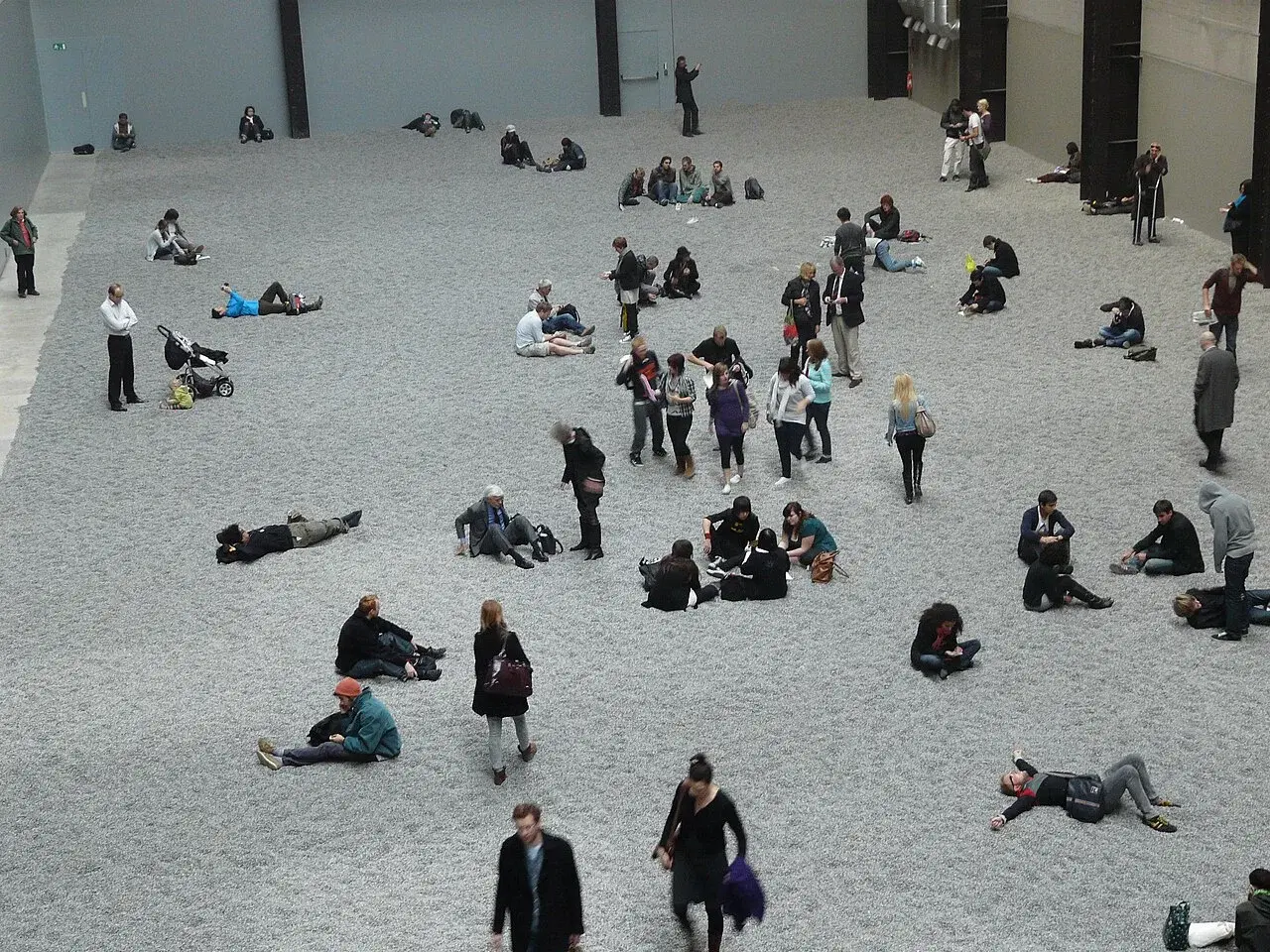
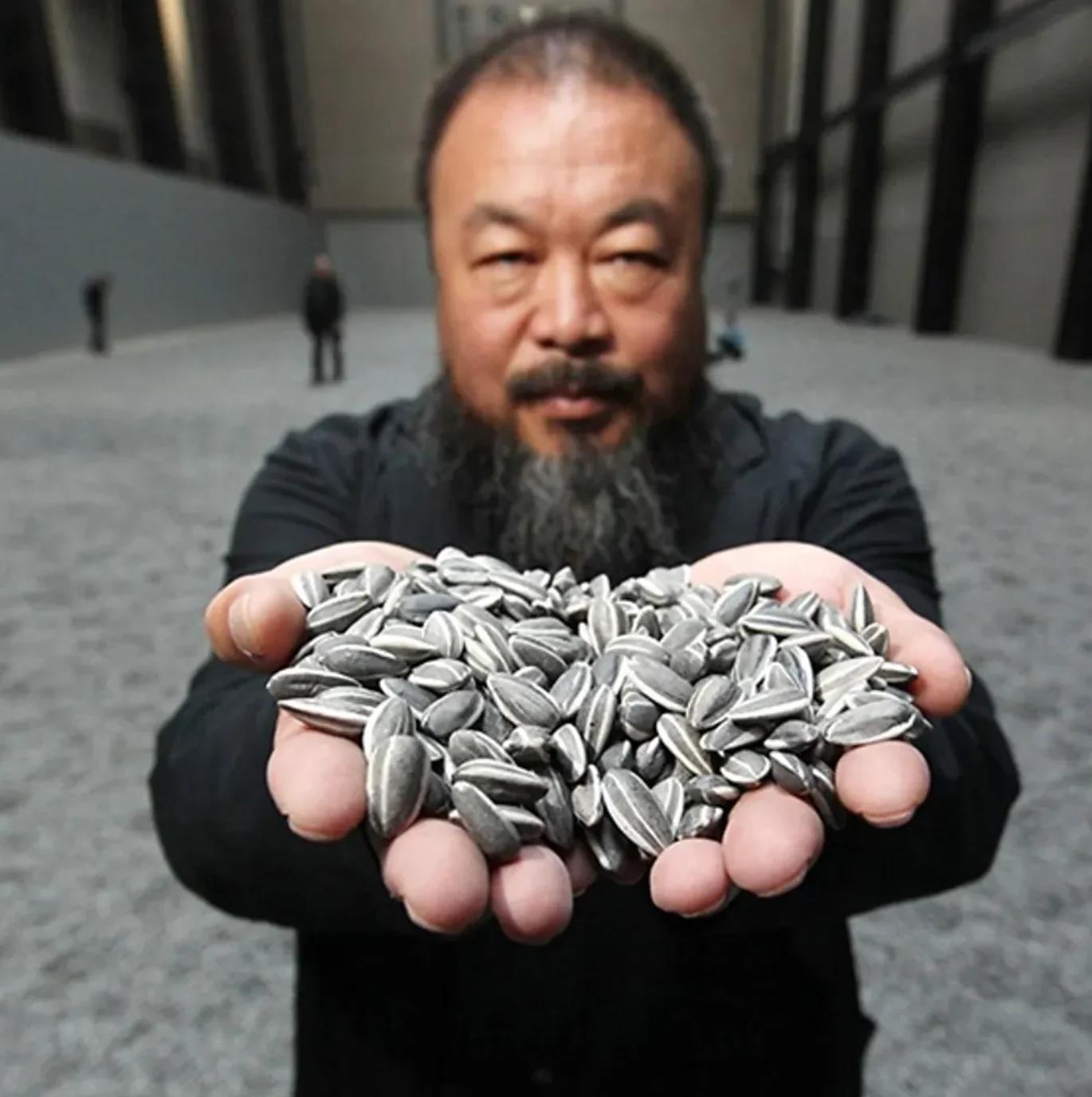
He gained international attention with works like Sunflower Seeds at Tate Modern and his involvement in the design of Beijing’s Olympic “Bird’s Nest” Stadium.
His practice challenges the role of the artist in society, insisting that art cannot be separated from ethical responsibility.
Today, Ai Weiwei is considered one of the most influential and outspoken artists of our time, using global visibility to give voice to those who are often silenced.
A striking curiosity about Ai Weiwei is that after he was detained by Chinese authorities in 2011, he recreated his prison experience as a series of hyper-realistic sculptures. The works show Ai being constantly watched by guards—even while sleeping or showering—turning surveillance and repression into art itself. It’s a rare case where an artist transforms personal political trauma directly into an artwork, blurring the line between life, protest, and creation.
Why is he important?
Plan your visit — these exhibitions are on view now.
Don’t stop here