Urban Art.
Madrid, Spain
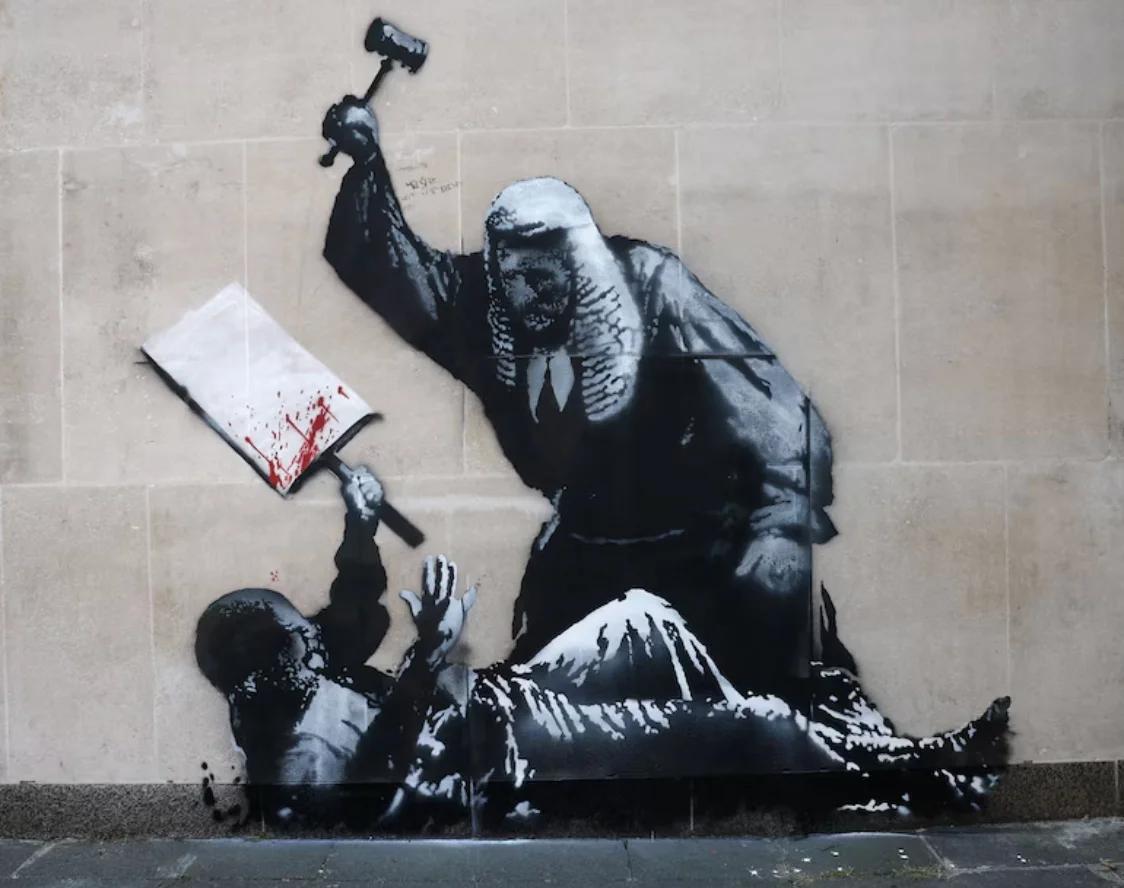
Banksy: the artist who turned anonymity into power
Banksy isn’t just a street artist — he’s a cultural paradox. In a world obsessed with visibility, he chose invisibility, and in doing so became one of the most recognizable artists on the planet. No verified face, no confirmed name, no official biography — yet his images circulate faster than most museum collections.
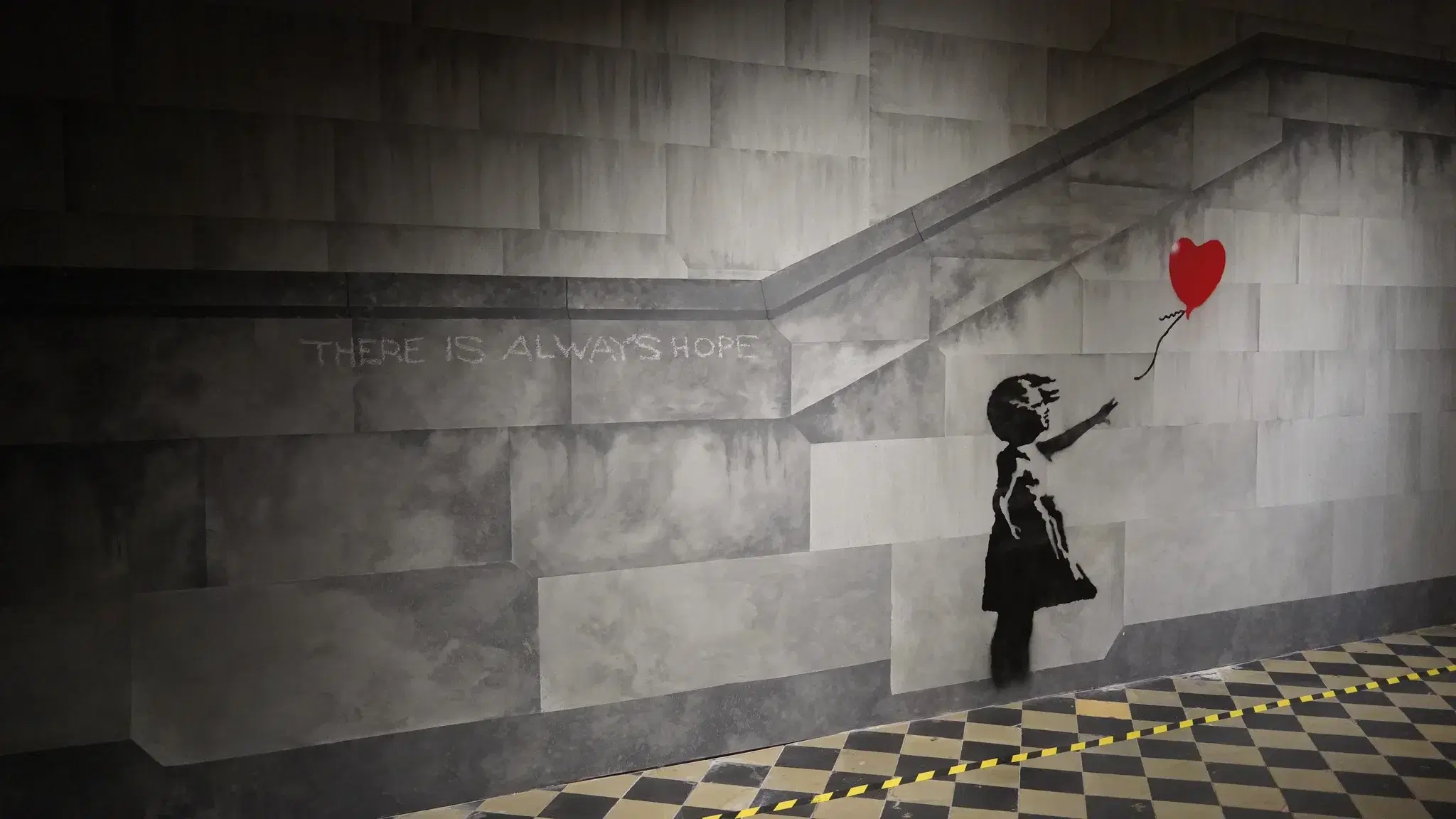
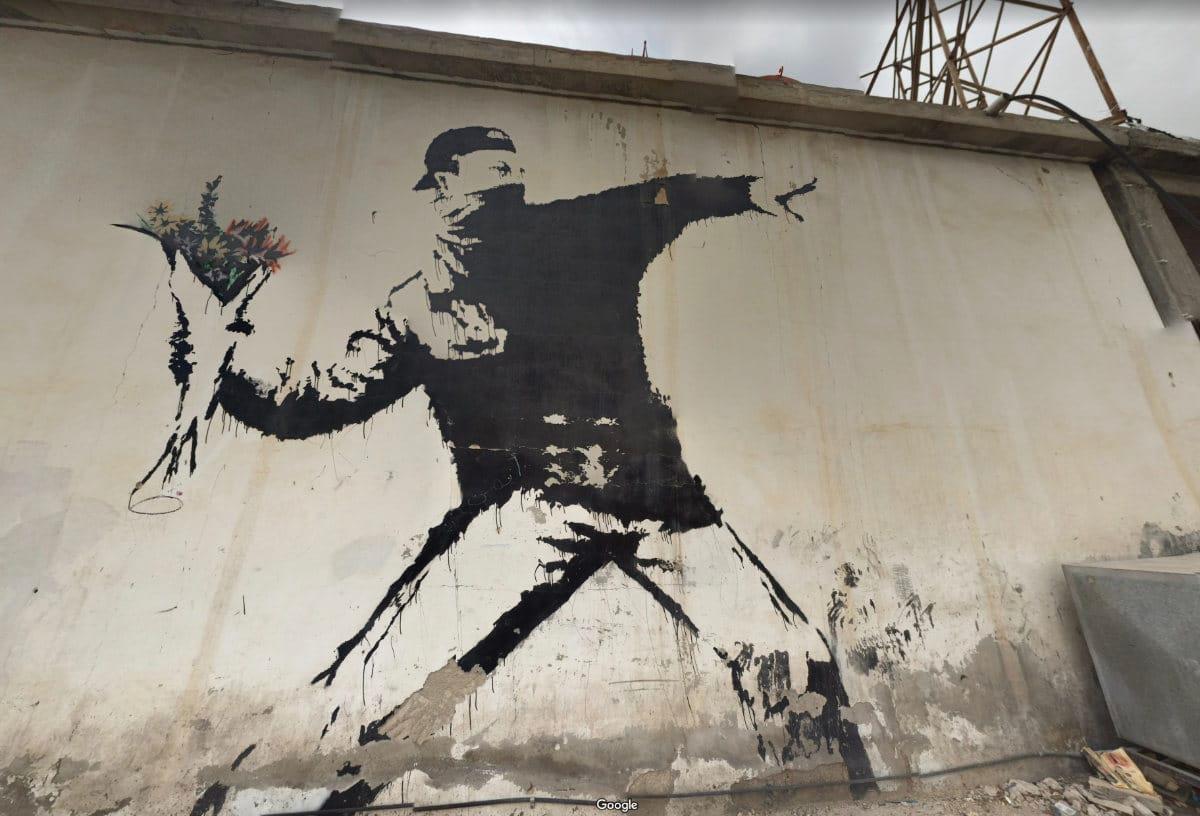
What makes Banksy compelling isn’t only the stencils or the visual punchlines. It’s the precision of his timing. His works appear exactly where social tension is highest: war zones, refugee crises, surveillance-heavy cities, consumer temples. A girl with a balloon, riot police with smiley faces, lovers distracted by phones — simple images that feel obvious only after you’ve seen them.
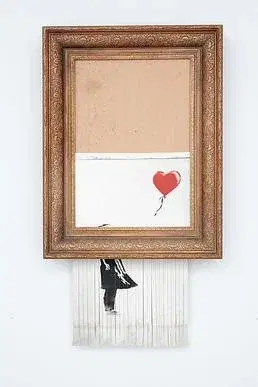
There’s also the delicious contradiction at the heart of his career. Banksy attacks capitalism, the art market, and institutional power, while his works sell for millions and are guarded behind plexiglass or literally removed from walls and auctioned. His response? He shredded his own artwork at Sotheby’s the moment it sold — turning critique into performance and embarrassment into legend.
Banksy’s anonymity isn’t a gimmick; it’s part of the artwork. By refusing celebrity, he forces attention back onto the message. Anyone can project onto him: activist, prankster, cynic, idealist. He becomes less a person and more a mirror of the society he’s criticizing.
In the end, Banksy proves something uncomfortable: art doesn’t need permission, institutions, or even an authorial identity to matter. Sometimes all it needs is a wall, a moment, and the courage to say what everyone is already thinking — but hasn’t quite dared to say out loud.
Banksy once snuck his own artwork into major museums… and it stayed there for days.
He secretly hung his pieces inside places like the British Museum, the Met, the Louvre, and MoMA, blending them in with the real collections. One of them was a prehistoric cave painting showing a caveman pushing a shopping cart. Museum staff didn’t notice for days. Visitors walked past it assuming it was legitimate.
The British Museum eventually realized… and instead of removing it, they kept it in their permanent collection.
So yes — Banksy illegally installed art in a museum, got caught, and was basically told: “Okay fine, this one slaps. We’ll keep it.”
Was Banksy recently “discovered”?
Short answer: no confirmed revelation has happened recently.
Banksy’s identity remains officially unknown, despite constant speculation.
Robin Gunningham, a man from Bristol, never confirmed it.
The real insight
The mystery is part of the artwork itself.
If Banksy were definitively revealed:
In a way, not knowing is the point.
What do you think?
Plan your visit — these exhibitions are on view now.
Don’t stop here