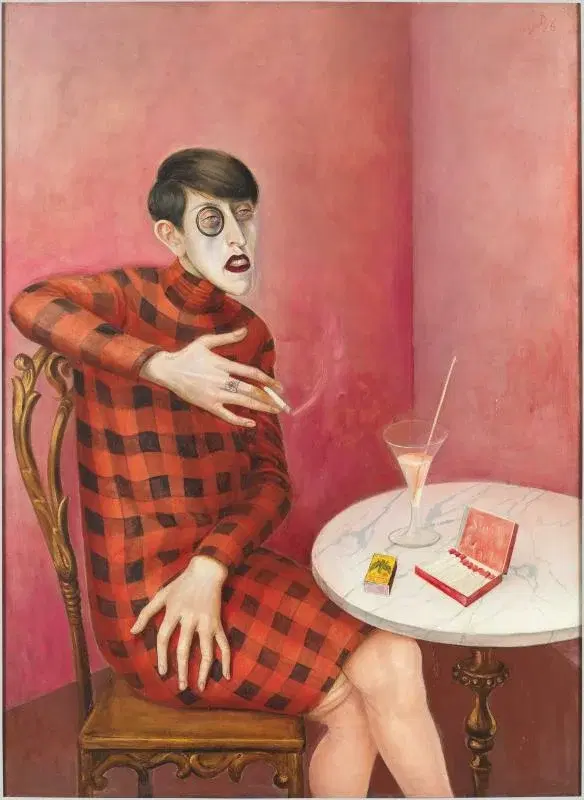
Otto Dix
- 1891 – 1969
- German
- Expressionism
A brief story
Otto Dix was born in Untermhaus, Germany, in 1891 and emerged from the devastation of World War I as one of the most unflinching visual witnesses of human brutality and social decay. He served on the Western and Eastern Fronts, experiences that permanently marked his artistic vision. In the Weimar Republic years that followed, Dix became a central figure in the Neue Sachlichkeit (New Objectivity) movement, wielding an almost surgical realism to expose the corruption, violence, and moral hypocrisy he observed in German society.\n\nHis Der Krieg (The War) triptych, completed in 1932, stands as one of the most harrowing anti-war statements in Western art, combining Old Master compositional techniques with images of almost unbearable horror. The Nazis declared his work degenerate art in 1937, removing more than 260 of his pieces from German museums. Dix retreated into a kind of inner exile, painting landscapes in a deliberately inoffensive style until after World War II, when he returned to his mordant figurative vision. His career represents one of the most morally serious confrontations between art and historical catastrophe in the twentieth century.
Did you know?
Otto Dix transformed his front-line experience of World War I into some of the most searingly honest images of human violence and social corruption ever committed to canvas.
Don’t stop here
More to explore by Otto Dix