Robert Rauschenberg
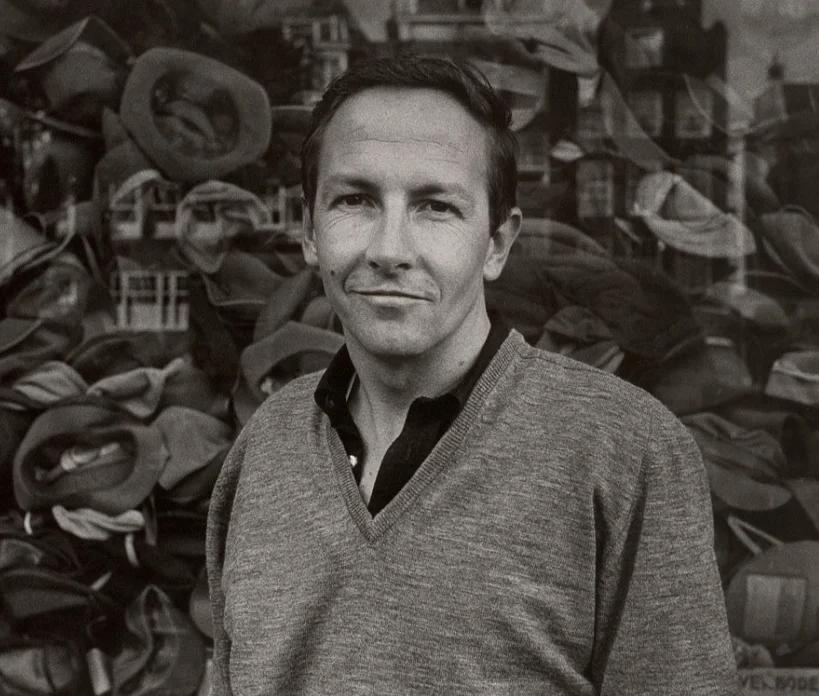
A brief story
Milton Ernest "Robert" or "Bob" Rauschenberg was an american painter and graphic artist whose early works anticipated the Pop art movement.
Rauschenberg is well known for his Combines (1954–1964), a group of artworks which incorporated everyday objects as art materials and which blurred the distinctions between painting and sculpture. Rauschenberg was primarily a painter and a sculptor, but he also worked with photography, printmaking, papermaking and performance.
Rauschenberg rejected the idea of the artist as distant genius. He collaborated with dancers, musicians, engineers, and performers, treating art as an open system rather than a finished statement. Chance, accident, and process were part of the work.
He didn’t create images to be admired. He created situations to be experienced.
Did you know?
Robert Rauschenberg once erased an artwork by Willem de Kooning — on purpose — and called it art.
In 1953, Rauschenberg intentionally erased a drawing given to him by the renowned abstract expressionist Willem de Kooning to create a new work of art titled Erased de Kooning Drawing. It is a famous piece of conceptual art, now housed at the San Francisco Museum of Modern Art.
Purpose: Rauschenberg wanted to see if a work of art could be produced solely through the act of erasure. He believed it only had meaning if he used a piece from an artist he respected, making it a "celebration" rather than a purely negative act.