Ruth Asawa: Retrospective
Museo Guggenheim Bilbao
Bilbao, Spain
“An artist is an ordinary person who can take ordinary things and make them special.”
Did you know?
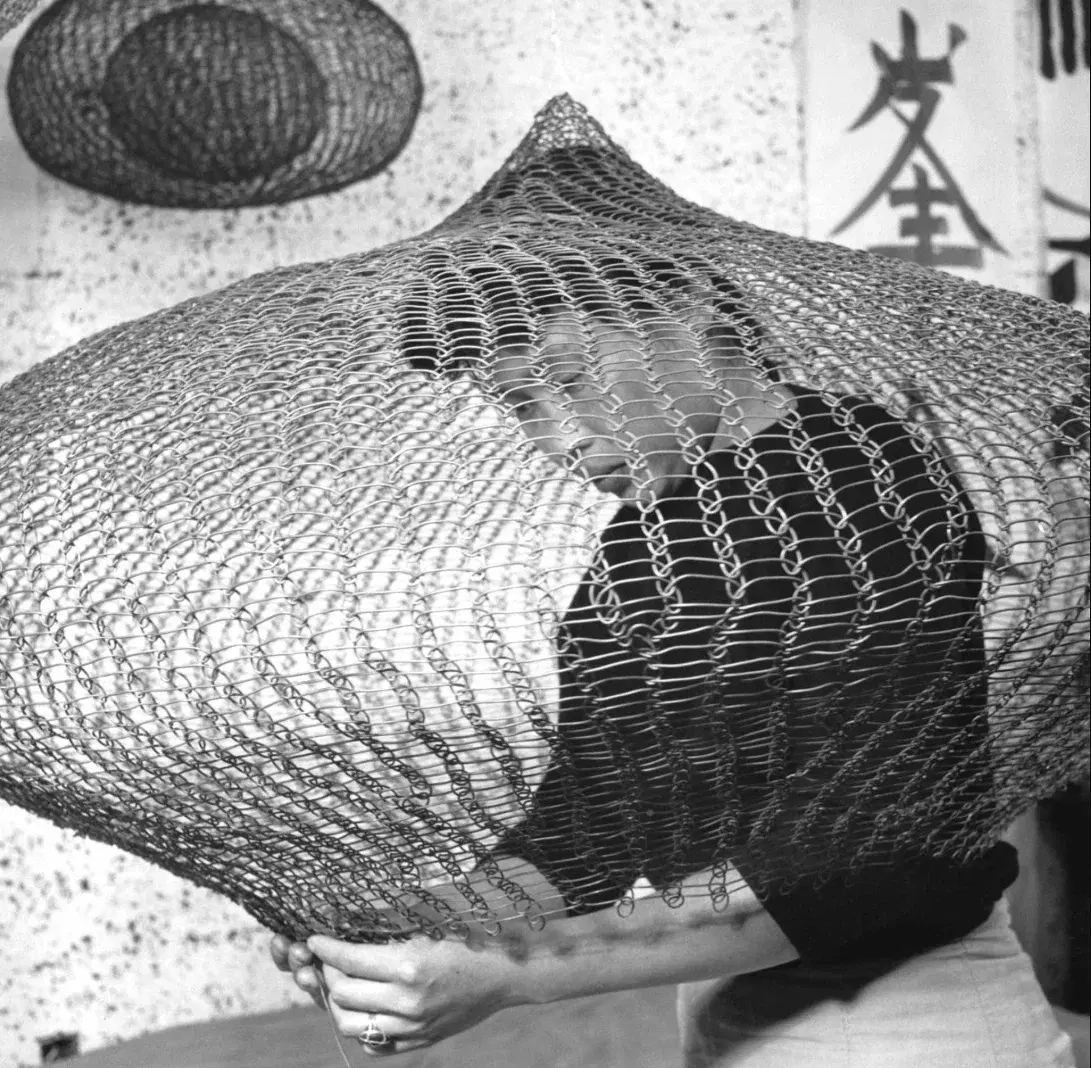
One of the most charming and "earthy" curiosities about Ruth Asawa is that she often signed her work with her fingerprints.
Because her sculptures were made of wire and lacked a flat surface for a traditional signature, she would sometimes press her thumb onto the metal or the base. It was a perfect reflection of her philosophy: that art is manual and lived work, and that the artist's physical presence is woven directly into the material.
Asawa often involved her six children in the creative process, transforming her home in Noe Valley (San Francisco) into a space where art was produced. Within the framework of her multidisciplinary practice, Asawa's use of inexpensive and child-friendly materials allowed her to develop a community-centered artistic approach.
From a simple mixture of flour, salt, and water, she invented her well-known salt dough, which she often used in her education through the arts activities.
Ruth Asawa was a brilliant American sculptor and educator whose life was a masterclass in creativity and resilience. While she is best known for her stunning wire sculptures, her journey was deeply marked by her identity as a Japanese-American and her love for experimental modern art.
Ruth's story is one of incredible strength. During World War II, she was forced to live in internment camps, but she didn't let that stop her. It was precisely behind those fences where she began her formal training, learning to draw at the hands of professional animators who were also detained there.
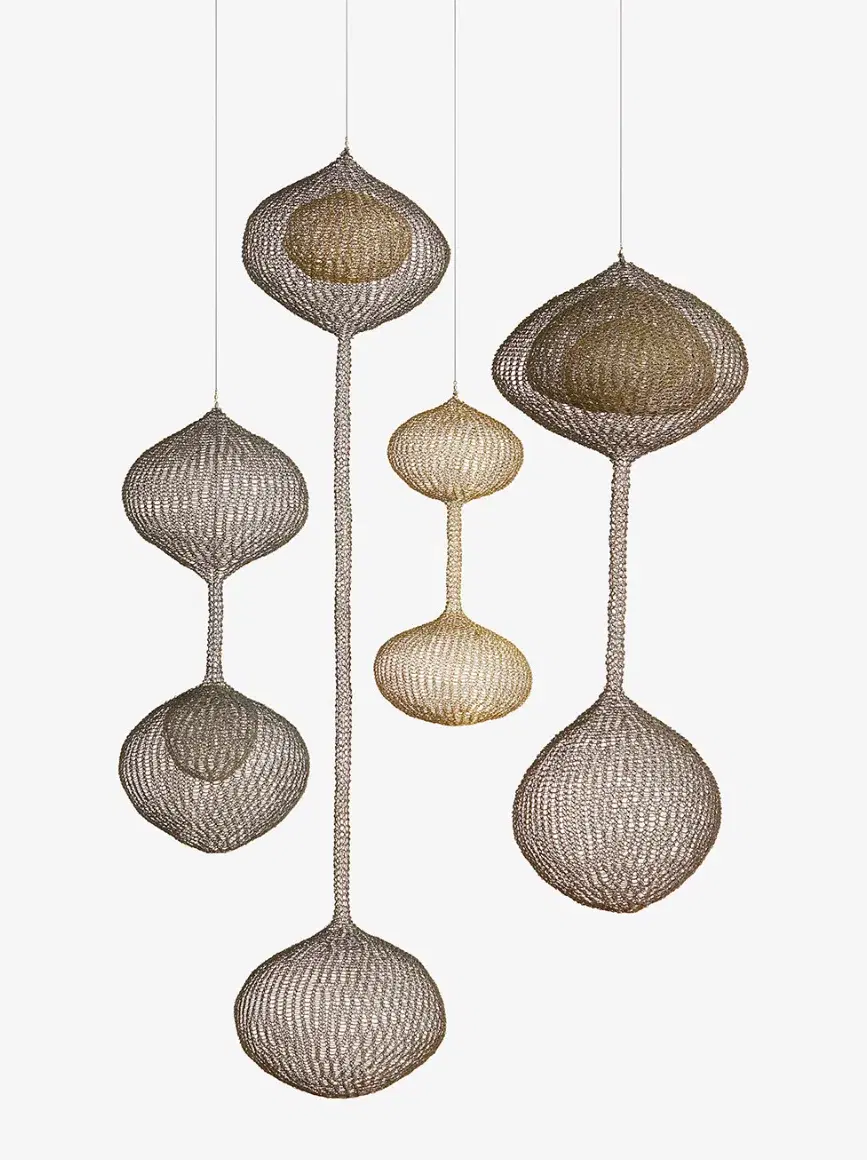
She is perhaps most famous for her interlocking looped wire sculptures. Inspired by the traditional basket-weaving techniques she saw in Mexico, Ruth created delicate hanging structures that seem to float in the air. By using only a single line of metal, she transformed simple wire into organic forms that dance with light and shadow.
Beyond her own studio, Ruth was a passionate advocate for children. She believed that art should be part of every child's life, regardless of their family background, and spent years fighting for better arts education in schools.
For a long time, some people dismissed Ruth's work as a "domestic hobby" or "craft" simply because she was a woman raising six children. Today, however, the world recognizes her as a fundamental figure of modernism. Her work is currently celebrated in the world's most famous galleries, including MoMA and the Whitney, proving that her vision was truly ahead of its time.