A brief story
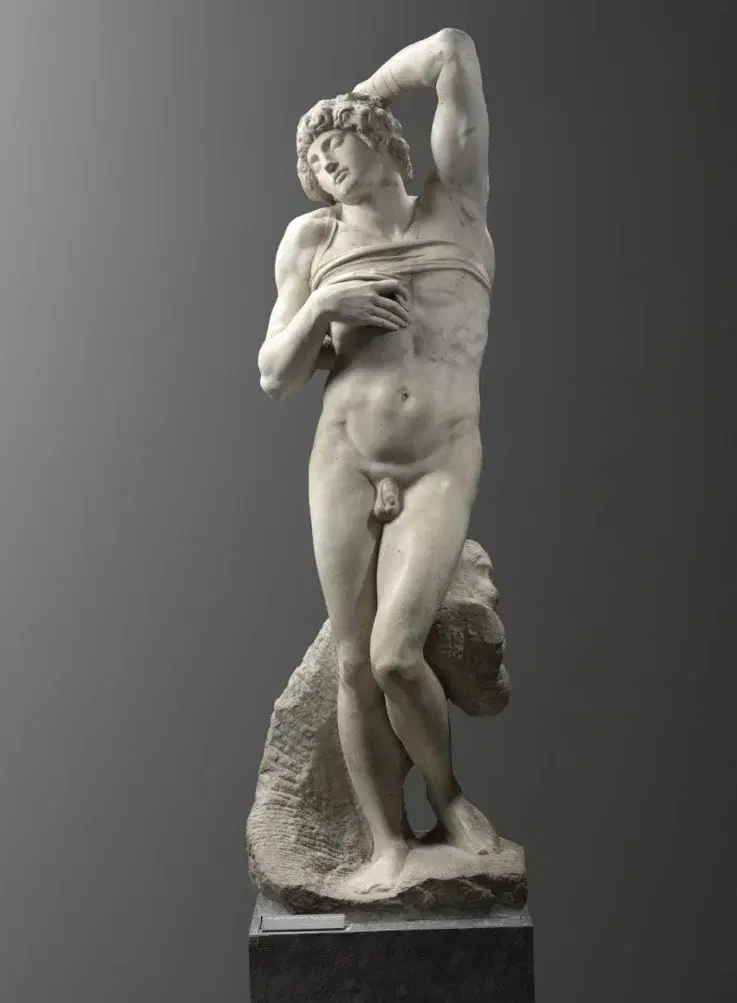
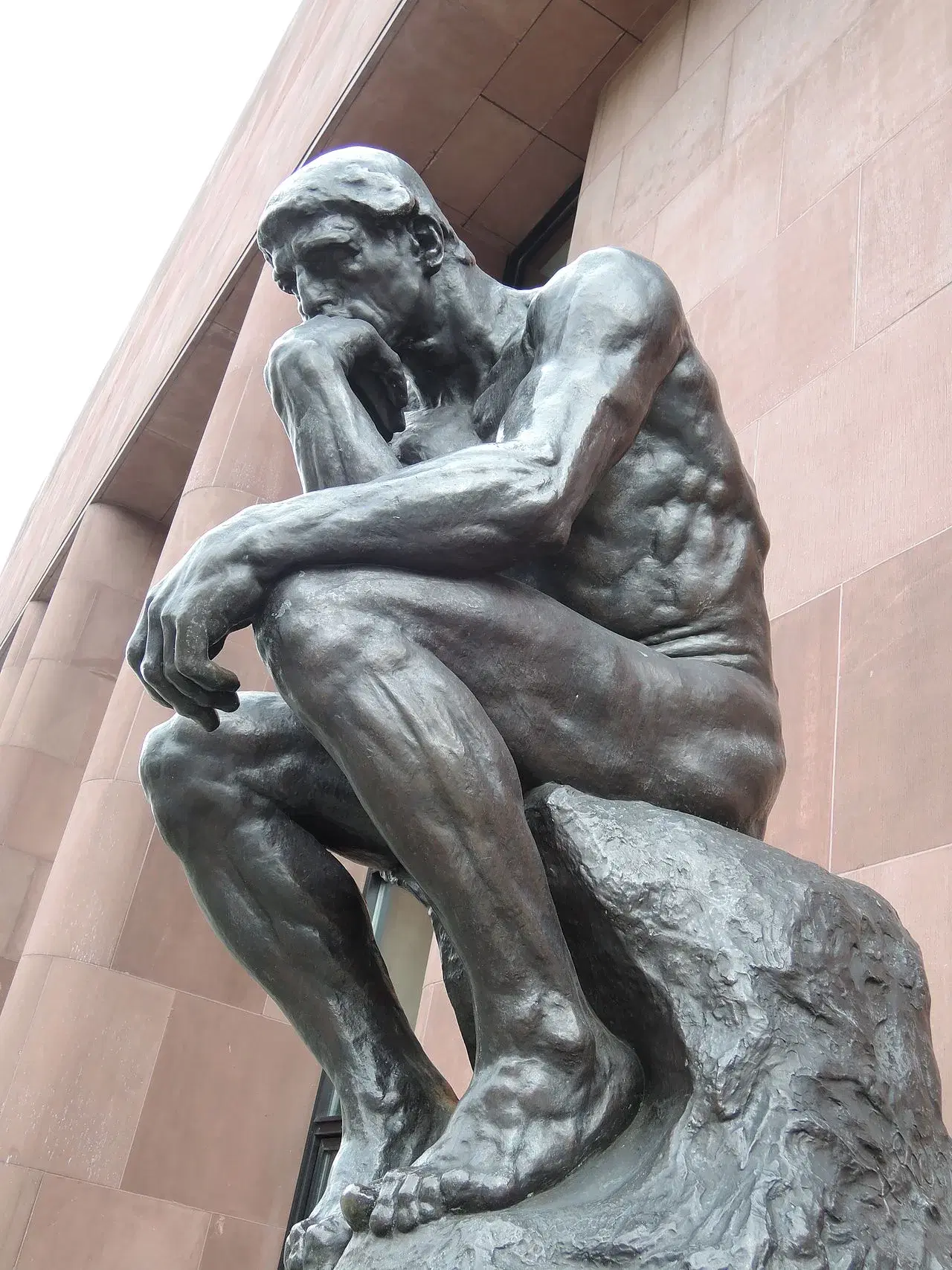
Auguste Rodin was a French sculptor widely regarded as the father of modern sculpture, whose radical approach to the human form overturned centuries of academic convention and opened the path to twentieth-century sculpture. Born in Paris in 1840, he failed three times to gain admission to the École des Beaux-Arts and spent his early career working as a craftsman and assistant to more established sculptors, including the Belgian Albert-Ernest Carrier-Belleuse. A transformative trip to Italy in 1875, where he studied Michelangelo intensively, galvanized his mature vision.\n\nHis first major independent work, The Age of Bronze (1877), was so naturalistic that critics accused him of casting it directly from a living model — a scandal that paradoxically established his reputation. The commission that would consume much of the rest of his creative life, The Gates of Hell (begun 1880), was a monumental bronze portal based on Dante's Inferno, never fully completed, from which emerged several of his most iconic individual sculptures: The Thinker, The Kiss, and The Three Shades. Rodin treated the surface of his sculptures with the same freedom that Impressionist painters brought to the canvas, leaving marks of the hand visible and allowing forms to emerge from rough, unfinished masses of material.\n\nHis portrait busts and public monuments — including the Burghers of Calais (1889) and his controversial seated Balzac (1898) — proved deeply divisive, rejected by committees expecting smooth academic idealization and instead confronted with psychological intensity and formal daring. His studio at the Villa des Brillants in Meudon became a place of international pilgrimage, and he attracted a brilliant circle of assistants, patrons, and admirers, including the poet Rainer Maria Rilke, who served as his secretary. Rodin died in 1917, leaving his work to the French state; the Musée Rodin in Paris remains one of the most visited museums in the city.