Gerhard Richter
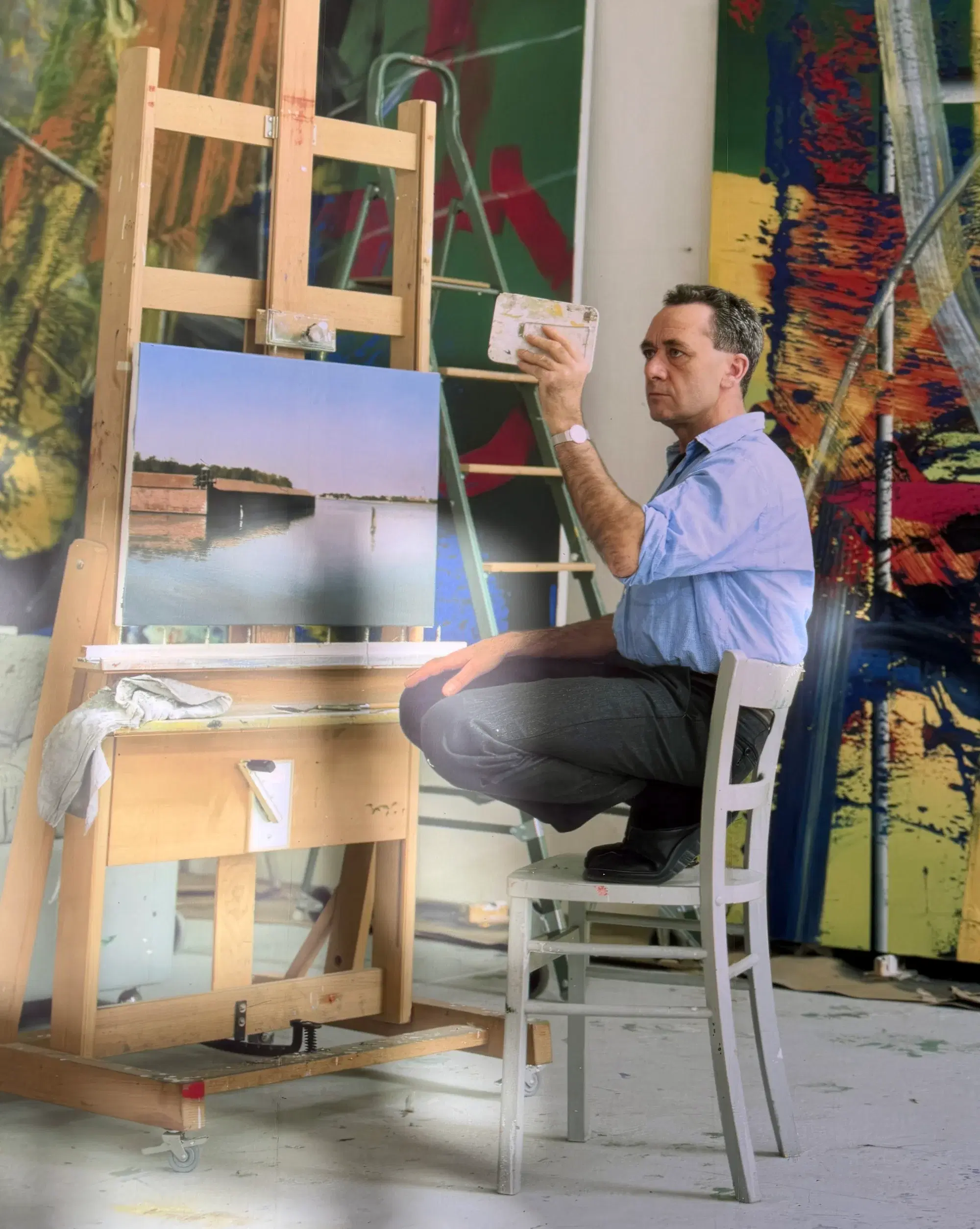
Gerhard Richter working in his studio. © artlovers at Fondation Louis Vuitton
- 1932
- German
A brief story
Gerhard Richter is widely considered to be one of the most important living painters of the late 20th and early 21st centuries.
Born in Dresden, he trained in East Germany before moving to West Germany in 1961, a shift that profoundly marked his artistic perspective.
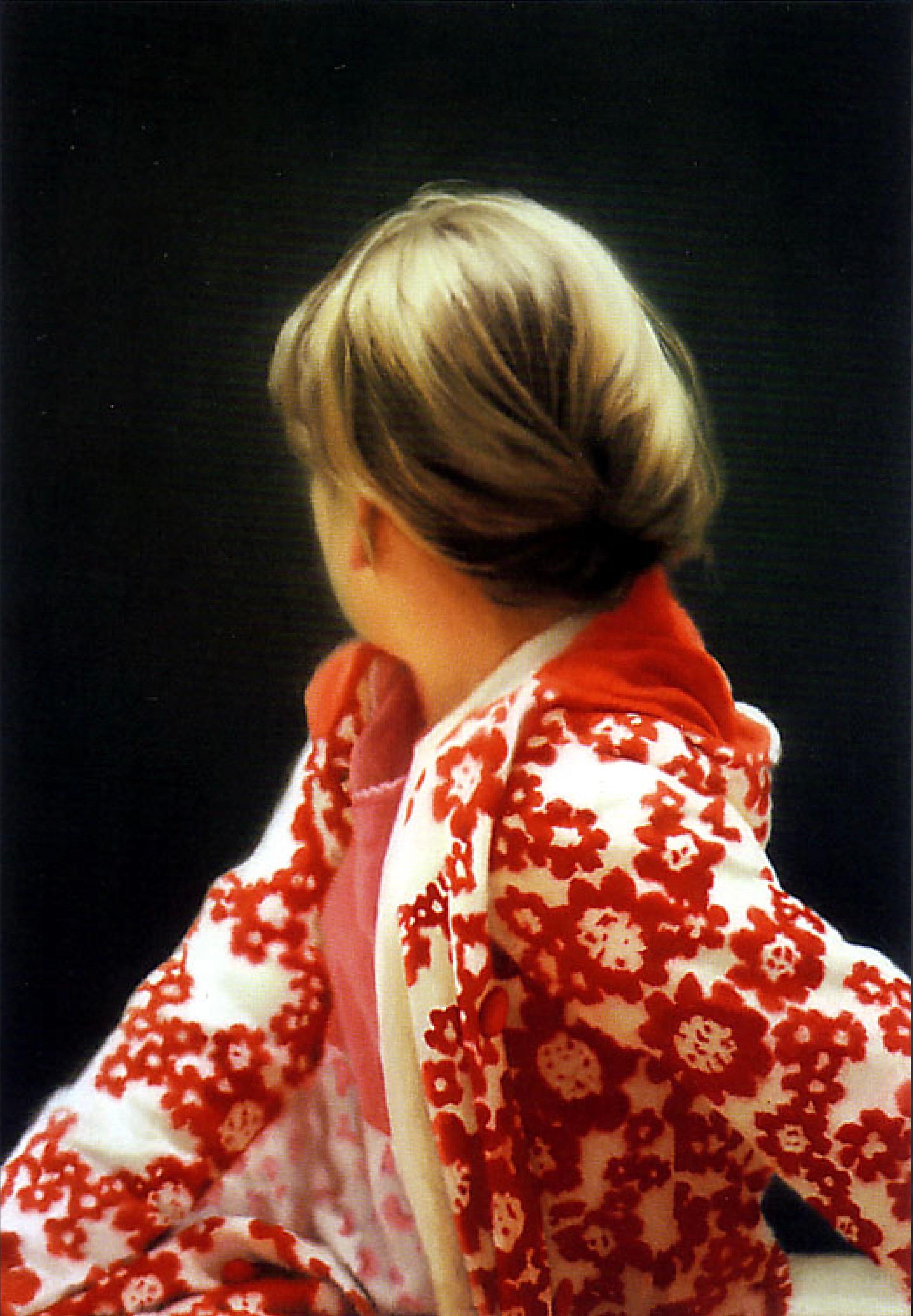
Richter is known for moving fluently between photorealistic paintings and large-scale abstract works, refusing to commit to a single style.
His blurred "photo-paintings" recreate photographs in oil, questioning memory, truth, and representation.
In contrast, his abstract works—often created with a large squeegee—layer vibrant colors onto complex and textured surfaces.
Throughout his career, Richter has explored themes such as history, trauma, chance, and perception, including impactful works that address Germany's past.
He has also produced minimalist "Color Chart" paintings and serene landscapes, demonstrating extraordinary versatility.
Richter's work constantly challenges the idea that painting must follow a single direction, making him a central figure in the current debate regarding the relevance of painting in contemporary art.
Richter has been called the "best living painter," "the most important artist in the world," and the "Picasso of the 21st century."
Did you know?
Richter's large abstract paintings—especially those from the 1980s and 1990s—have regularly reached eight-figure prices at auction. In 2015, his work Abstraktes Bild (1986) sold at Sotheby’s London for approximately $46.3 million, setting a record at that time for a living European artist.
Don’t stop here