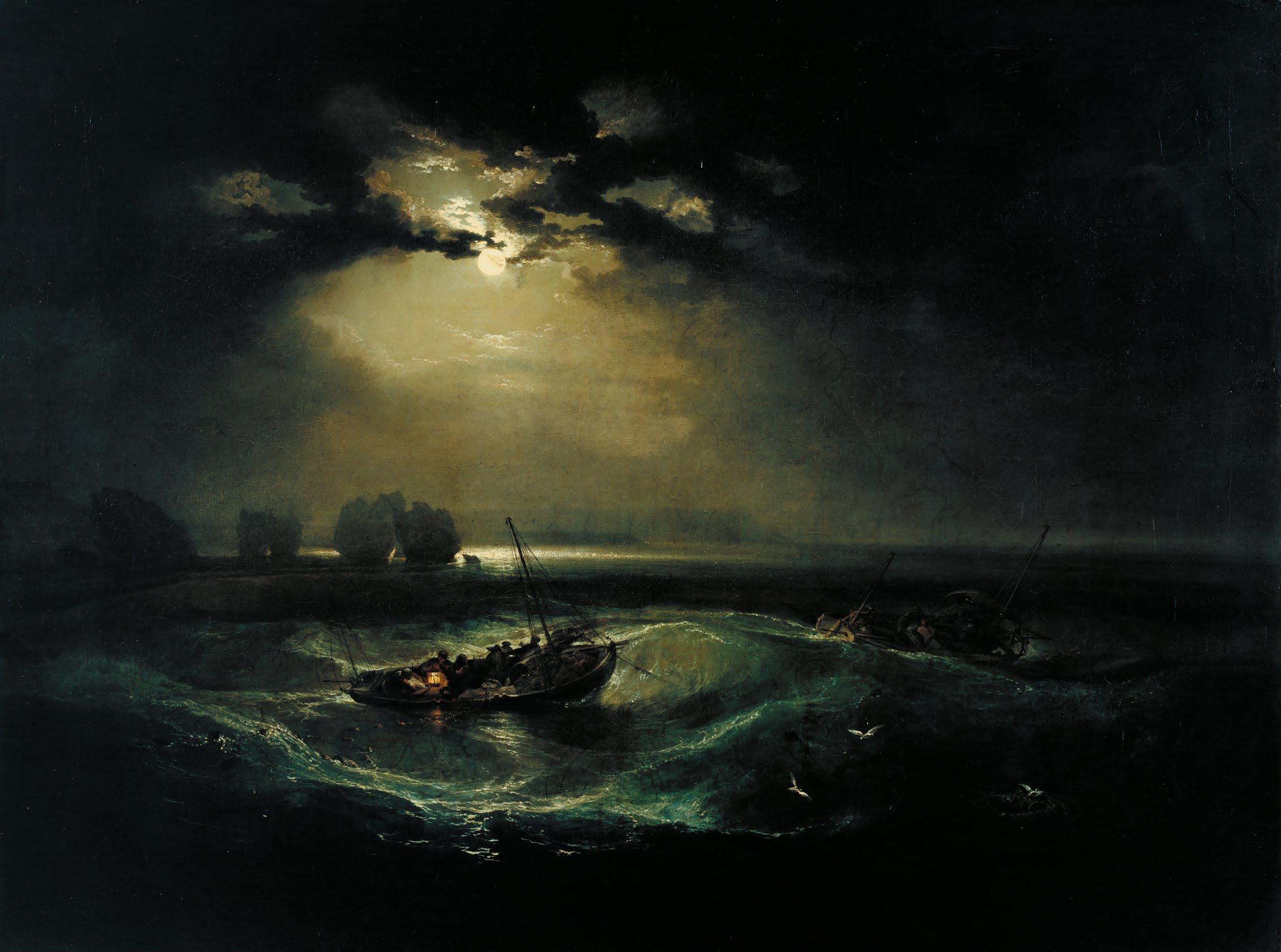
J. M. W. Turner
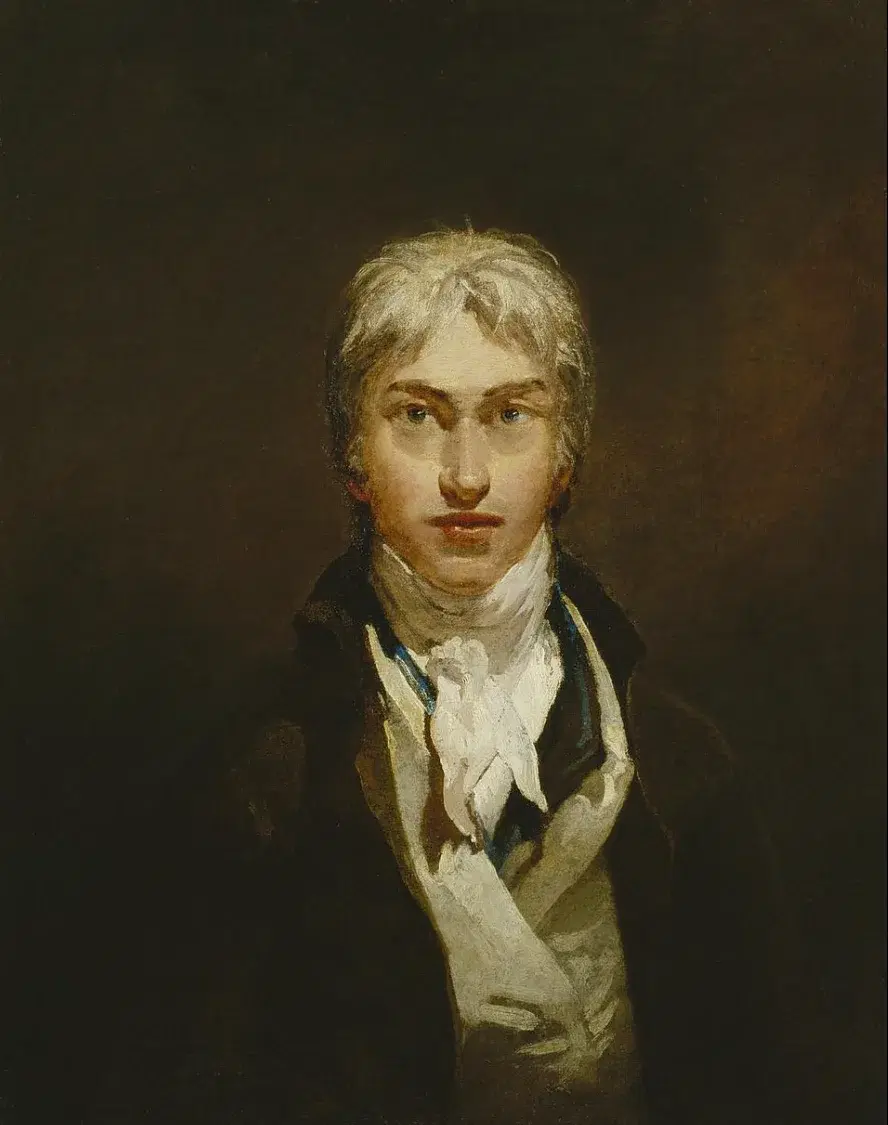
© Wikimedia Commons. Self portrait J. M. W. Turner
- 1775 – 1851
- British
- Romanticism
A brief story
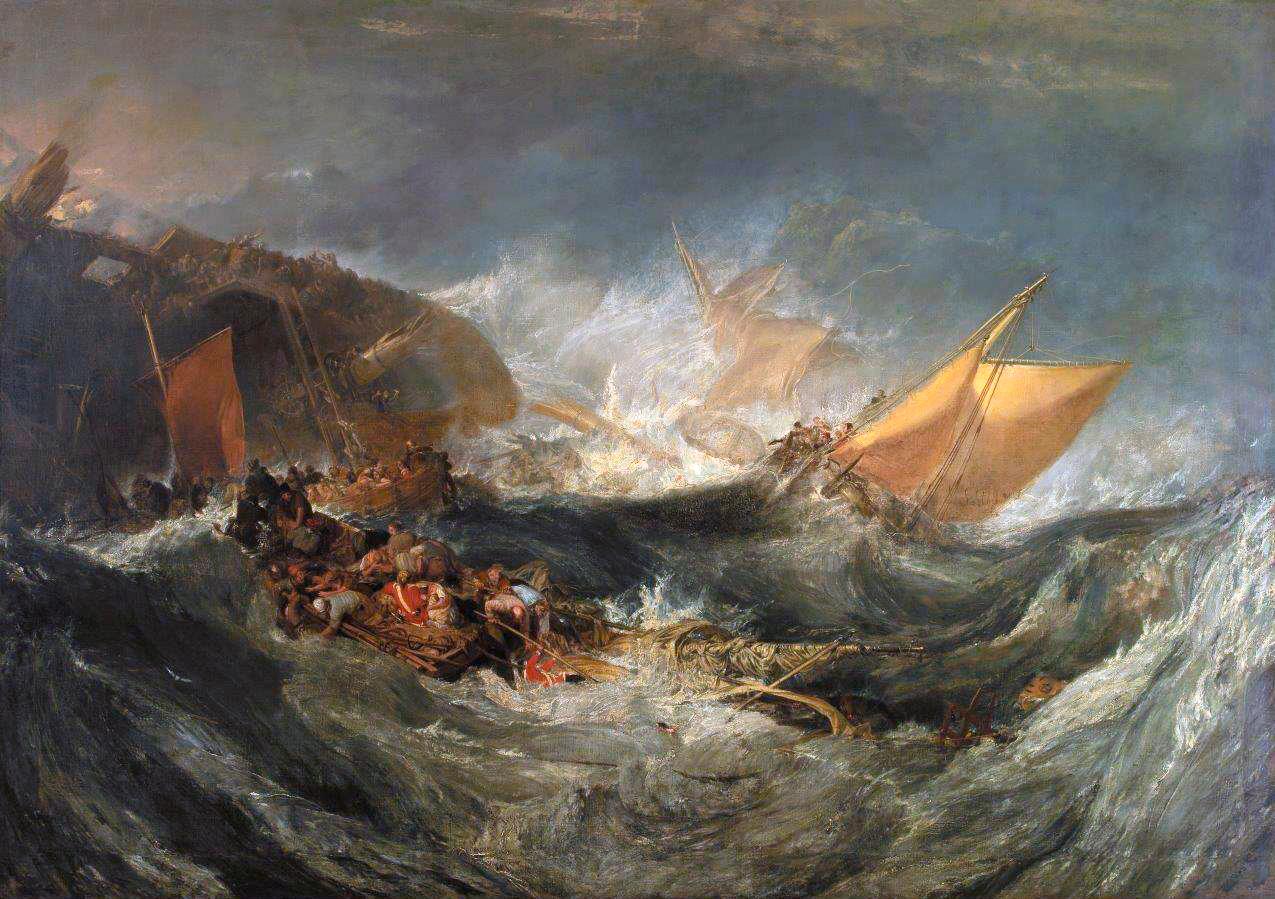
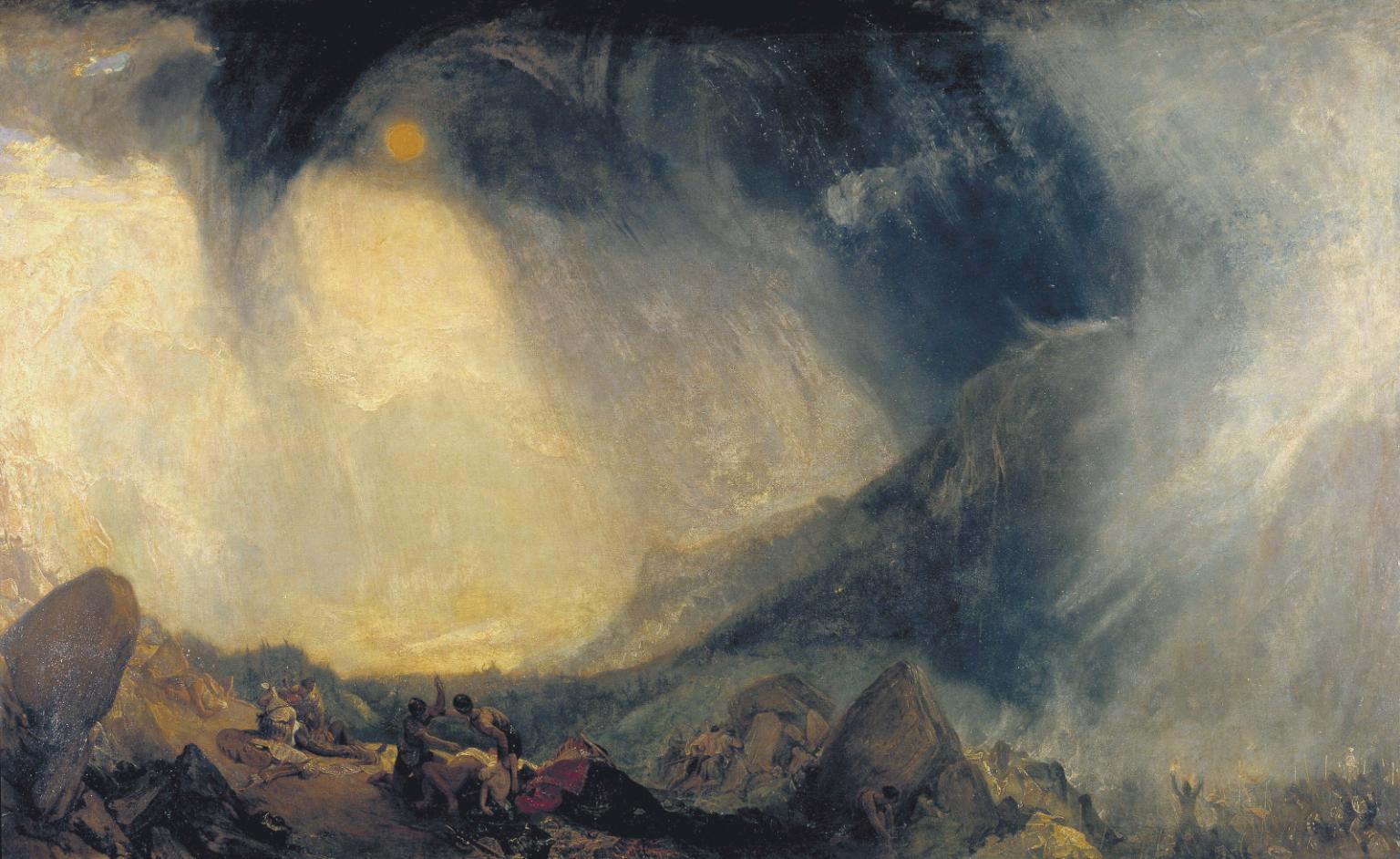
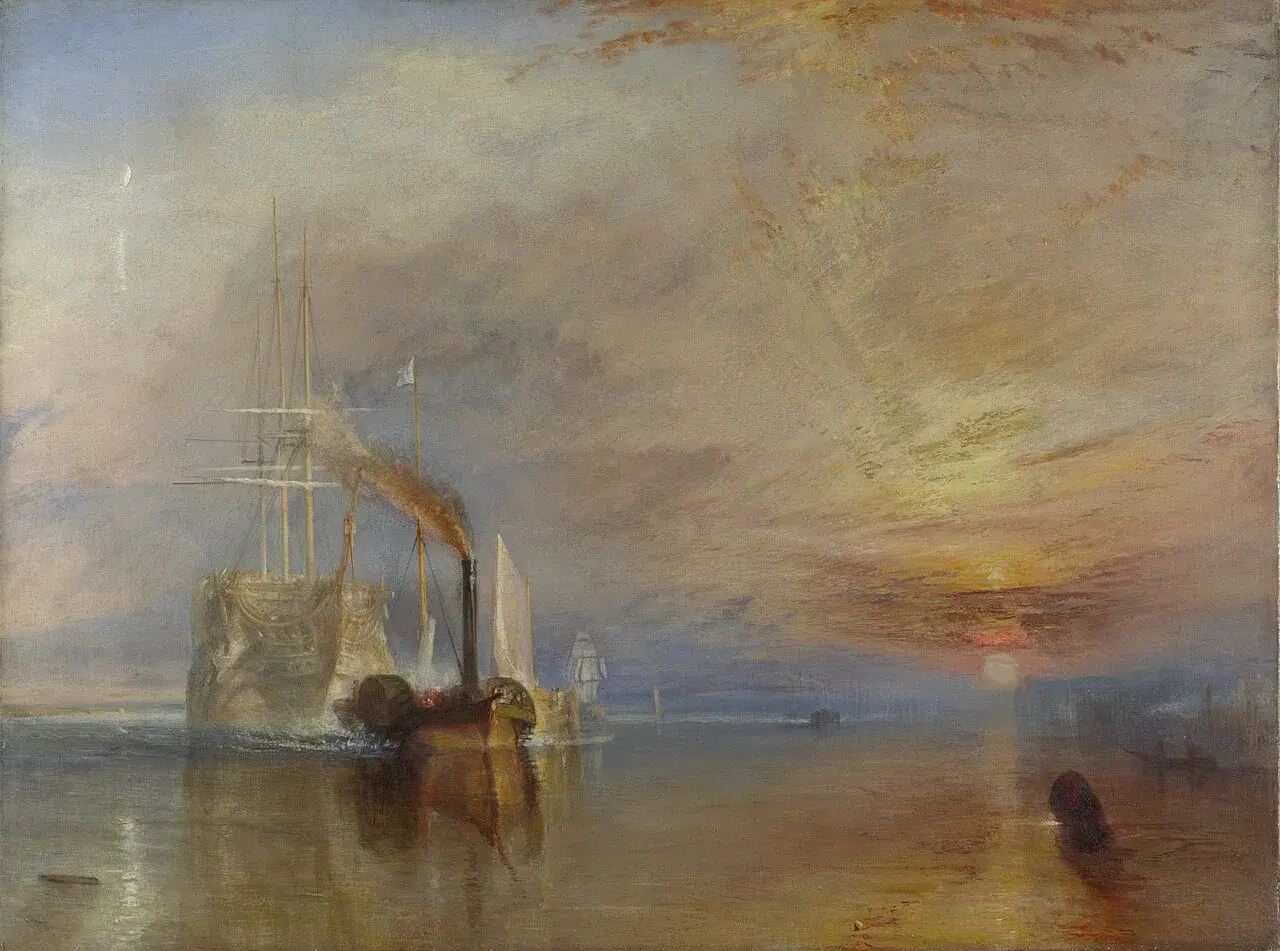
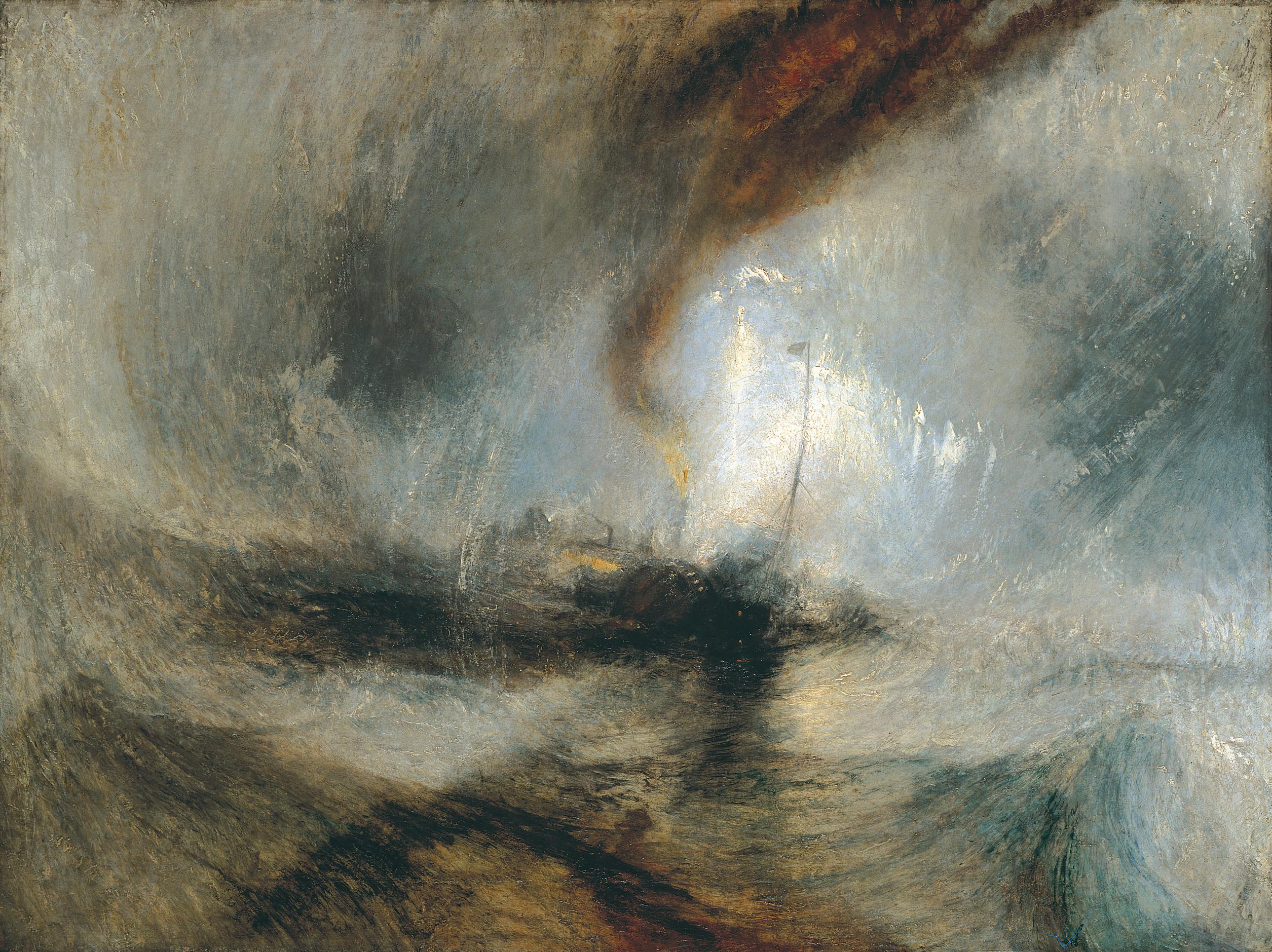
Joseph Mallord William Turner was born in Covent Garden, London, in 1775, the son of a barber. A prodigy of uncommon tenacity, he was admitted to the Royal Academy Schools at fourteen and exhibited his first watercolor there the same year. He spent his twenties touring Britain on sketching expeditions, mastering the topographical watercolor tradition before systematically and daringly transcending it. He was elected a full Royal Academician in 1802, at twenty-seven — one of the youngest ever.\n\nTurner's ambition was boundless: he read widely in history, mythology, and poetry (especially Byron and Thomson) and aimed to rival the great landscape painters of the Continental tradition — Claude Lorrain above all — while surpassing them in the emotional reach of light and atmosphere. His oil paintings grew progressively more daring across his career, dissolving solid form into vortices of color and light. Works such as Rain, Steam, and Speed (1844), Snowstorm: Steam-Boat off a Harbour's Mouth (1842), and The Fighting Temeraire (1839) manipulate atmosphere and luminosity to a degree that astonished and baffled his contemporaries. His champion, the critic John Ruskin, devoted the first volume of Modern Painters (1843) to his defense.\n\nIn his private life Turner was secretive to the point of eccentricity, living for years under an assumed name in Chelsea. He died in 1851, bequeathing his enormous studio collection to the British nation. The Impressionists — Monet and Pissarro among them — encountered his work in London in 1870–71 and recognized a precursor. His dissolution of form into light and color remains one of the most radical acts in the history of painting.
Did you know?
Britain's greatest landscape painter, who dissolved mountains, sea, and steam into pure light, anticipating Impressionism by half a century.
Don’t stop here