James McNeill Whistler
London, United Kingdom
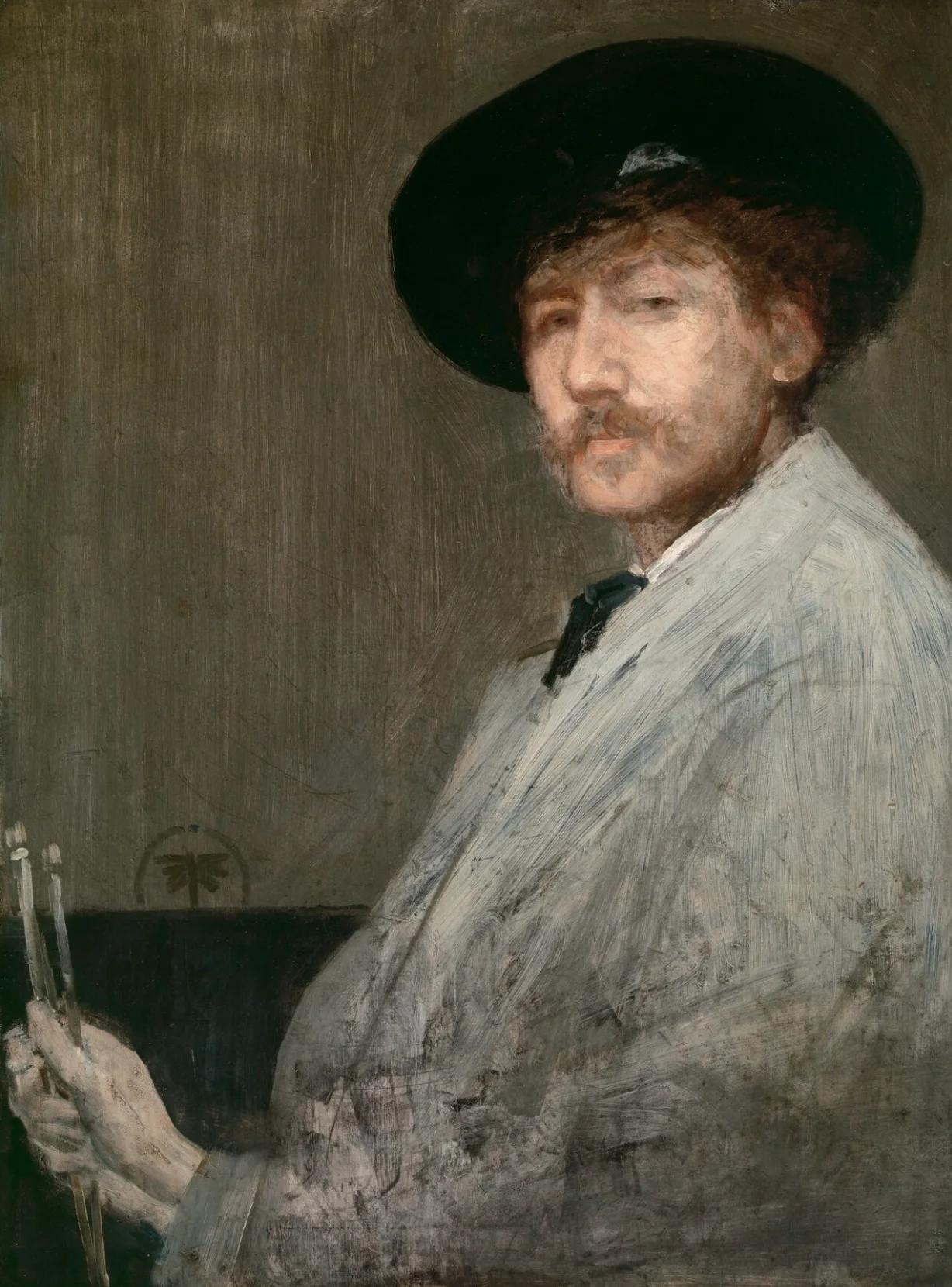
James Abbott McNeill Whistler was an American painter of oils and watercolors, and an etcher, active during the Gilded Age of the United States and based primarily in the United Kingdom.
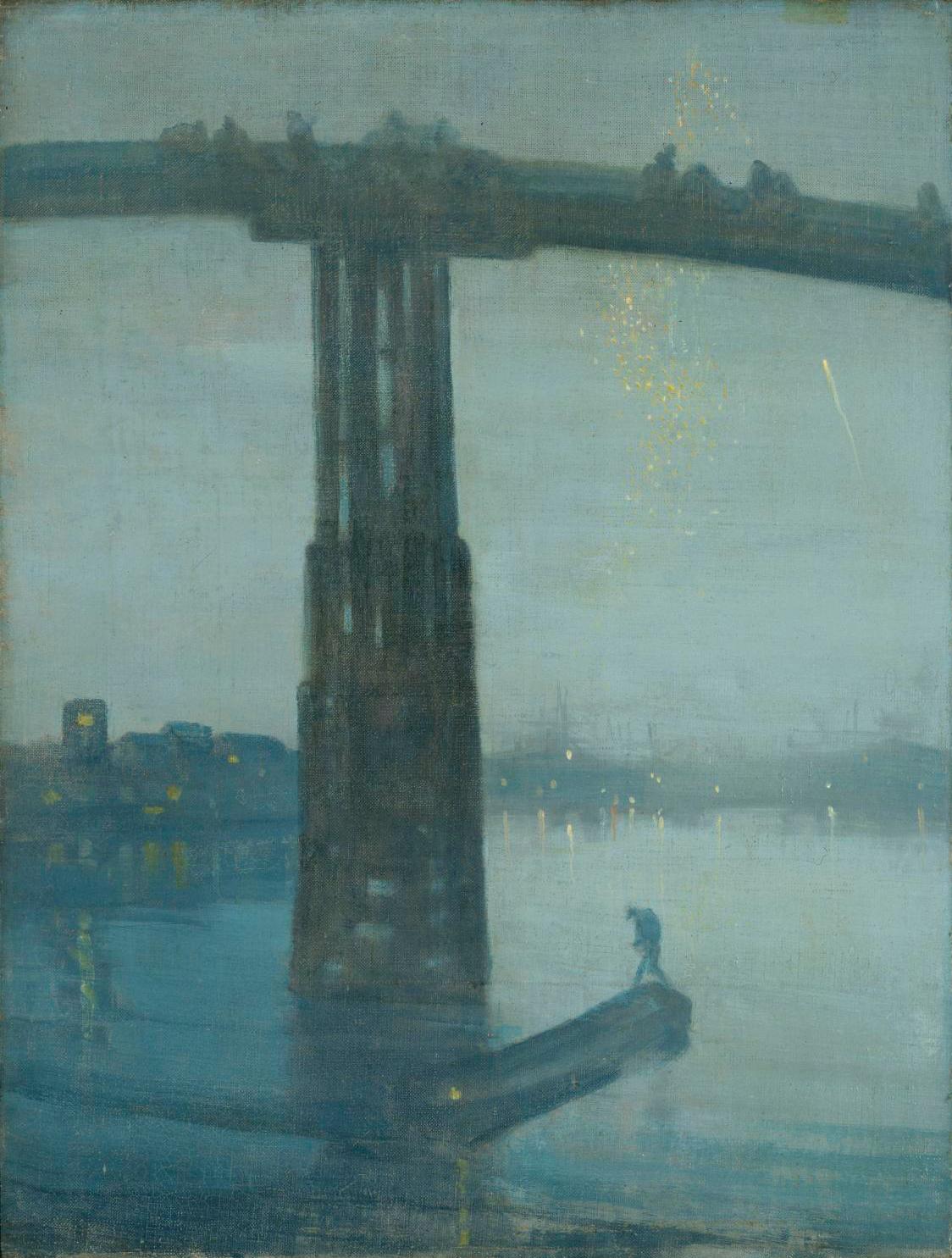
He avoided sentimentality and moral allusion in painting and was one of the leading proponents of the credo "art for art's sake."
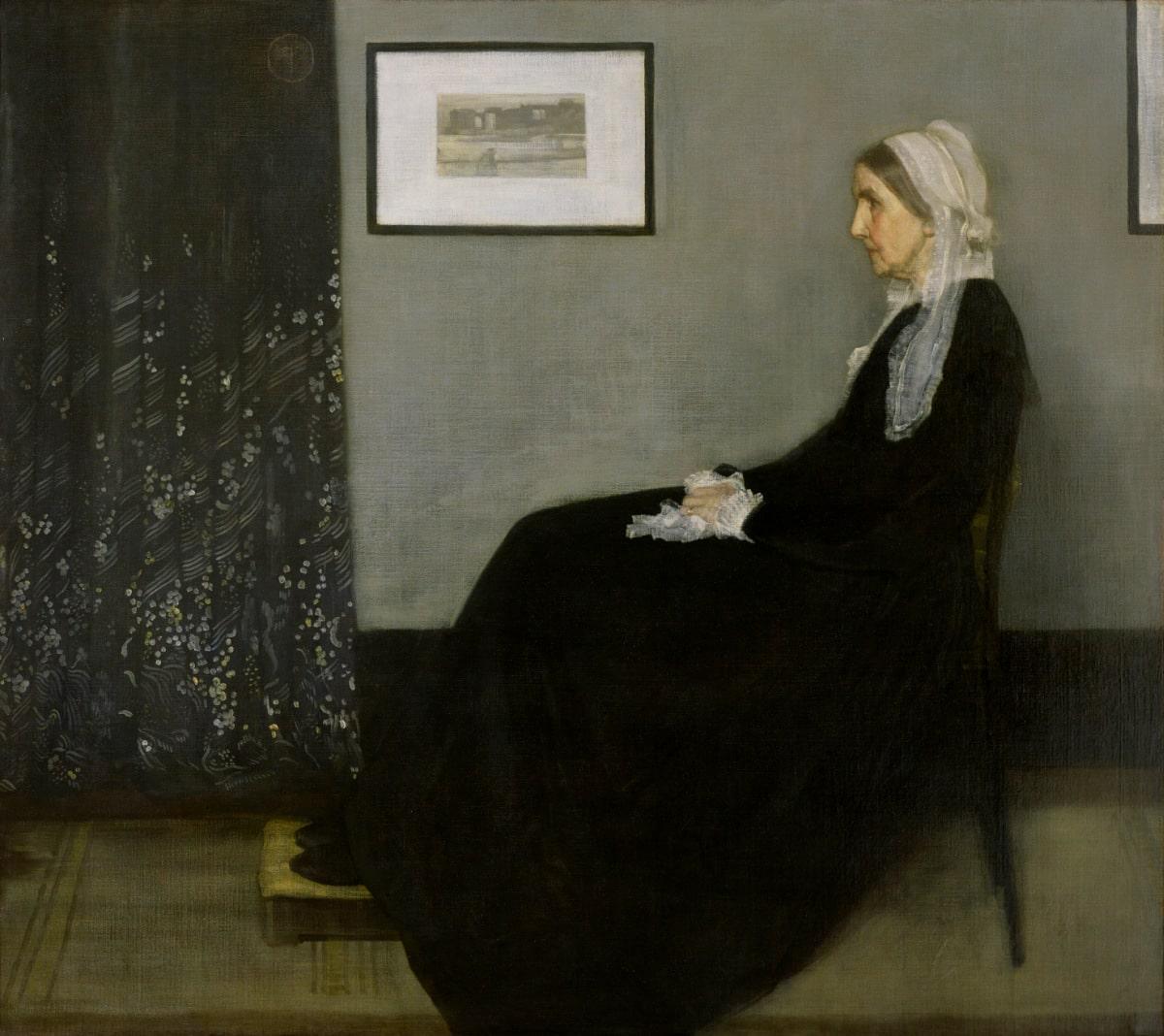
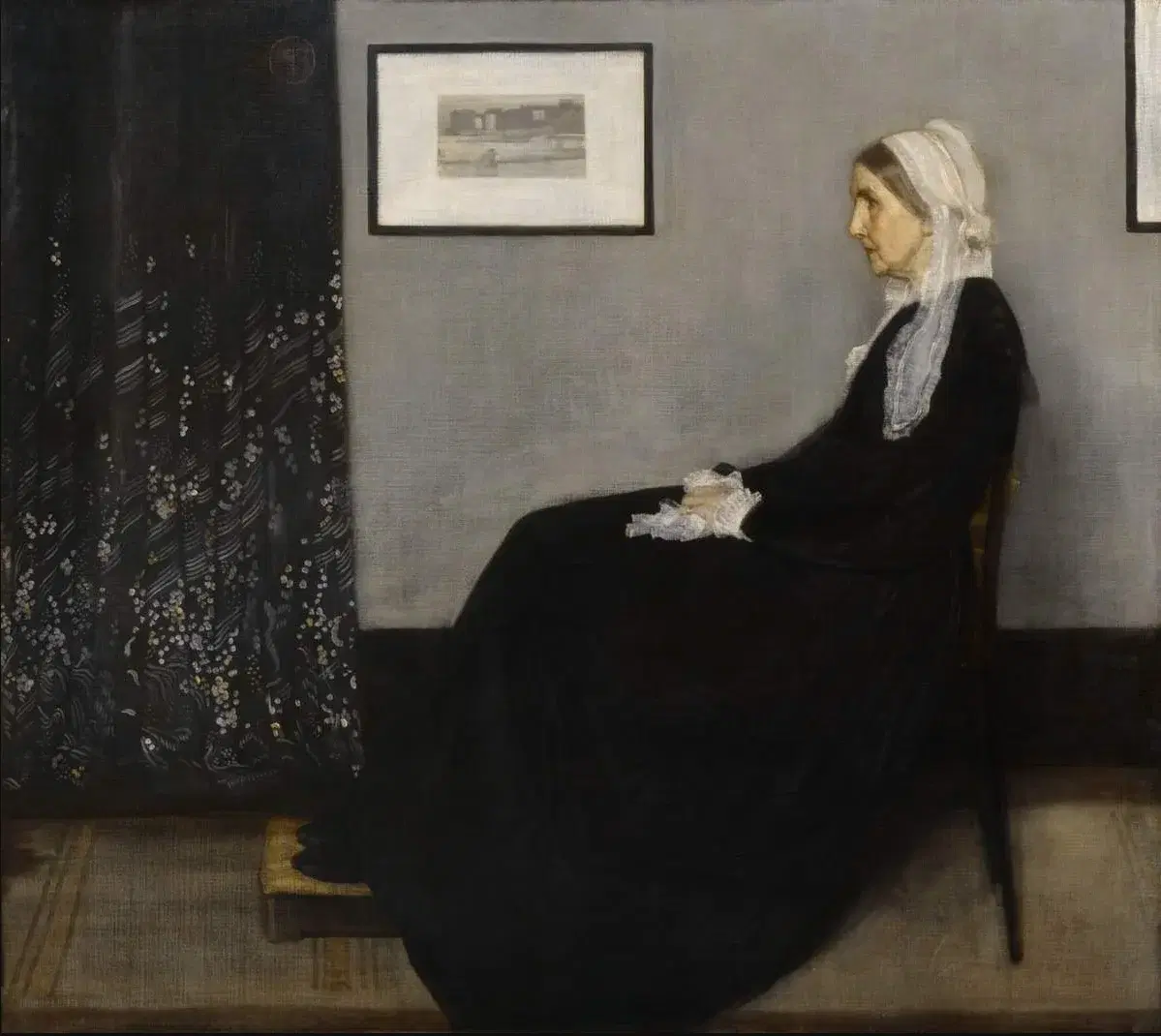
James McNeill Whistler was fundamental in redefining painting as an art of atmosphere, harmony, and aesthetic experience rather than a narrative or moral tale. He defended the idea of “art for art’s sake,” emphasizing color, tone, and composition, most famously in works such as Arrangement in Grey and Black No. 1 (Whistler's Mother). Whistler also played a key role in bridging realism, impressionism, and symbolism, influencing modern approaches toward abstraction and the autonomy of art.
A curious fact about Arrangement in Grey and Black No. 1 —better known as Whistler's Mother— is that the painting was never intended to become an icon. Whistler originally planned to use a standing model, but when she became tired, he asked his mother to sit in her place. What started as a practical solution evolved into one of the most recognizable images in Western art, later transforming into a symbol of motherhood, restraint, and modern portraiture, far beyond Whistler's original intentions.
Plan your visit — these exhibitions are on view now.
Don’t stop here