
René Magritte
A brief story
René François Ghislain Magritte (1898–1967) was a Belgian painter and one of the most important figures of Surrealism, known for his depictions of familiar objects in unfamiliar, unexpected contexts, which often provoked questions about the nature and boundaries of reality and representation.[
He is best known for his precise, realistic style used to depict dreamlike and paradoxical scenes that challenge how we see reality.
Magritte’s work explores the tension between images, words, and meaning, famously questioning representation in paintings like The Treachery of Images (“This is not a pipe”).
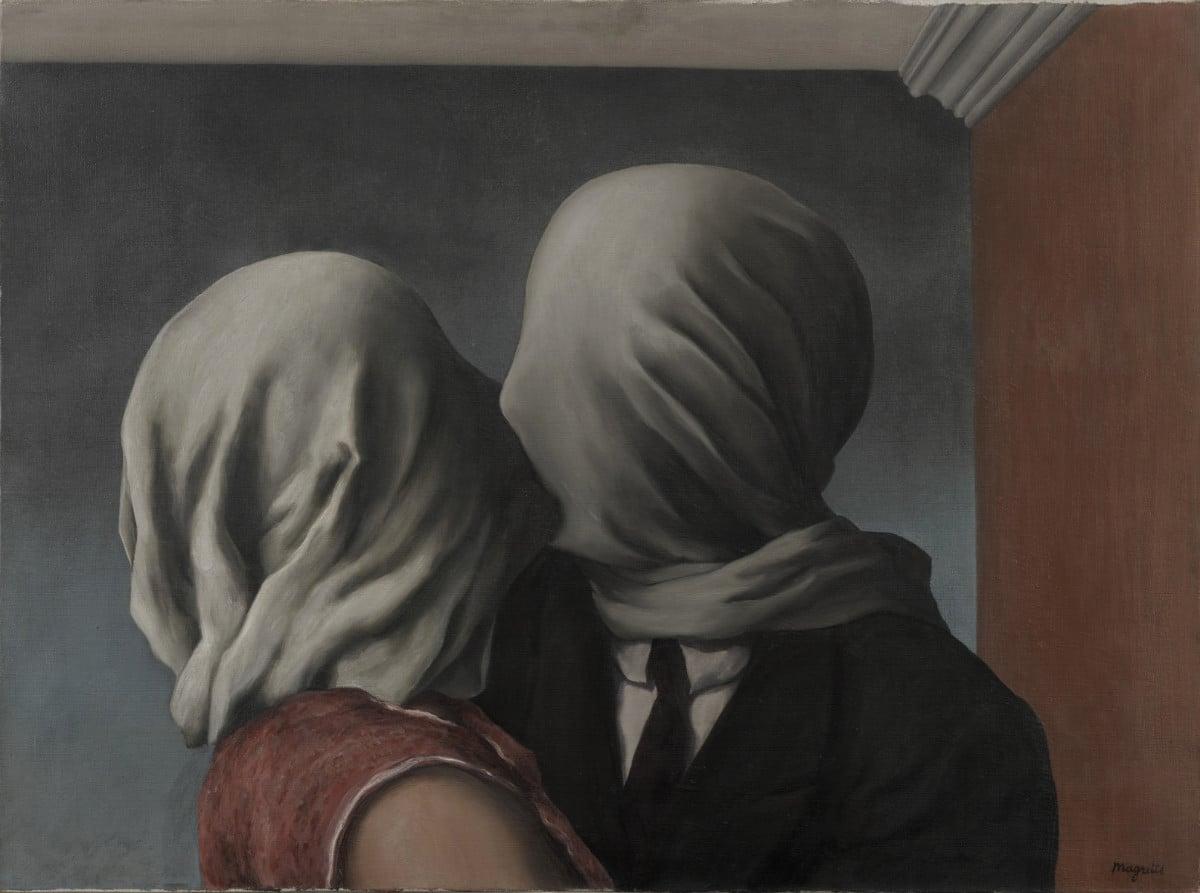
Recurring motifs such as bowler-hatted men, floating objects, clouds, and concealed faces create a sense of mystery and quiet unease.
Unlike other Surrealists, Magritte avoided abstraction and emotional excess, favoring conceptual clarity and philosophical irony.
His paintings invite viewers to doubt what they think they know, making the familiar suddenly strange.
Magritte’s influence extends far beyond painting, shaping conceptual art, pop culture, advertising, and graphic design.
Did you know?
A fascinating curiosity about René Magritte is that for several years he deliberately painted in a completely different, almost crude style—known as his “Renoir period”—using bright colors and sensual figures. He did this, as a reaction to his feelings of alienation and abandonment that came with living in German-occupied Belgium, and partly to confuse critics and provoke the art world, showing that style itself could be a conceptual joke. Magritte later abandoned this phase, but it perfectly reflects his lifelong obsession with undermining expectations and questioning meaning.
Don’t stop here