Anselm Kiefer. The Alchemists
Milan, Italy
Anselm Kiefer is one of the most important post-war European artists, known for his monumental works that confront history, memory, and trauma.
Born in Germany during the final months of World War II, Kiefer grew up in the shadow of the country's Nazi past. His early work directly addressed themes that many Germans preferred to avoid, making him a controversial yet necessary voice in post-war art.
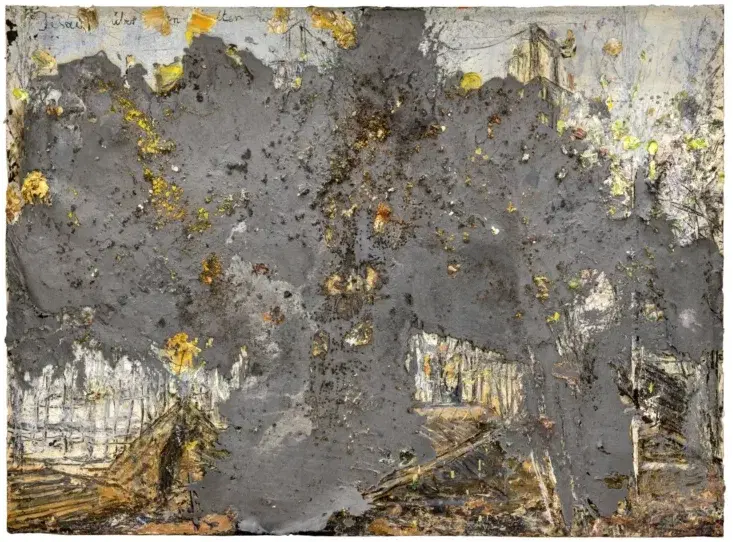
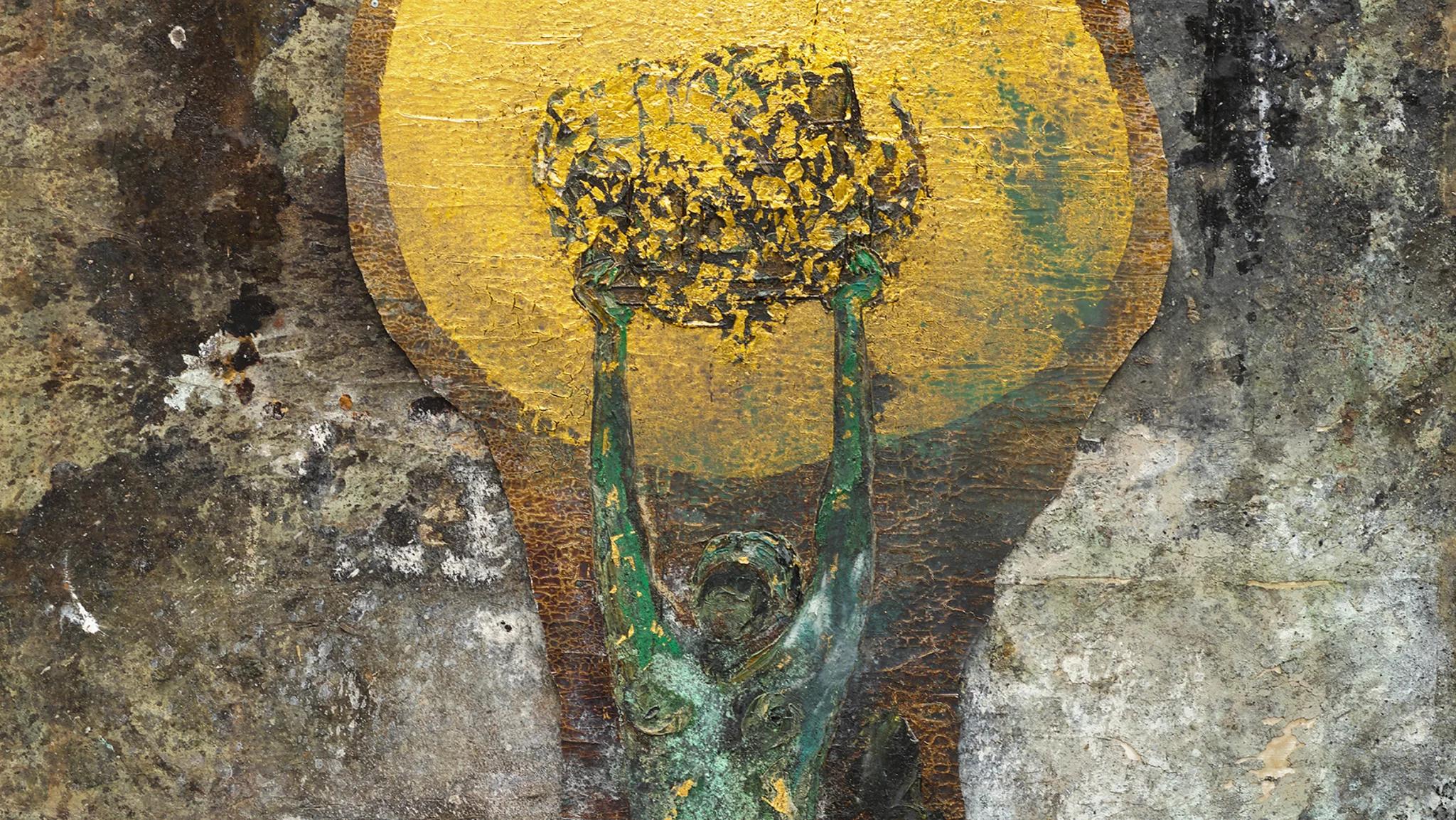
Kiefer’s paintings and installations are characterized by their massive scale and unconventional materials —including lead, straw, ash, clay, and burnt wood—. These materials are not decorative; they possess a symbolic weight that evokes destruction, rebirth, and alchemy.
He often references mythology, poetry (especially Paul Celan), Jewish mysticism, and German philosophy, creating multi-layered works that fuse cultural memory with personal reflection.
Today, Kiefer is considered a key figure of Neo-Expressionism and one of the most intellectually ambitious artists of the late 20th and early 21st centuries.
He forced Germany —and Europe— to visually confront the legacy of war and genocide. He expanded painting into a sculptural, almost architectural medium.
He reintroduced history and spirituality into contemporary art at a time dominated by minimalism and conceptualism.
Plan your visit — these exhibitions are on view now.