Avant-garde rebellions of the 20th century
Madrid, Spain
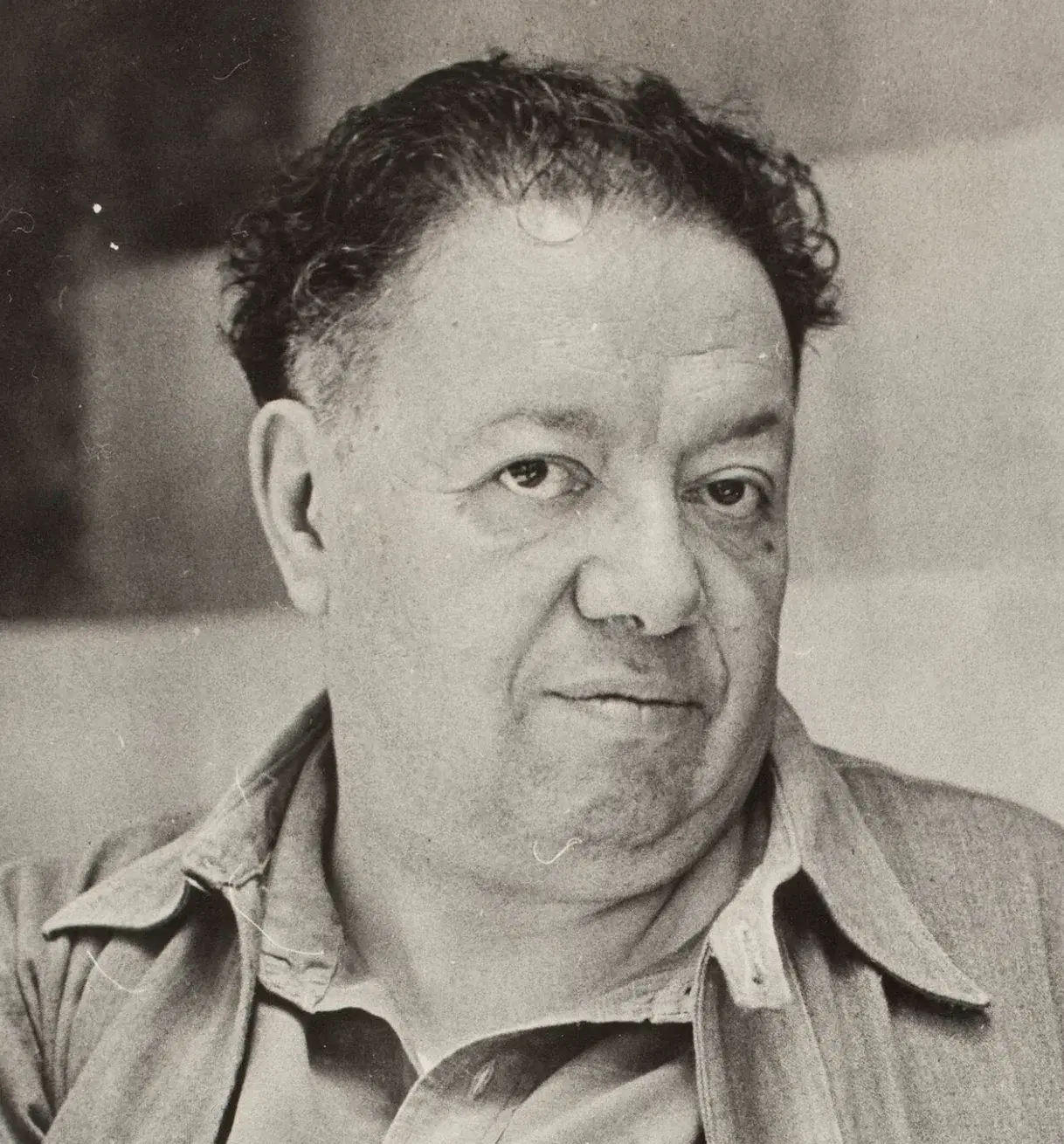
Diego Rivera was a natural-born artist from the very start. By the age of eleven, he had already earned a scholarship to study at Mexico City’s Academy of San Carlos. His journey eventually took him to Europe in 1907, where he spent years in Spain and France. In Paris, he jumped headfirst into the world of Cubism and even befriended Pablo Picasso. However, a trip to Italy in the early 1920s changed everything. After spending time studying the massive Renaissance frescoes there, Rivera returned to Mexico with a new mission: he left Cubism behind to focus on creating the giant public murals he is now famous for.
Rivera’s personal life was just as intense as his art. His relationship with the painter Frida Kahlo—whom he married twice—was a whirlwind of love, creative rivalry, and deep mutual inspiration that remains one of the most famous stories in art history. When he passed away in 1957, he left behind a collection of work that changed public art forever, making it something that belonged to everyone.
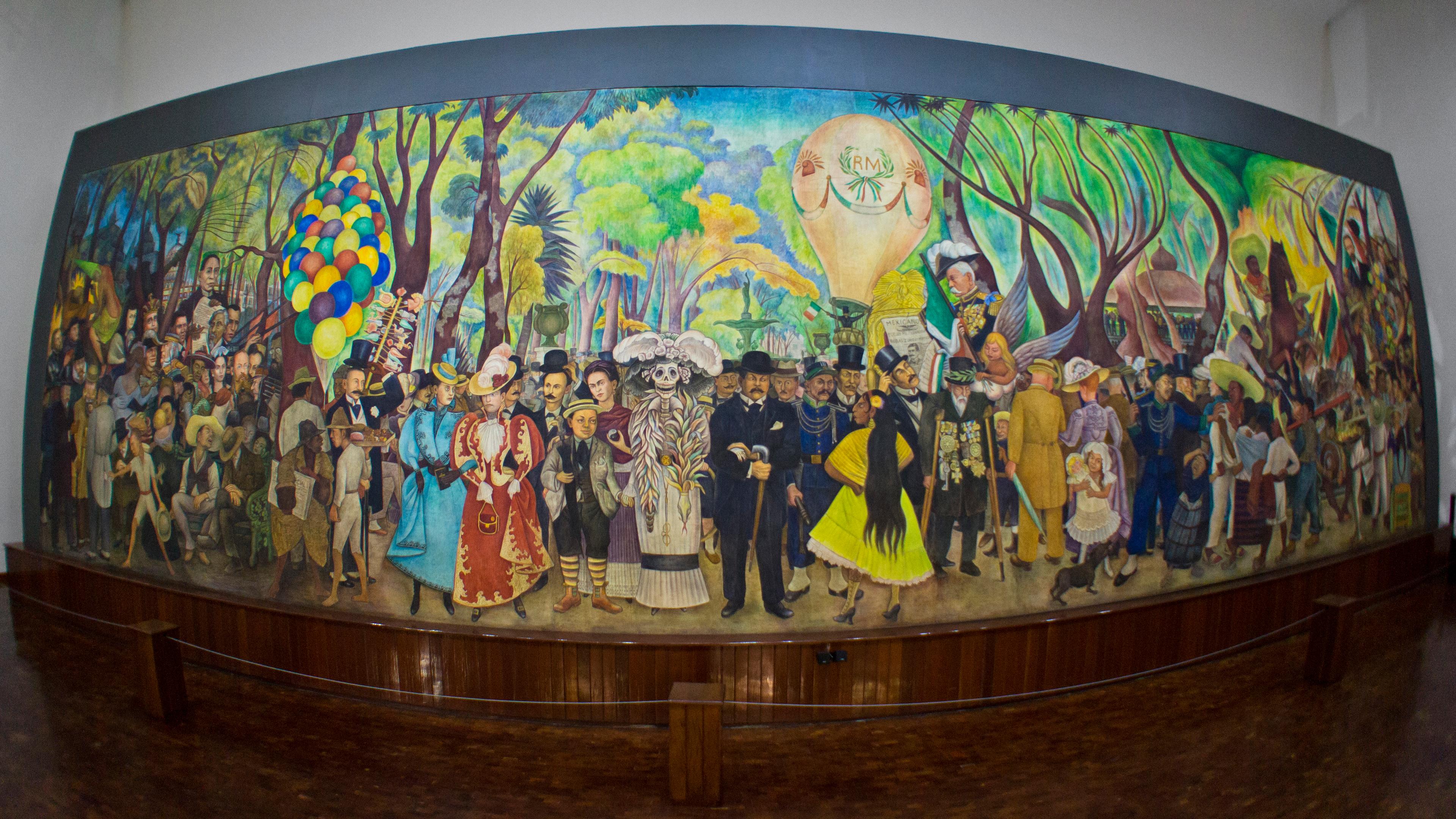
Diego Rivera didn’t just paint walls—he turned them into political manifestos. A central figure of Mexican muralism, he brought art out of elite spaces and into the streets, making history, labor, and identity visible at a monumental scale.
Think of Rivera as the artist who made public art truly public. His murals are cinematic, immersive, and unapologetically ideological—blending Marxism, Mexican heritage, and industrial modernity into one visual language.
Rivera makes you realize something simple but powerful:
art isn’t just something you look at—it’s something that can shape how a society sees itself.
Diego Rivera reshaped the art of the twentieth century by making the fresco mural a vehicle for revolutionary politics and Mexican identity, painting monumental narratives of labour, history, and indigenous culture across the walls of public buildings.
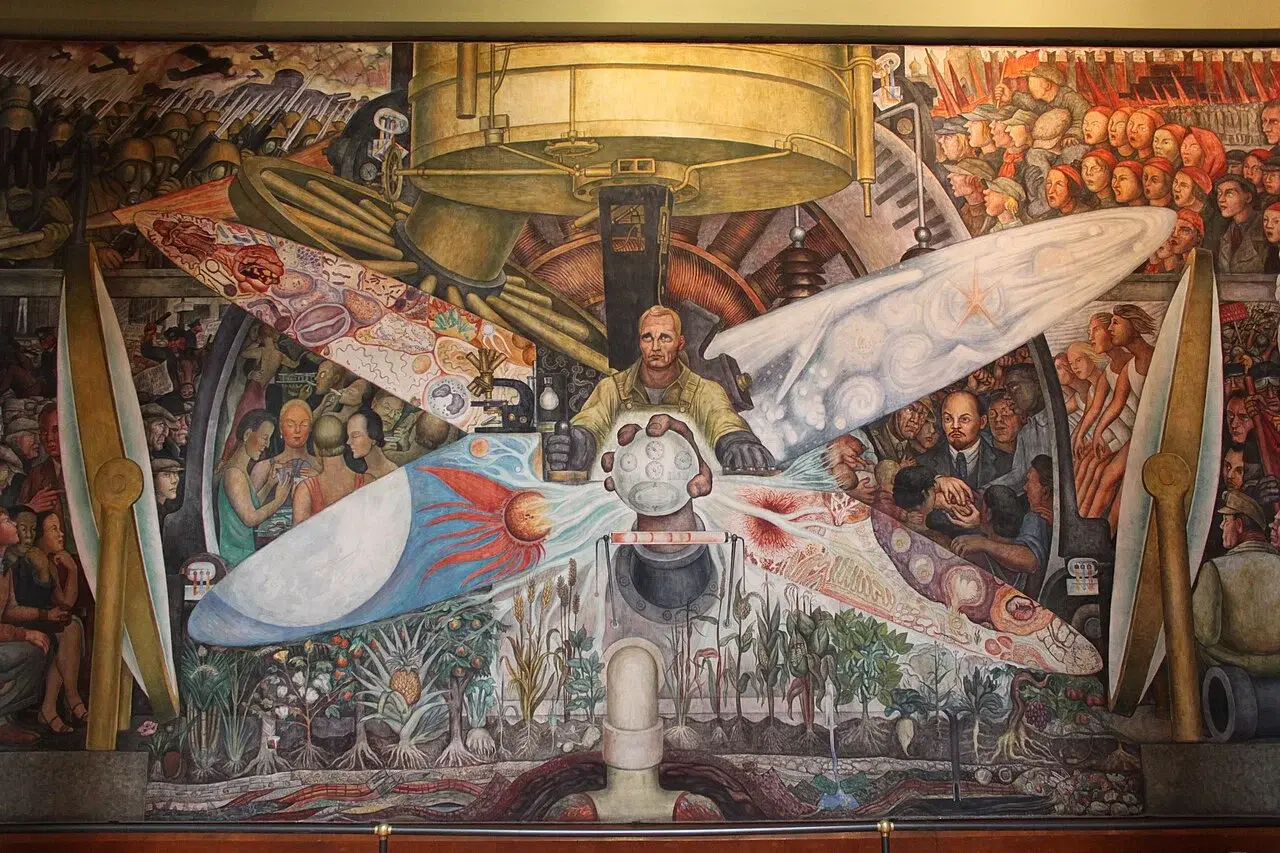
Rivera was commissioned for Rockefeller Center in New York… then his mural was destroyed because he included Lenin.
Same patron, same wall, totally different ideology clash.
Plan your visit — these exhibitions are on view now.
Don’t stop here