Édouard Manet
- 1832 – 1883
- French
- Impressionism, Modernism, Realism
A brief story
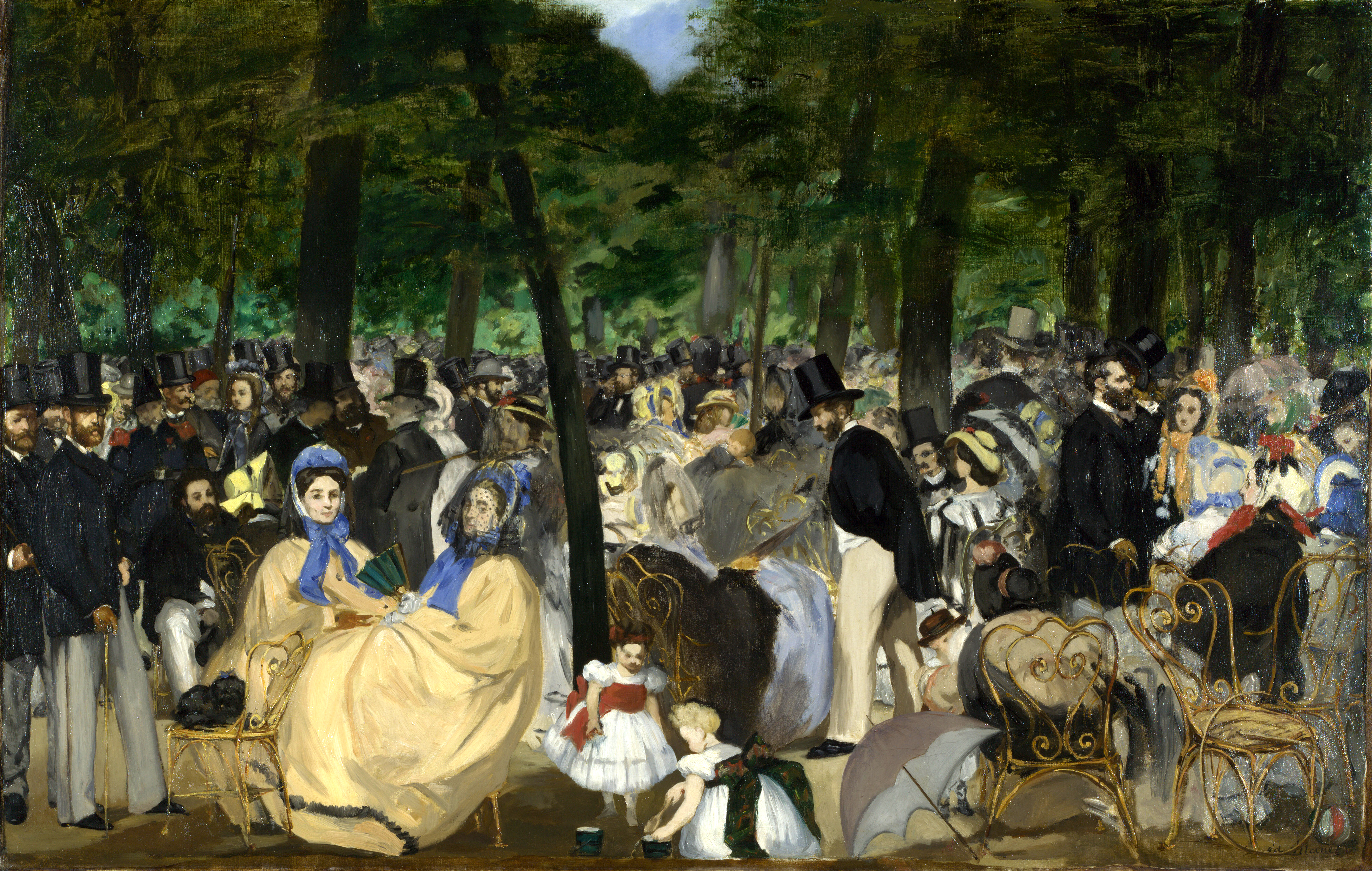
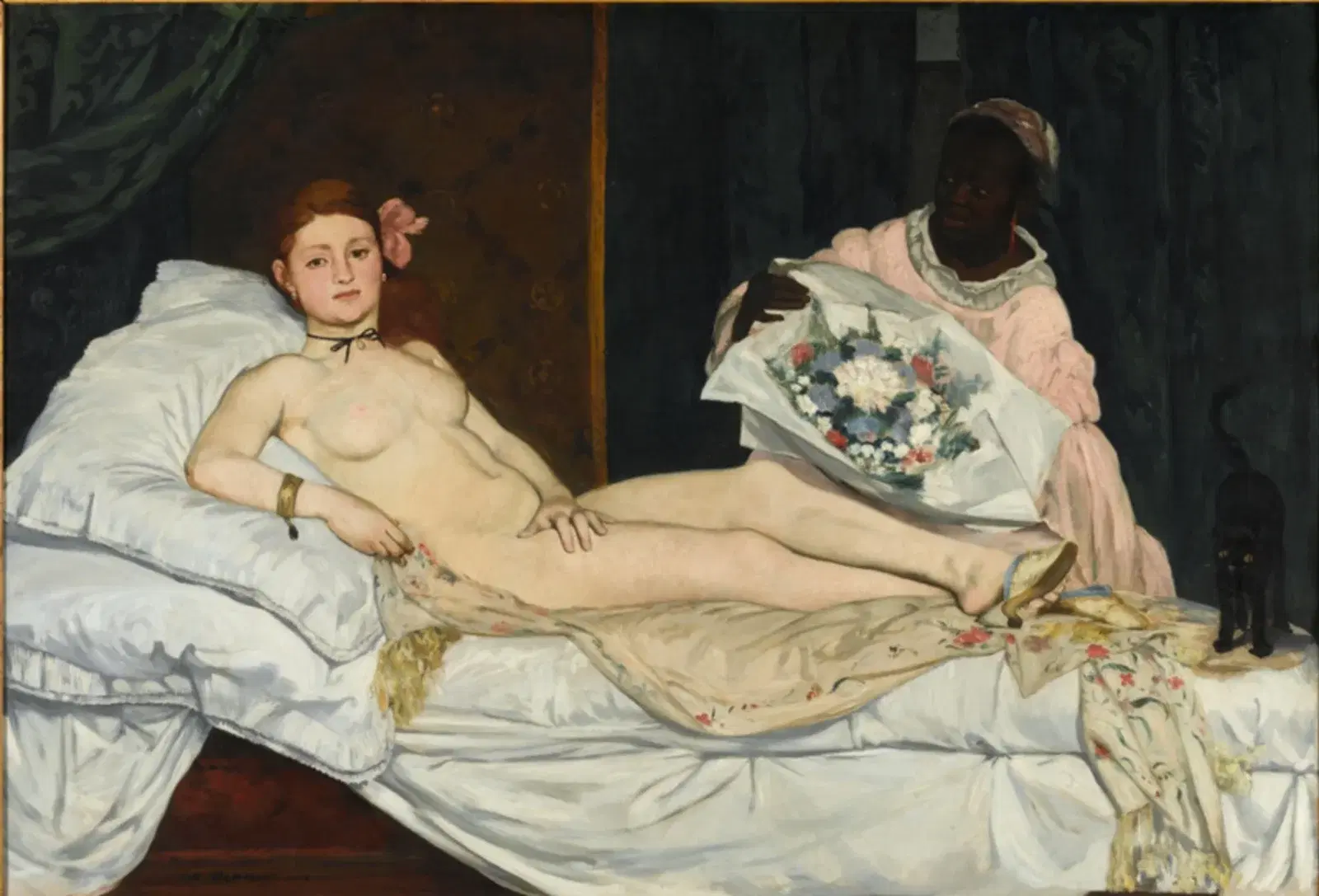
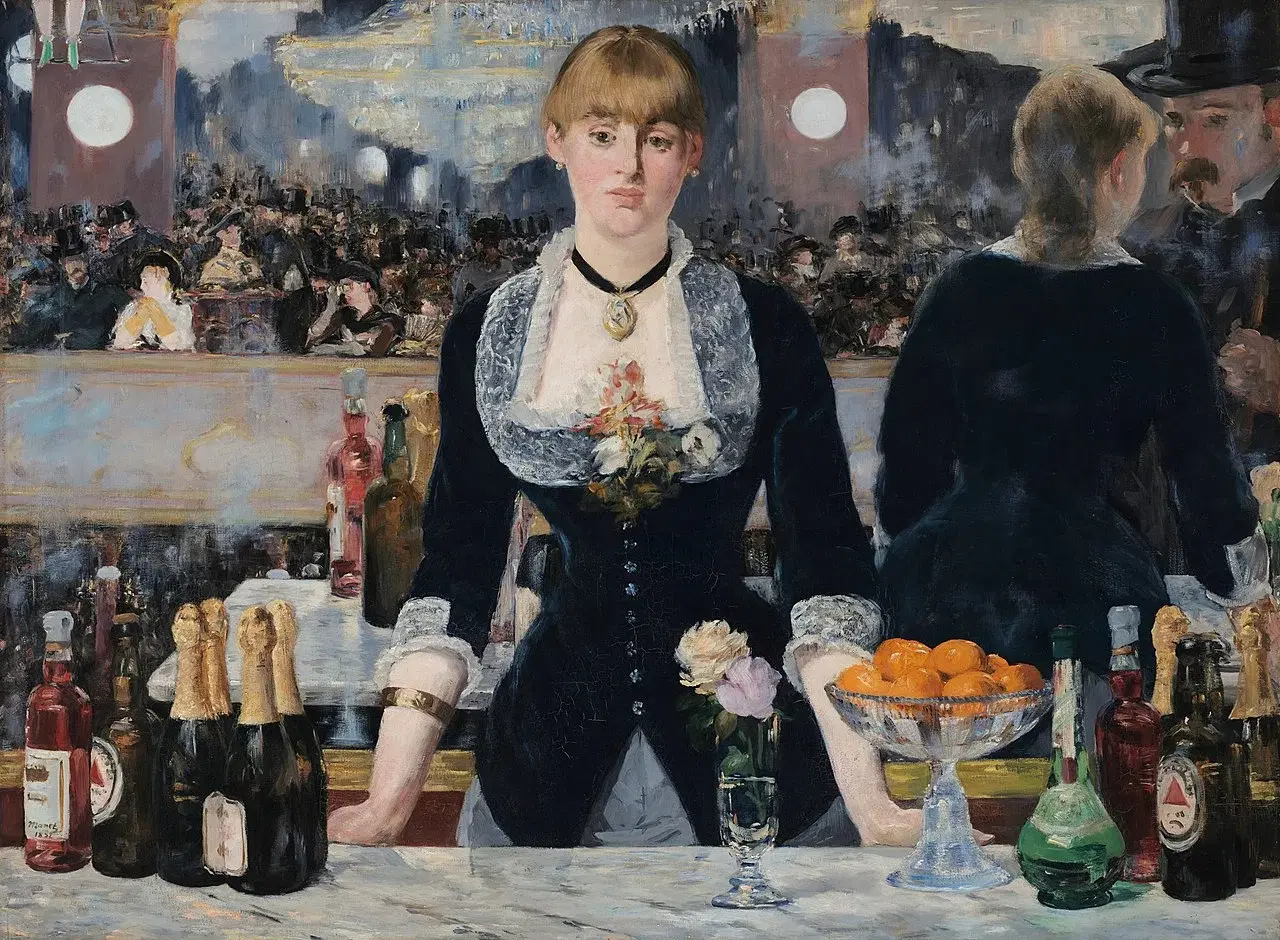
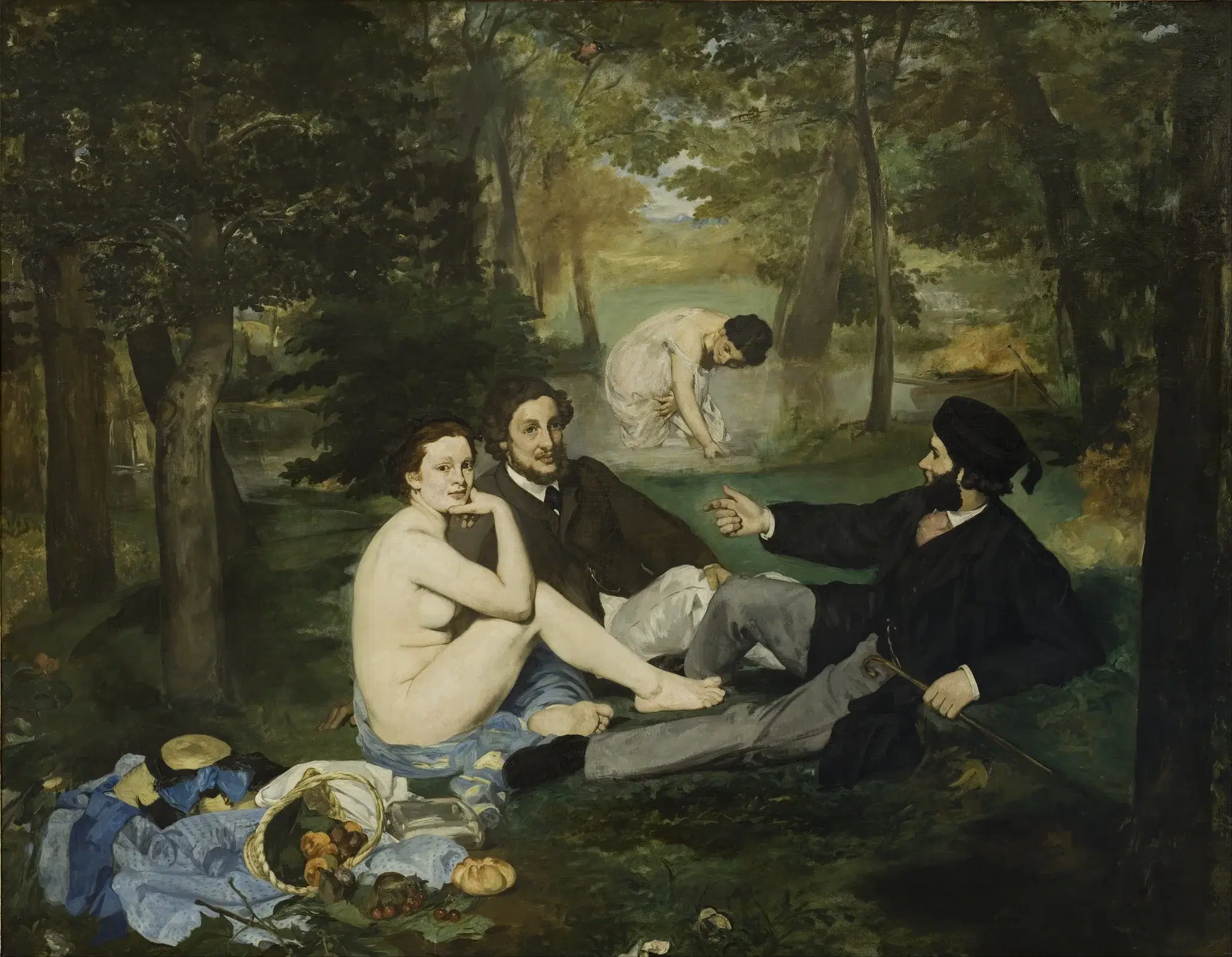
Édouard Manet was born in Paris in 1832 into a prosperous bourgeois family. Against his father's wishes for a legal career, he pursued painting, studying under Thomas Couture for six years before striking out on his own path informed by deep admiration for the Old Masters, particularly Velázquez, Hals, and Titian, whose works he studied during travels to the Netherlands, Germany, and Italy.\n\nManet became the central provocateur of mid-nineteenth-century French art. Works such as Le Déjeuner sur l'herbe (1863) and Olympia (1865) scandalized the Salon and the public not through their subject matter alone, but through their radical flatness of tone, loose brushwork, and confrontational directness. By depicting modern Parisian life with the visual vocabulary of the Old Masters stripped of academic polish, he dismantled the conventions that separated high art from everyday experience.\n\nThough he never exhibited with the Impressionists and resisted the label, Manet was the movement's spiritual godfather. In his final decade, influenced by the younger painters around him — particularly Berthe Morisot, who became his sister-in-law — he embraced a lighter palette and looser touch, producing luminous plein-air canvases and pastels. He died in Paris in 1883, weeks after the amputation of a leg lost to locomotor ataxia, leaving a body of work that bridged Realism and Impressionism and set the terms for virtually all modern painting that followed.
Did you know?
The rebellious Parisian whose scandalous realism and radical brushwork made him the reluctant father of Impressionism and the first undeniably modern painter.
Don’t stop here