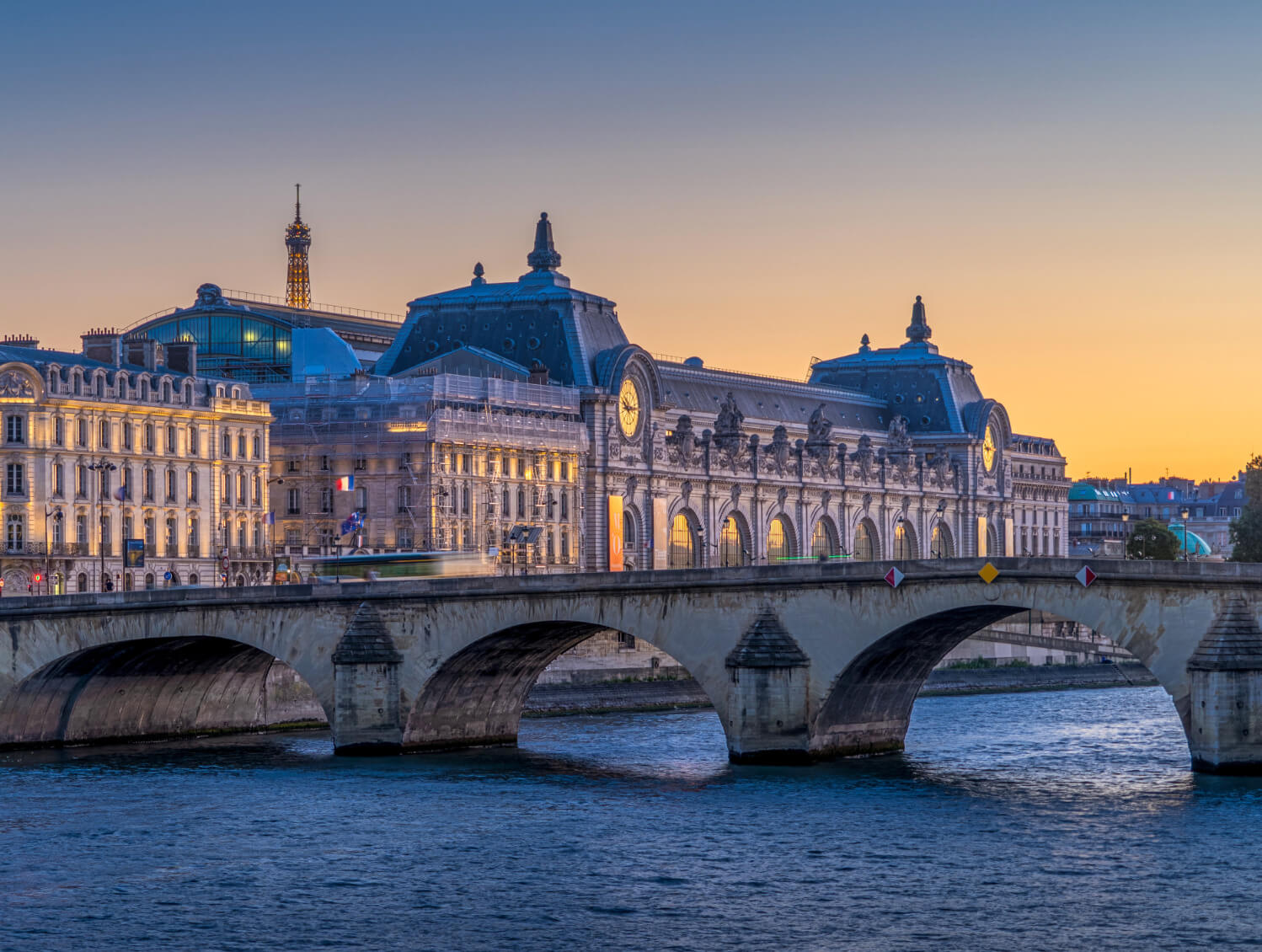
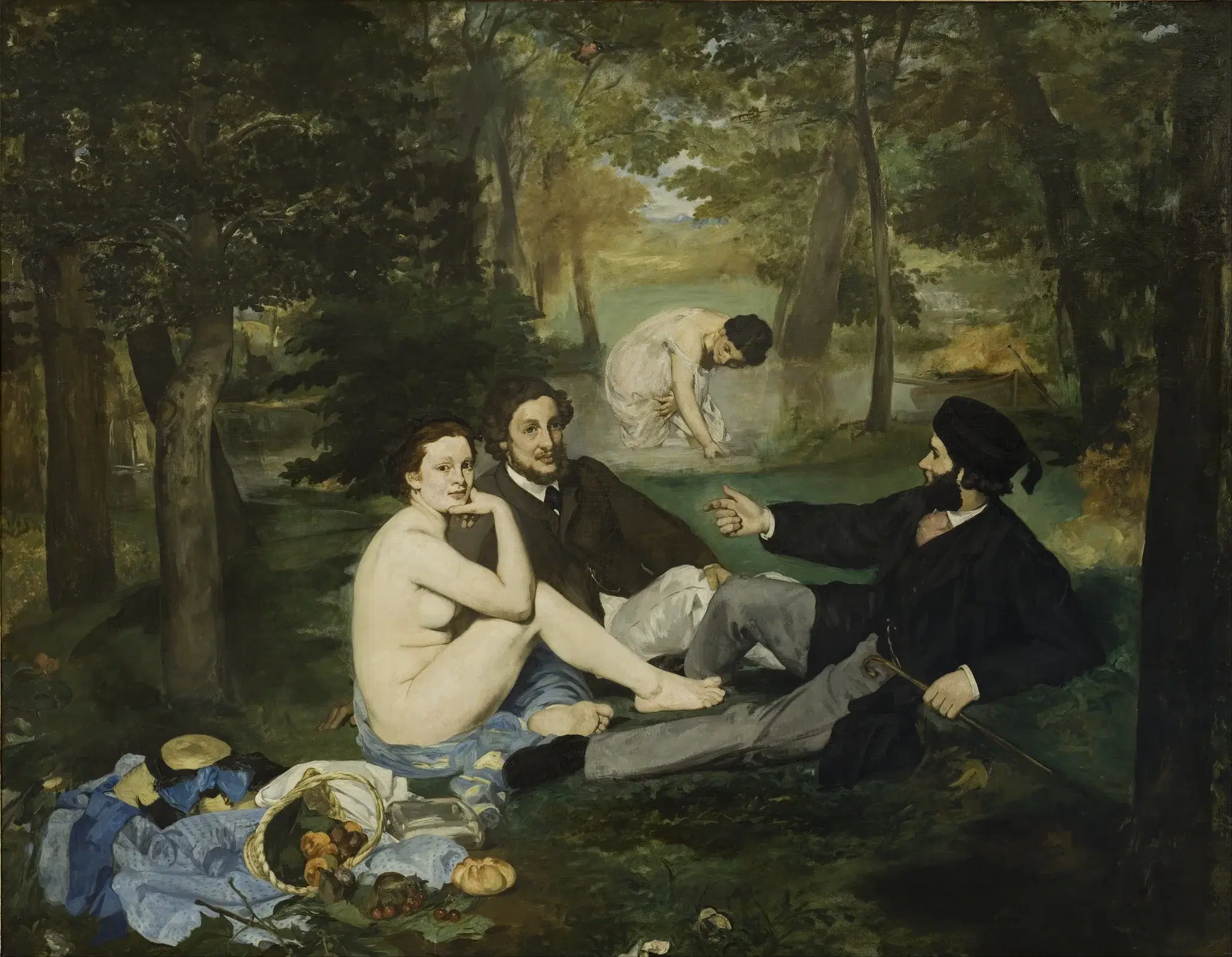
The Luncheon on the Grass
#28
Meet the artist
ÉÉdouard Manet1832–1883French
Dates
1862–1863
Specifications
- Original title
- Le Déjeuner sur l'herbe
- Dimensions
- 208 × 264.5 cm
Wikimedia Commons
About the Artwork
Édouard Manet's "Le Déjeuner sur l'herbe" (The Luncheon on the Grass), originally titled "Le Bain" (The Bath), is a provocative oil painting created in 1862 and 1863 that depicts a nude woman casually picnicking with two fully dressed men in a rural setting. A scantily clad woman bathes in a stream in the background. Rejected by the official Salon of 1863, it became a centerpiece of the Salon des Refusés, an exhibition of works rejected by the jury. This event marked a pivotal moment in art history, signaling a shift away from academic traditions and towards more modern and independent artistic expressions. The painting’s controversial subject matter and unconventional style ignited intense public debate and helped to establish Manet as a leading figure in the avant-garde movement.
Manet's artistic techniques in "Le Déjeuner sur l'herbe" were revolutionary for their time. He deliberately employed a large canvas size, traditionally reserved for historical or mythological subjects, to depict an everyday scene, challenging established hierarchies in art. His brushstrokes are visible and unblended, creating a sense of immediacy and breaking from the smooth, idealized forms favored by academic painters. The stark lighting and contrast between the figures, particularly the nude woman, further disrupted conventional artistic norms. Manet drew inspiration from Old Masters like Raphael and Giorgione, cleverly reinterpreting their compositions in a contemporary context, which both acknowledged and subverted artistic tradition.
"Le Déjeuner sur l'herbe" matters because it represents a critical turning point in the development of modern art. Its rejection of academic standards and its frank portrayal of contemporary life paved the way for future generations of artists to experiment with new forms of expression. The painting's themes of nudity, class, and social interaction continue to resonate with viewers today, prompting ongoing discussions about art, society, and the role of the artist. The direct gaze of the nude woman challenges the viewer, inviting introspection and questioning conventional perspectives. Now housed in the Musée d'Orsay in Paris, with a smaller, earlier version in the Courtauld Gallery, London, "Le Déjeuner sur l'herbe" remains an iconic symbol of artistic innovation and a testament to the power of art to challenge and provoke.
How to experience it
notice the odd spatial construction and the modern setting
Don’t stop here
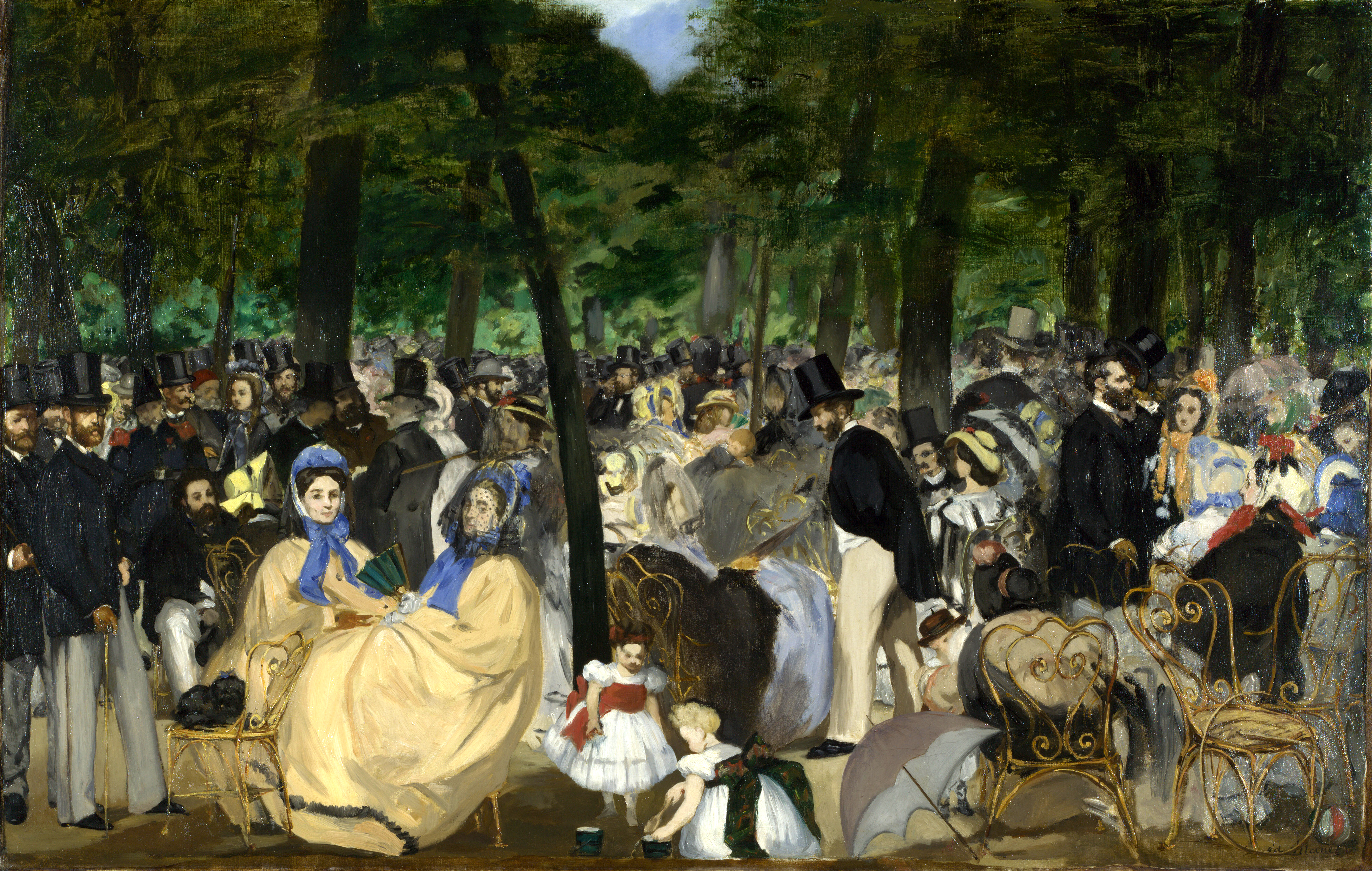
More to explore by Édouard Manet
Same feeling, different artists
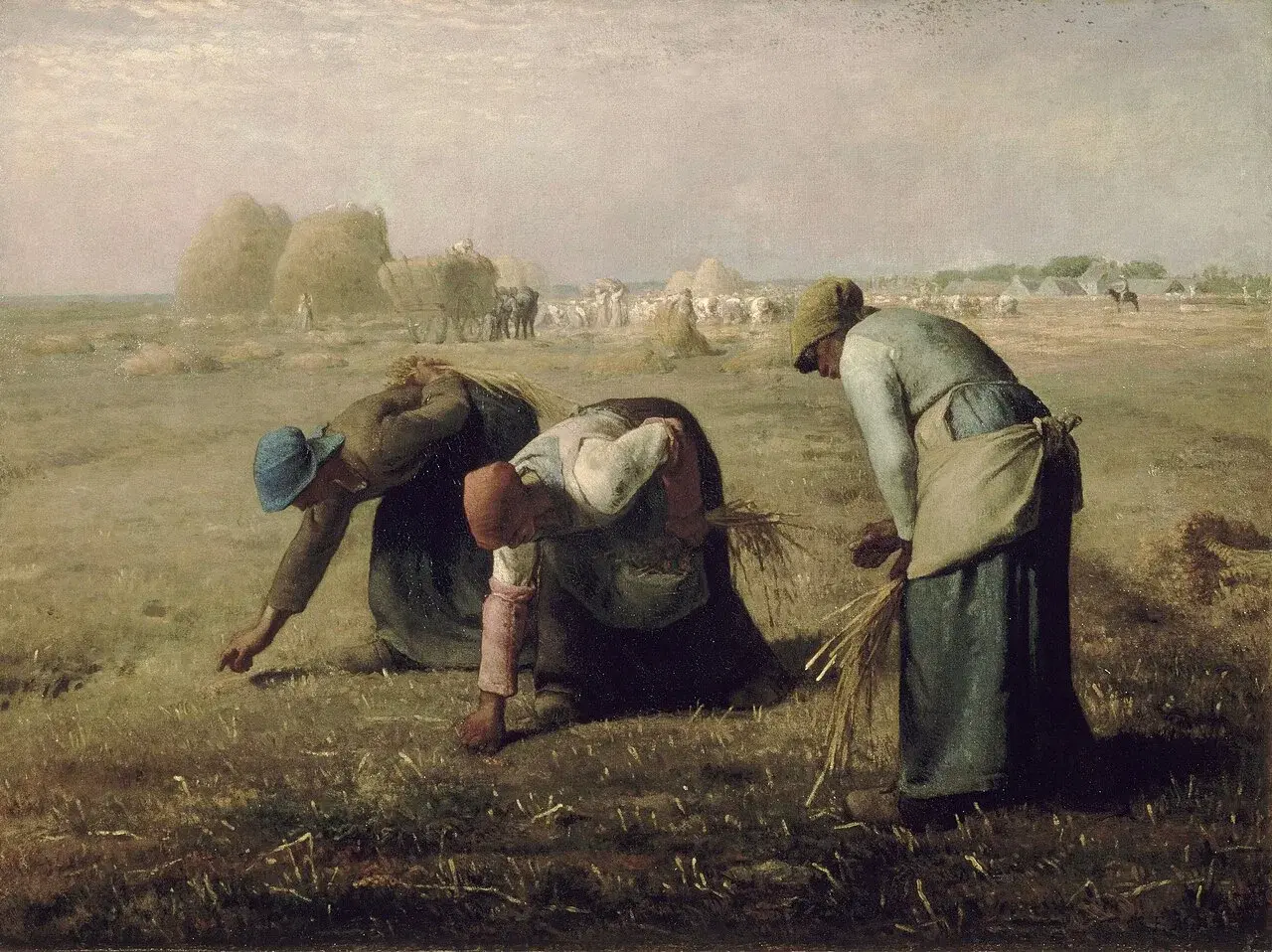
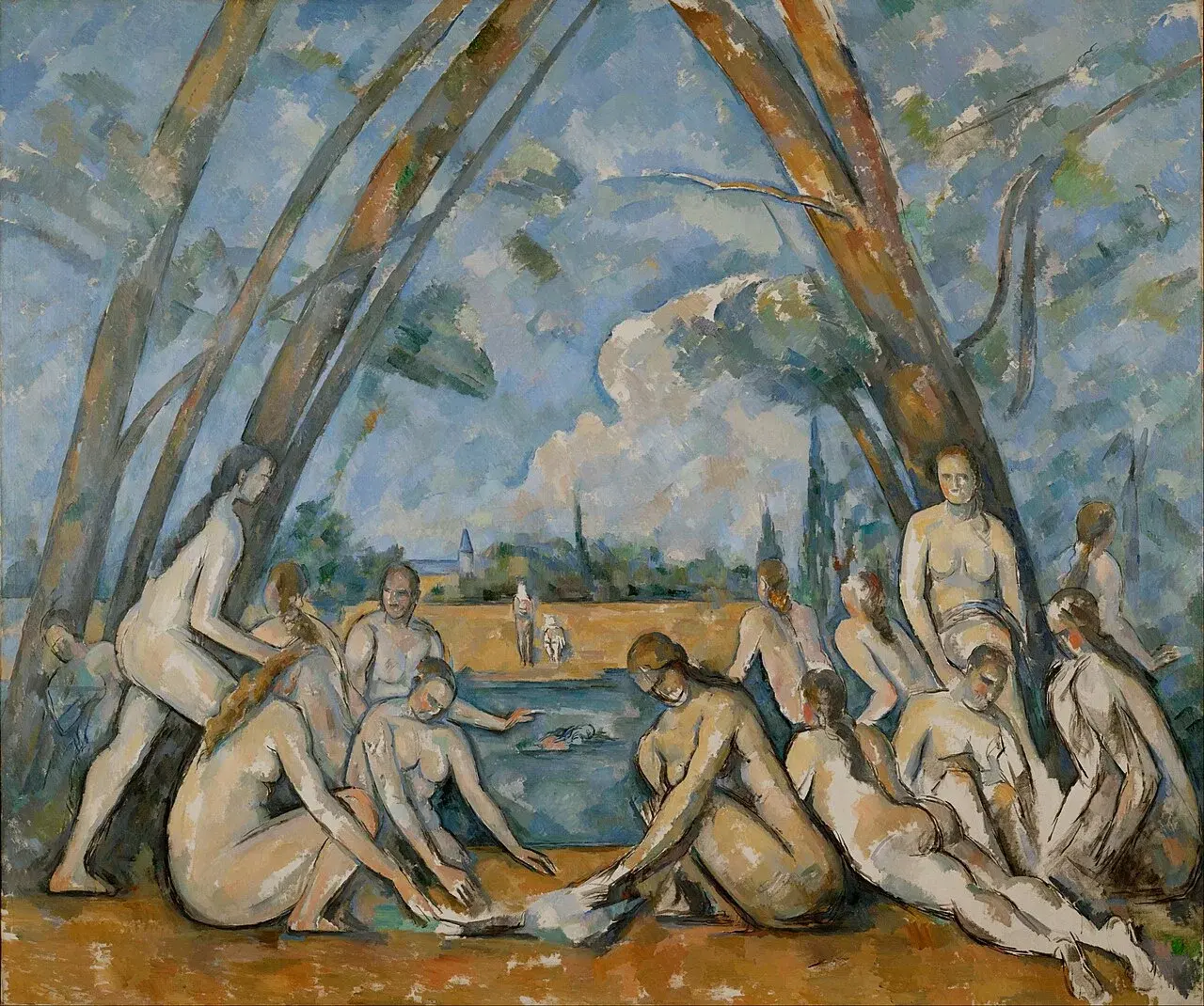
Similar Works by Other Artists
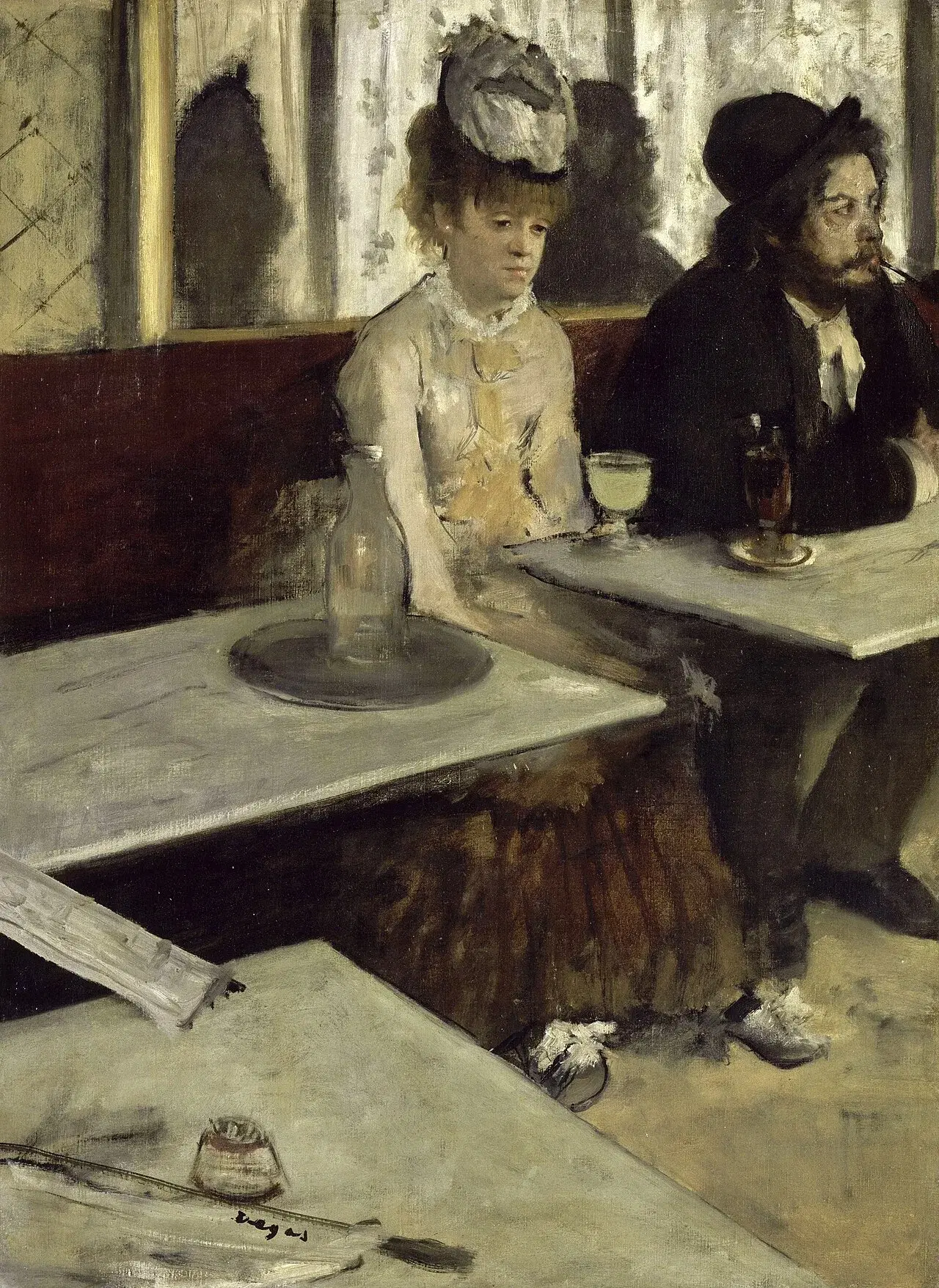
Keep exploring
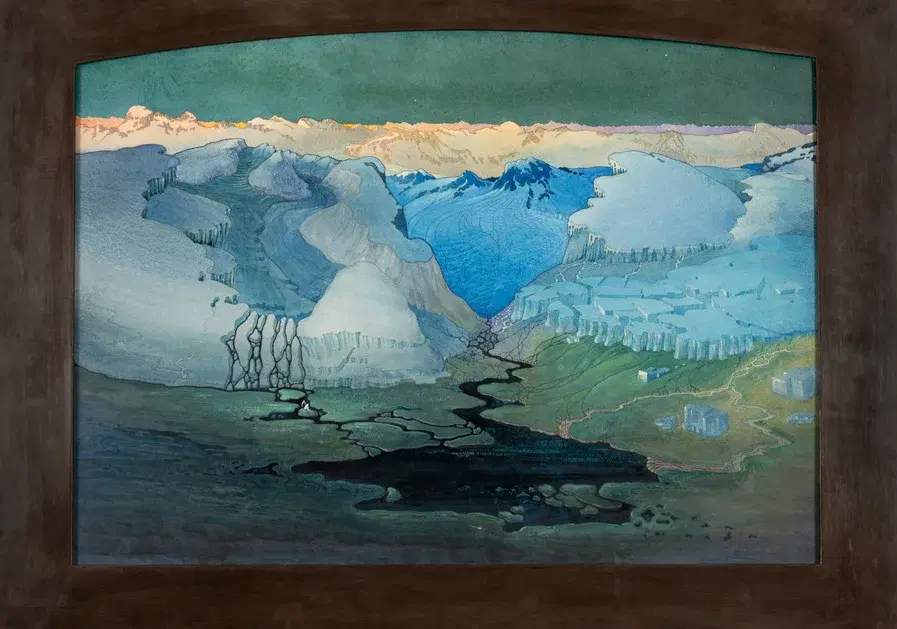
Ends soon
Northern Light
Musée d’Orsay
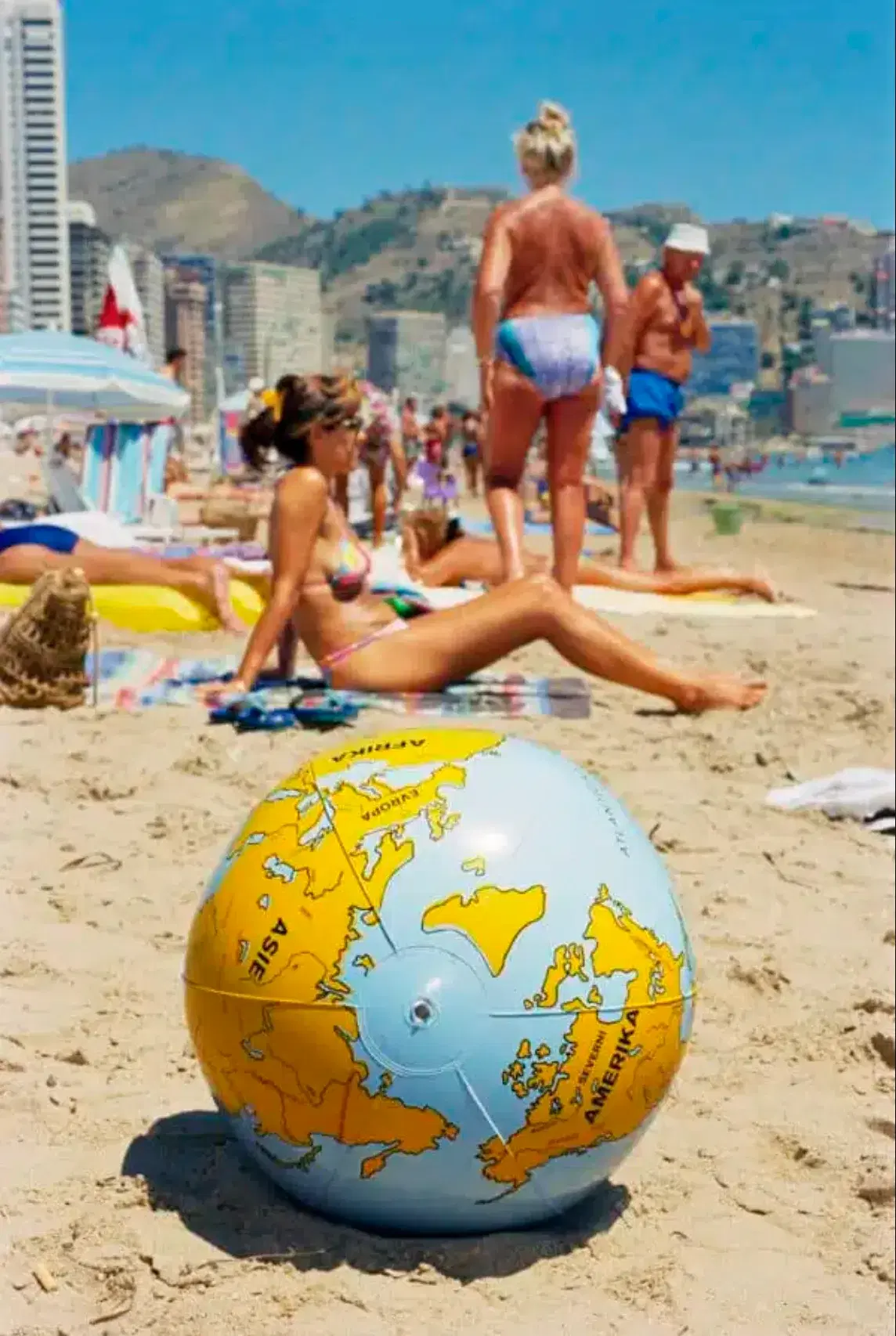
Martin Parr. Global warning
30 Jan – 24 May 2026
Jeu de Paume
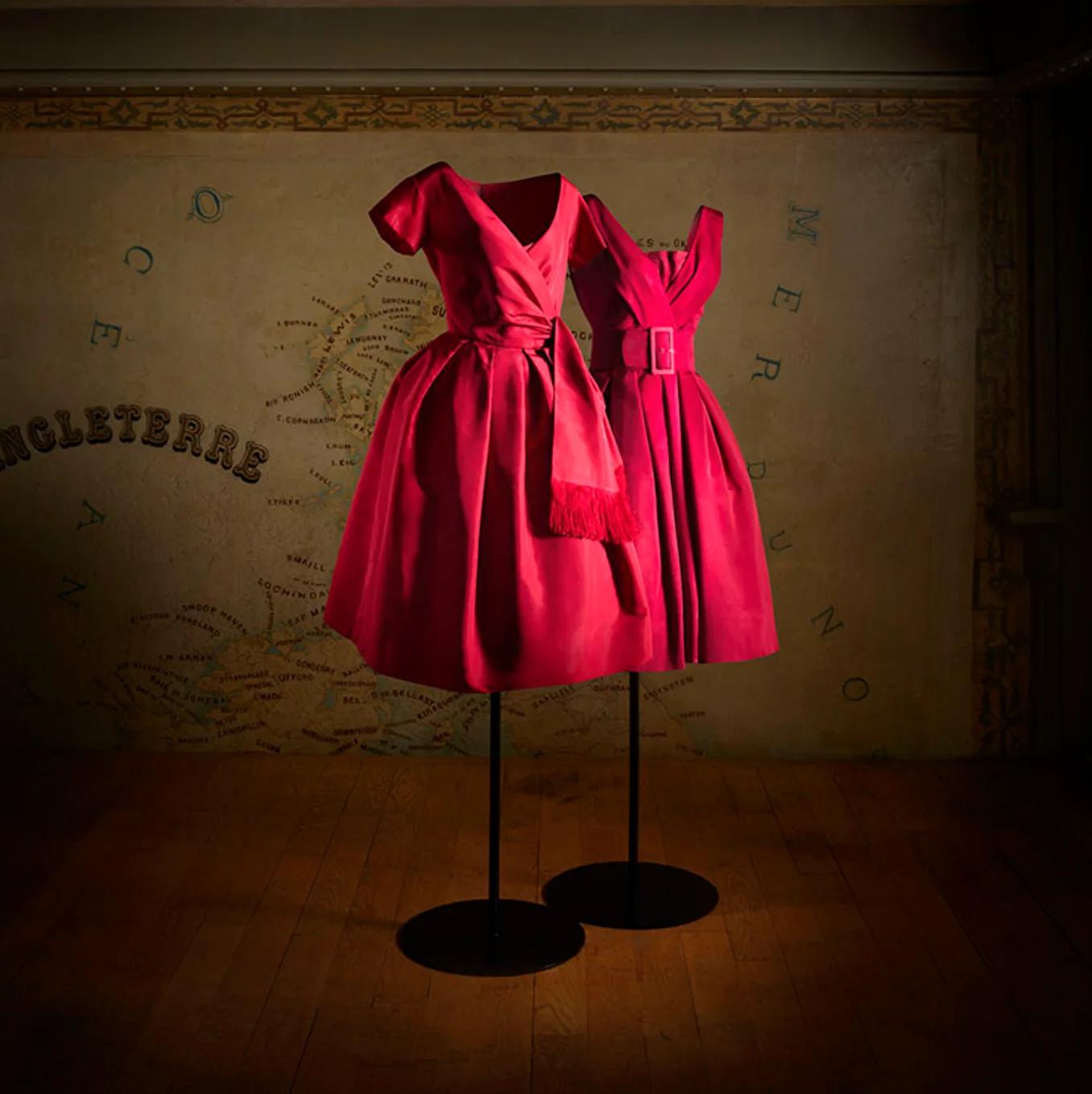
Azzedine Alaïa and Christian Dior, two masters of haute couture
12 Dec 2025 – 24 May 2026
Fondation Azzedine Alaïa

Dana Lixenberg. American Images
11 Feb – 24 May 2026
MEP – Maison Européenne de la Photographie
Paul McCarthy
21 Mar – 30 May 2026
Hauser & Wirth Paris
Sebastião Salgado
21 Feb – 30 May 2026
Hôtel de Ville

Nan Goldin
18 Mar – 21 Jun 2026
Grand Palais Paris
Renoir Drawings
17 Mar – 5 Jul 2026
Musée d’Orsay
Martin Schongauer
8 Apr – 20 Jul 2026
Louvre Museum
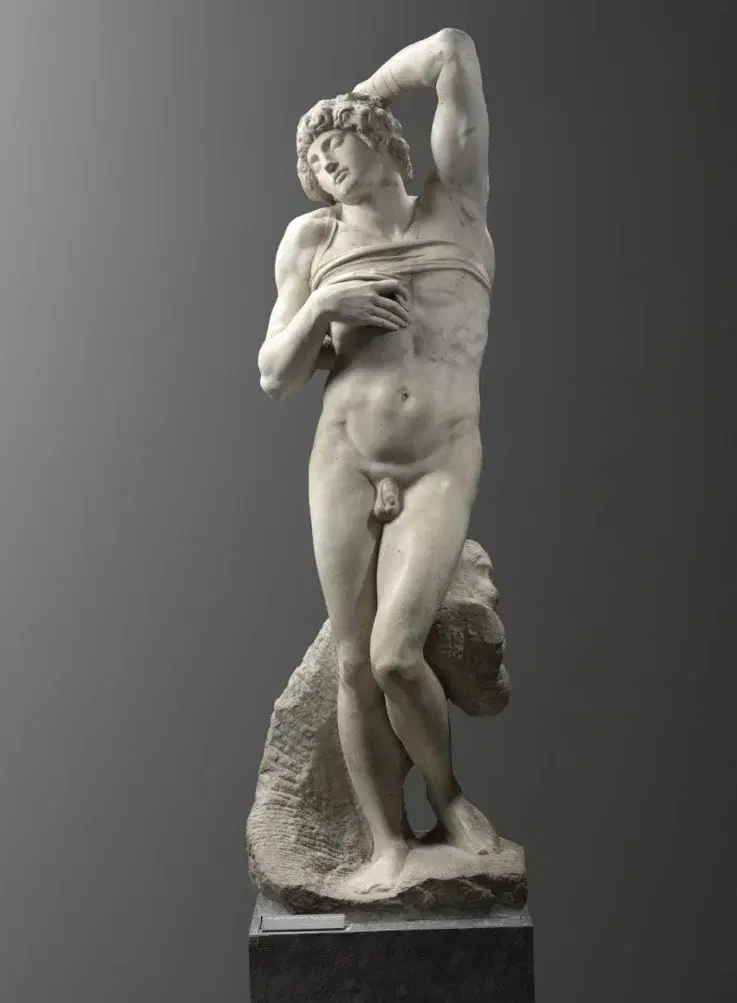
Michelangelo and Rodin
15 Apr – 20 Jul 2026
Louvre Museum