Olympia
About the Artwork
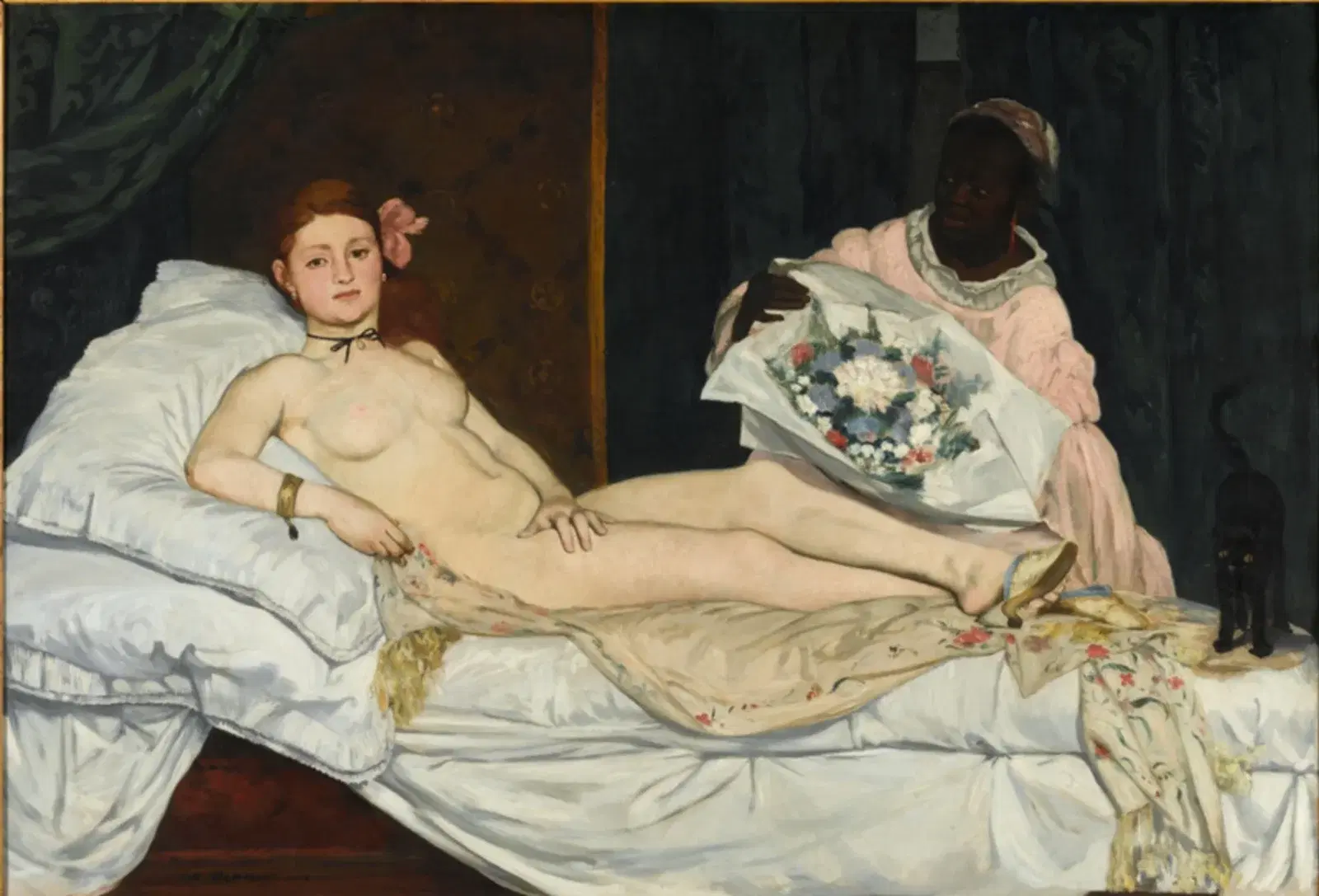
Édouard Manet's "Olympia," painted in 1863, is a groundbreaking work that redefined the art world's perception of the female nude. The painting depicts a nude woman, Olympia, reclining on a bed, attended by a black servant offering her flowers. Unlike idealized nudes of classical mythology, Olympia is a modern woman, a courtesan, whose gaze is direct and unapologetic, confronting the viewer with a bold awareness. This unflinching portrayal caused a scandal when the painting was first exhibited, challenging academic traditions and societal norms regarding sexuality and representation.
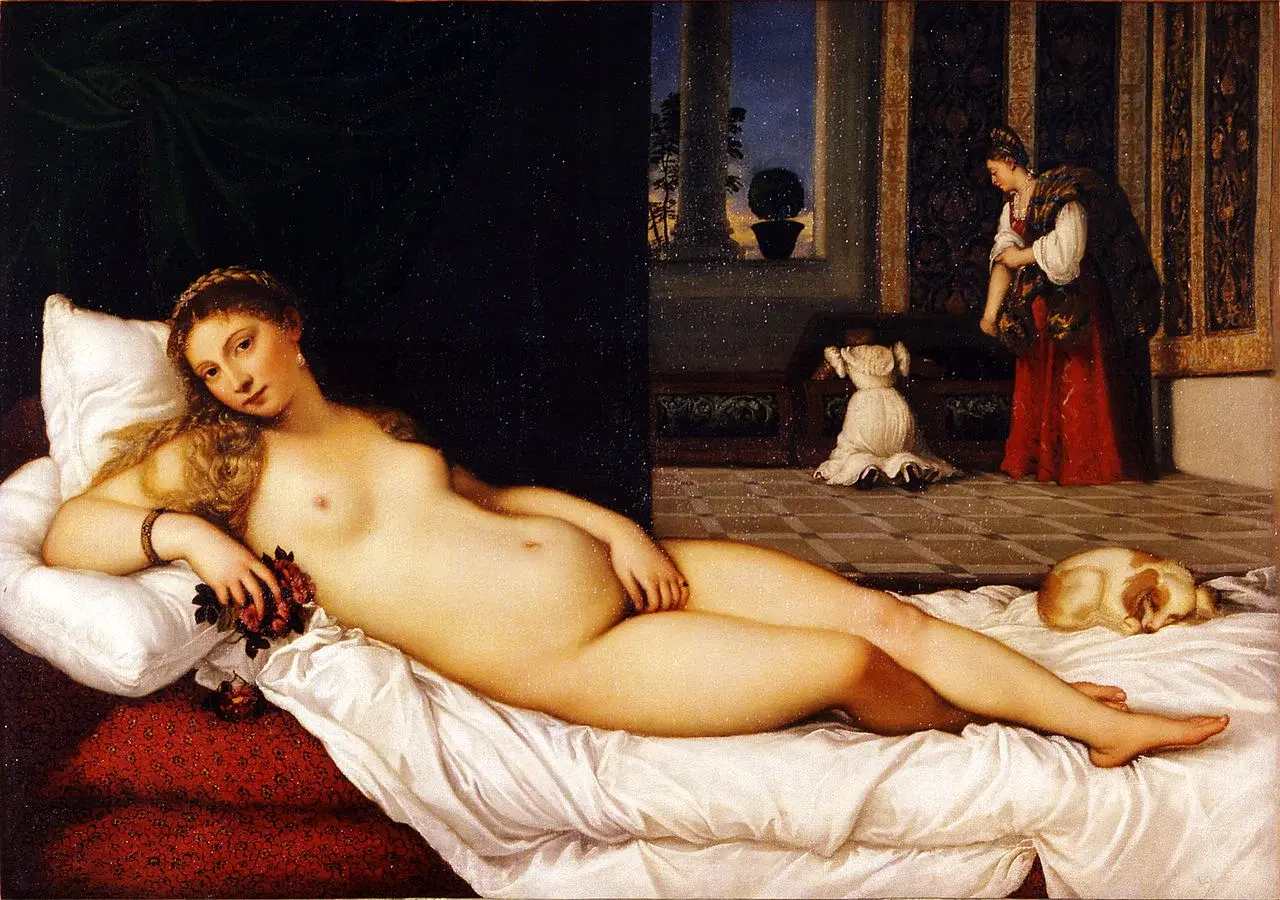
Manet's artistic techniques further contributed to the painting's controversial impact. He employed a flattened perspective, stark lighting, and visible brushstrokes, rejecting the smooth, polished finish of academic painting. This raw and immediate style emphasized the painting's modernity and realism. The composition also draws inspiration from Renaissance masterpieces such as Titian's "Venus of Urbino," but Manet subverts these classical references by placing a contemporary woman in the role of the nude, effectively disrupting established hierarchies and questioning artistic conventions.
"Olympia" matters because it marked a pivotal moment in the transition from Realism to Impressionism, influencing generations of artists who sought to break free from academic constraints and explore new ways of representing the world around them. The painting's provocative subject matter and innovative techniques continue to spark debate and inspire artists to challenge the status quo. By confronting viewers with a modern, unidealized female figure, Manet forced a re-evaluation of beauty, morality, and the power dynamics inherent in art.
How to experience it
watch the direct gaze and hard lighting
Don’t stop here
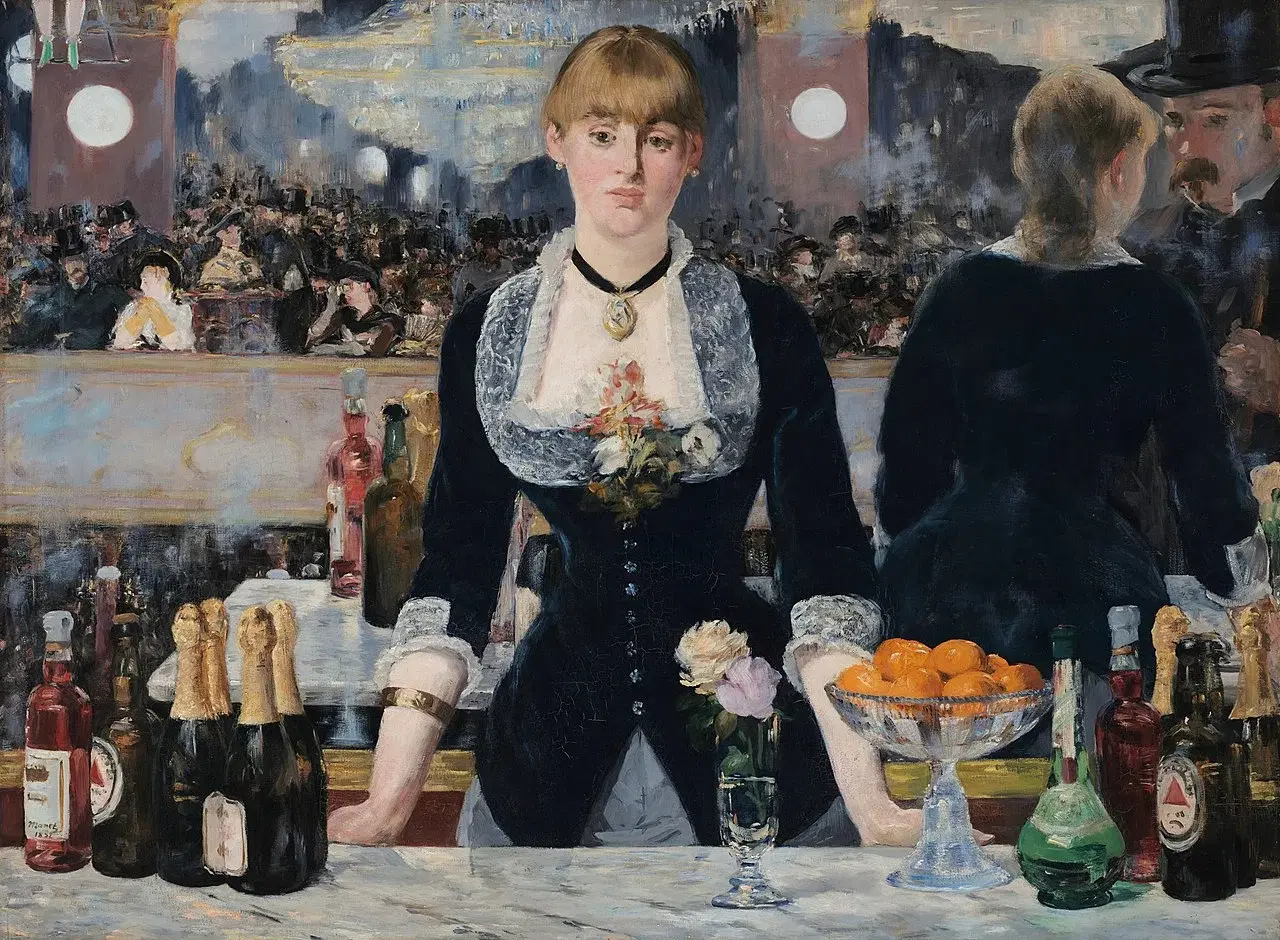
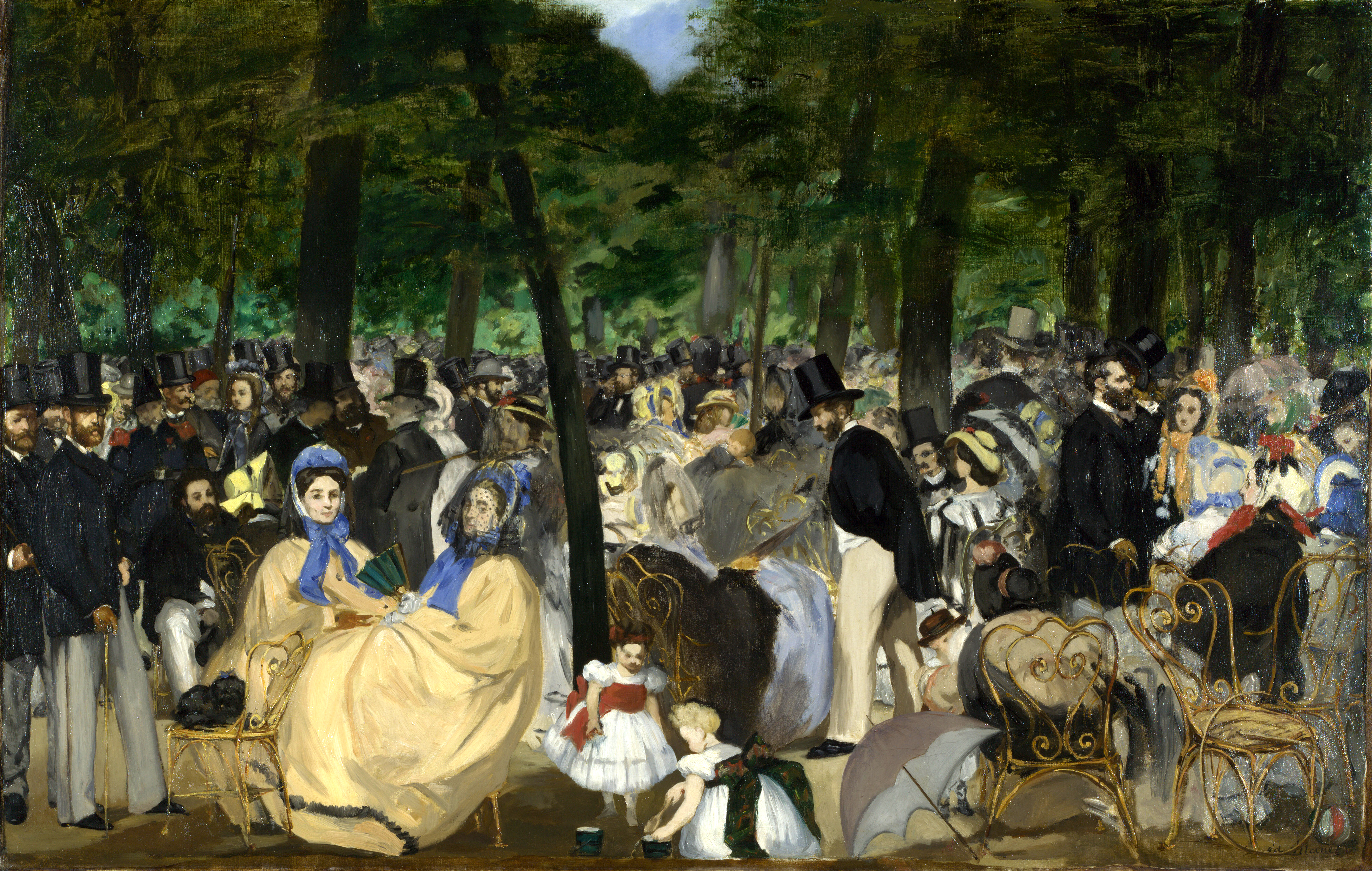
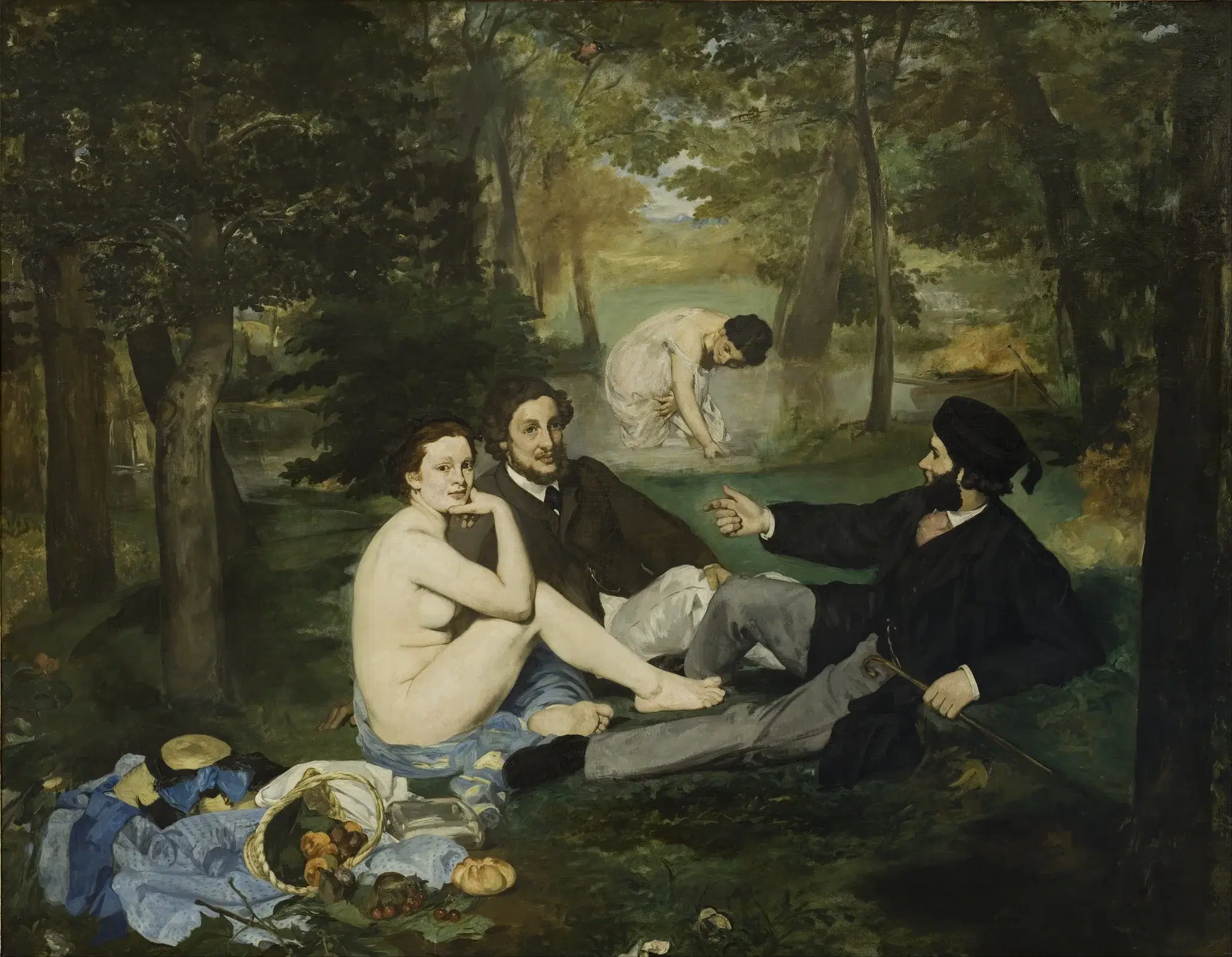
More to explore by Édouard Manet
Same feeling, different artists
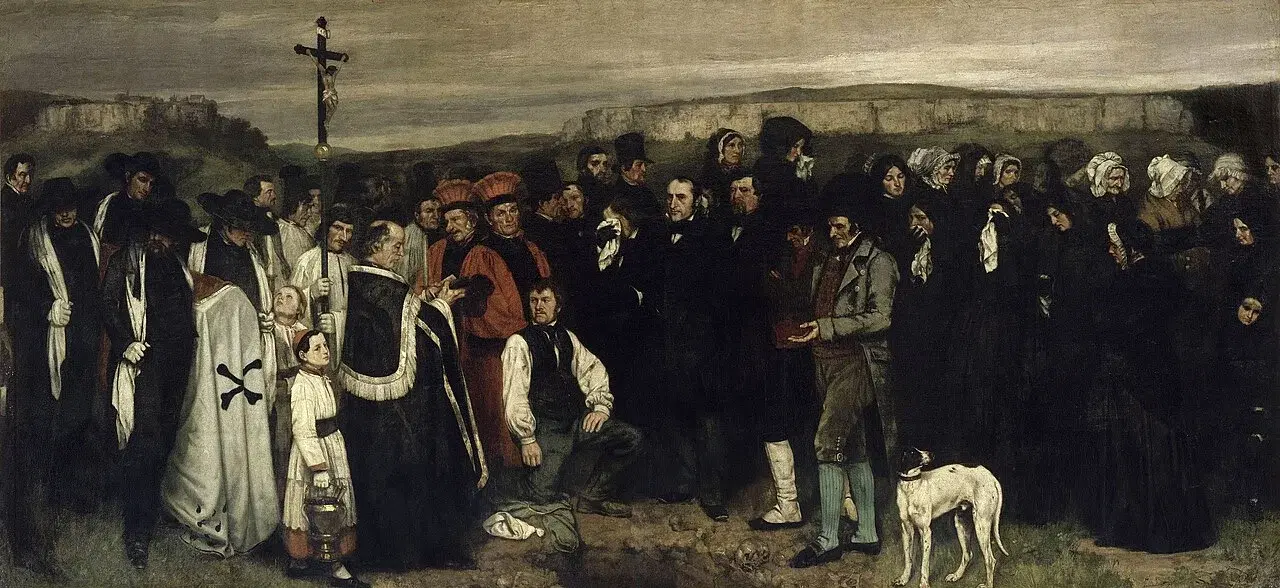
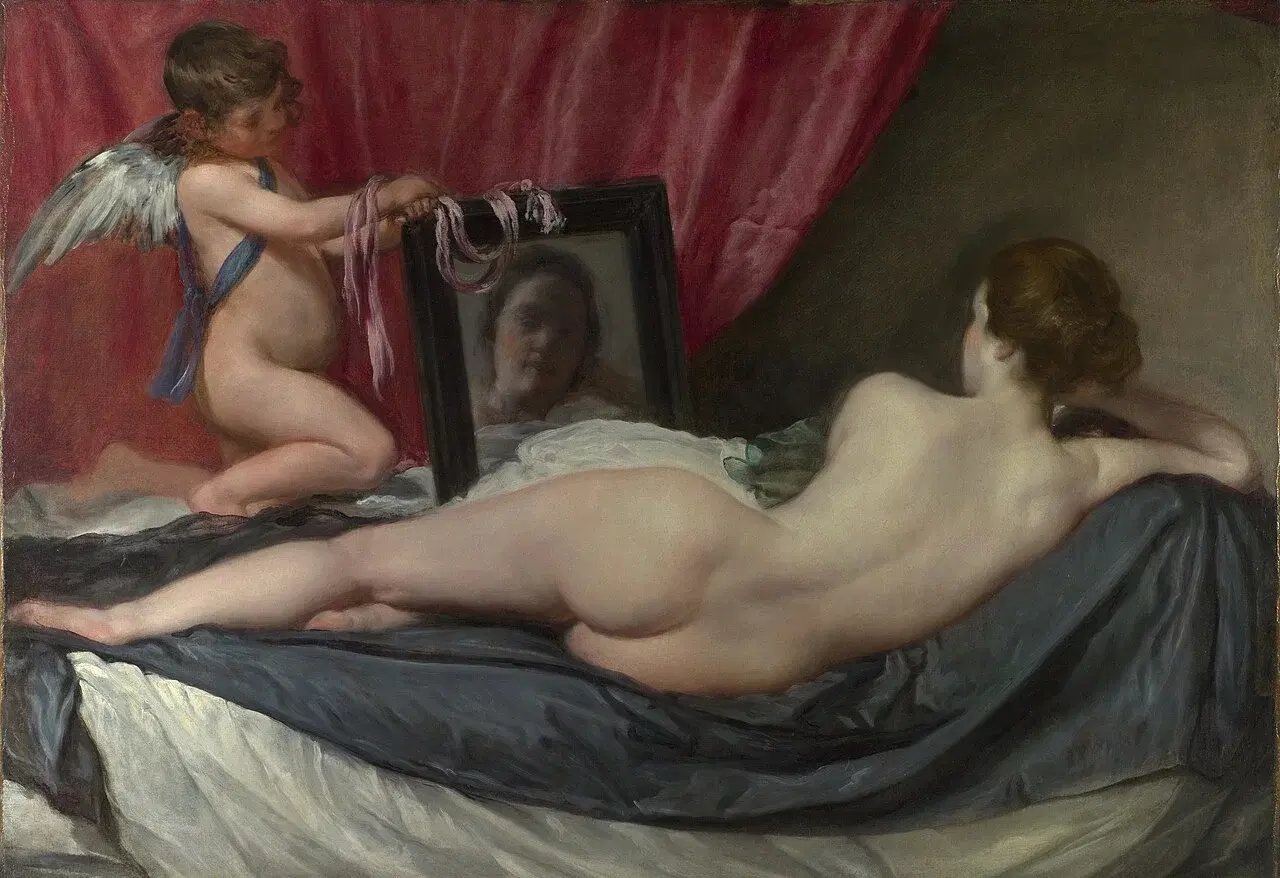
Similar Works by Other Artists
Keep exploring
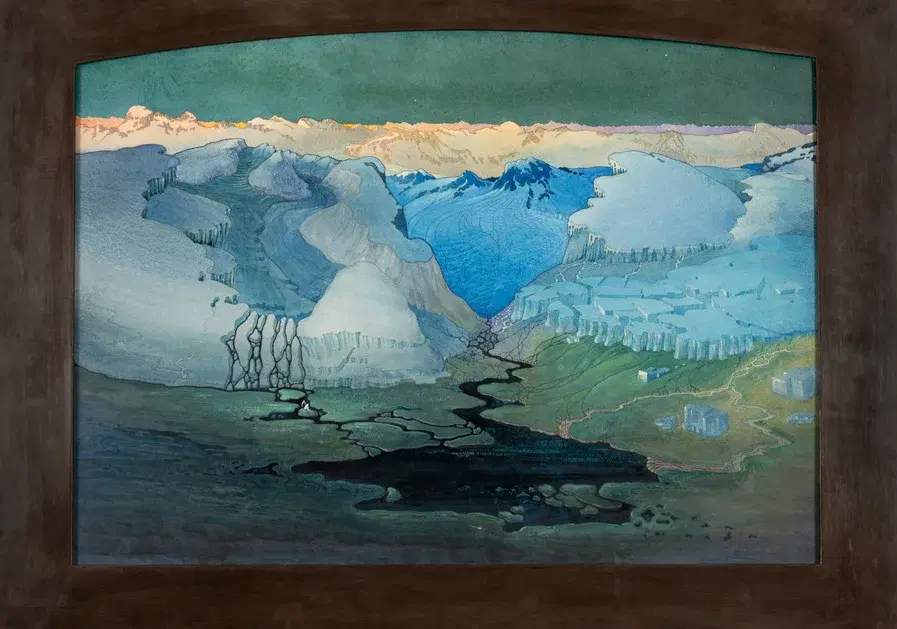
Ends soon
Northern Light
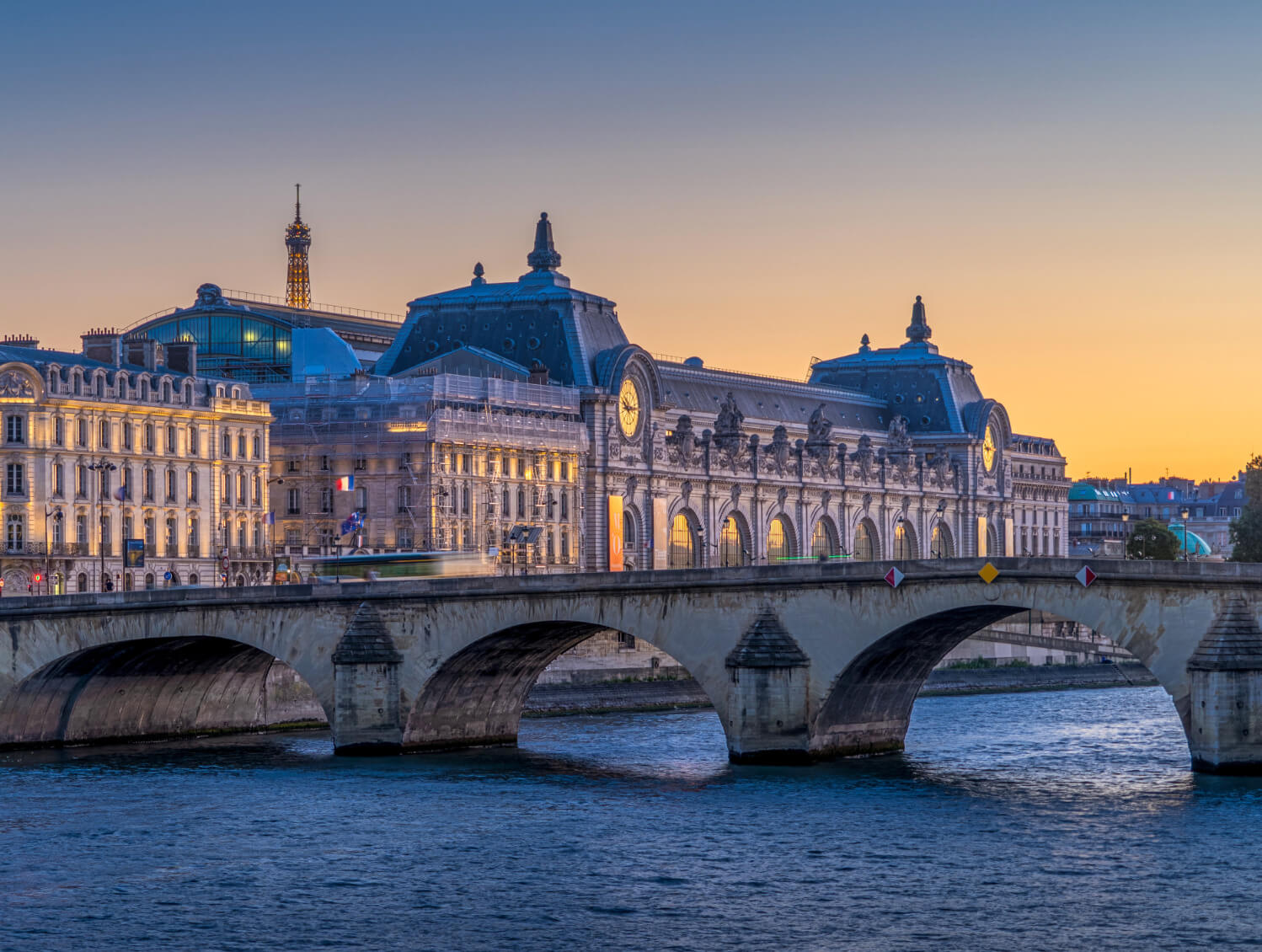
Musée d’Orsay
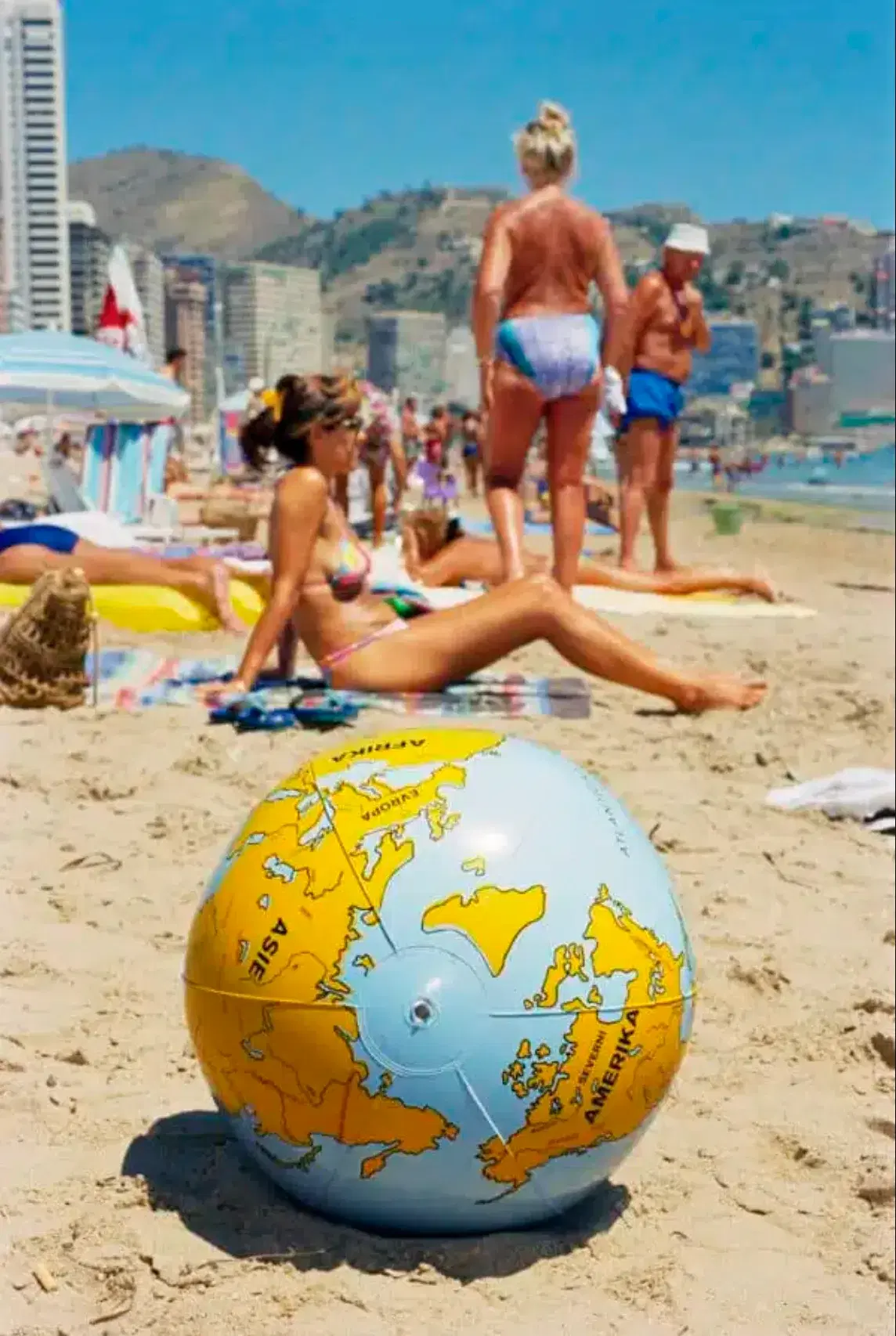
Martin Parr. Global warning
30 Jan – 24 May 2026
Jeu de Paume
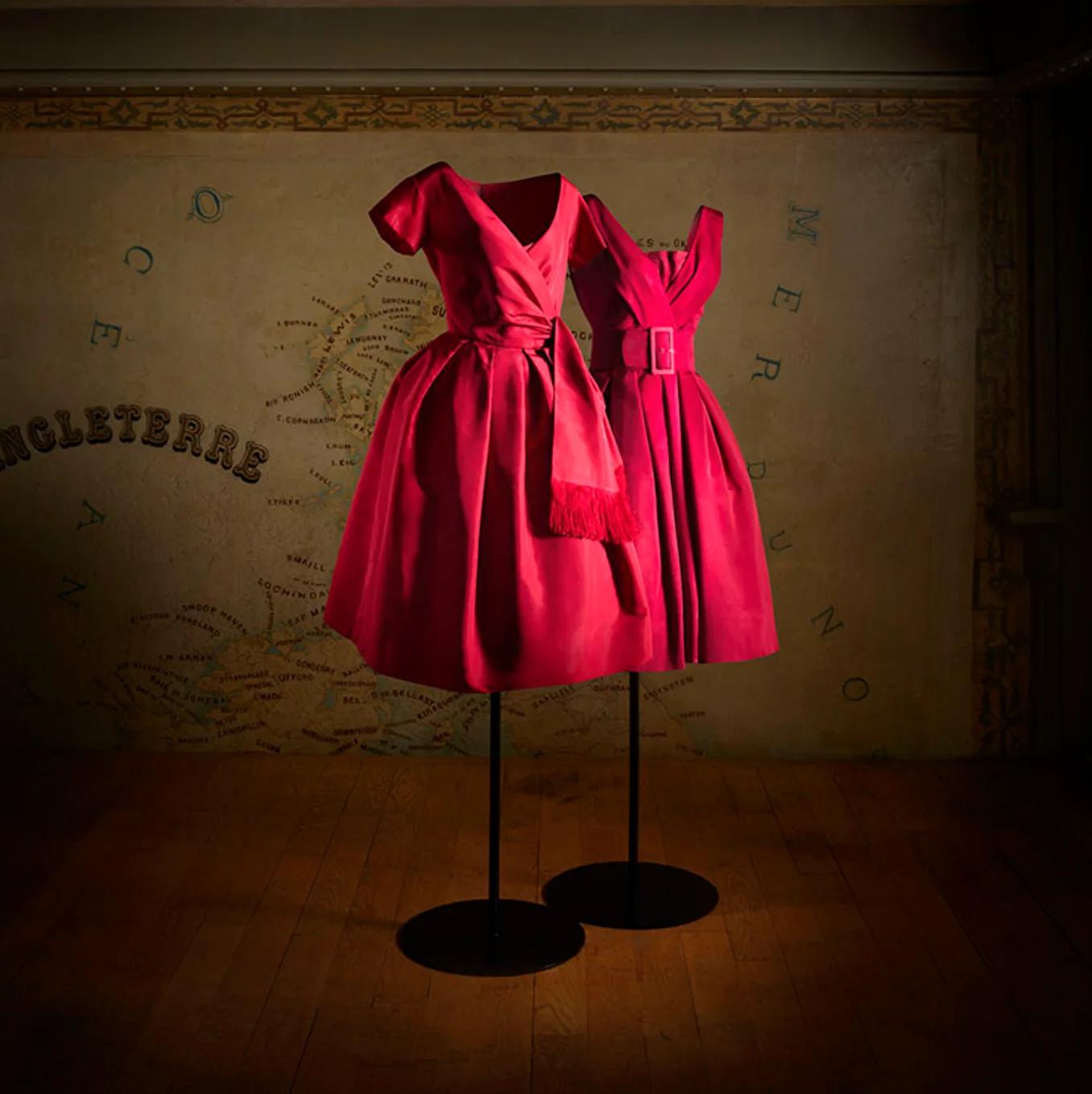
Azzedine Alaïa and Christian Dior, two masters of haute couture
12 Dec 2025 – 24 May 2026
Fondation Azzedine Alaïa

Dana Lixenberg. American Images
11 Feb – 24 May 2026
MEP – Maison Européenne de la Photographie
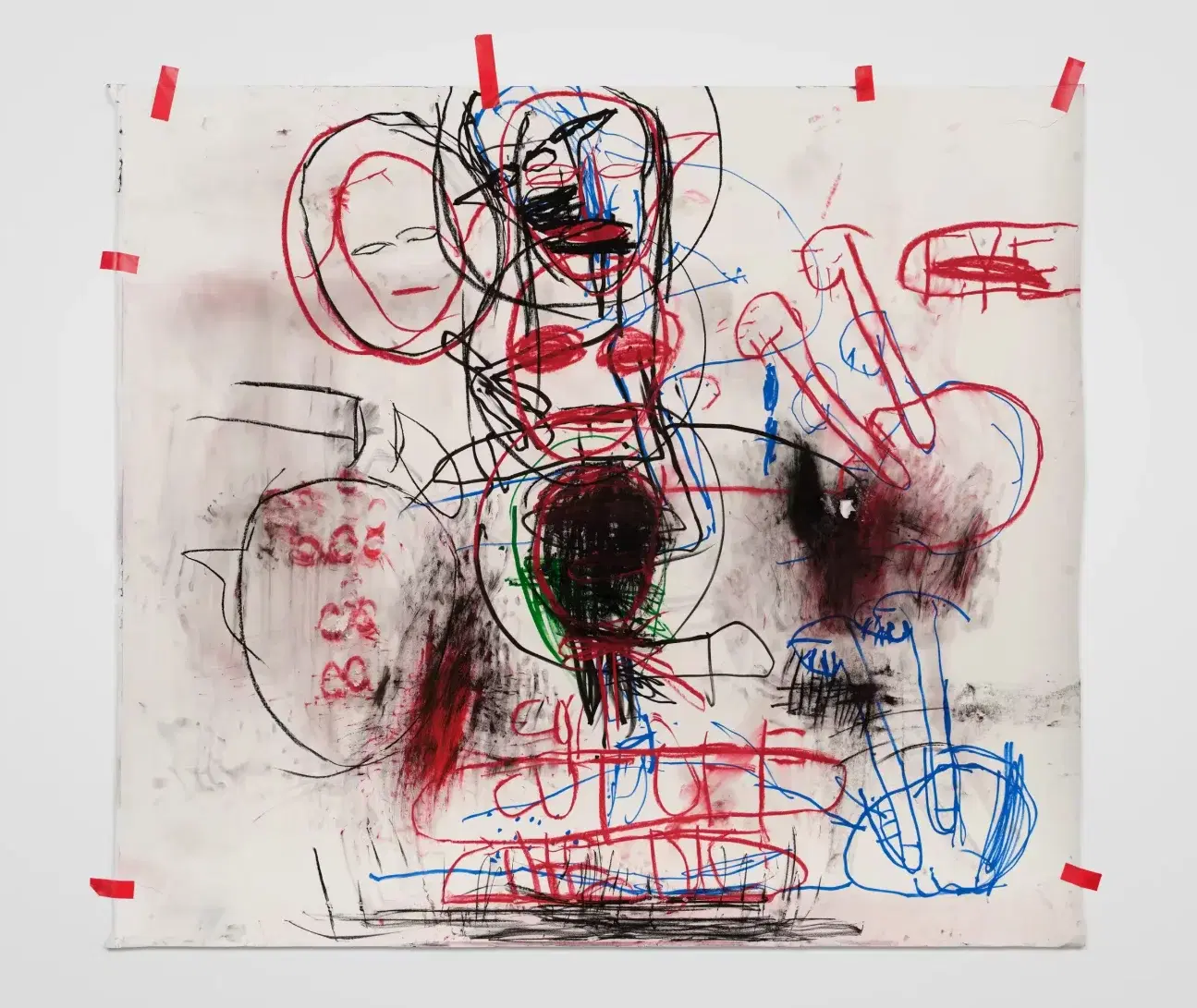
Paul McCarthy
21 Mar – 30 May 2026
Hauser & Wirth Paris
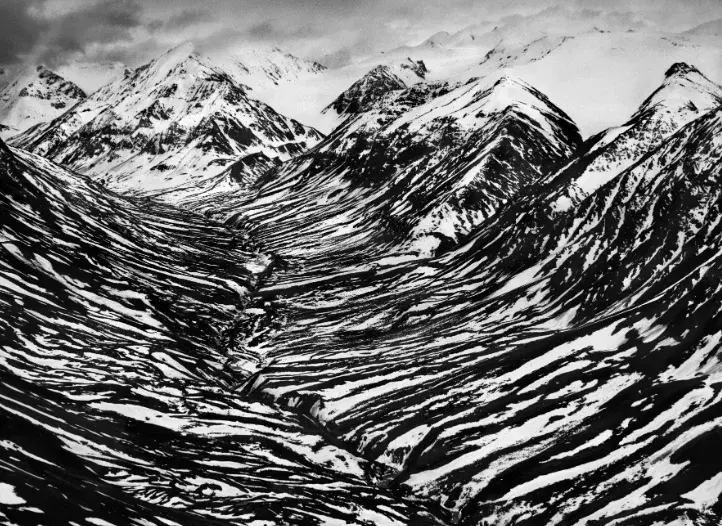
Sebastião Salgado
21 Feb – 30 May 2026
Hôtel de Ville

Nan Goldin
18 Mar – 21 Jun 2026
Grand Palais Paris
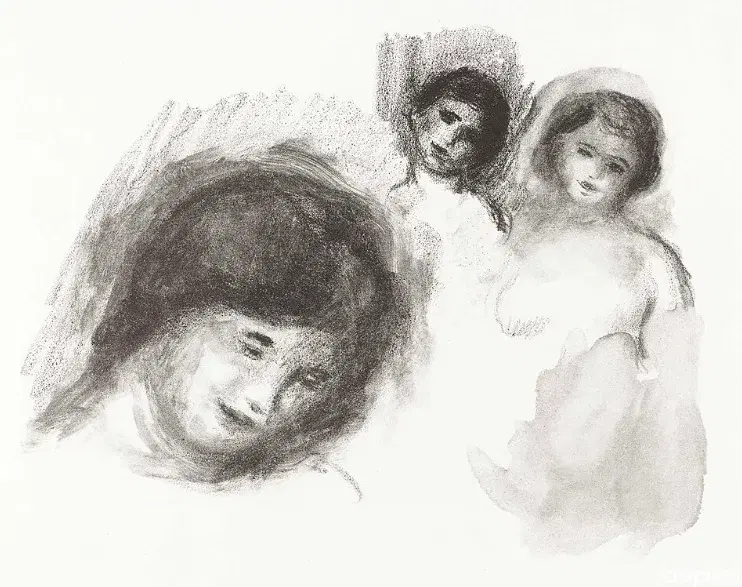
Renoir Drawings
17 Mar – 5 Jul 2026
Musée d’Orsay
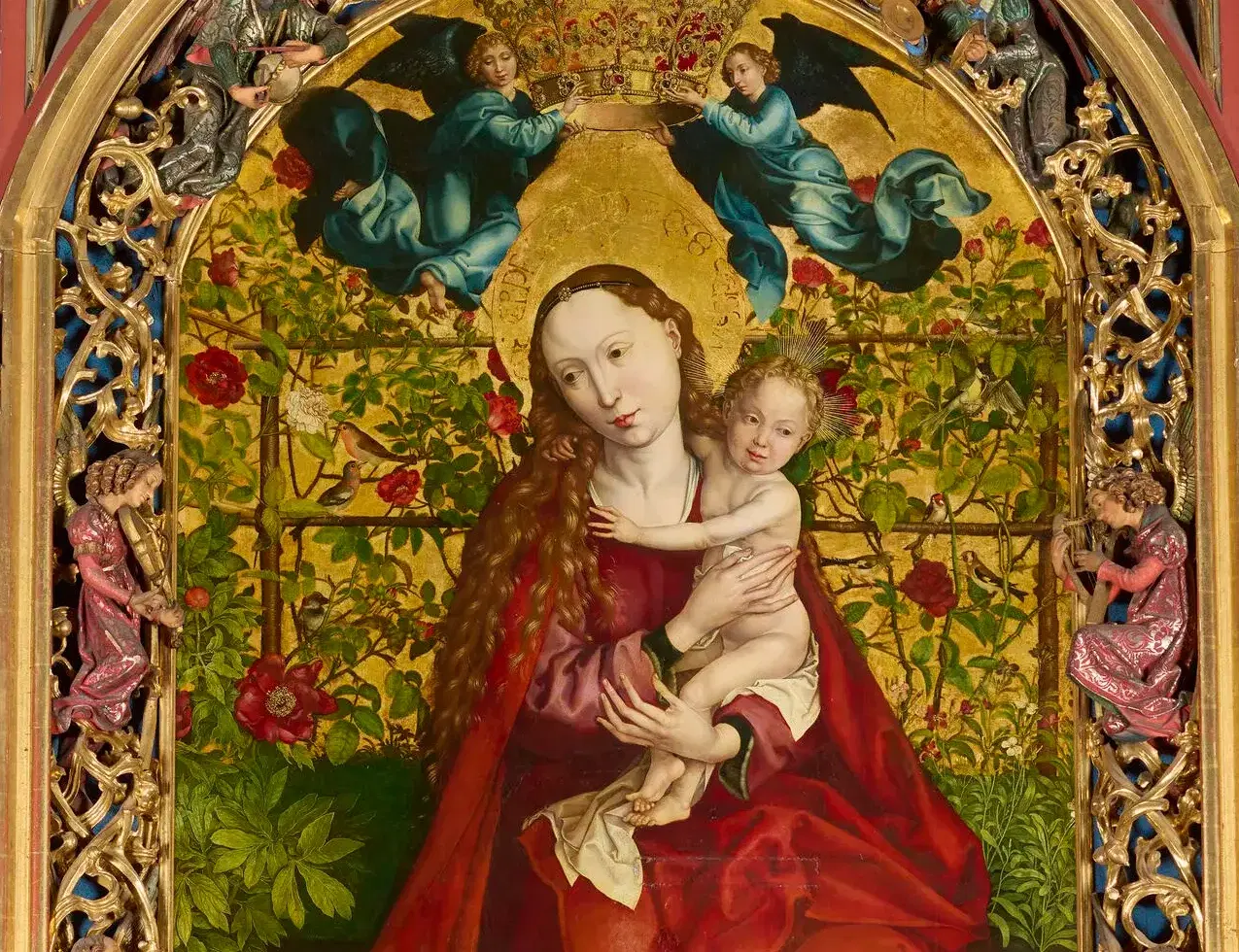
Martin Schongauer
8 Apr – 20 Jul 2026
Louvre Museum
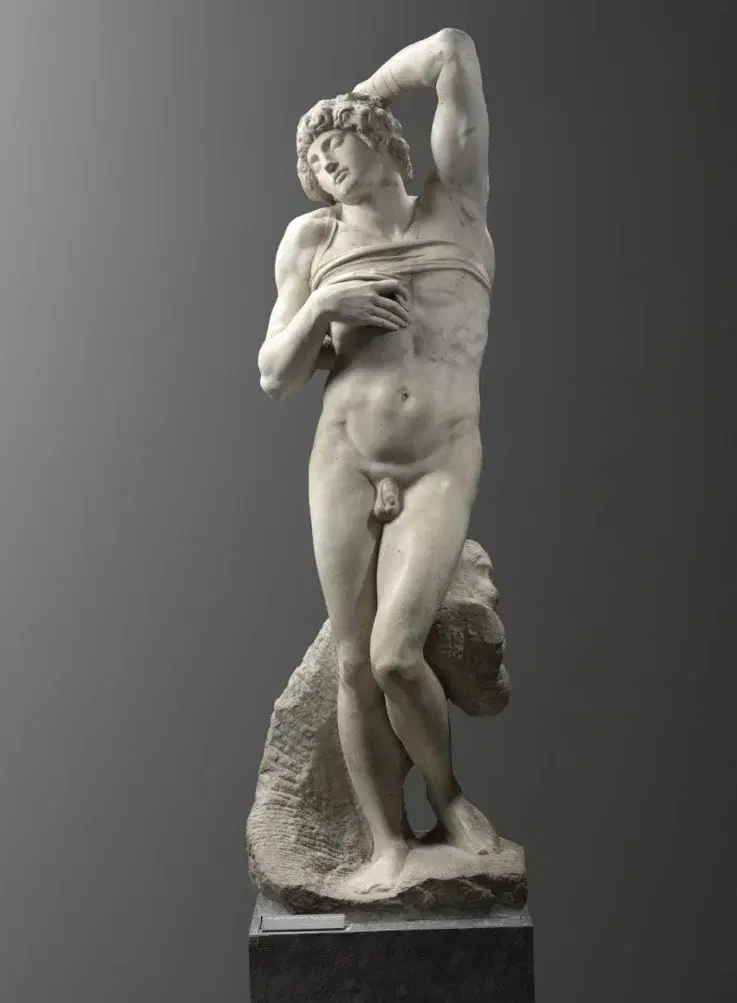
Michelangelo and Rodin
15 Apr – 20 Jul 2026
Louvre Museum