Francisco de Goya
- 1746 – 1828
- Spanish
- Realism, Romanticism
A brief story
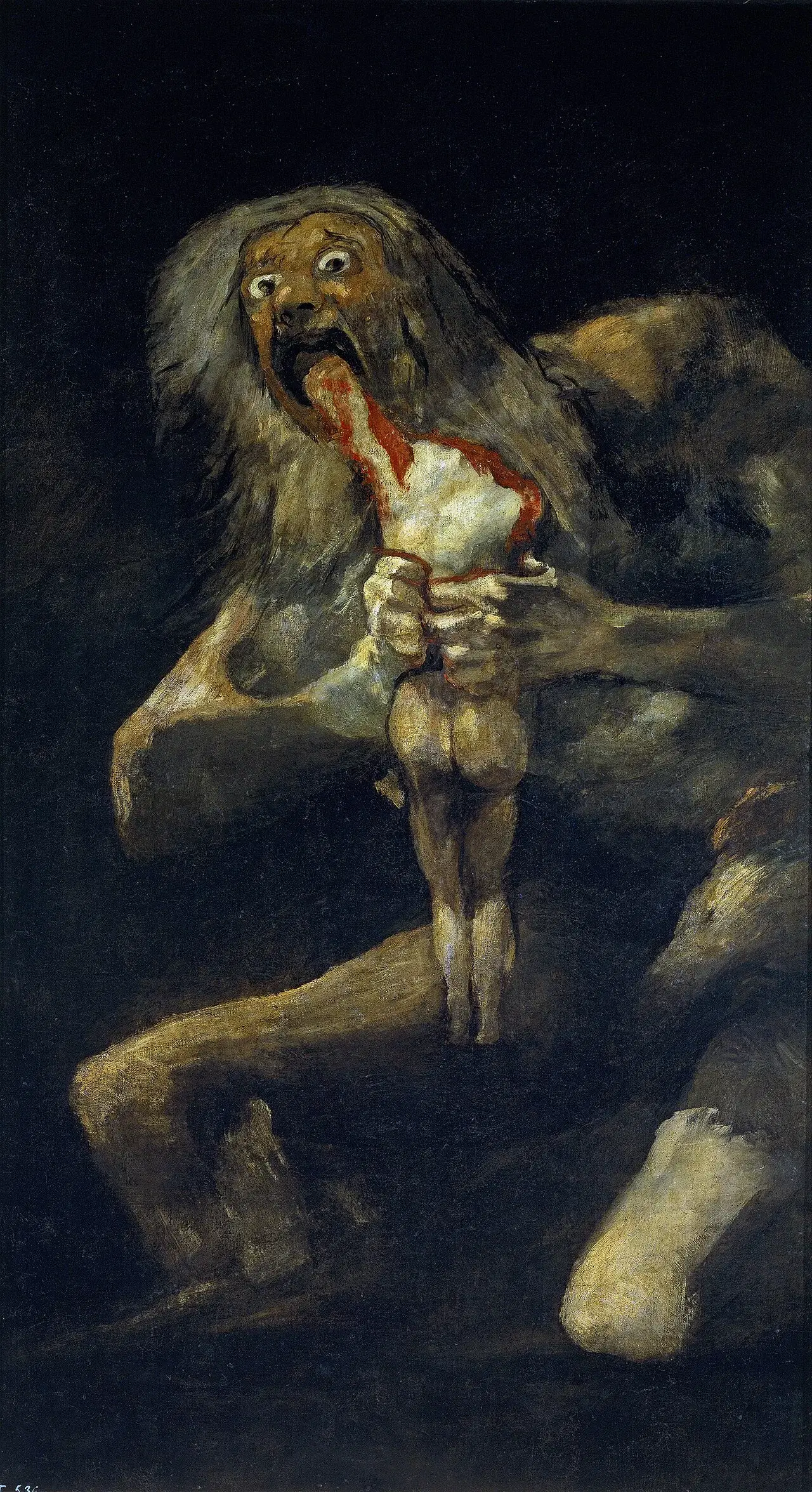
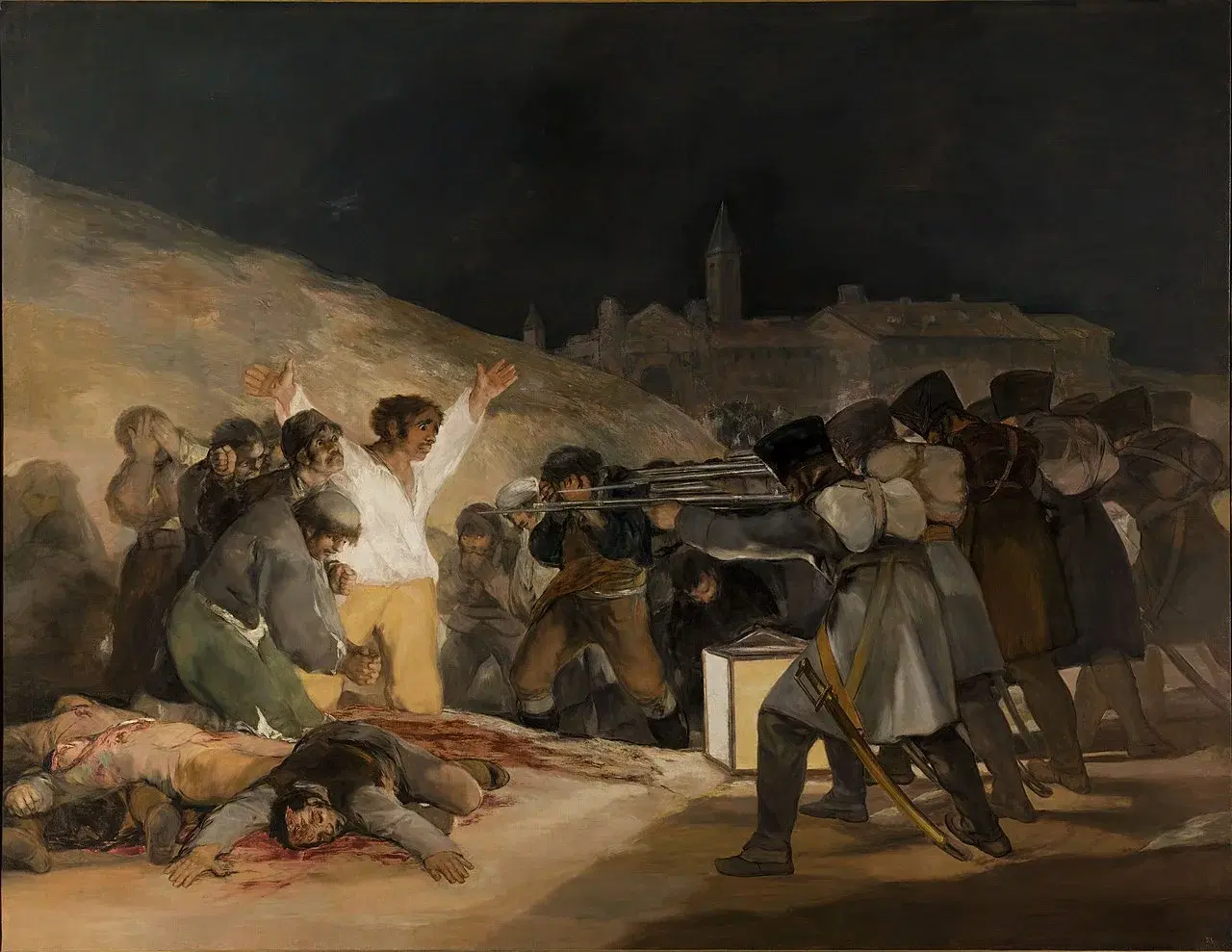
Francisco José de Goya y Lucientes was born in Fuendetodos, Aragon, in 1746. He trained in Zaragoza before travelling to Italy, returning to Spain to establish himself as a designer of tapestry cartoons for the Royal Manufactory of Santa Bárbara. His vivid, decorative scenes of Spanish popular life earned him favor at court, and he was eventually appointed First Court Painter to King Charles IV in 1799, producing penetrating official portraits that subtly undercut their subjects' dignity.\n\nGoya's art underwent a seismic transformation following a severe illness in 1792–93 that left him permanently deaf. Liberated from the decorative obligations of his earlier career, he turned inward. His Caprichos etchings (1799) deployed savage satire against superstition, clerical corruption, and human folly. The Napoleonic invasion of 1808 and the brutal guerrilla war that followed drove him to produce The Second of May 1808 and The Third of May 1808, as well as the Disasters of War series — among the most harrowing images of violence ever committed to print.\n\nIn his final years, voluntarily exiled to the Quinta del Sordo outside Madrid, Goya painted directly onto his walls the fourteen astonishing Black Paintings — hallucinatory, nightmarish works that seem to anticipate Expressionism by nearly a century. He spent his last years in Bordeaux, where he died in 1828. Spanning court glamour and apocalyptic horror, his work defies any single categorization and stands as one of the most expansive single visions in the history of Western art.
Did you know?
Spain's towering painter to kings and chronicler of catastrophe, whose unflinching depictions of war and madness made him the first modern artist.
Don’t stop here