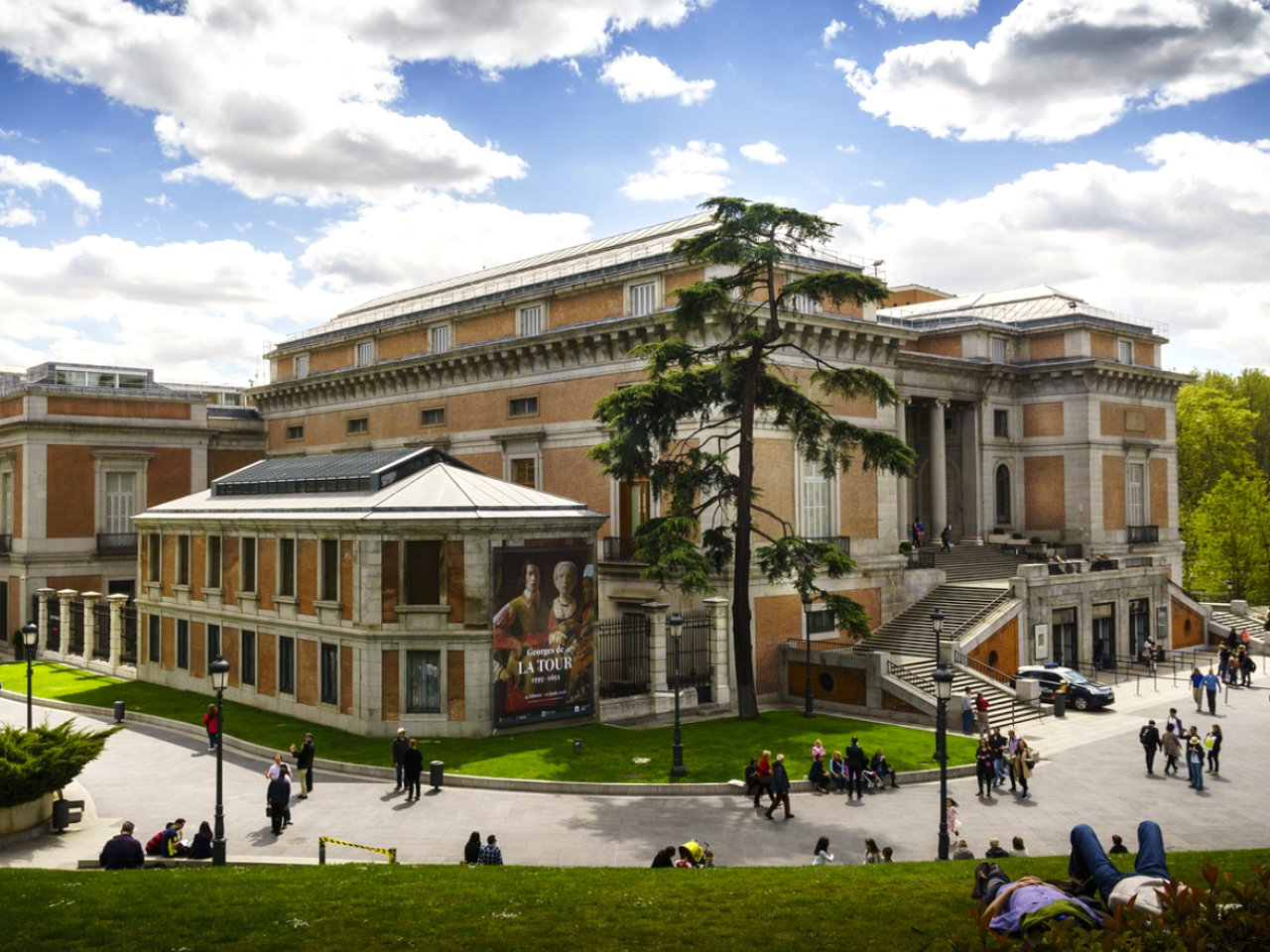
The Third of May 1808
#25
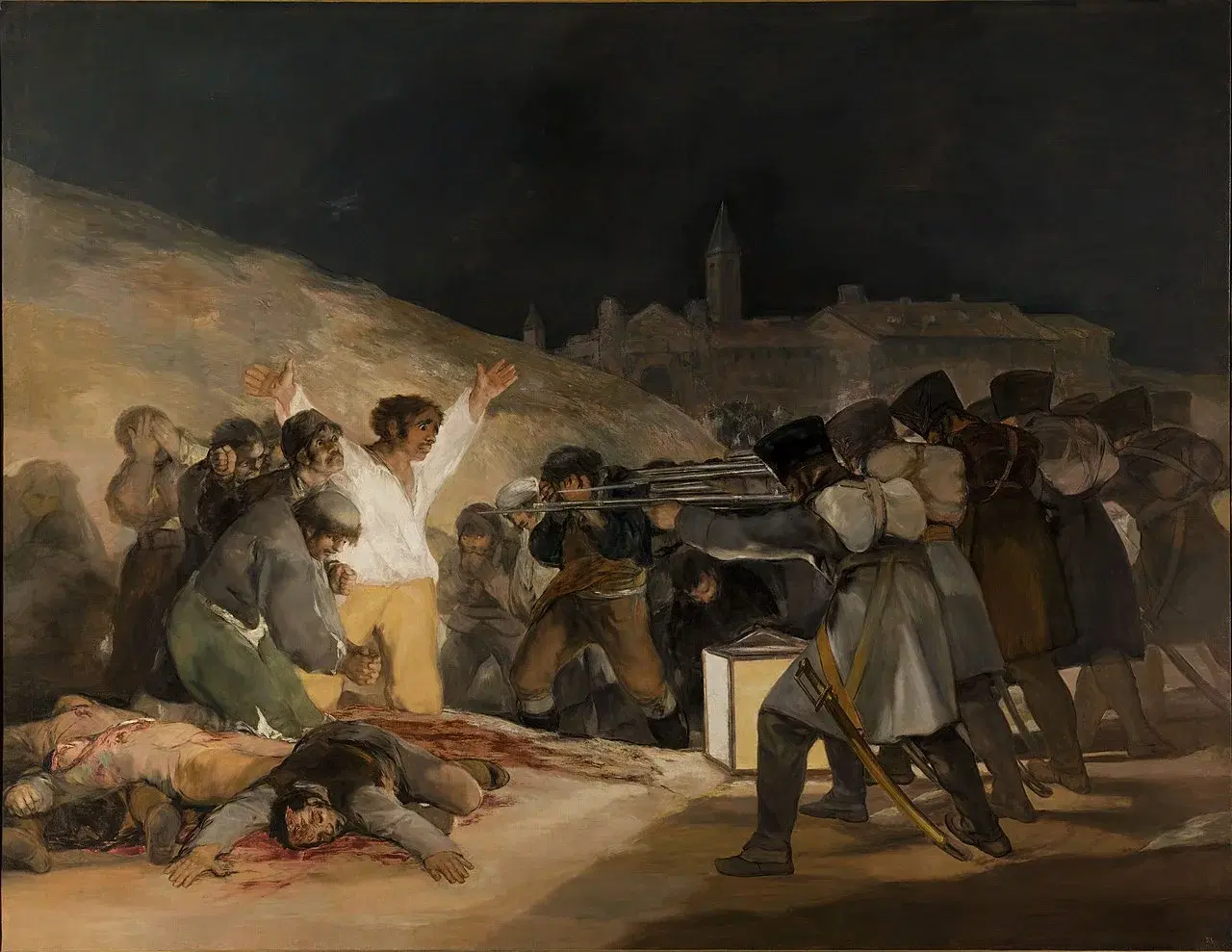
Meet the artist
FFrancisco de Goya1746–1828Spanish
Dates
1814
Specifications
- Original title
- El tres de mayo de 1808
- Dimensions
- 268 × 347 cm
Wikimedia Commons
About the Artwork
Francisco Goya's "The Third of May 1808" is a powerful and disturbing depiction of the French army's execution of Spanish civilians in the wake of the Dos de Mayo Uprising in Madrid. Painted in 1814, the artwork captures the raw horror and brutality of war, presenting a stark contrast between the faceless, mechanical efficiency of the firing squad and the chaotic, emotional terror of their victims. The painting doesn't glorify war; instead, it serves as a visceral condemnation of violence and oppression. This unflinching portrayal of the consequences of conflict marks a significant departure from traditional heroic depictions of battle, contributing to its status as one of the first paintings of the modern era.
Historically, "The Third of May 1808" commemorates the Spanish resistance against Napoleon's occupation. It stands as a testament to the courage and suffering of the Spanish people. Goya's artistic techniques further enhance the painting's emotional impact. The dramatic use of light and shadow, particularly the lantern illuminating the central figure about to be shot, creates a sense of theatricality and highlights the vulnerability of the victims. The loose brushwork and stark realism contribute to the overall feeling of immediacy and horror. By foregoing traditional Christian or heroic imagery, Goya broke new ground, establishing a new visual language for representing the atrocities of war.
"The Third of May 1808" matters because it transcends its specific historical context to become a universal symbol of the human cost of conflict. Its impact is evident in later works by artists like Manet and Picasso, who drew inspiration from Goya's groundbreaking approach. The painting's enduring power lies in its ability to evoke empathy and provoke reflection on the nature of violence, oppression, and resistance. It is a reminder of the importance of remembering and learning from the past to prevent similar atrocities from occurring in the future. Its emotional force secures its status as a ground-breaking, archetypal image of the horrors of war.
How to experience it
center on the illuminated victim in white
Don’t stop here
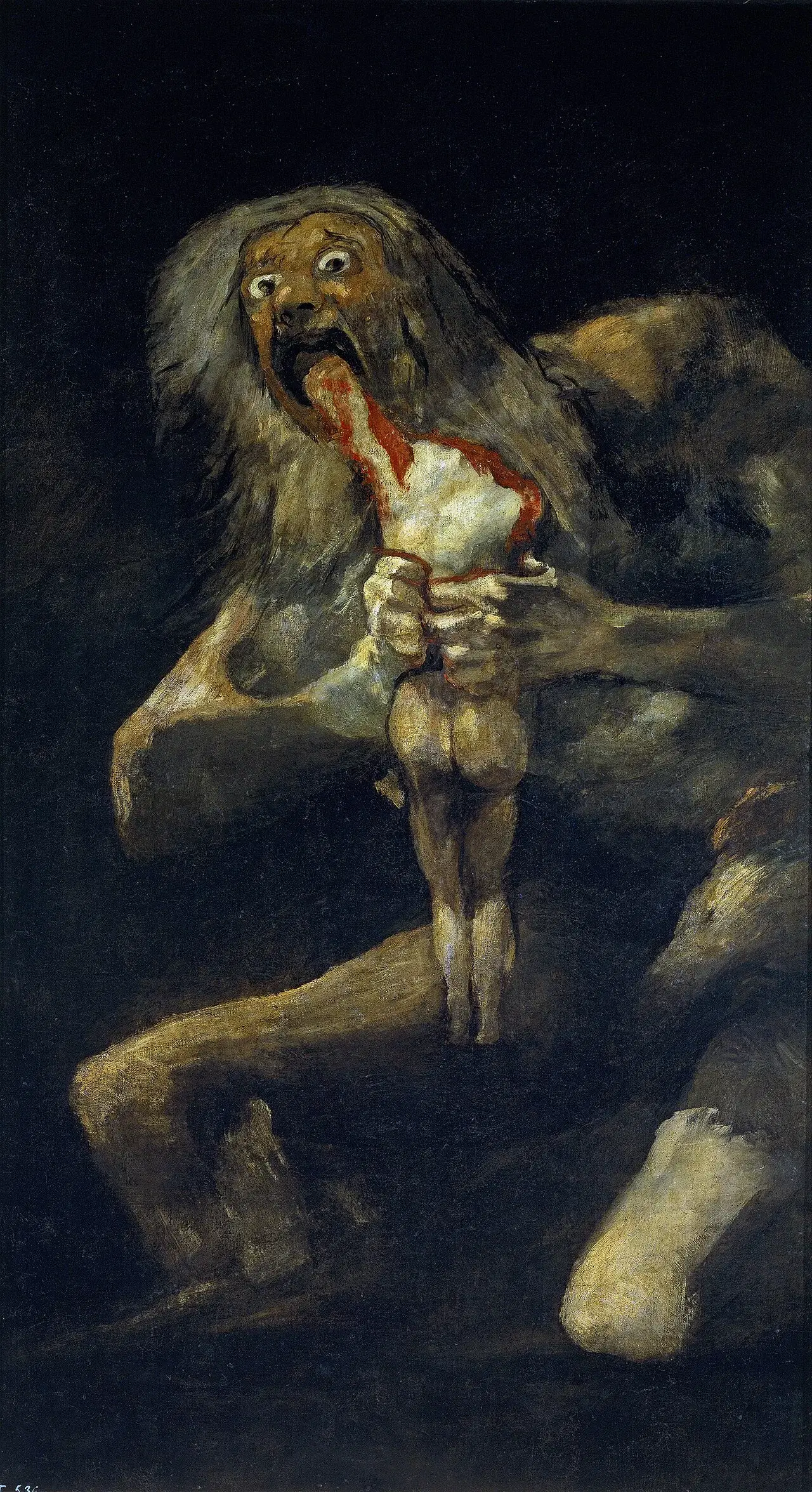
More to explore by Francisco de Goya
Same feeling, different artists
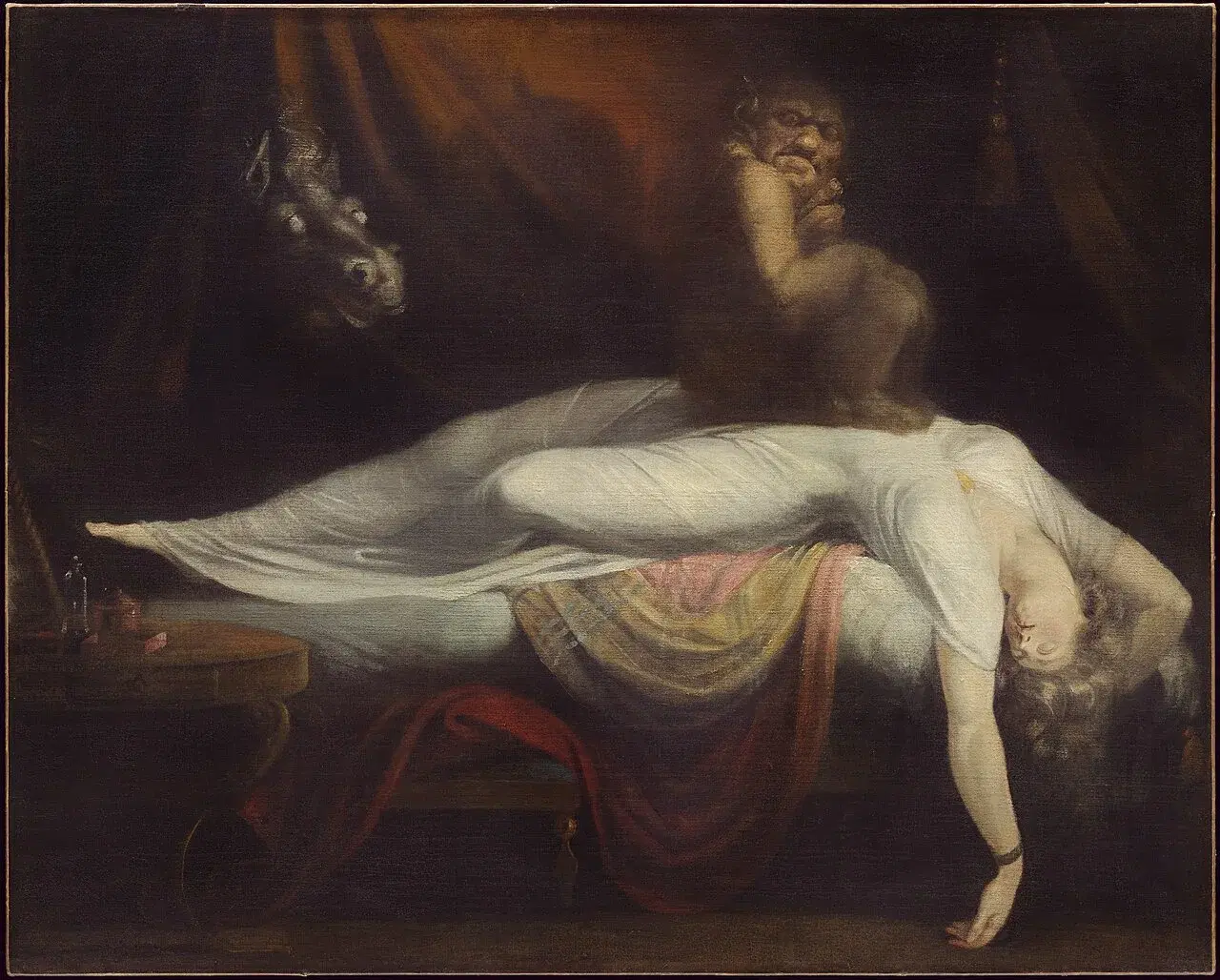
Similar Works by Other Artists
Keep exploring
Ends soon
Ad Lucem
14 Mar – 9 May 2026
Blanca Berlín
Ends soon
Ana Prata
5 Mar – 9 May 2026
Travesía Cuatro Madrid
Ends soon
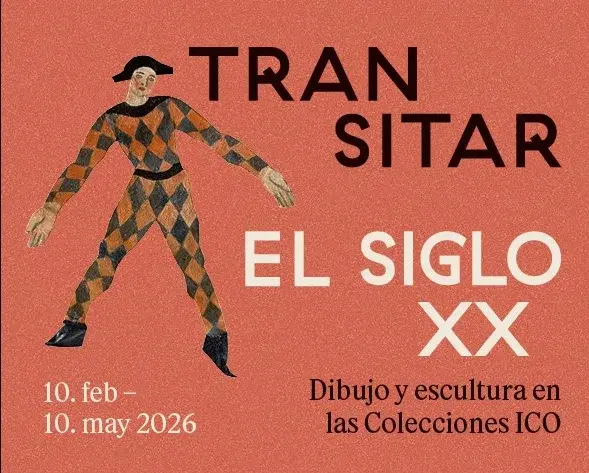
Traversing the 20th Century
10 Feb – 10 May 2026
Museum ICO Madrid
Ends soon
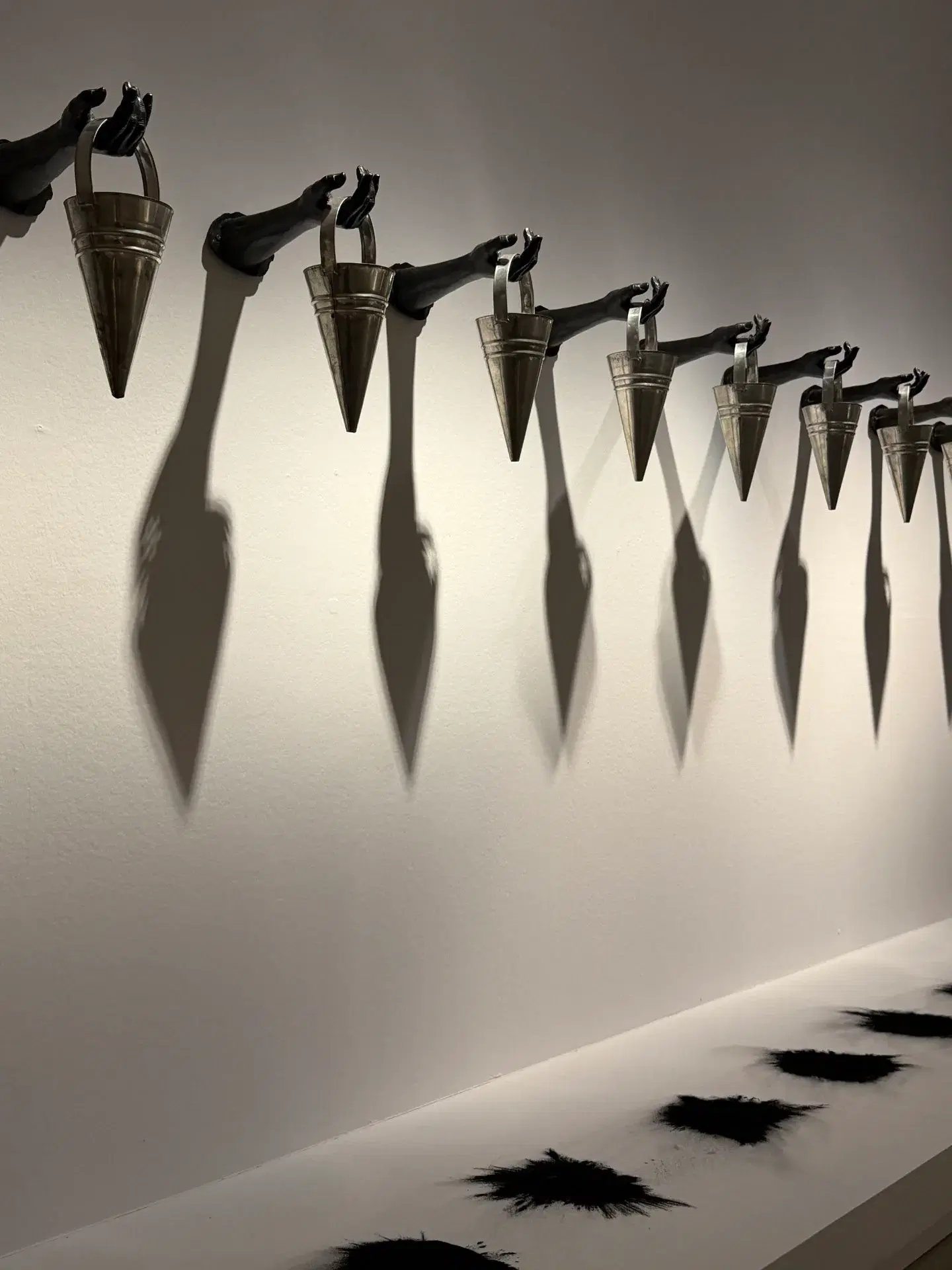
Journeying through the 20th Century
10 Feb – 10 May 2026
Museum ICO Madrid
Ends soon
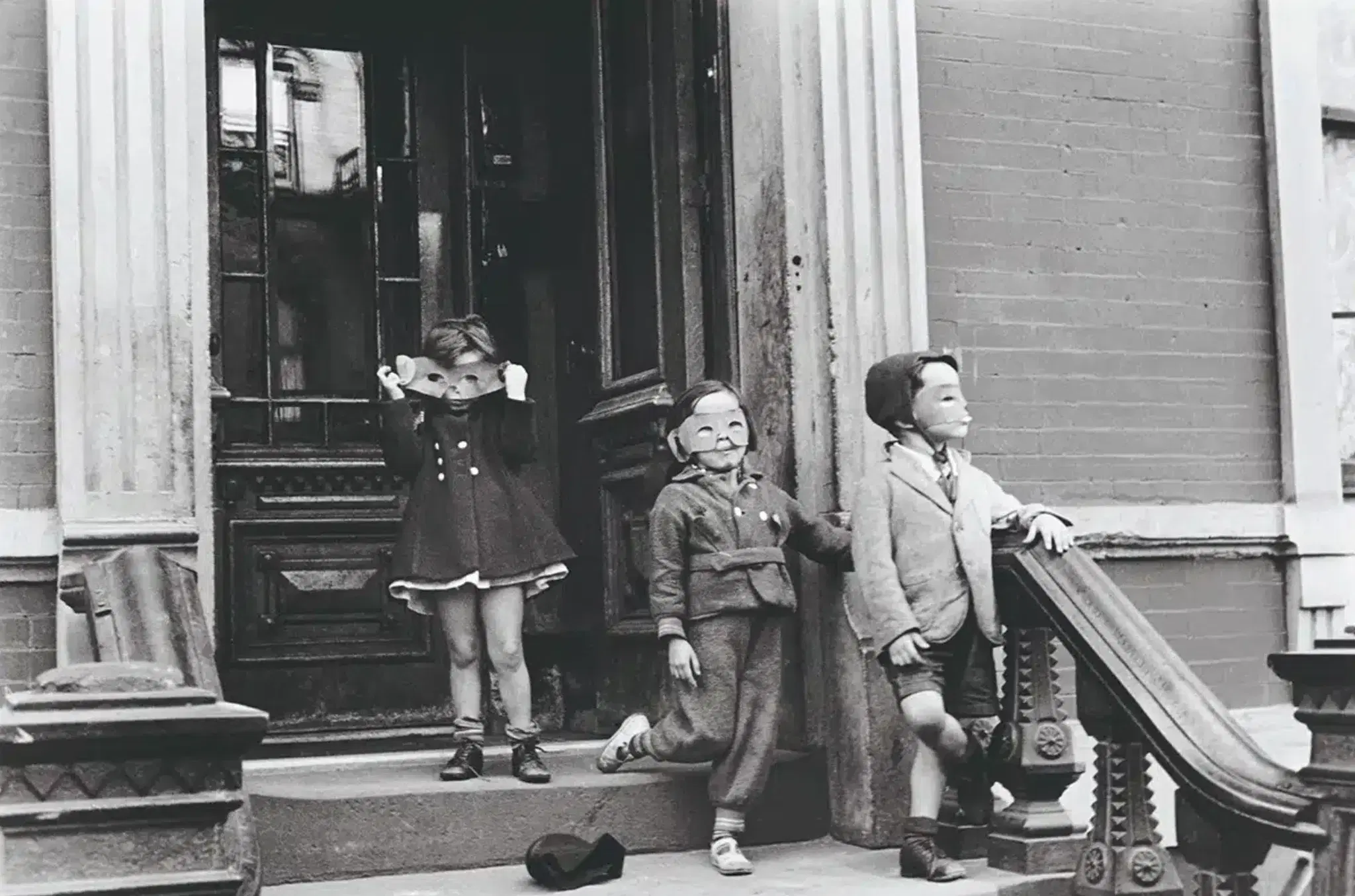
Helen Levitt
19 Feb – 17 May 2026
Fundación Mapfre Sala Recoletos
Ends soon
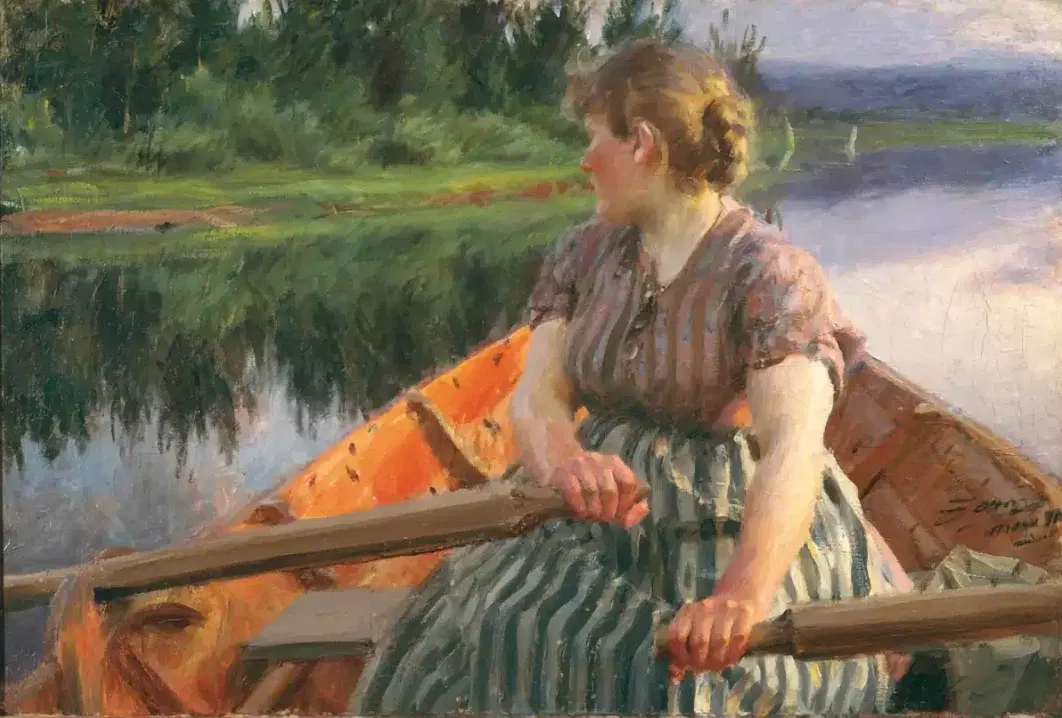
Anders Zorn.
19 Feb – 17 May 2026
Fundación Mapfre Sala Recoletos
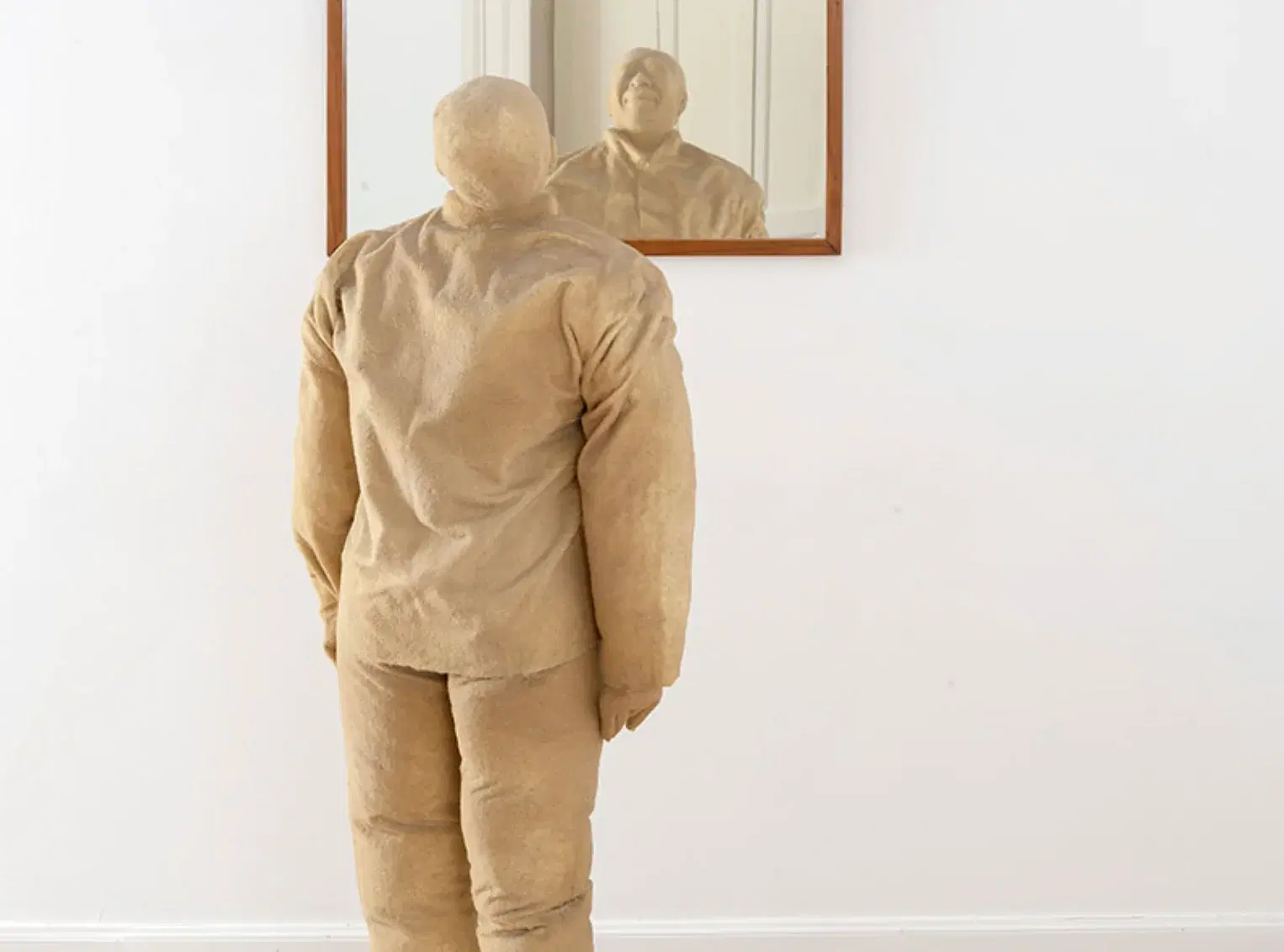
Space and Time
4 Mar – 23 May 2026
Casa de América
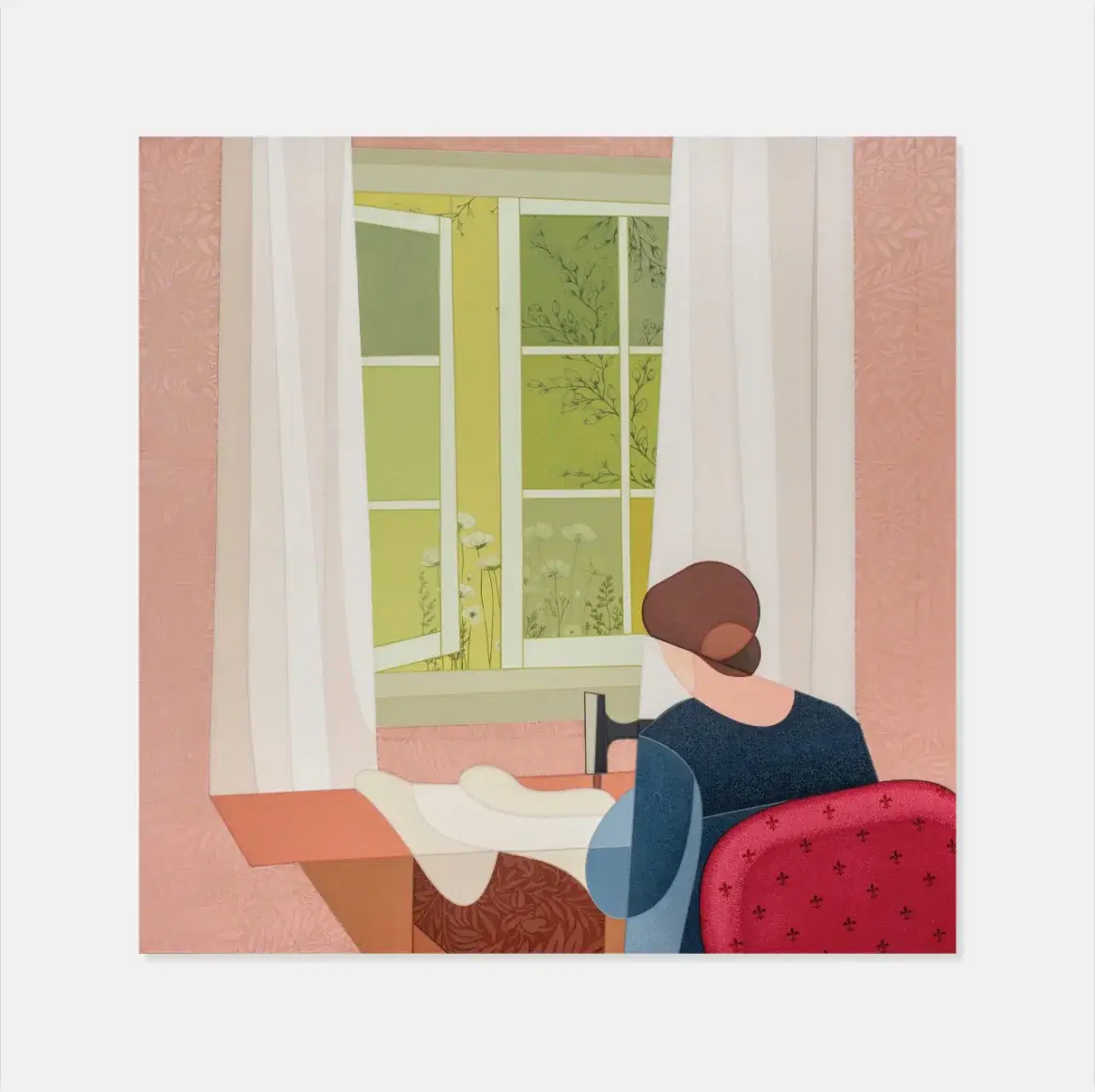
Eduardo Ponjuán. Ruy Lopez Opening
26 Feb – 23 May 2026
El Apartamento Madrid
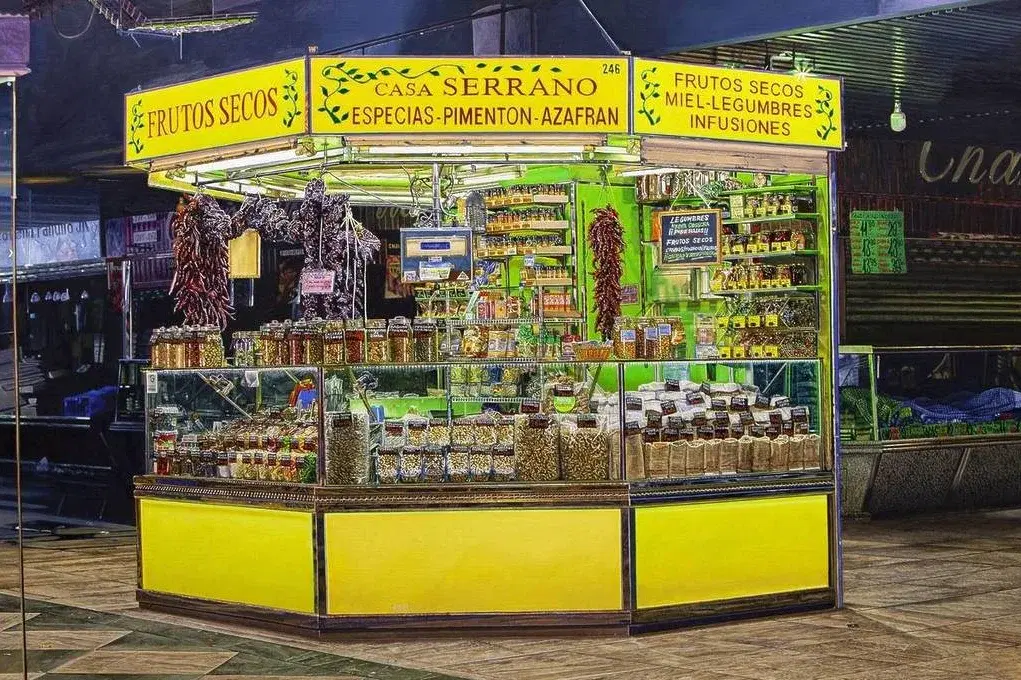
Hyperrealist Madrid
16 Dec 2025 – 24 May 2026
Museum of History of Madrid
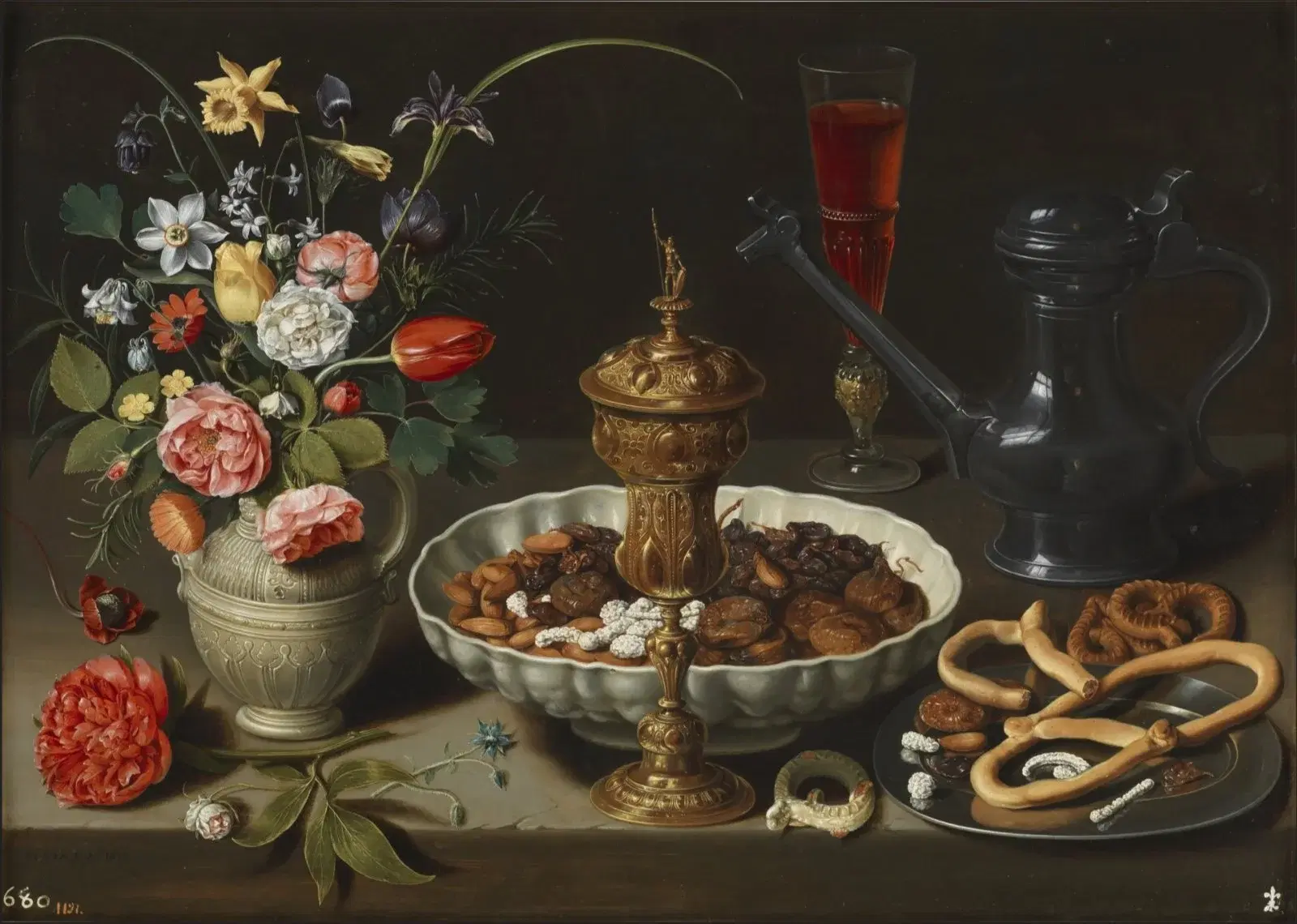
The Female Perspective
12 Jan – 24 May 2026
Museo Nacional del Prado