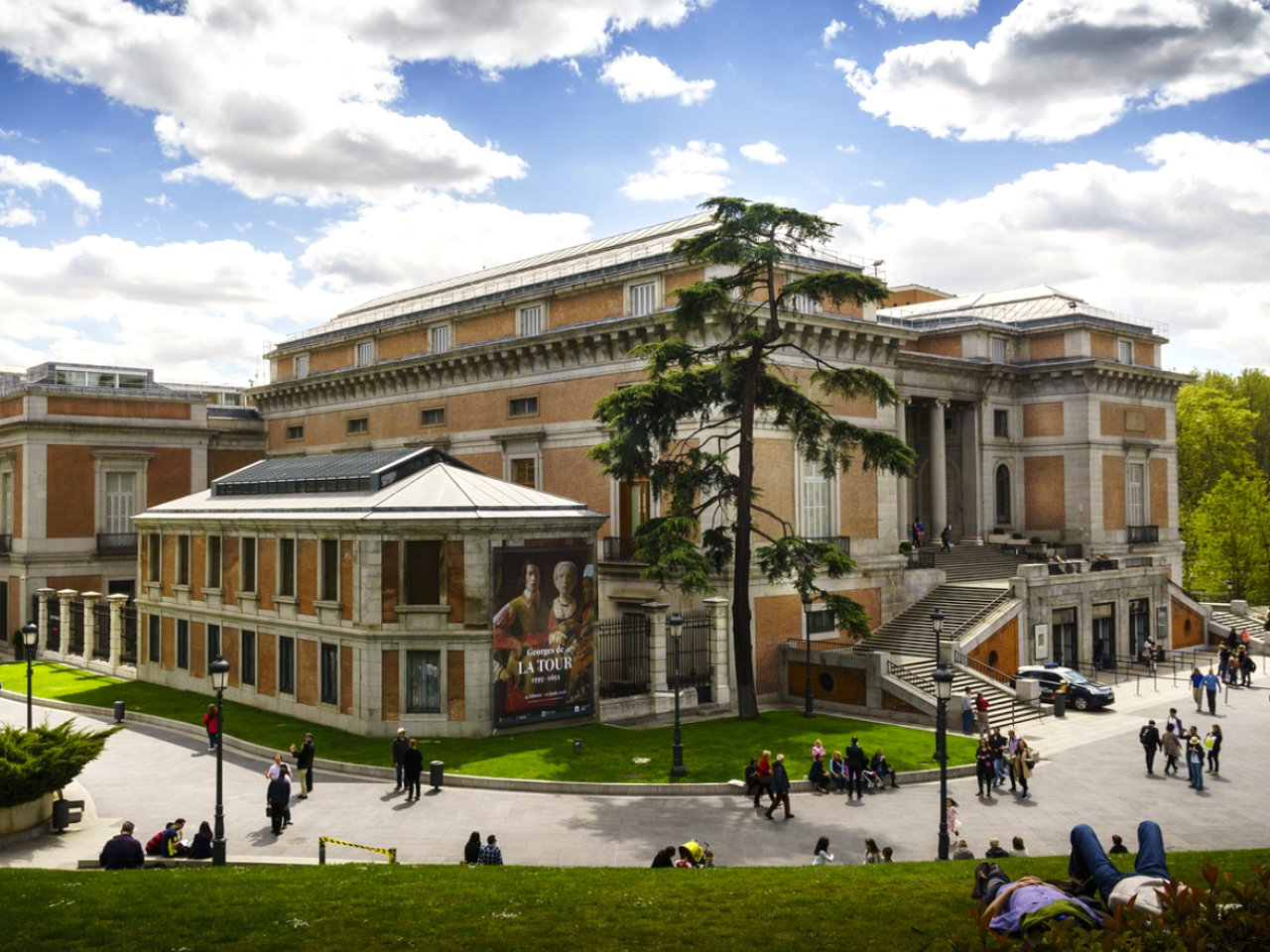
Saturn Devouring His Son
#26
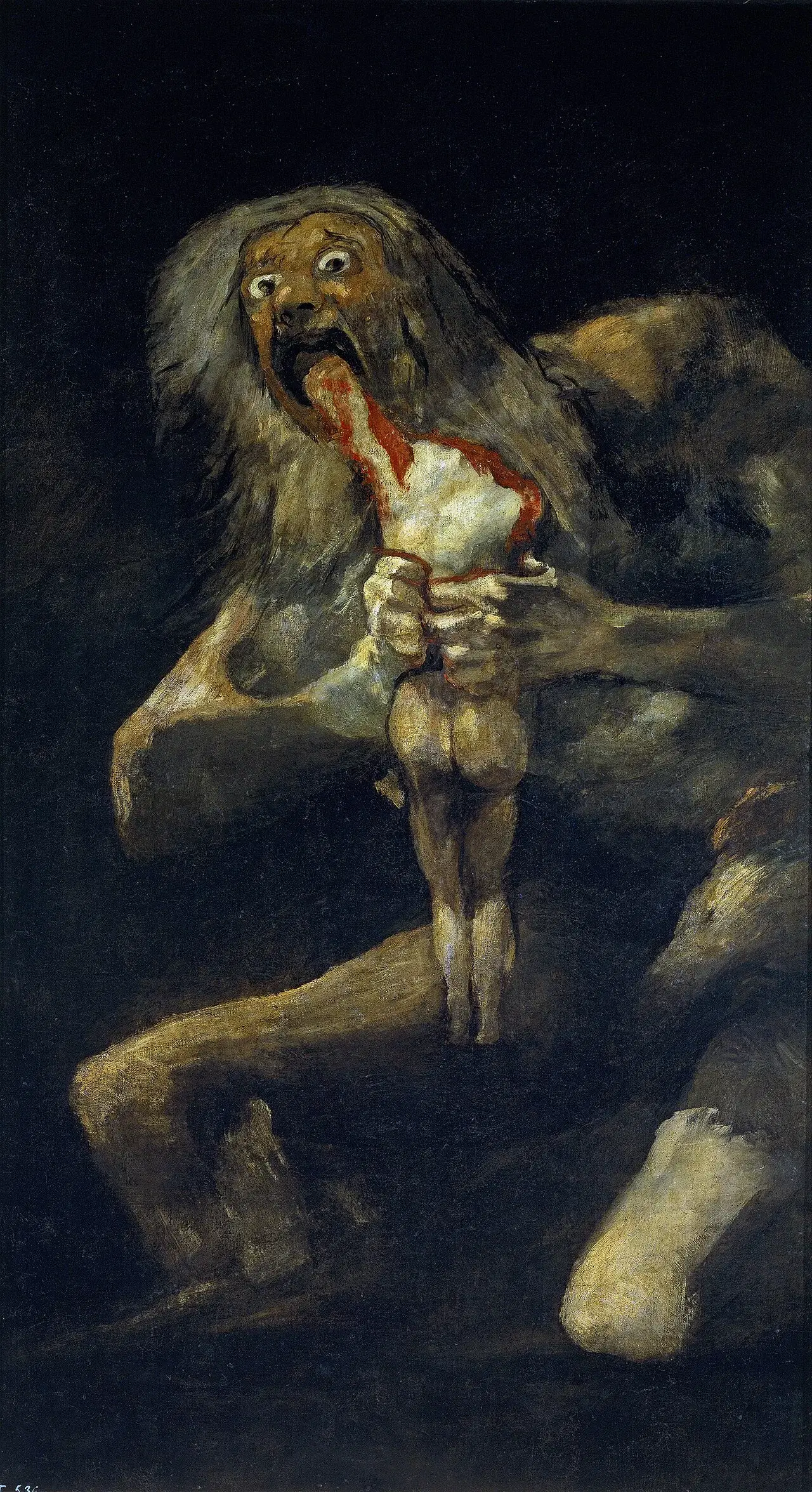
Meet the artist
FFrancisco de Goya1746–1828Spanish
Dates
c. 1819–1823
Specifications
- Original title
- Saturno devorando a su hijo
- Dimensions
- 143.5 × 81.4 cm
Wikimedia Commons
About the Artwork
Francisco Goya's "Saturn Devouring His Son" is a powerful and disturbing work, one of the famed "Black Paintings" that adorned the walls of his home, the Quinta del Sordo. Painted between 1820 and 1823, this visceral scene depicts a large, monstrous figure, traditionally interpreted as the Titan Cronus (Saturn to the Romans), devouring one of his children. Driven by the fear of being overthrown, as prophesied, Saturn embodies the destructive nature of power and the anxieties of aging. The painting's raw emotionality and nightmarish imagery break from traditional depictions of the myth, leaving a lasting impression of horror and dread.
Historically, "Saturn Devouring His Son" reflects Goya's own tumultuous life and the political turmoil of early 19th-century Spain. Suffering from deafness and witnessing the horrors of war and political repression, Goya channeled his despair into these intensely personal and unsettling works. Unlike commissioned art, the Black Paintings were for his own contemplation, a raw expression of his inner demons. The fact that Goya never titled or explained them allows for a multitude of interpretations, ranging from personal struggles to broader allegories about time, power, and the fate of Spain.
Goya's artistic technique in this painting is striking. The dark palette, loose brushstrokes, and dramatic use of light and shadow create a sense of chaos and unease. The focus is on the raw emotion of the scene, rather than precise anatomical detail. Transferred to canvas after Goya's death, the painting now resides in the Museo del Prado, a testament to its enduring impact. "Saturn Devouring His Son" matters because it represents a profound shift in art, moving away from idealized depictions of classical mythology towards a more psychological and expressive portrayal of human experience, forever questioning the dark side of humanity and power.
How to experience it
view it from several distances to feel the violence of the paint
Don’t stop here
More to explore by Francisco de Goya
Same feeling, different artists
Similar Works by Other Artists
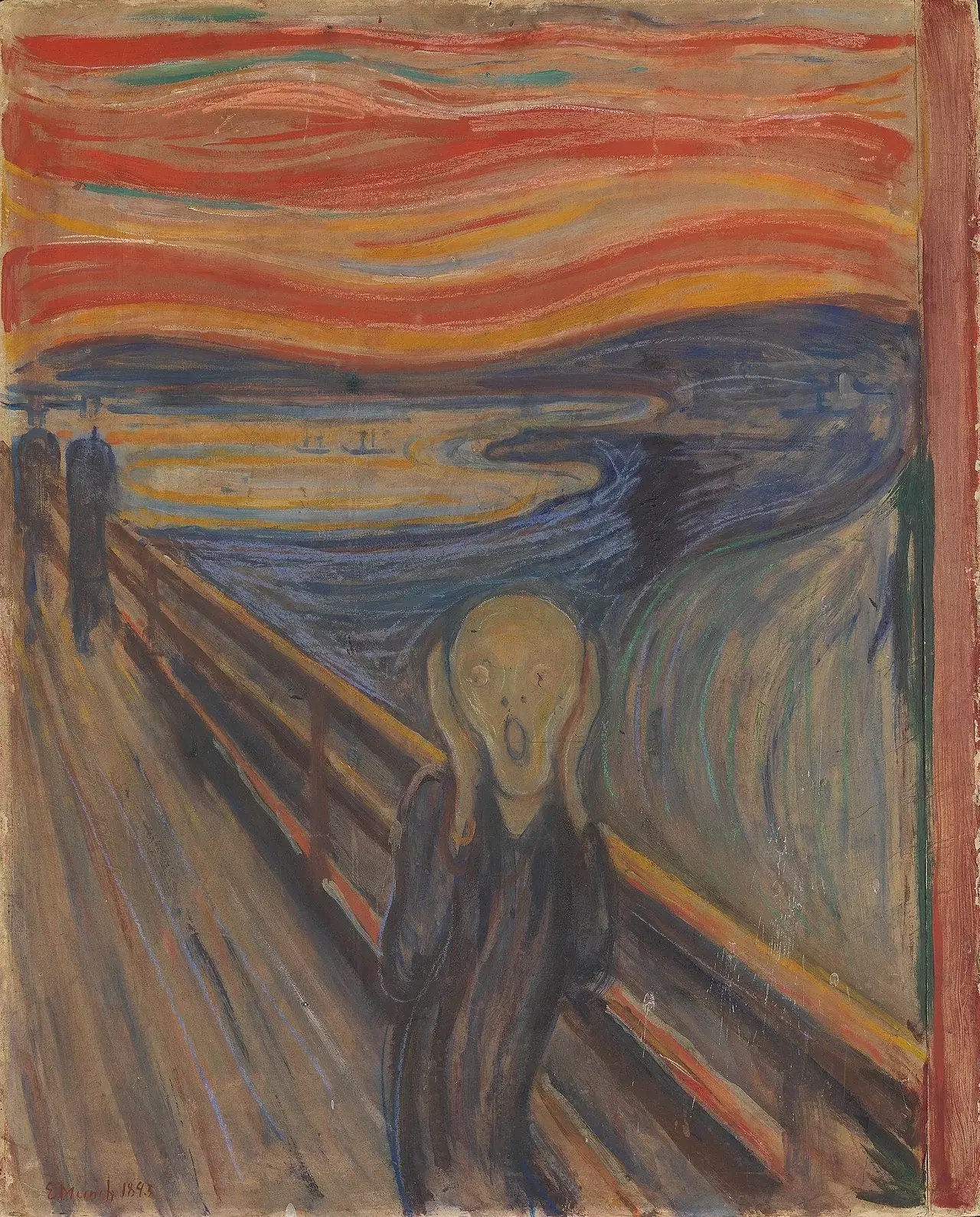
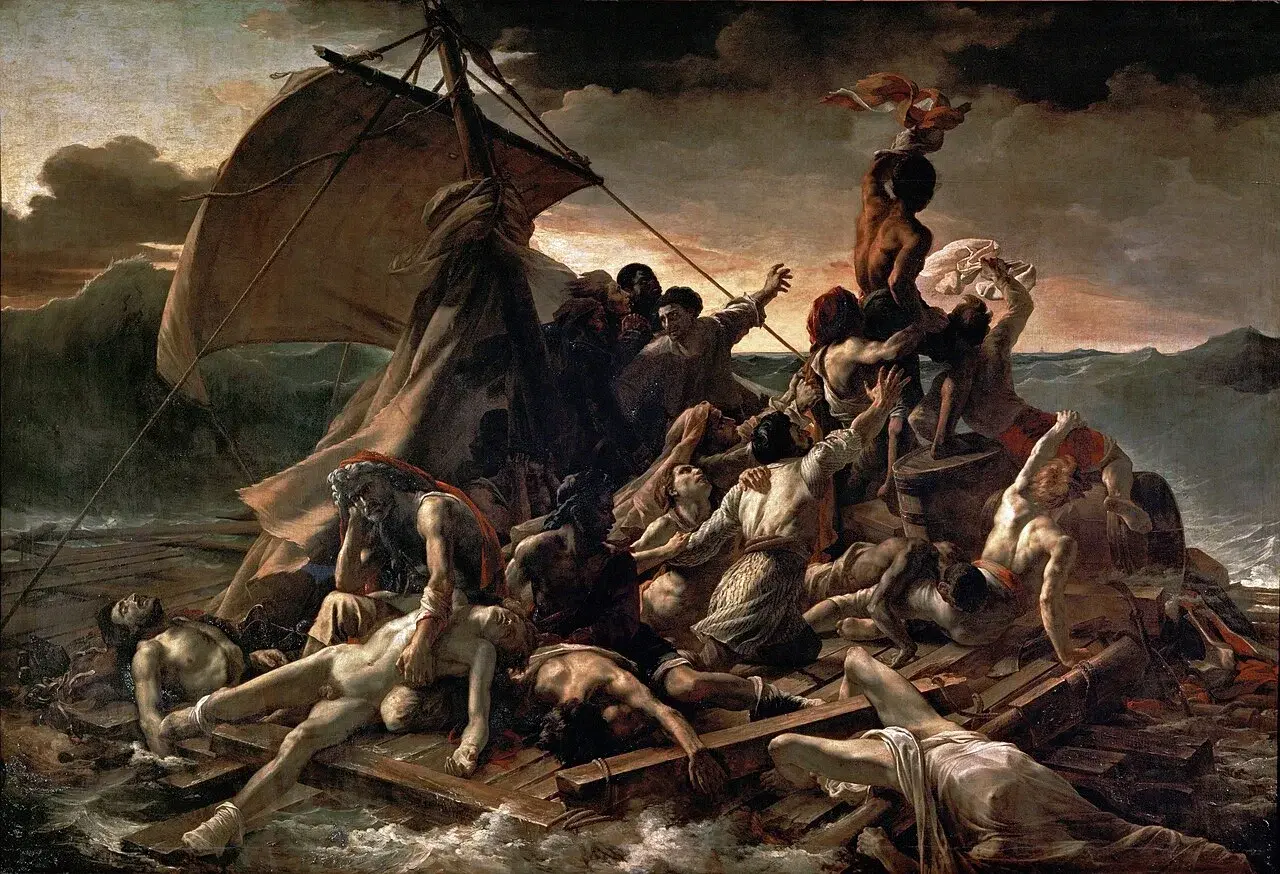
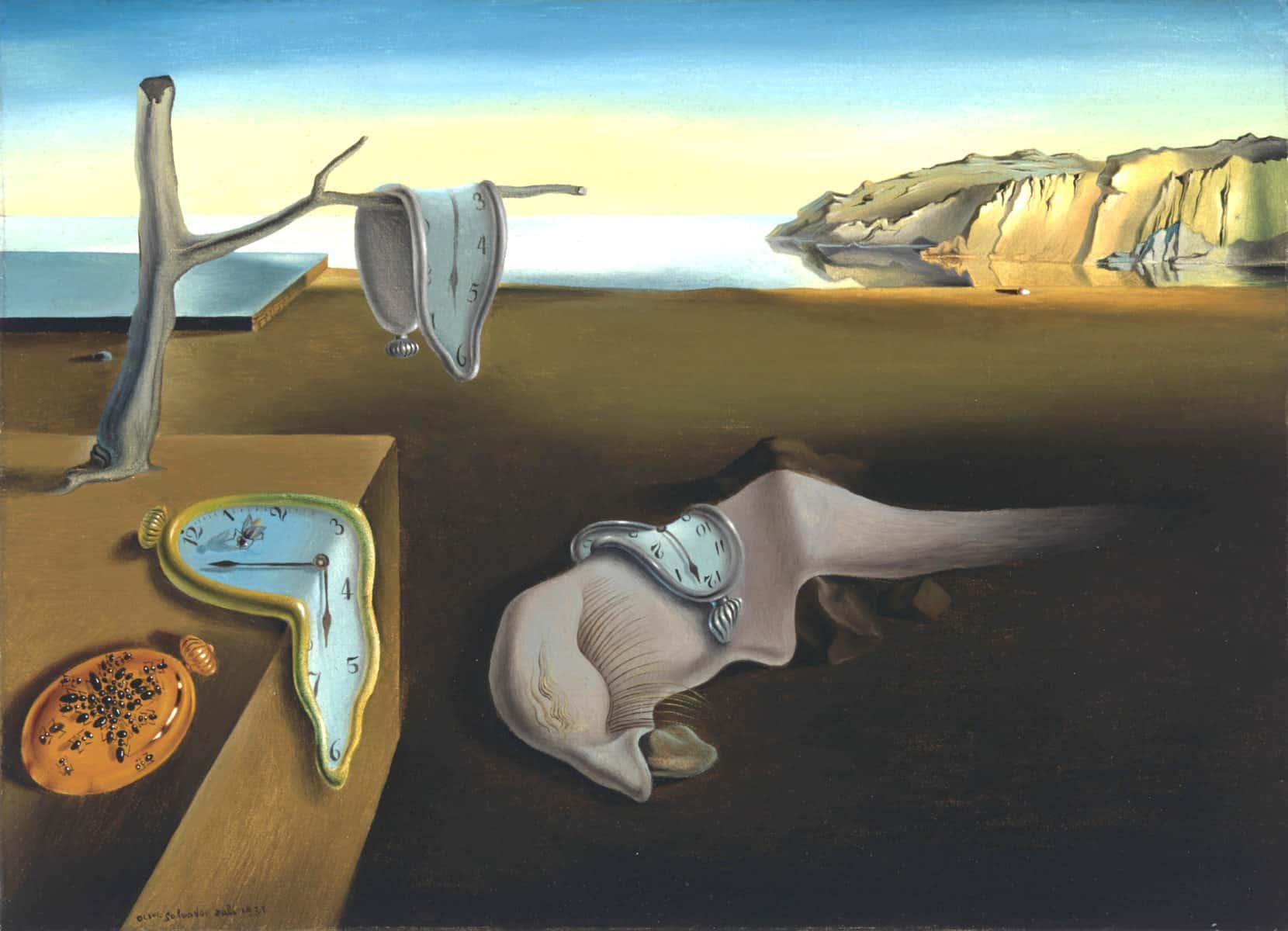
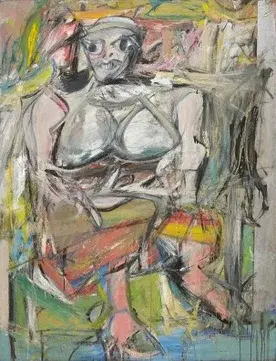
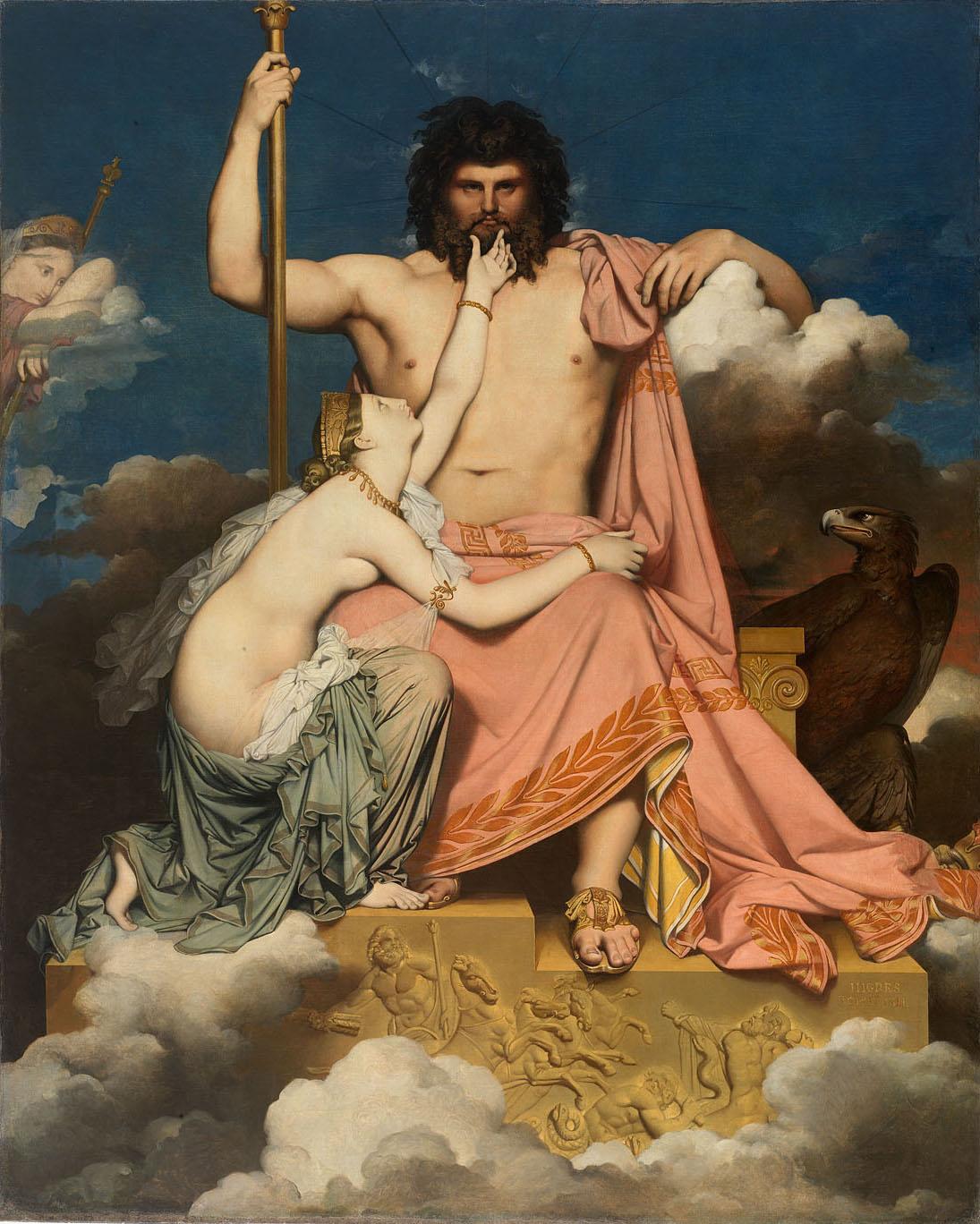
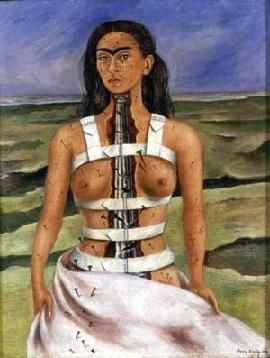
Keep exploring
Ends soon
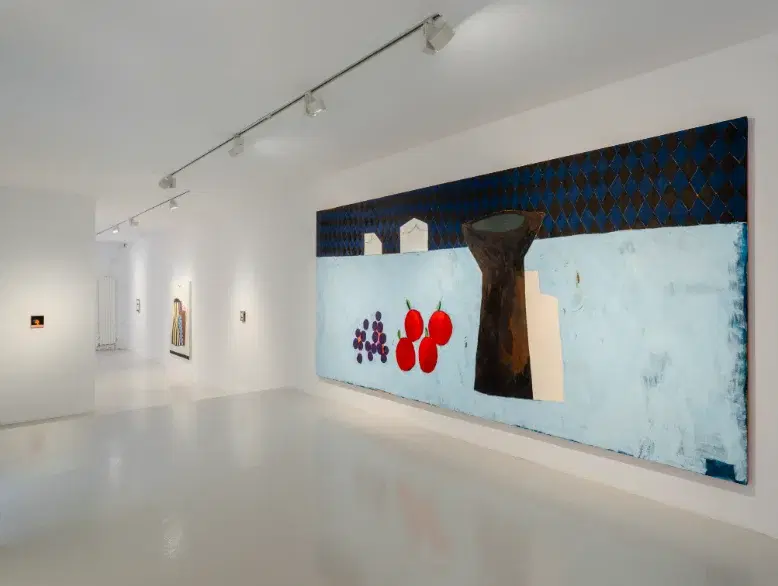
Ad Lucem
14 Mar – 9 May 2026
Blanca Berlín
Ends soon
Ana Prata
5 Mar – 9 May 2026
Travesía Cuatro Madrid

Ends soon
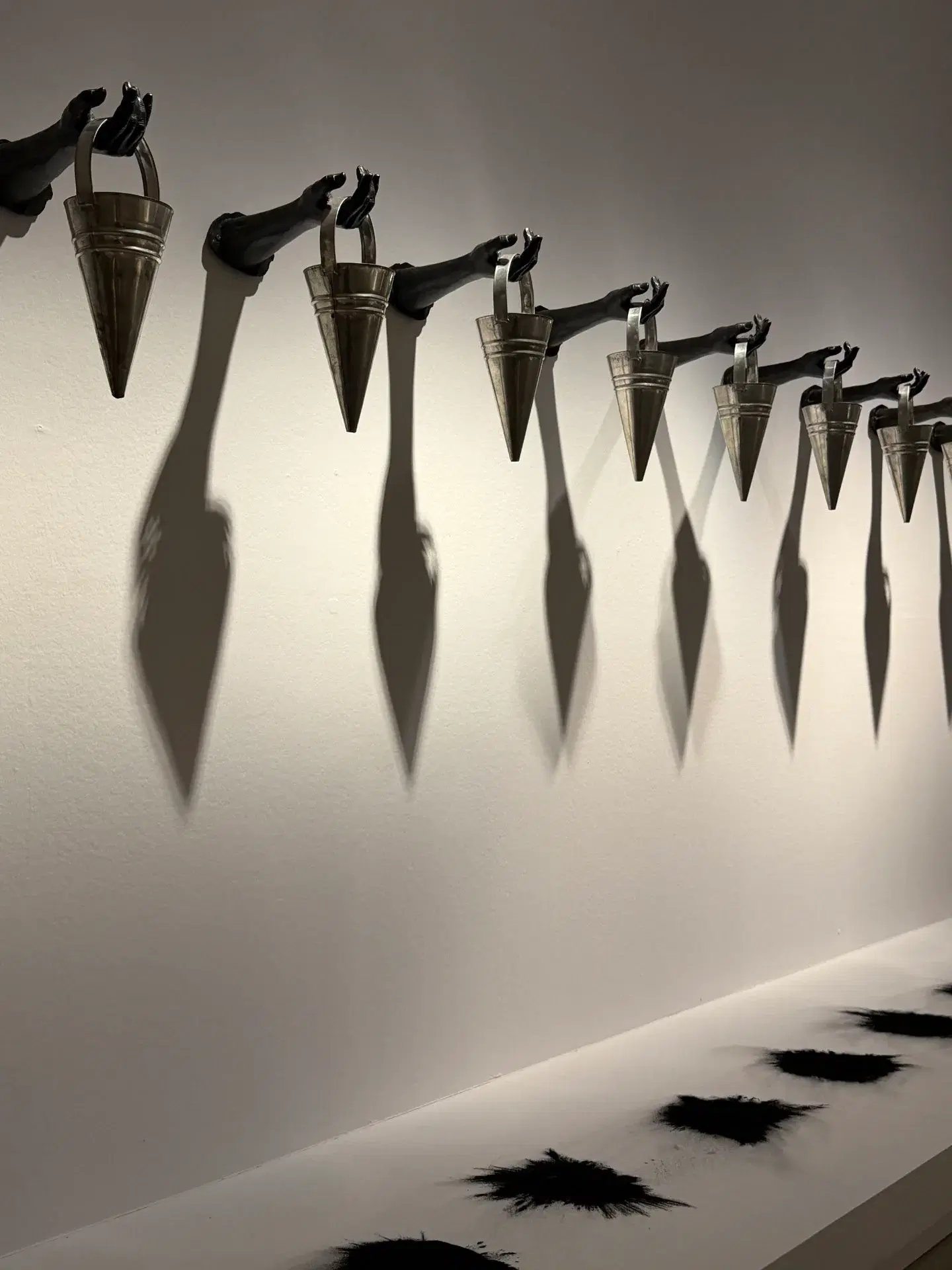
Traversing the 20th Century
10 Feb – 10 May 2026
Museum ICO Madrid
Ends soon
Journeying through the 20th Century
10 Feb – 10 May 2026
Museum ICO Madrid
Ends soon
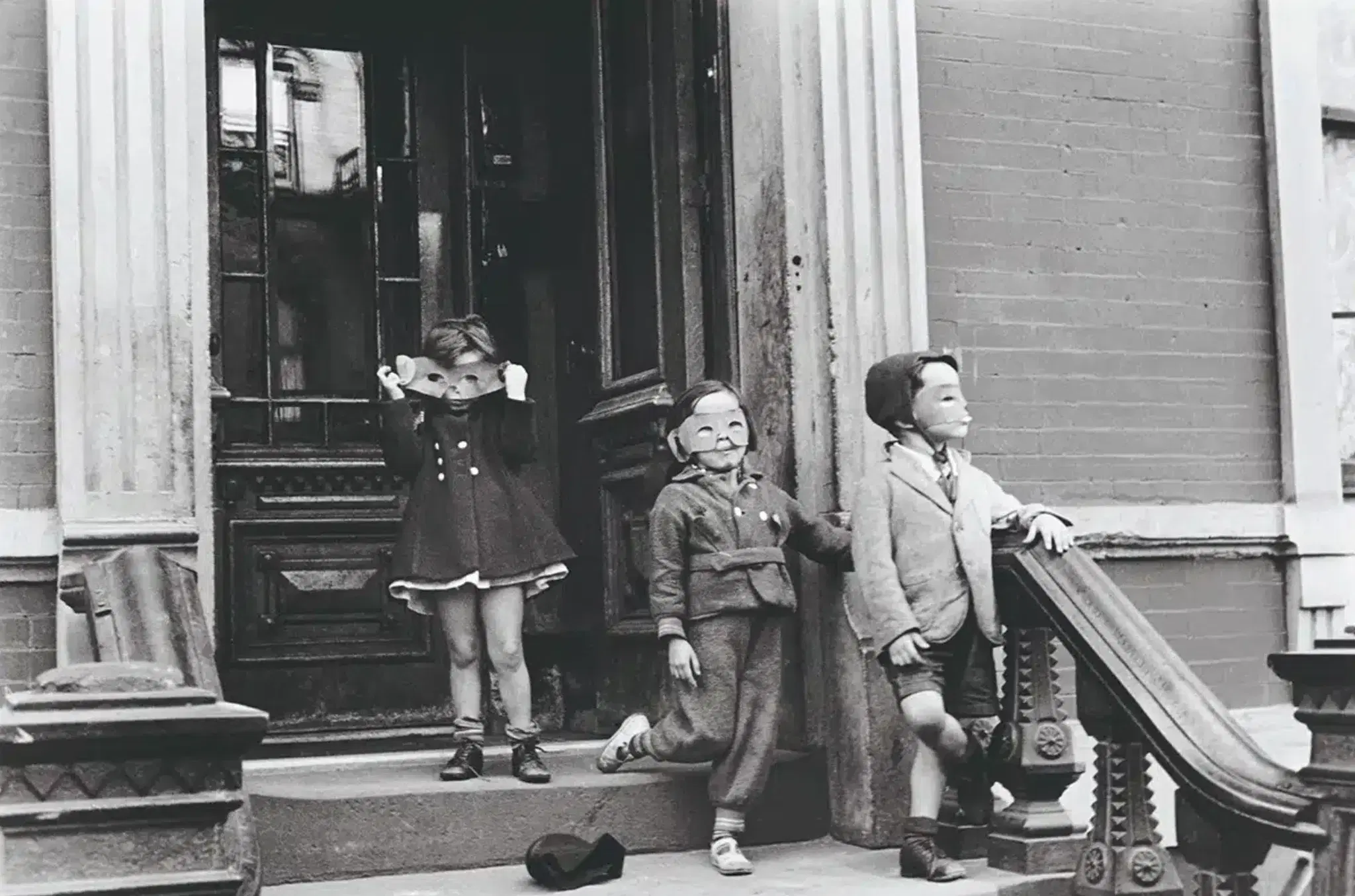
Helen Levitt
19 Feb – 17 May 2026
Fundación Mapfre Sala Recoletos

Ends soon
Anders Zorn.
19 Feb – 17 May 2026
Fundación Mapfre Sala Recoletos
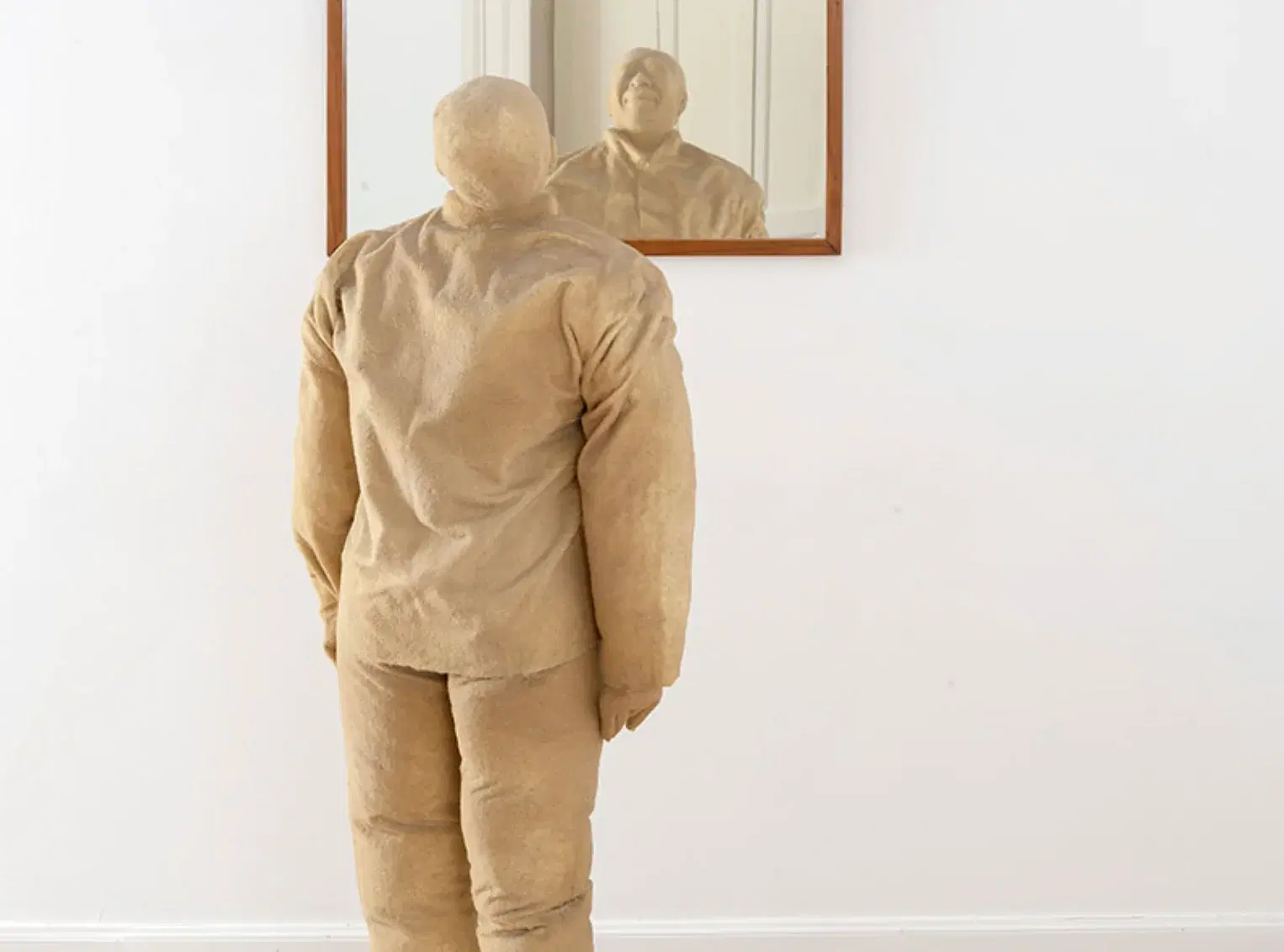
Space and Time
4 Mar – 23 May 2026
Casa de América
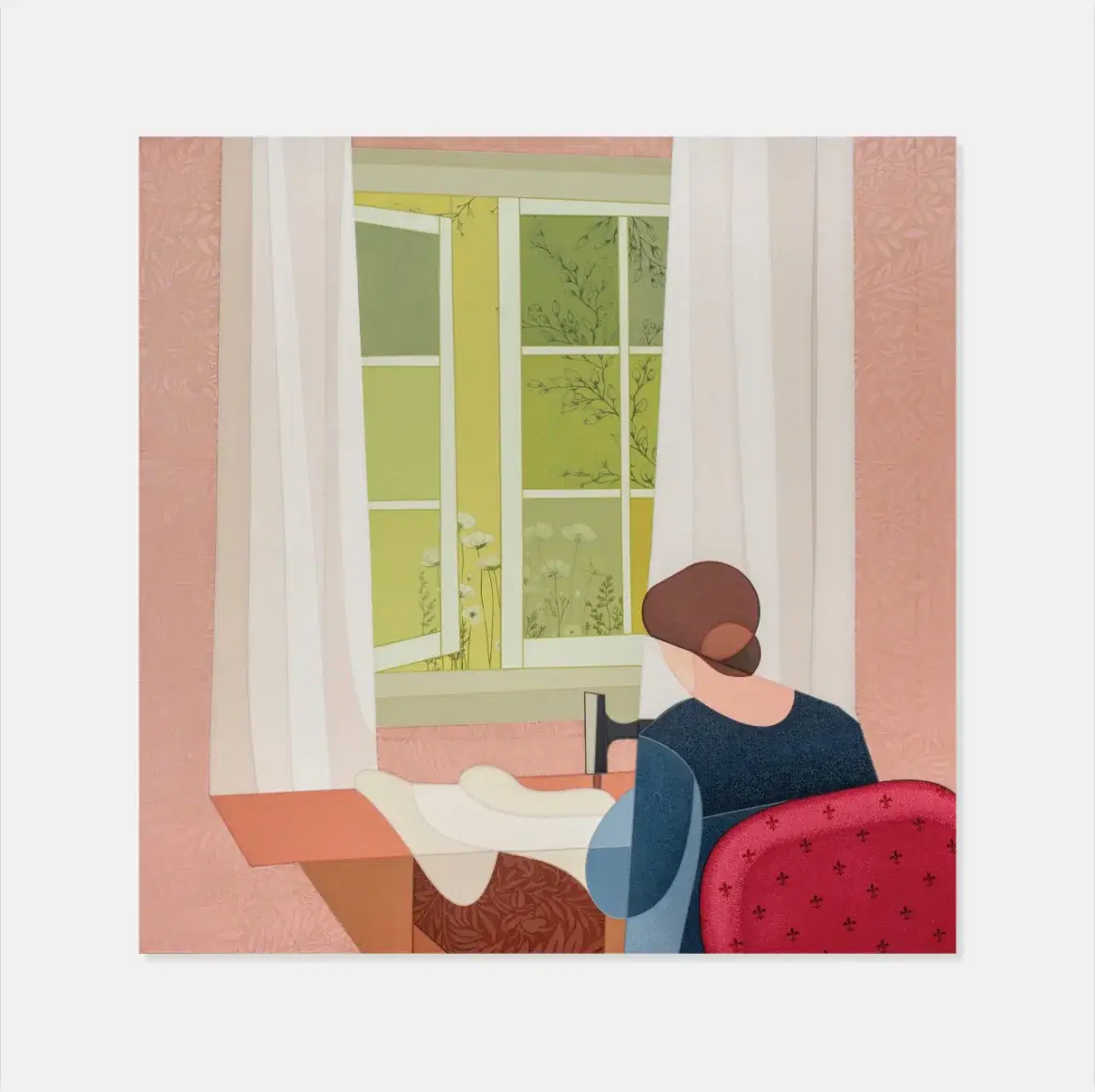
Eduardo Ponjuán. Ruy Lopez Opening
26 Feb – 23 May 2026
El Apartamento Madrid
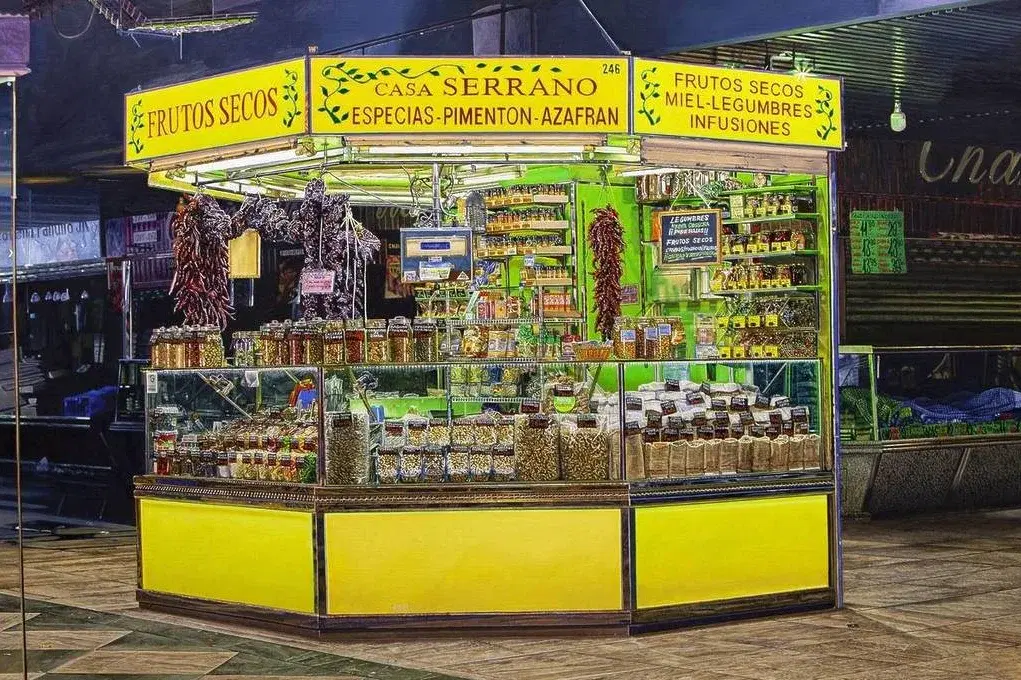
Hyperrealist Madrid
16 Dec 2025 – 24 May 2026
Museum of History of Madrid
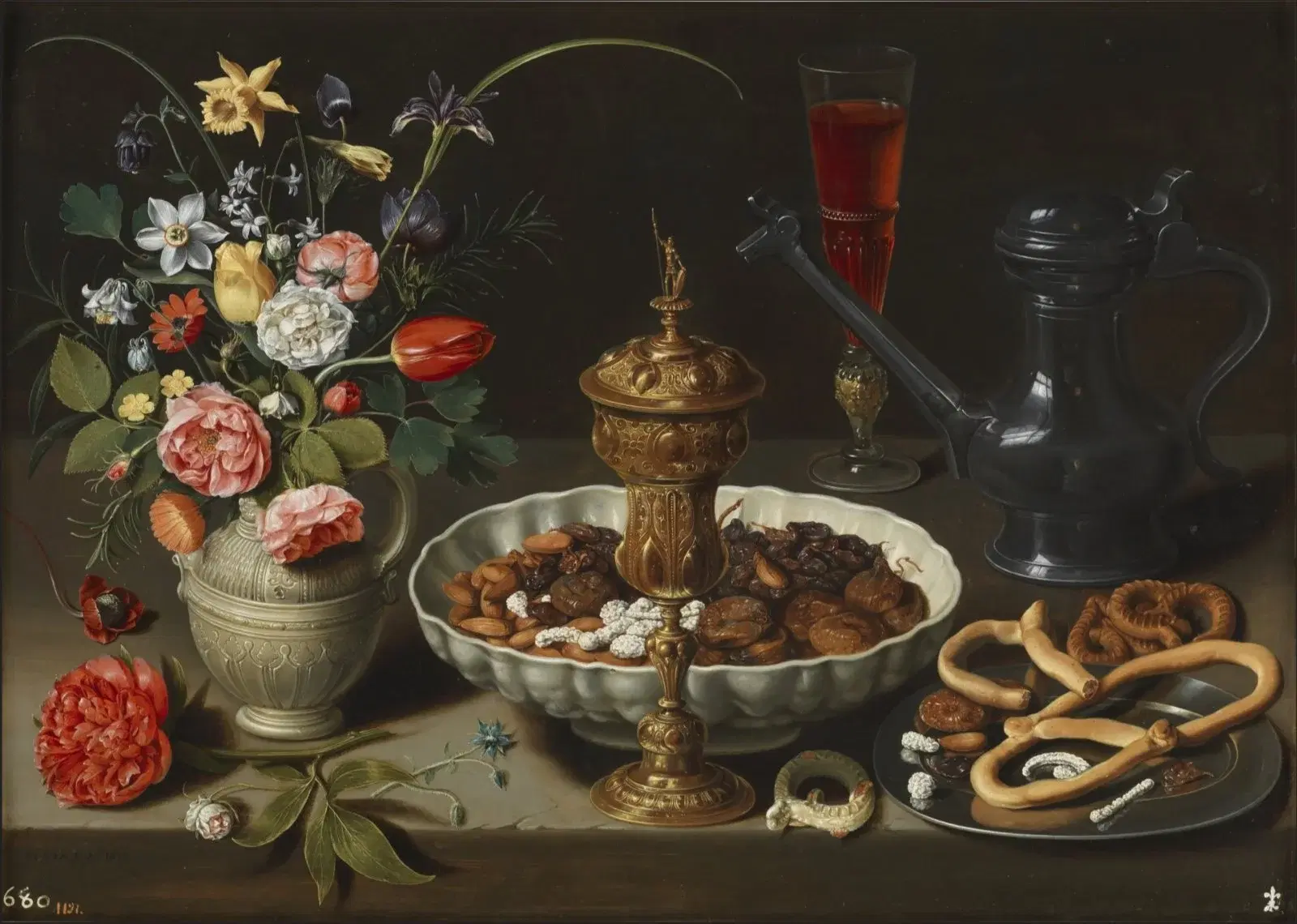
The Female Perspective
12 Jan – 24 May 2026
Museo Nacional del Prado