Gustave Courbet. Realist and Rebel
Vienna, Austria
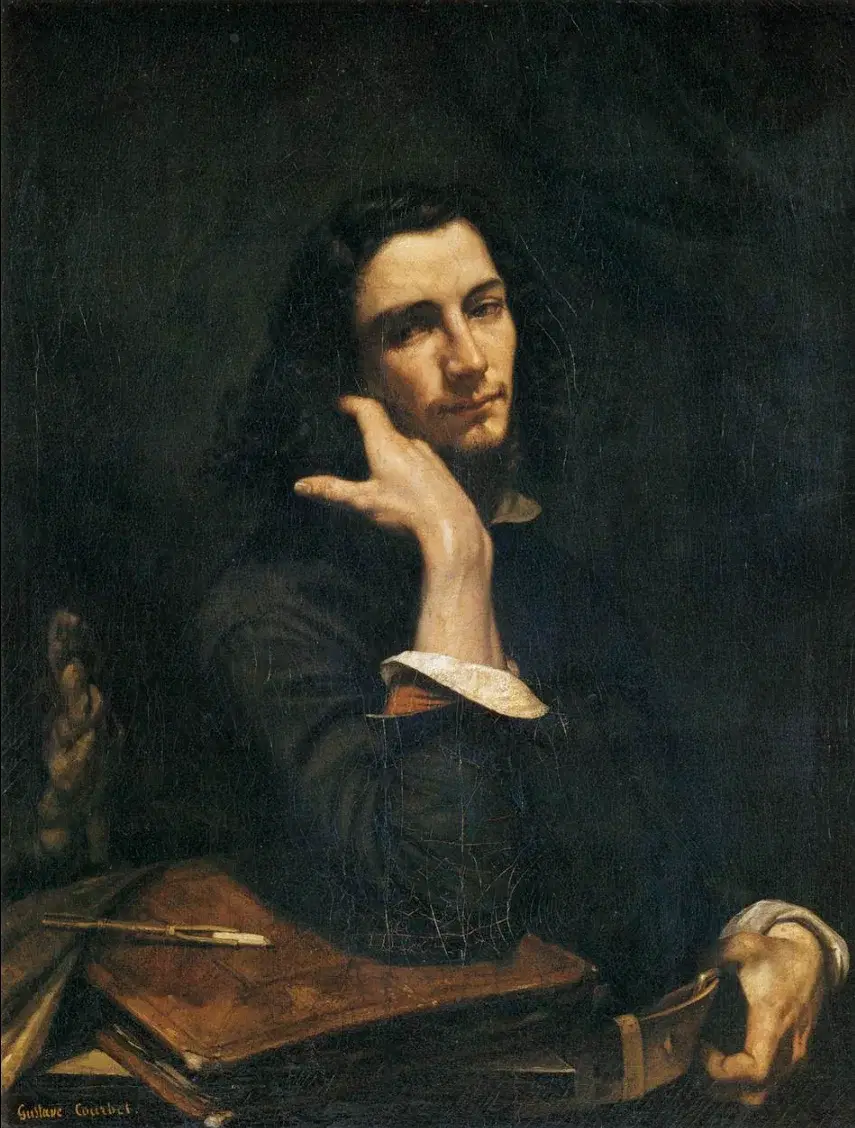
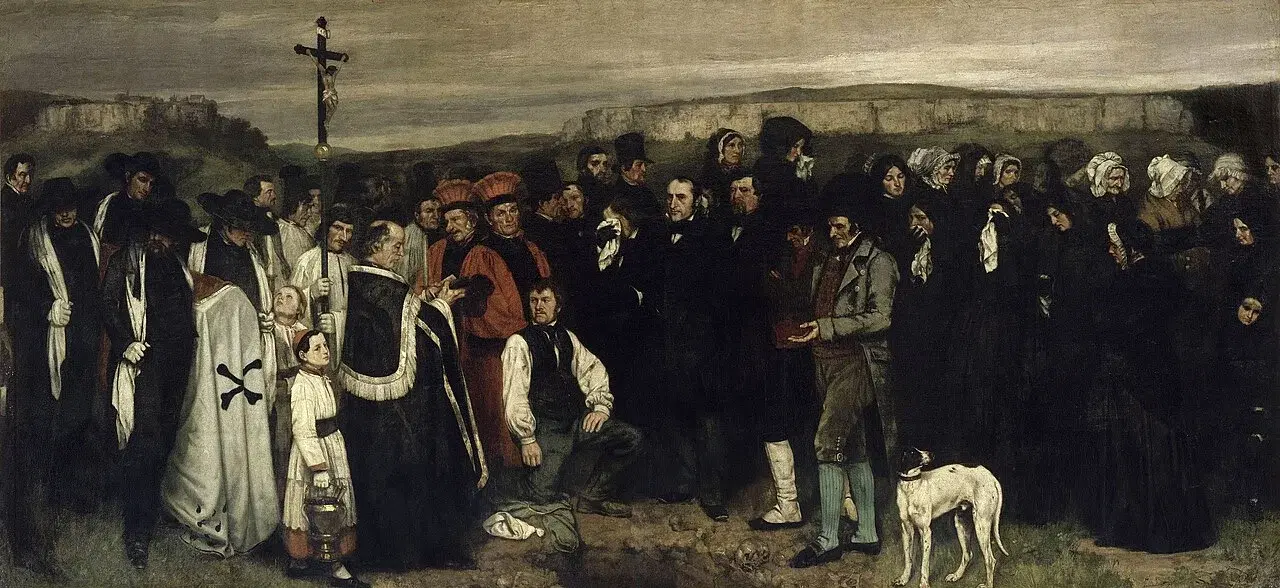
Gustave Courbet was born on June 10, 1819, in Ornans, a small town in the Franche-Comté region of eastern France. Largely self-taught, he developed his craft by studying the works of the Dutch and Spanish masters in the Louvre, absorbing their techniques while forging a radically independent artistic vision. He rose to prominence in the late 1840s with monumental canvases such as A Burial at Ornans and The Stone Breakers, which scandalised the Parisian art world by presenting ordinary working people with the same grandeur traditionally reserved for history painting and religion.\n\nCourbet was a fierce champion of artistic and political freedom. He rejected admission to the prestigious École des Beaux-Arts and organised his own independent exhibition — the Pavilion of Realism — alongside the 1855 Exposition Universelle, an act of defiance that set a precedent for generations of avant-garde artists. His involvement in the Paris Commune of 1871 led to his imprisonment and, eventually, exile in Switzerland, where he died in La Tour-de-Peilz in 1877. His legacy as the father of Realism profoundly shaped Impressionism and all subsequent movements that valued direct observation of the world.
Courbet is basically a goldmine of art-world drama. Here are a few stories that feel very Artlovers-coded—rebellion, ego, scandal, and a bit of chaos:
The defiant father of Realism, Gustave Courbet elevated everyday labourers and rural life to the grandeur of history painting, forever changing what art could be about. Courbet wasn’t just painting differently—he was redefining: who art is for
, how it’s shown and who controls it
Basically: he turned art into a statement of independence + identity
Plan your visit — these exhibitions are on view now.
Don’t stop here