Henri Rousseau, The Ambition of Painting
Paris, France
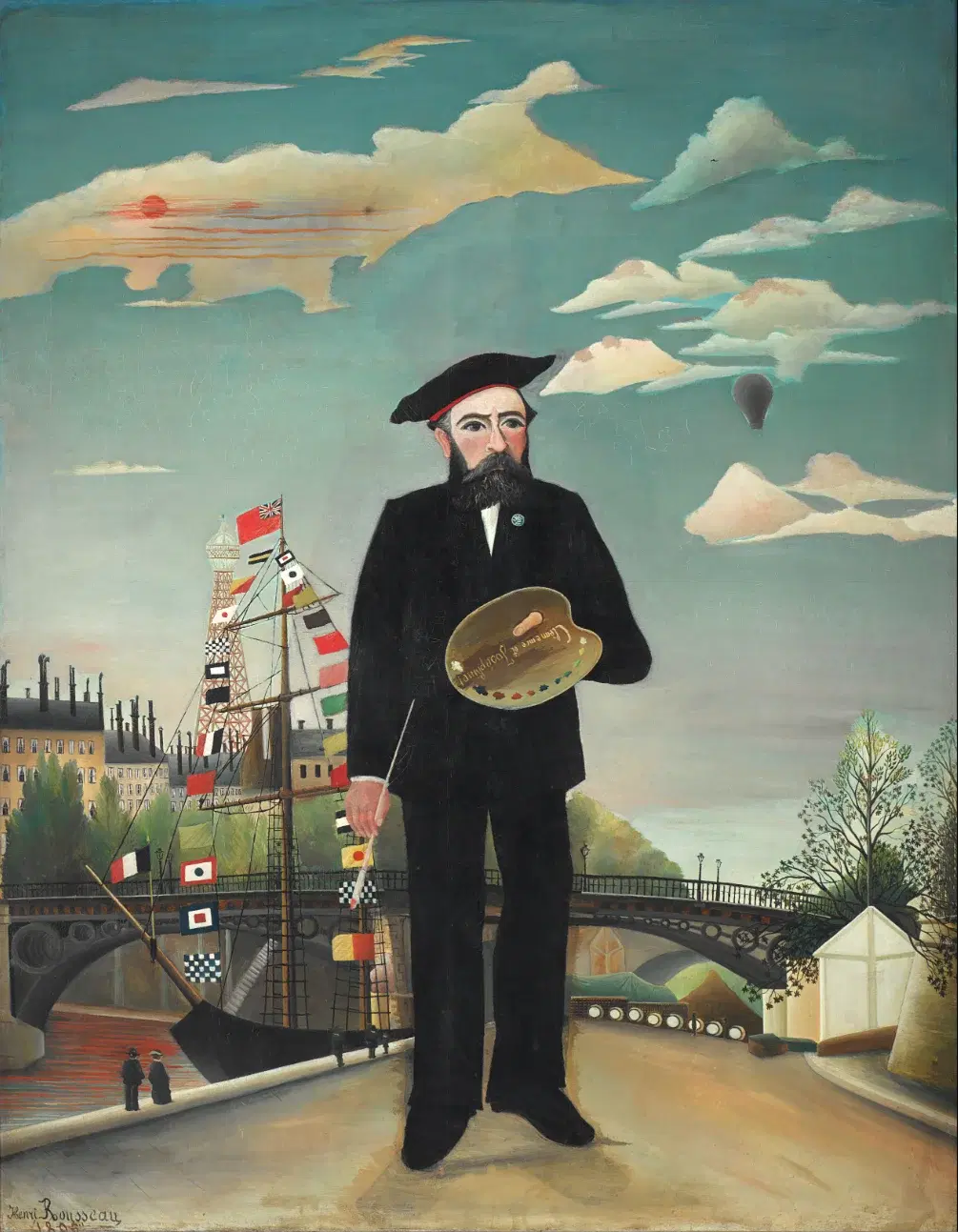
Born in northwestern France in 1844, Henri Rousseau didn’t take the typical path to becoming a world-famous artist. After serving in the Franco-Prussian War, he spent years working as a modest customs official in Paris—a job that led to his famous nickname, ‘le Douanier’ (the Customs Officer). He didn’t start painting seriously until he was in his forties, and because he was entirely self-taught, he skipped the traditional art schools. Instead, he shared his work at the Salon des Indépendants, a unique exhibition space where any artist could show their work without needing a jury’s approval.
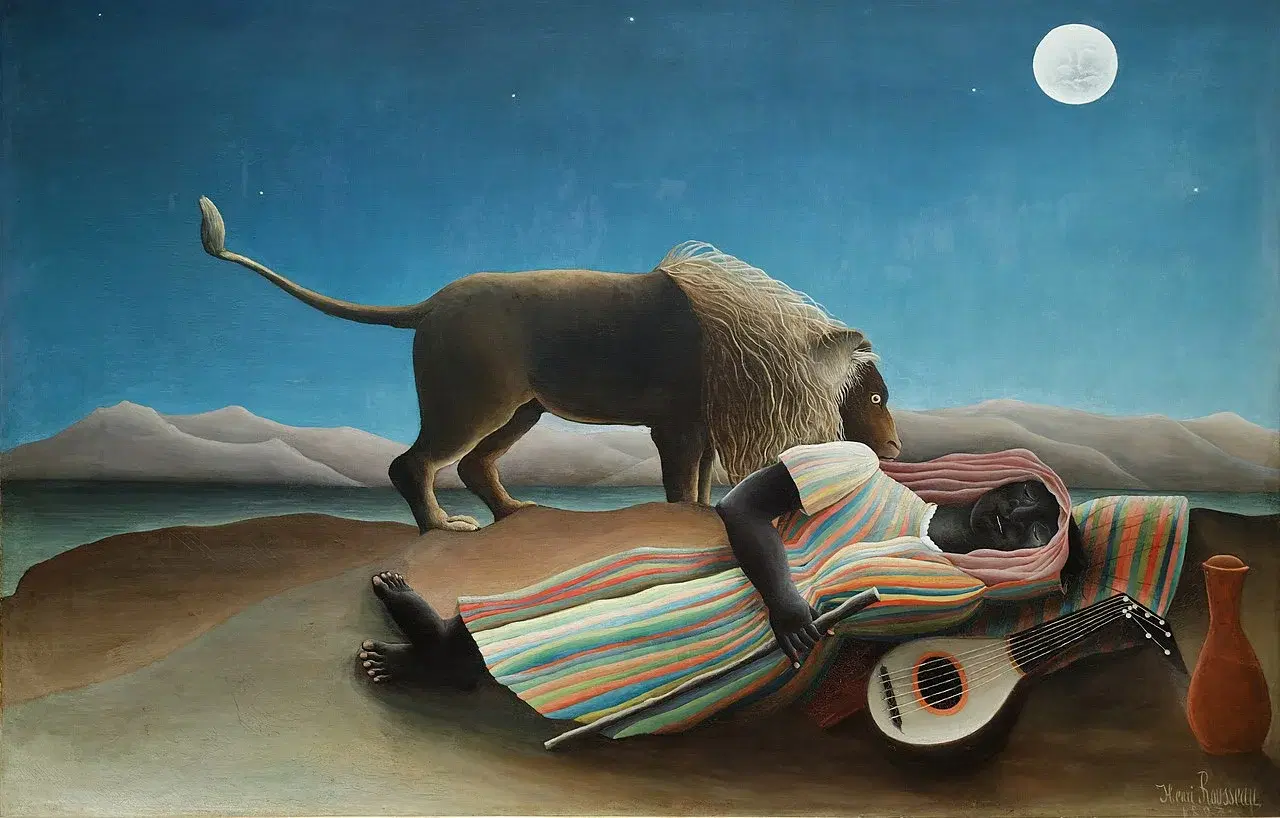
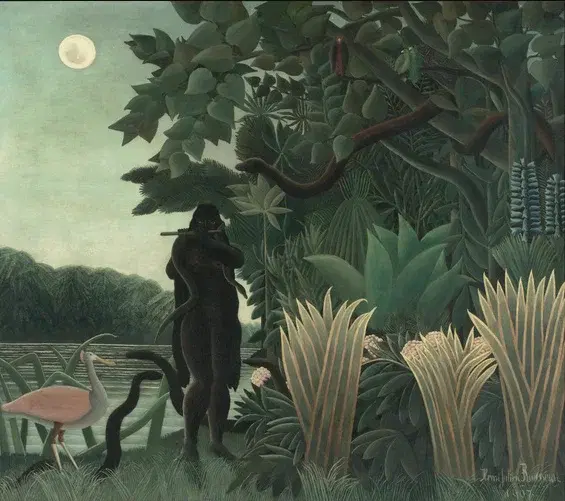
Rousseau’s art remains one of the most delightful surprises of the 19th century. Although his style was technically simple and 'naive,' his paintings are some of the most original and captivating works of the Impressionist era. He is best known for his lush, imaginary jungle scenes filled with exotic animals, moonlit skies, and dreaming figures. Rousseau often claimed these scenes were inspired by his military service in Mexico, but that was likely just a tall tale; in reality, he found his inspiration much closer to home in Parisian botanical gardens and illustrated magazines. Despite being made up, the incredible detail and hypnotic stillness of these landscapes have a power that no formal training could ever teach.
When Rousseau passed away in 1910, he was largely unknown by the general public. However, he had earned the respect of fellow visionaries like Pablo Picasso, who once hosted a legendary banquet in his honor, and the poet Guillaume Apollinaire. Today, Rousseau is celebrated as a founding father of naive art and a major influence on the Surrealists. His iconic jungle canvases, such as The Sleeping Gypsy and The Dream, have become some of the most beloved and recognizable images in all of modern art.
The self-taught Parisian customs officer who painted hallucinatory jungles he never visited, becoming the unlikely godfather of naive art and an inspiration for Picasso and the Surrealists.
Plan your visit — these exhibitions are on view now.
Don’t stop here