Peter Paul Rubens
- 1577 – 1640
- Belgian
- Baroque
A brief story
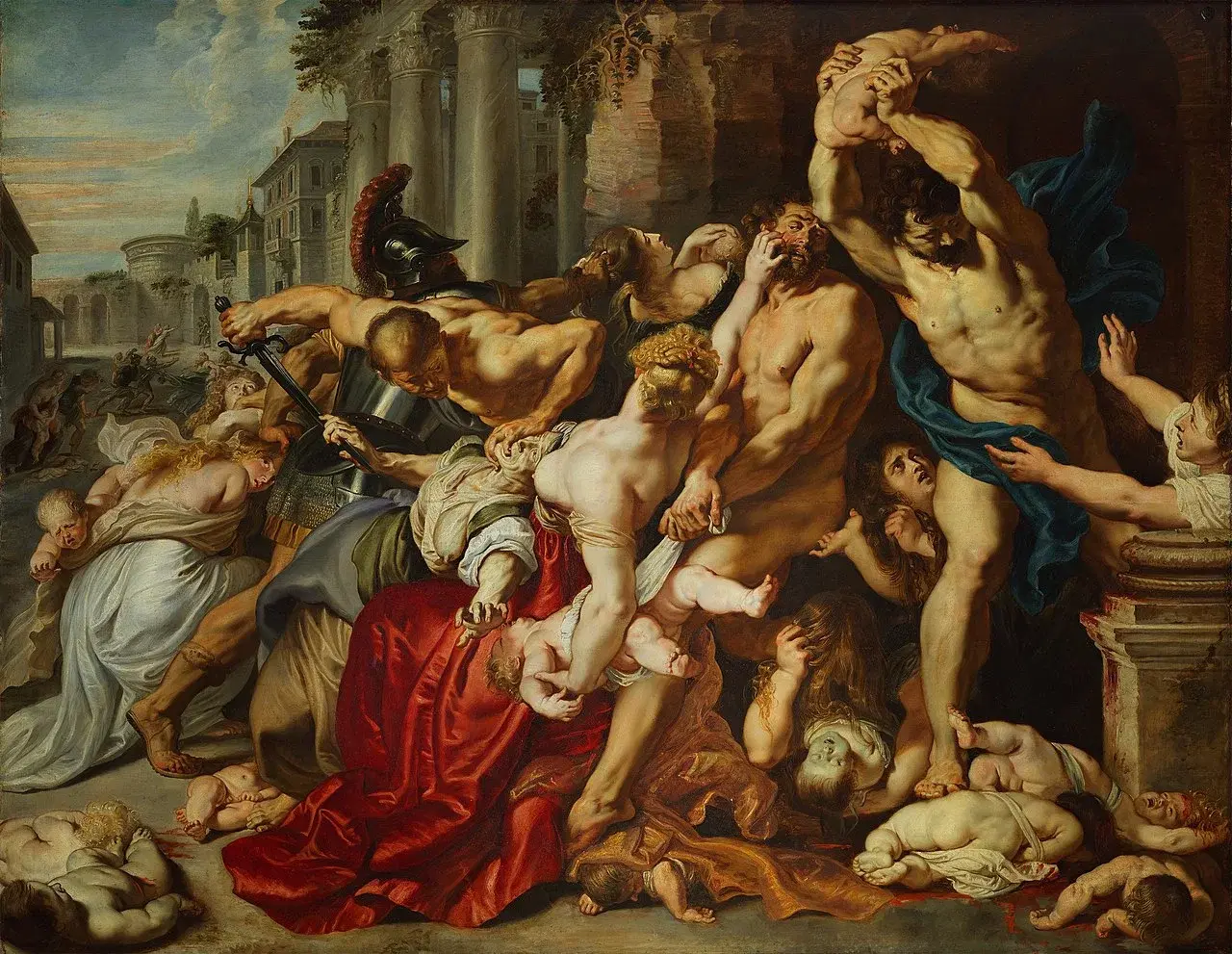
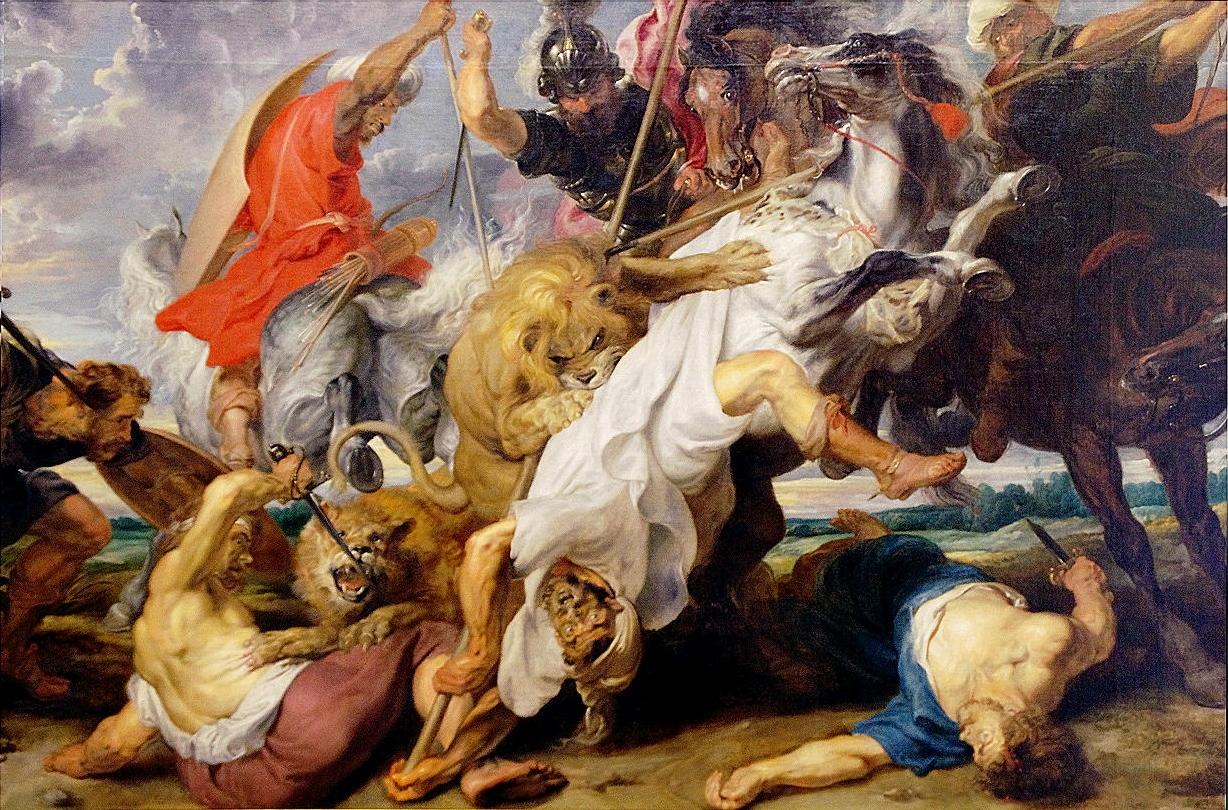
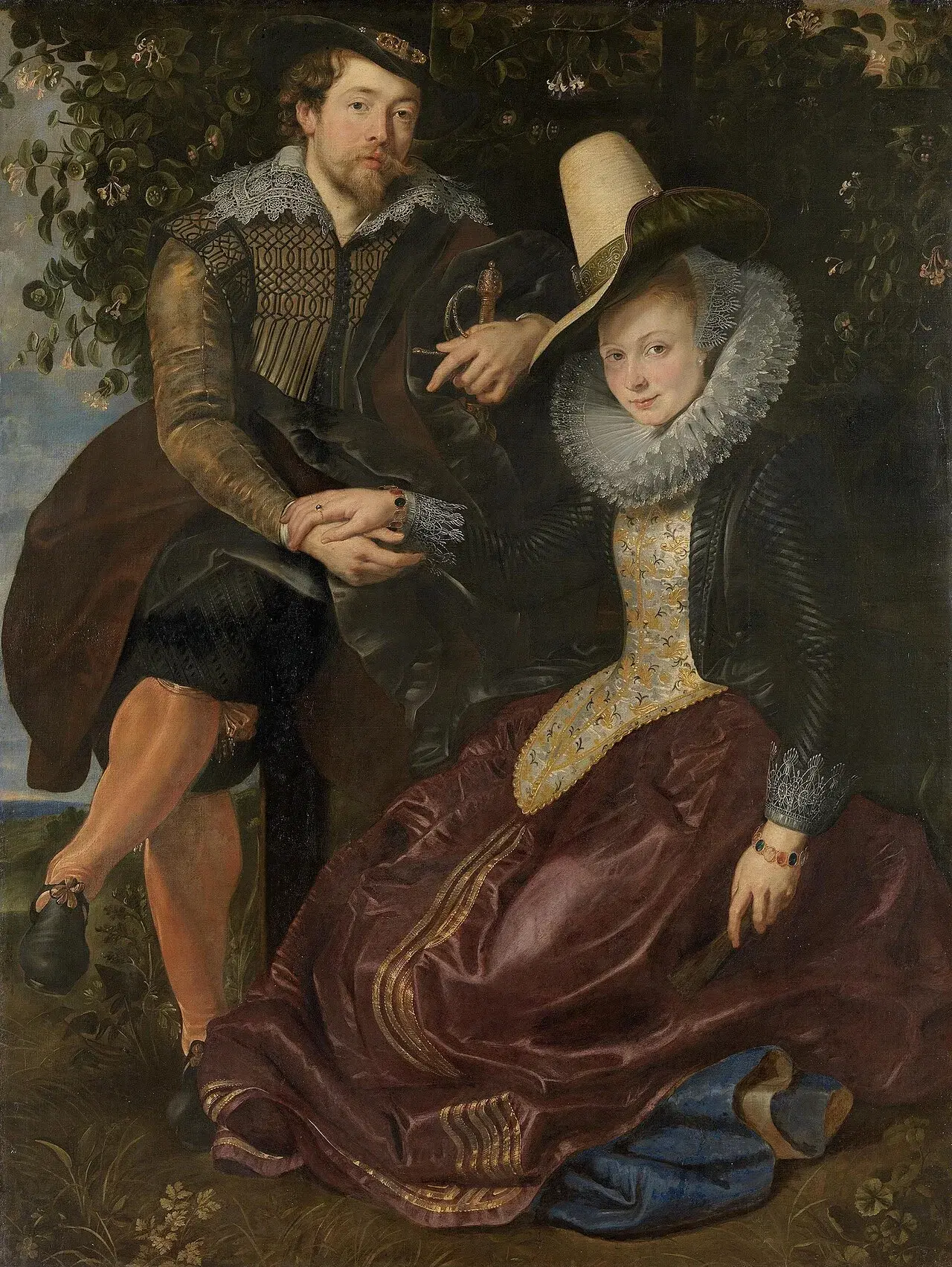
Peter Paul Rubens was born on June 28, 1577, in Siegen, Westphalia (in present-day Germany), to an Antwerp family that returned to the Spanish Netherlands after his father's death. He trained under several Antwerp masters before travelling to Italy in 1600, where eight formative years in Mantua, Rome, and Genoa allowed him to absorb the monumental energy of Michelangelo, the colour harmonies of Titian, and the dramatic light of Caravaggio. Back in Antwerp by 1608, he was appointed court painter to the Archdukes Albert and Isabella and quickly built the most celebrated studio workshop in northern Europe.\n\nRubens's output was extraordinary in both scale and variety. His altarpieces, mythological cycles, hunting scenes, and portraits defined the visual language of Counter-Reformation Baroque: dynamic compositions bursting with muscular figures, rich drapery, and landscapes bathed in golden light. Among his most celebrated works are the Descent from the Cross triptych in Antwerp Cathedral, the Marie de' Medici cycle for the Luxembourg Palace in Paris, and numerous luminous female nudes that set the standard for sensuous beauty in Western painting.\n\nA man of remarkable intelligence and diplomatic skill, Rubens also served as a secret envoy for the Spanish crown, helping negotiate peace between Spain and England in 1630. He was knighted by both King Philip IV of Spain and King Charles I of England. He died on May 30, 1640, leaving a legacy that shaped virtually every major European painter who followed him.
Did you know?
Peter Paul Rubens was the colossus of Baroque painting, a master of dynamic compositions and luminous colour whose vast workshop output and diplomatic career made him the most influential artist of seventeenth-century Europe.
Don’t stop here