Honeysuckle Bower
Meet the artist
PPeter Paul Rubens1577–1640Belgian
Dates
1609–1610
Specifications
- Movement
- Baroque
- Medium
- Oil Painting
- Genre
- Portrait
About the Artwork
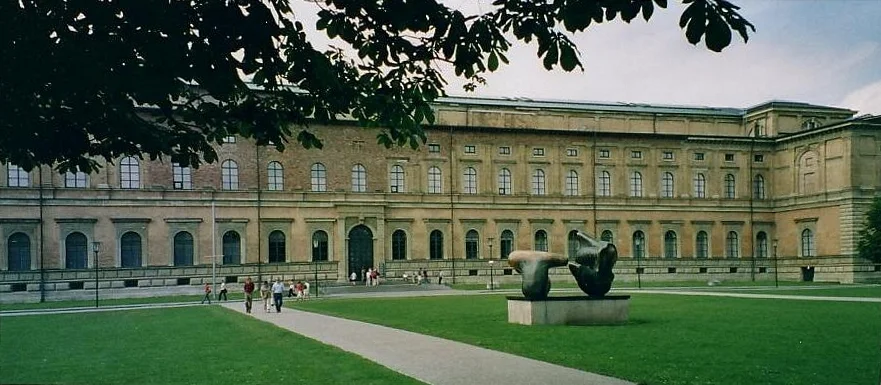
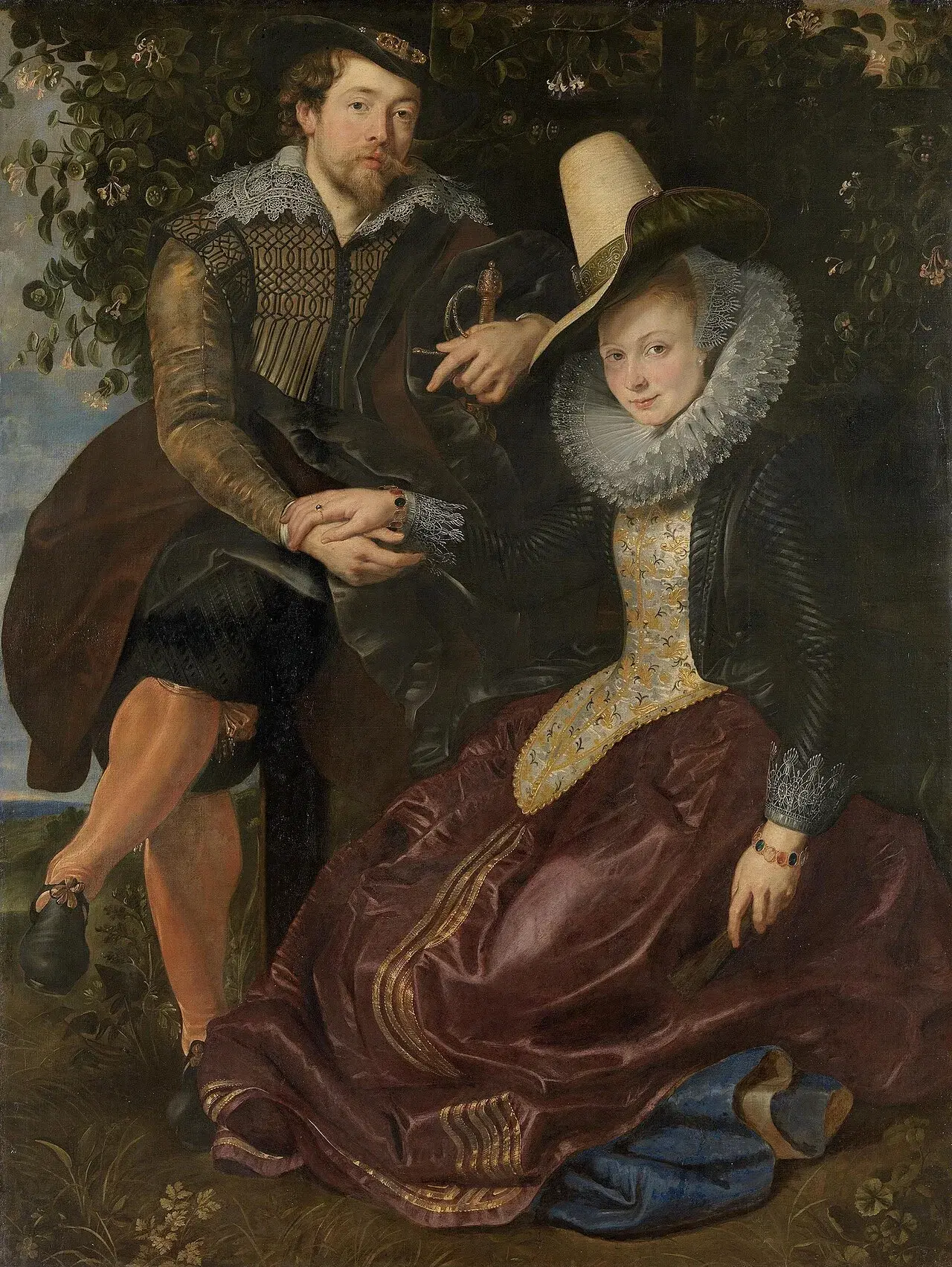
Honeysuckle Bower, painted around 1609, is one of the most intimate and personal works in Peter Paul Rubens's vast output — a double portrait of the artist himself and his newly wed wife, Isabella Brant. The couple had married on October 3, 1609, at St. Michael's Abbey in Antwerp, shortly after Rubens returned from eight years in Italy, and the painting was almost certainly made to mark the occasion. The two figures are seated together in a garden setting, richly dressed and at ease, with a climbing vine of honeysuckle overhead. Their joined right hands — a gesture known as the dextrarum iunctio — is a traditional symbol of the marriage bond, while the garden itself evokes the classical idea of the garden of love.\n\nRubens presents himself as a gentleman of standing rather than a tradesman: his left hand rests on the hilt of a sword, a prop reserved for the nobility, reflecting his ambitions for aristocratic status. Isabella leans lightly toward him, serene and composed. The painting is warm in tone and remarkably tender for an artist more often associated with grand mythological tumult and biblical drama. Gifted to the Alte Pinakothek in Munich in 1805 as part of the Düsseldorf Collection, it remains one of the most beloved portraits of the Baroque period.
Don’t stop here
More to explore by Peter Paul Rubens
Same feeling, different artists