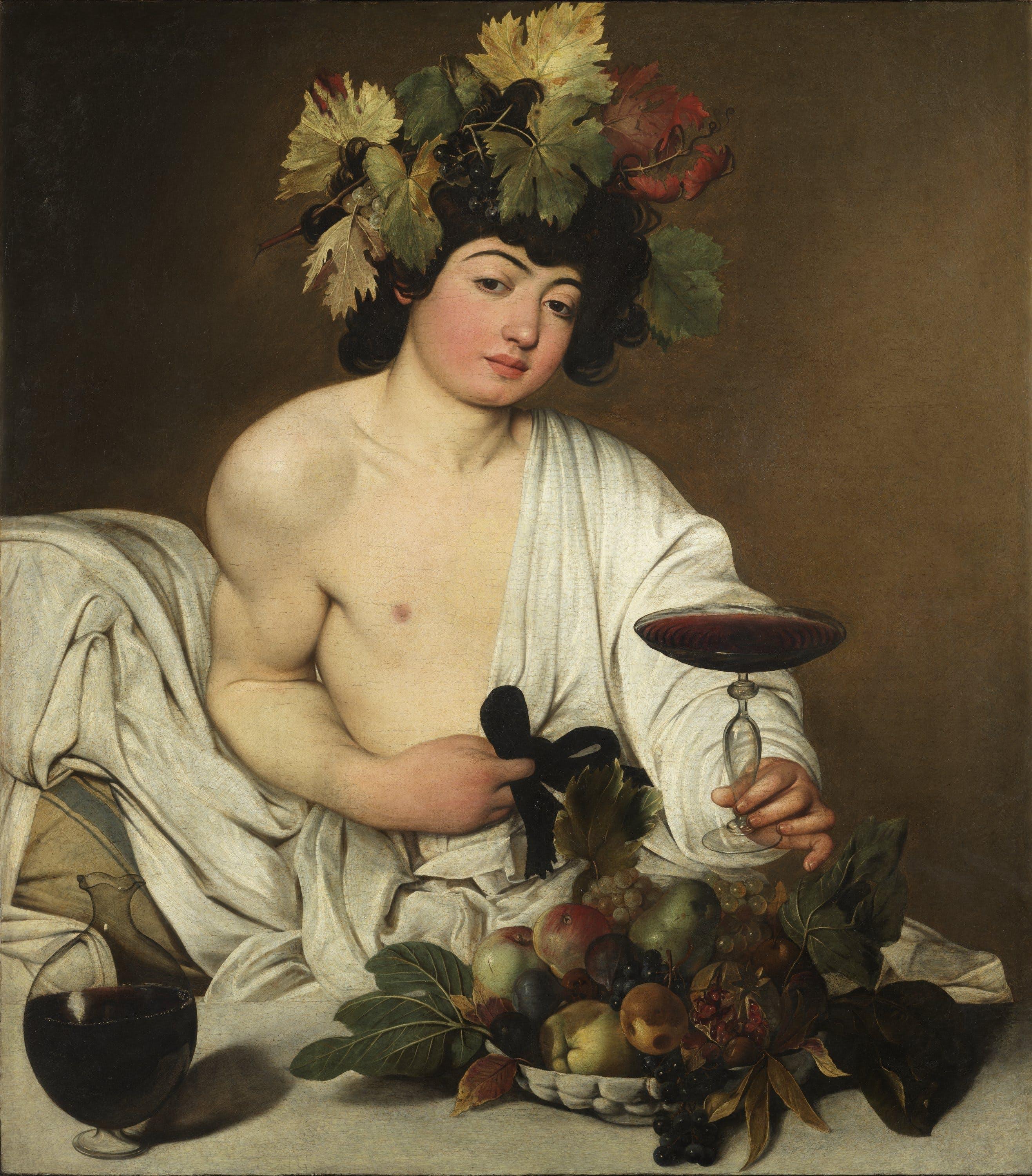
Caravaggio
- 1571 – 1610
- Italian
- Baroque
A brief story
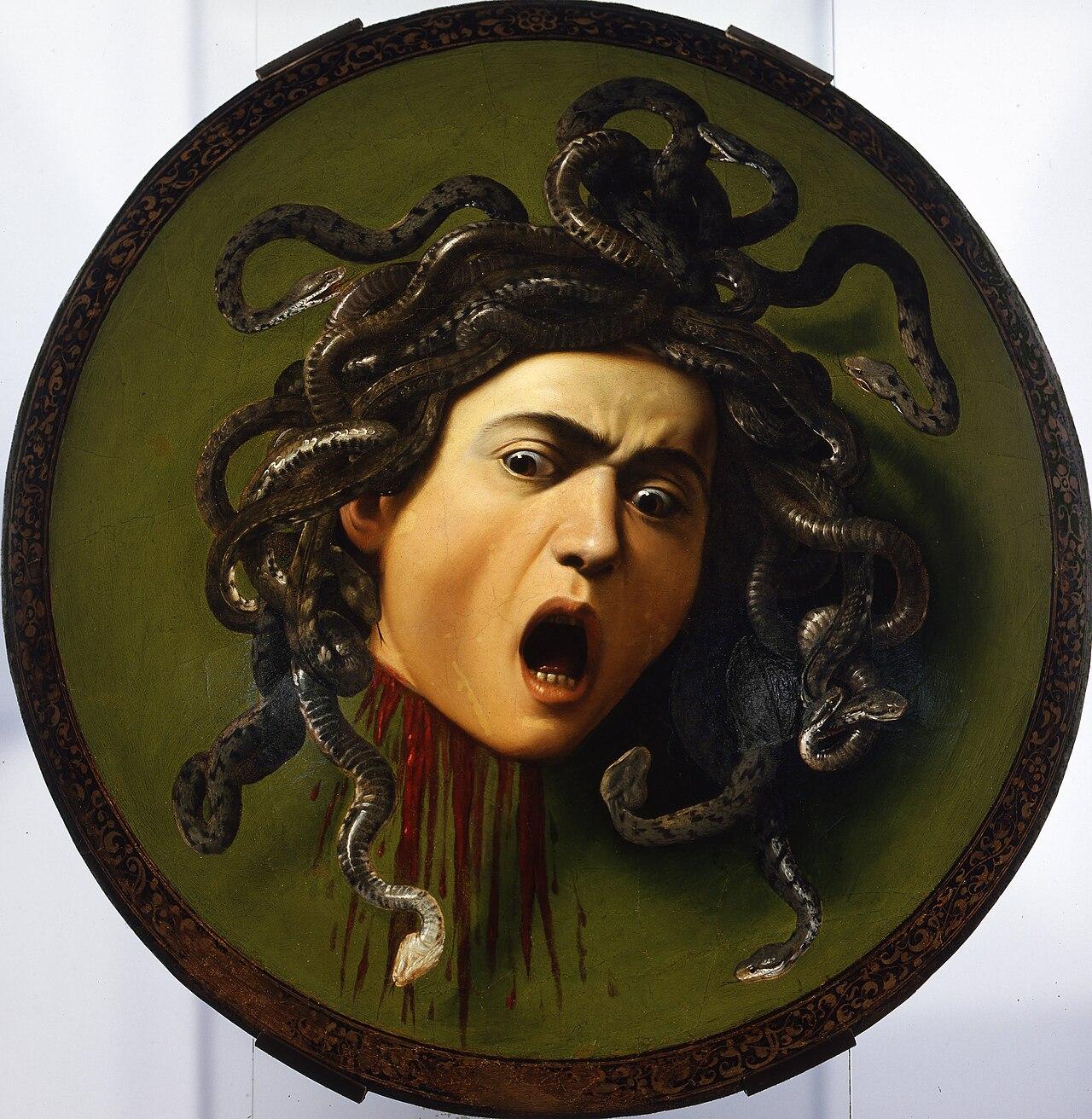
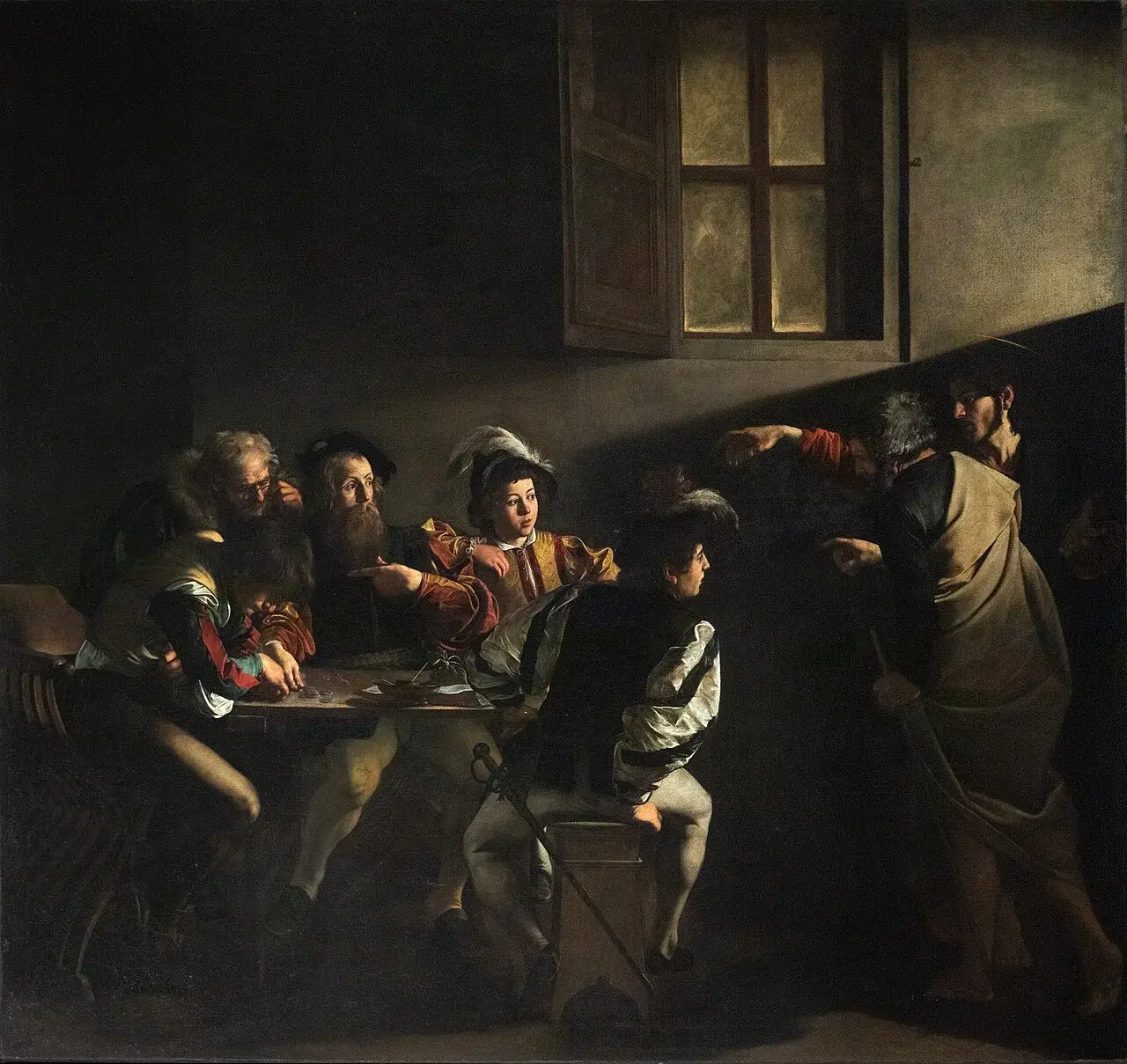
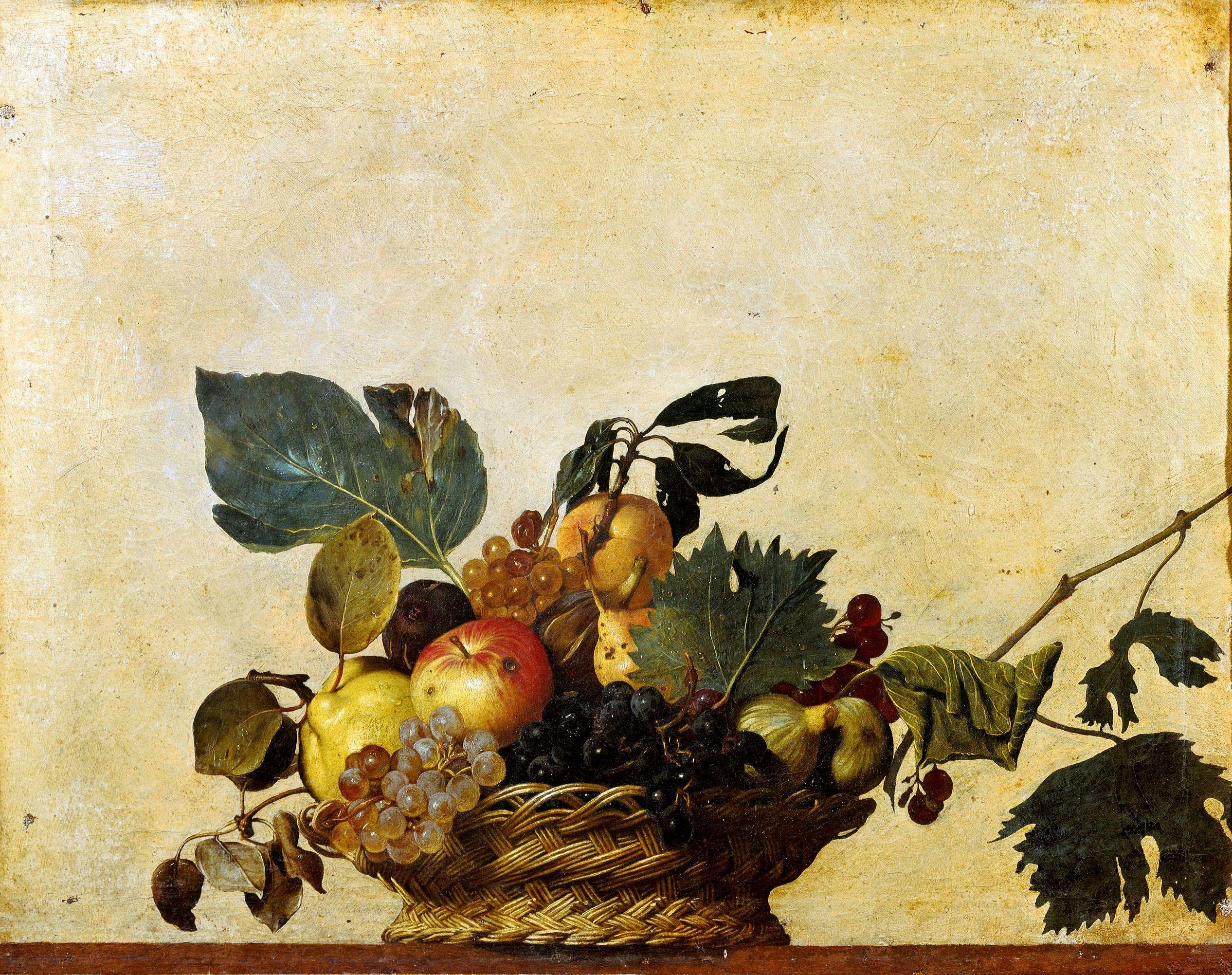
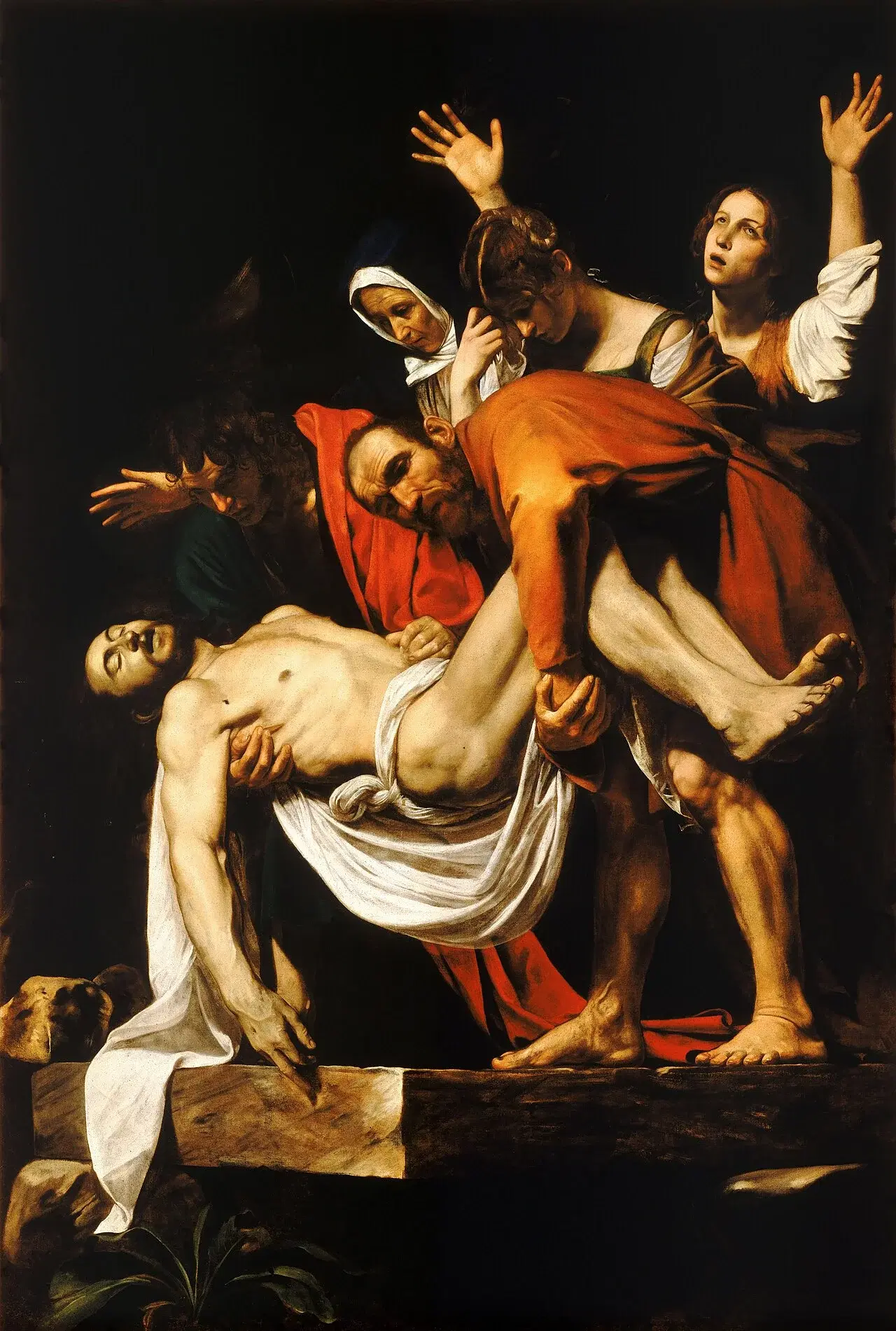
Michelangelo Merisi da Caravaggio was born on September 29, 1571, in Milan, though his family had roots in the Lombard town of Caravaggio. After early training under the Milanese painter Simone Peterzano, he moved to Rome around 1592 and struggled for several years before Cardinal Francesco Maria Del Monte became his first significant patron. The commissions for the Contarelli Chapel in San Luigi dei Francesi (c. 1599–1600), featuring three large scenes from the life of Saint Matthew, established him as the most radical and talked-about painter in Rome.\n\nCaravaggio's revolutionary contribution was tenebrism — the dramatic use of extreme contrasts between deep shadow and concentrated light to sculpt form and focus attention. He painted directly from life without preparatory drawings, using working-class Roman models even for sacred figures, a practice that shocked contemporaries who expected idealised religious imagery. His canvases — the Calling of Saint Matthew, Judith Beheading Holofernes, the Supper at Emmaus, David with the Head of Goliath — combine intense psychological realism with theatrical lighting of extraordinary power.\n\nCaravaggio's personal life was as turbulent as his art was innovative. He killed a man in a brawl in Rome in 1606 and spent his remaining years as a fugitive, working in Naples, Malta, Sicily, and back in Naples again. He died under mysterious circumstances on July 18, 1610, near Port'Ercole on his way back to Rome. His influence on Baroque painting was immense, shaping artists from Artemisia Gentileschi to Rembrandt and Velázquez.
Did you know?
Caravaggio revolutionised Western painting with his brutal tenebrism and unflinching realism, placing divine subjects in the gritty world of everyday life and inspiring virtually every major Baroque painter who followed.
Don’t stop here