Edward Hopper
A brief story
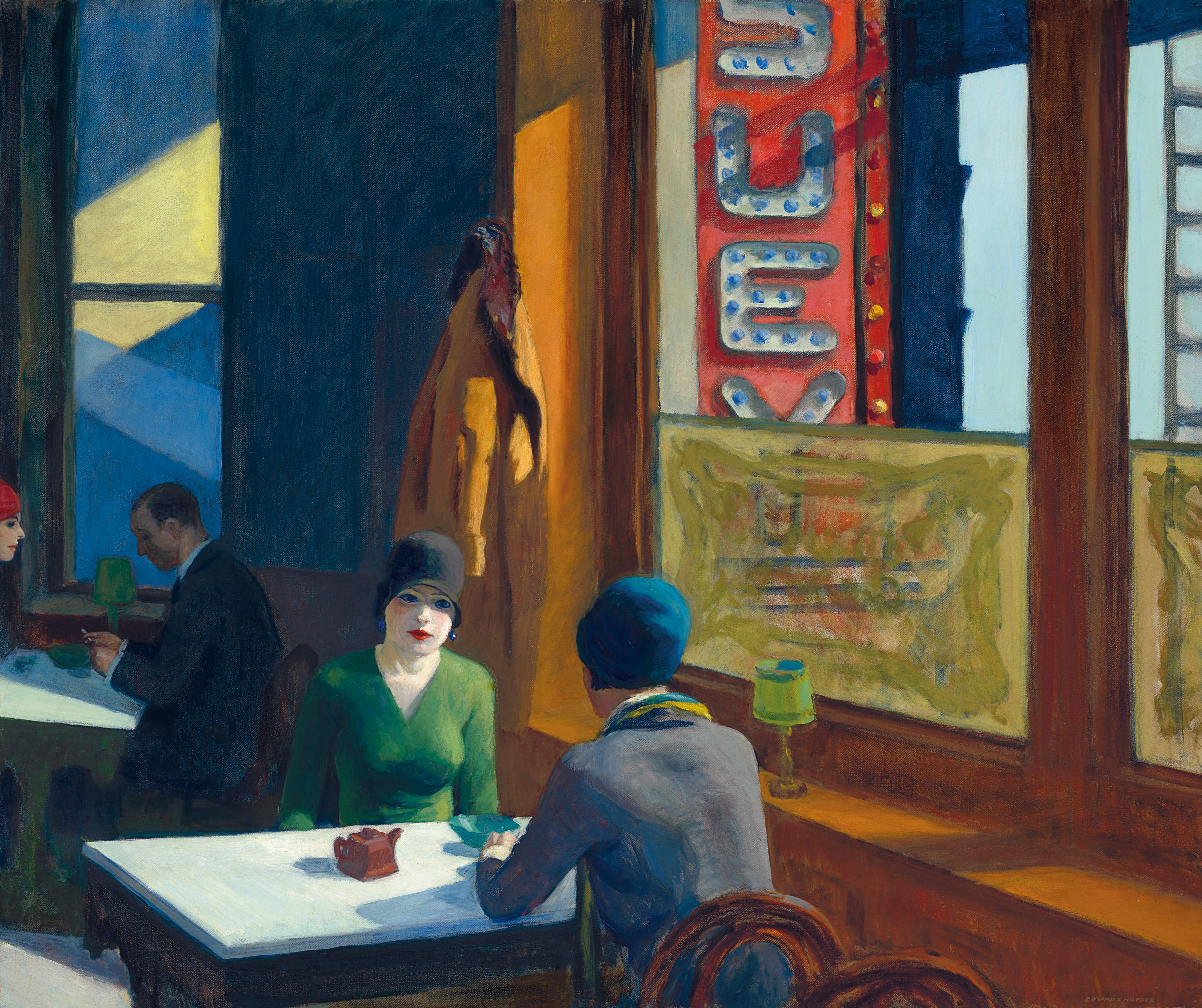
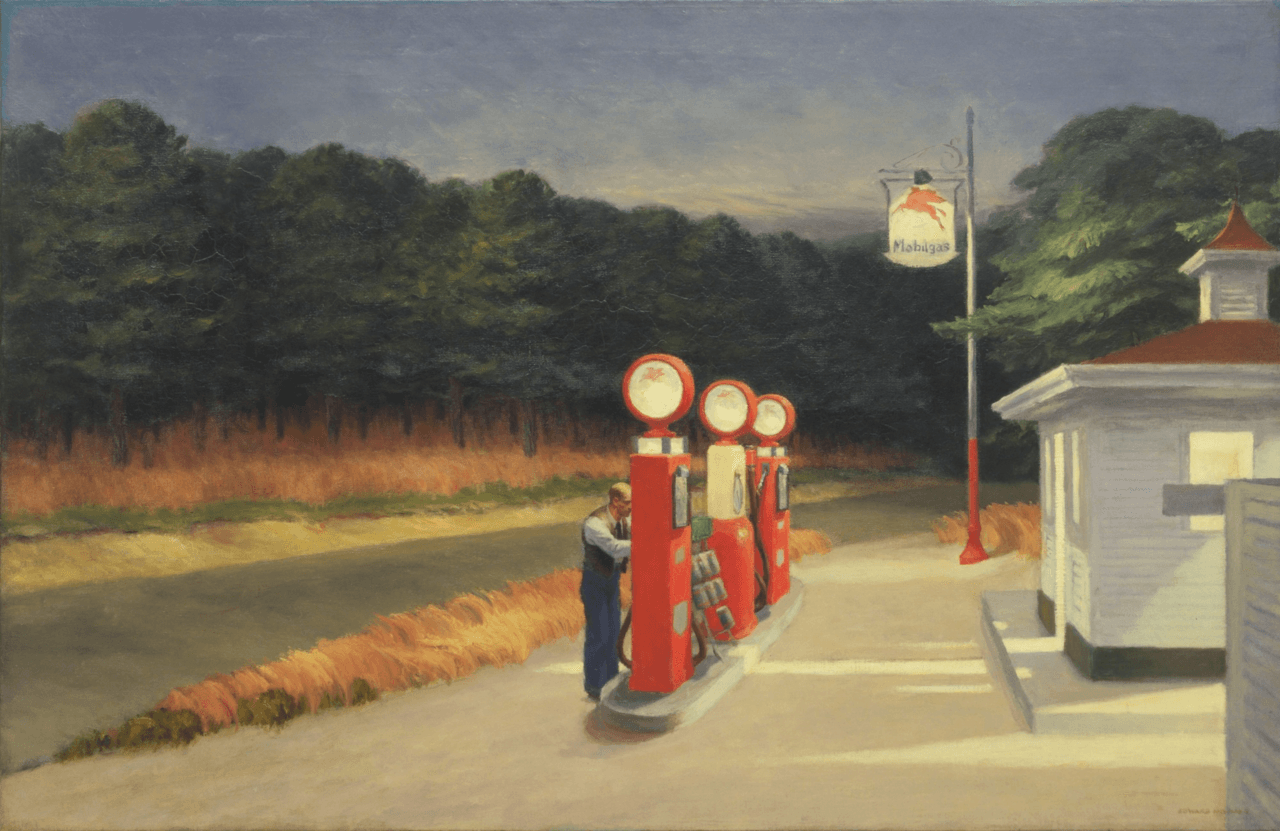
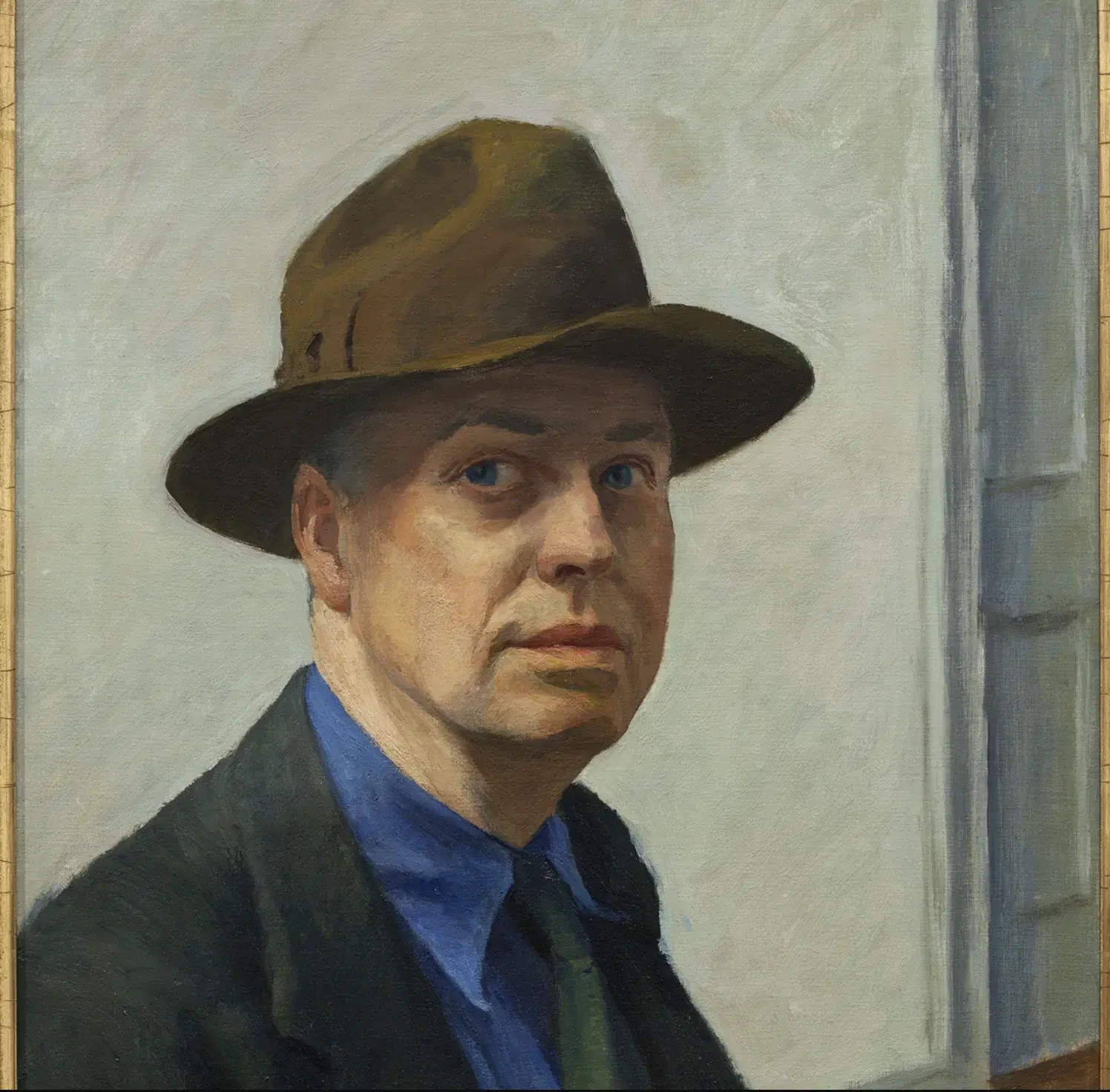
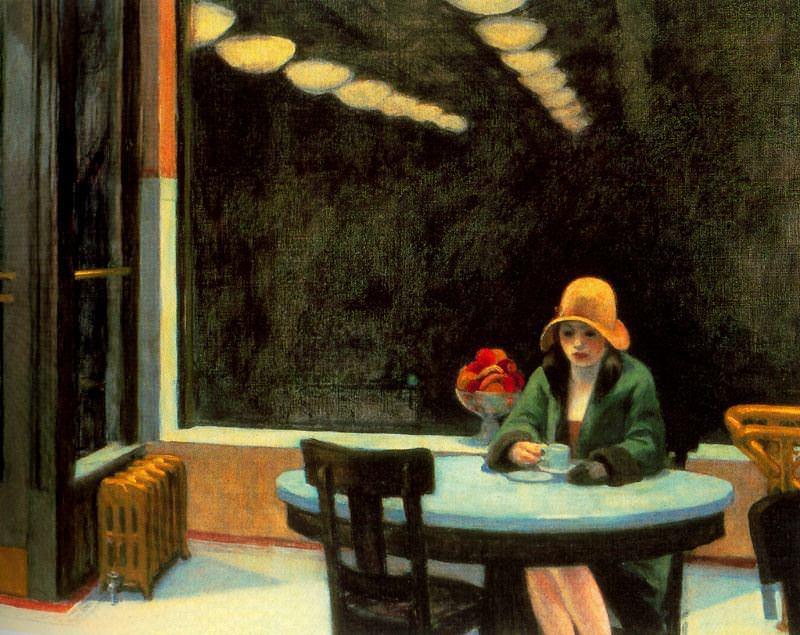
Edward Hopper was a realist painter and printmaker, one of America's most renowned artists and known for his skill in depicting modern American life and landscapes. Hopper's work, spanning oil paintings, watercolors, and etchings, predominantly explores themes of loneliness and isolation within American urban and rural settings.
Edward Hopper was one of the most influential American painters of the 20th century, best known for his haunting portrayals of modern life and urban solitude. His work captures quiet, suspended moments—empty streets, anonymous hotel rooms, diners, and isolated figures—often charged with a sense of psychological tension and introspection.
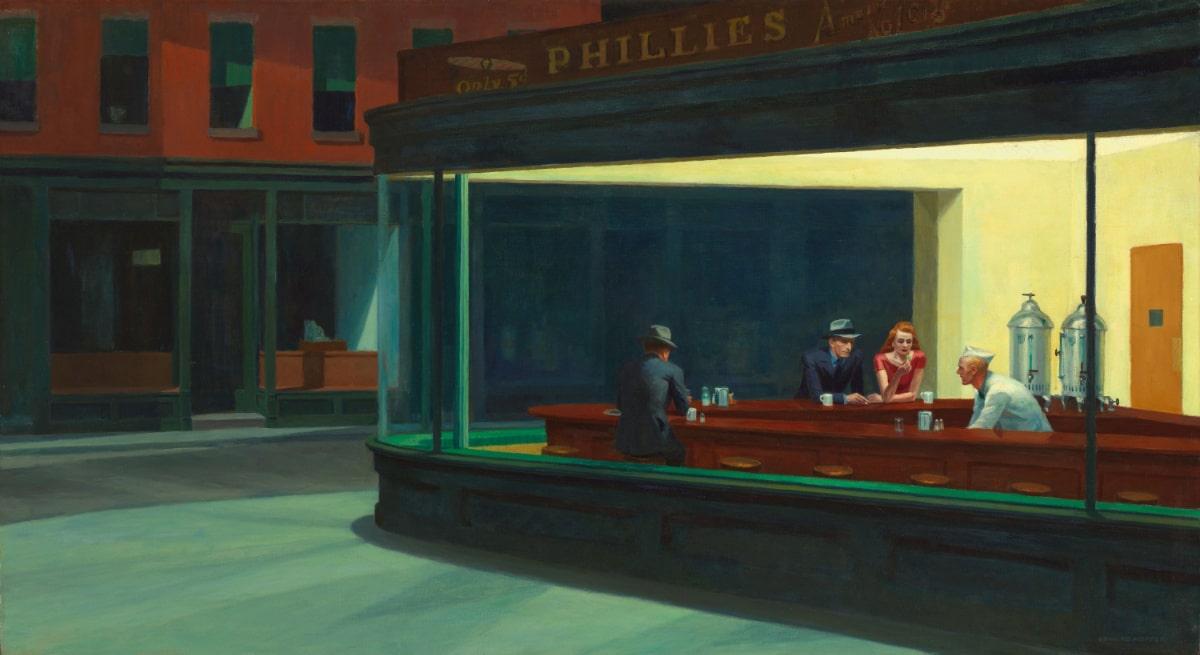
Hopper’s distinctive style is marked by precise geometry, strong contrasts of light and shadow, and a cinematic use of space. Influenced by realism and his travels in Europe, he transformed everyday scenes into powerful meditations on alienation, time, and human presence. Iconic works such as Nighthawks have become visual symbols of modern loneliness. Hopper’s influence extends far beyond painting, shaping the visual language of photography, cinema, and contemporary art, and continuing to resonate with audiences worldwide.
Did you know?
Nighthawks (1942), his most famous painting, was completed in just a few weeks and was inspired by a real diner on a New York street corner—but Hopper deliberately removed the entrance door. This subtle decision makes the scene feel sealed off from the outside world, intensifying the sense of isolation and emotional distance that defines the painting.
Don’t stop here