Gas
Meet the artist
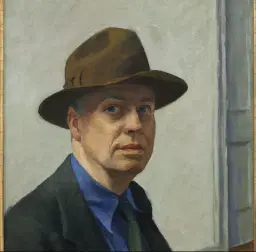
Edward Hopper1882–1967American
Dates
1940
Specifications
- Movement
- Realism
- Medium
- Oil Painting
- Genre
- Genre Painting, Landscape
About the Artwork
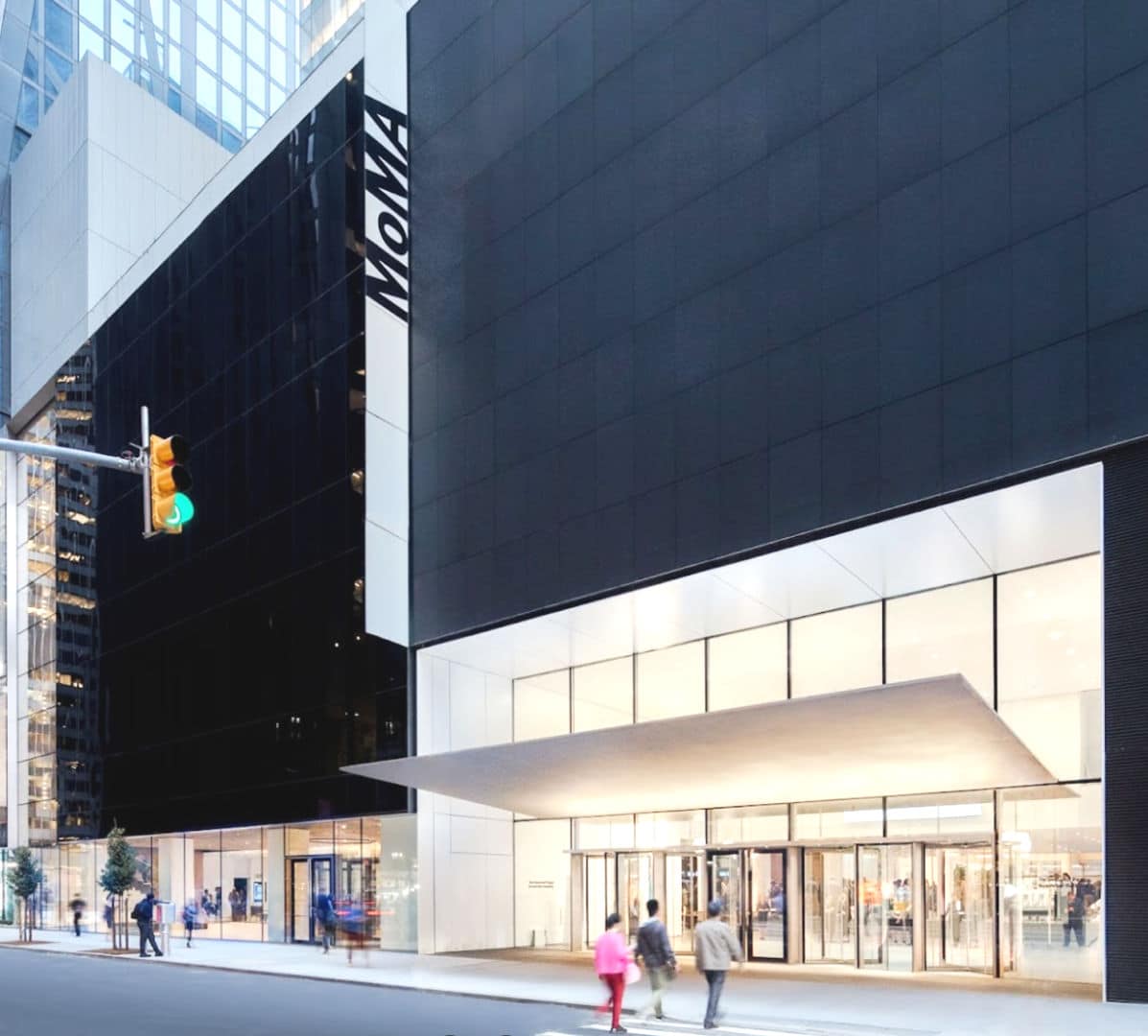
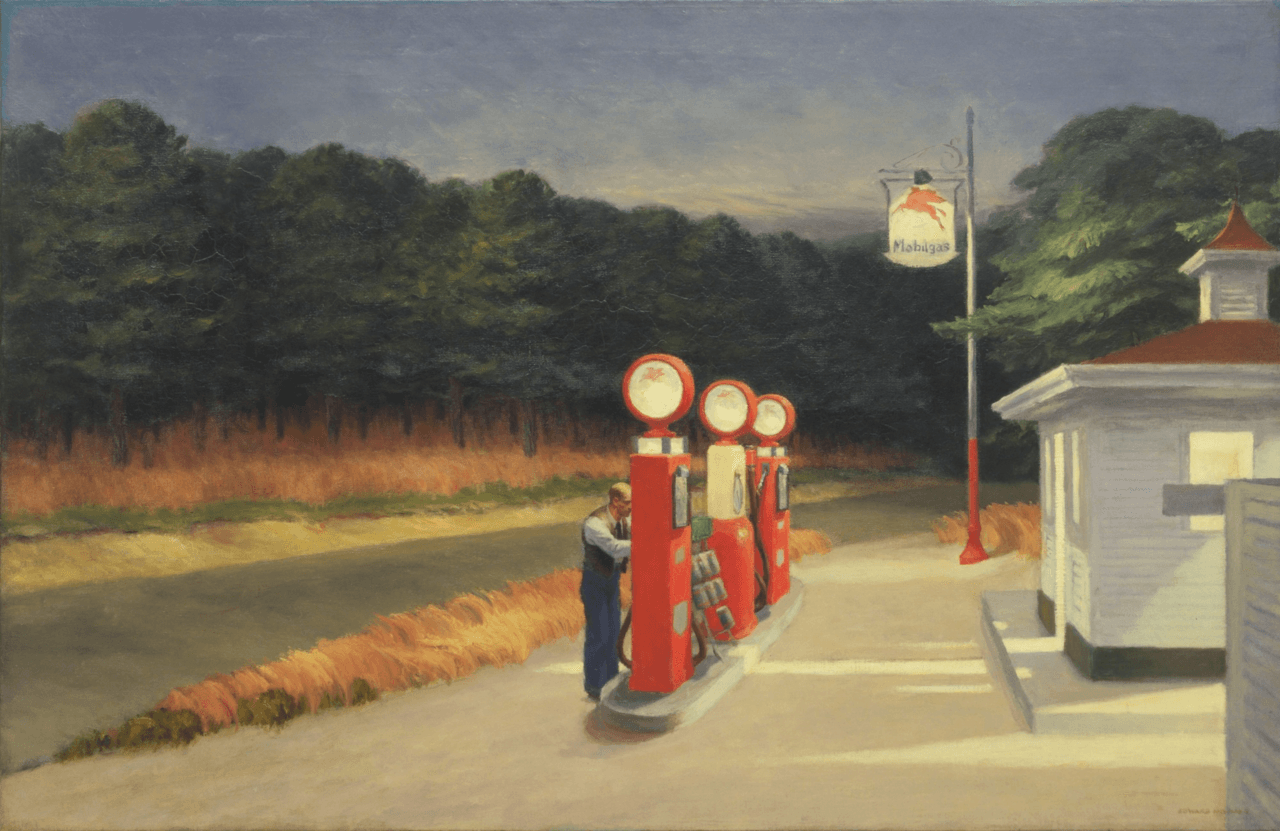
Gas, painted in 1940, is one of Edward Hopper's most quietly unsettling images of American life. The scene is deceptively simple: a lone attendant tends to a row of Mobilgas pumps at the edge of a road, the last outpost of light before the highway disappears into a wall of darkening forest. The warm glow of the station pushes back against the encroaching evening, creating the contrast between civilization and wilderness — between safety and the unknown — that runs through so much of Hopper's work. Measuring approximately 67 by 102 centimeters in oil on canvas, the painting was a subject Hopper had long wanted to tackle, though he struggled to find a gas station that satisfied his compositional vision.\n\nThe work is a synthesis of several recurring Hopper themes: the solitary worker, the melancholy of dusk, and the peculiarly American loneliness of the open road. There are no customers, no conversation, no sense of community — only one man doing quiet, necessary work as the world dims around him. The Museum of Modern Art in New York holds Gas in its permanent collection, where it has become one of the defining images of mid-century American realism and a touchstone for discussions of isolation in modern life.
Don’t stop here
More to explore by Edward Hopper
Same feeling, different artists
Similar Works by Other Artists
Keep exploring
Ends soon
Frieze New York 2026
13 May – 17 May 2026
The Shed New York
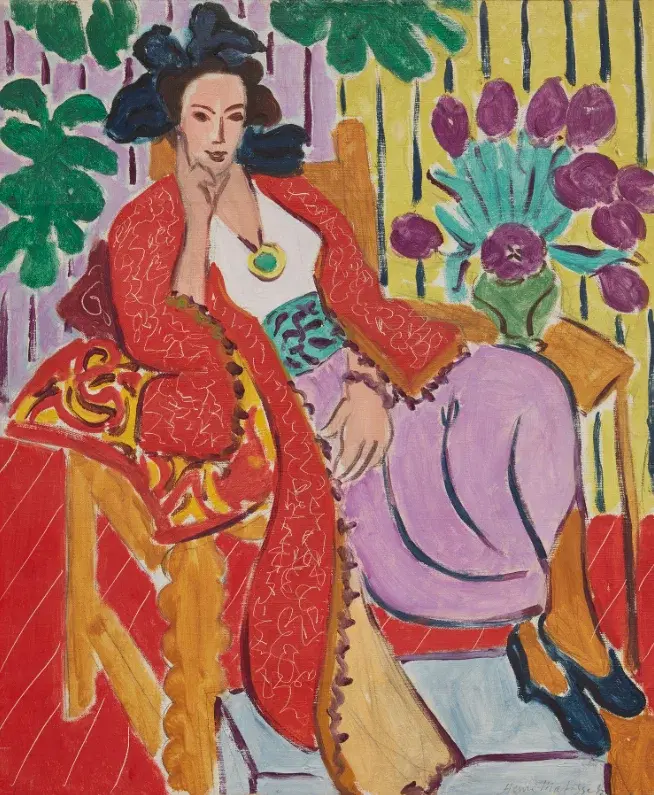
Matisse. The Pursuit of Harmony
9 Apr – 22 May 2026
Acquavella Galleries
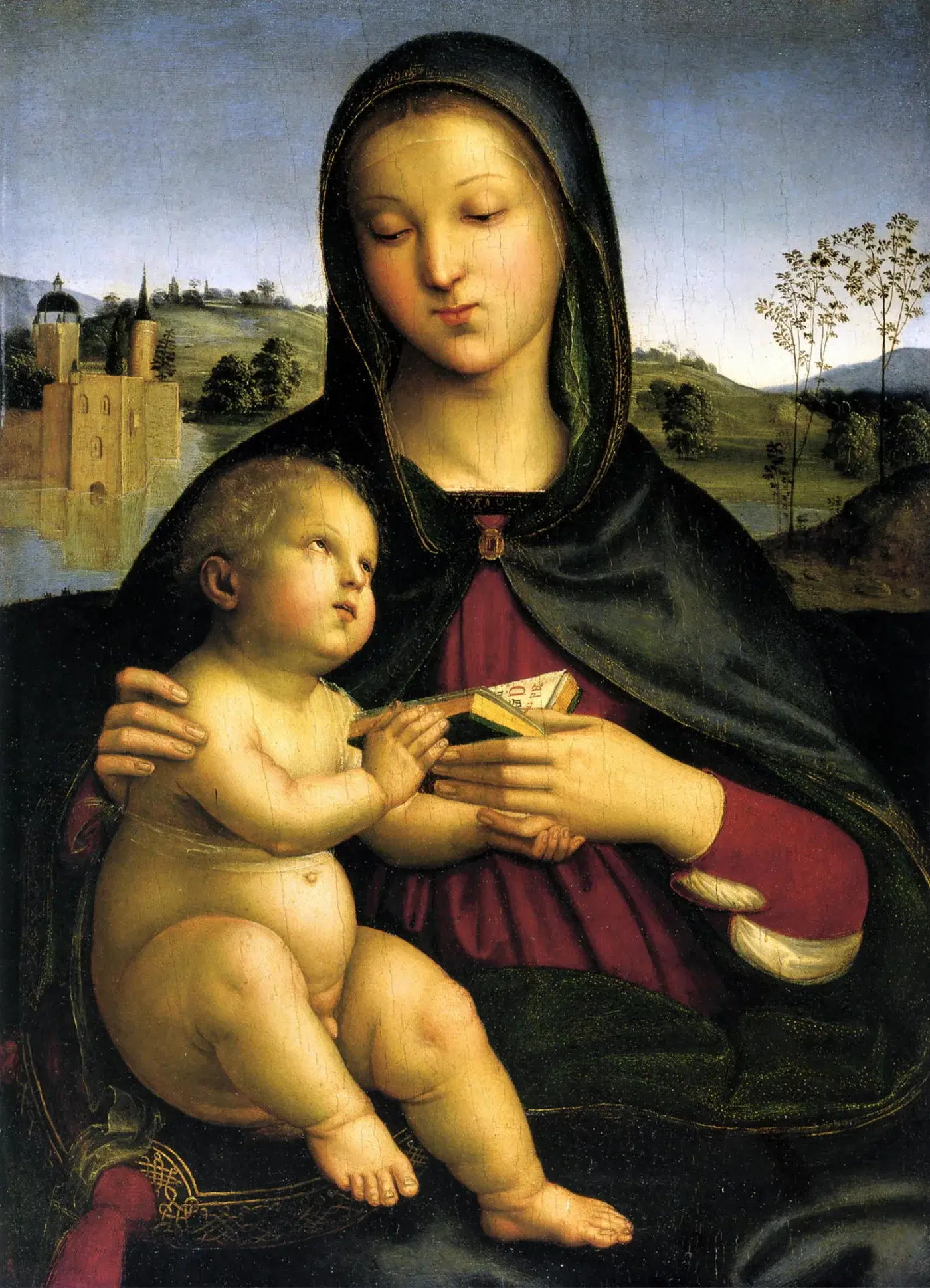
Raphael: Sublime Poetry
29 Mar – 28 Jun 2026
Metropolitan Museum of Art
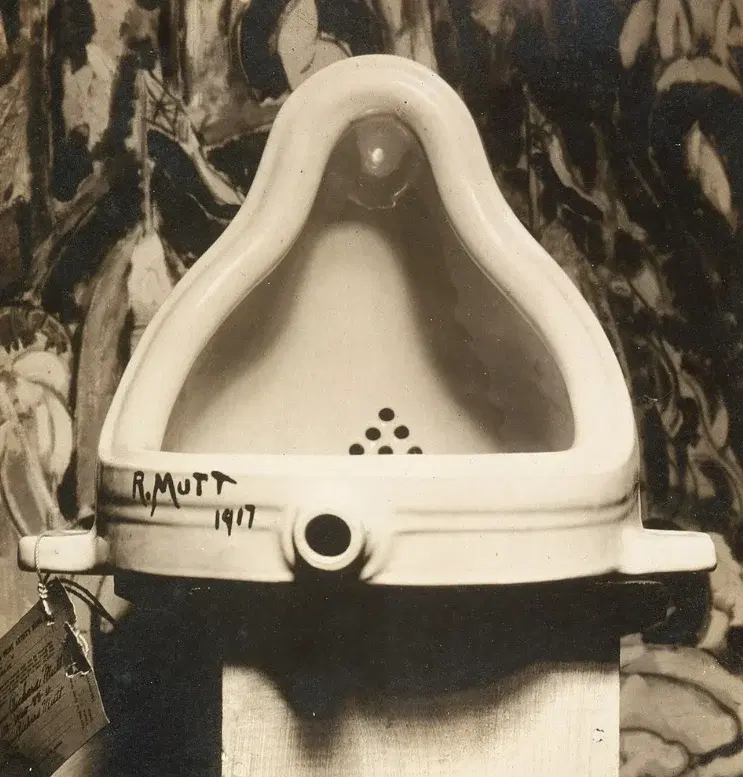
Marcel Duchamp
13 Apr – 22 Aug 2026
MoMA The Museum of Modern Art
Whitney Biennial 2026
8 Mar – 23 Aug 2026
Whitney Museum of American Art
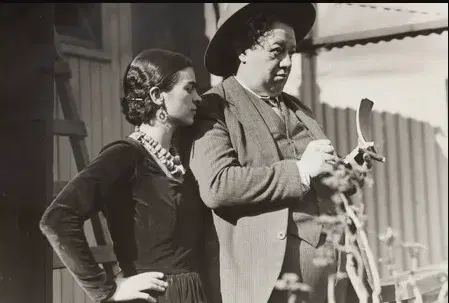
Frida and Diego. The Last Dream.
1 Apr – 12 Sep 2026
MoMA The Museum of Modern Art
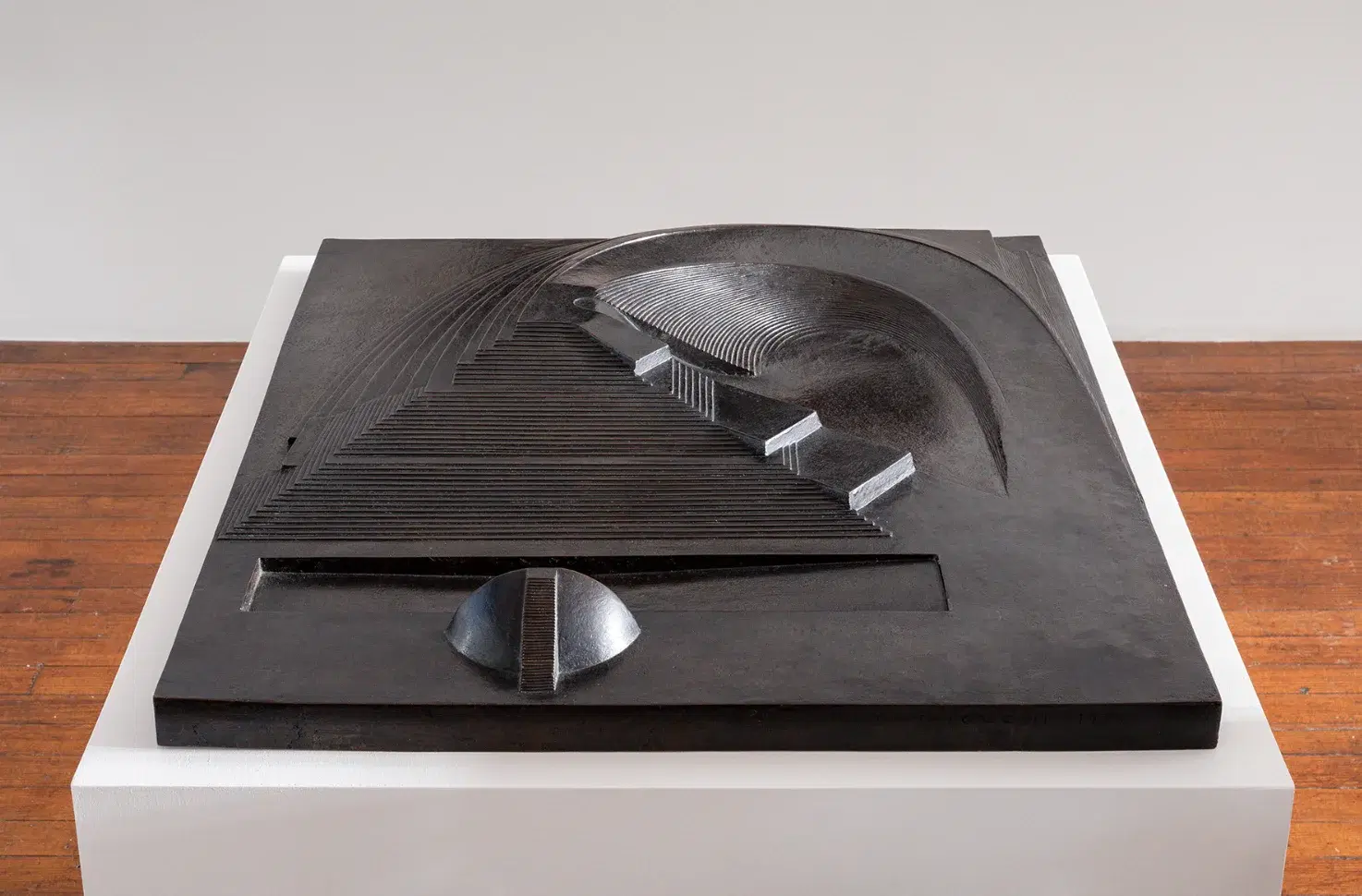
Noguchi’s New York
4 Feb – 13 Sep 2026
The Noguchi Museum
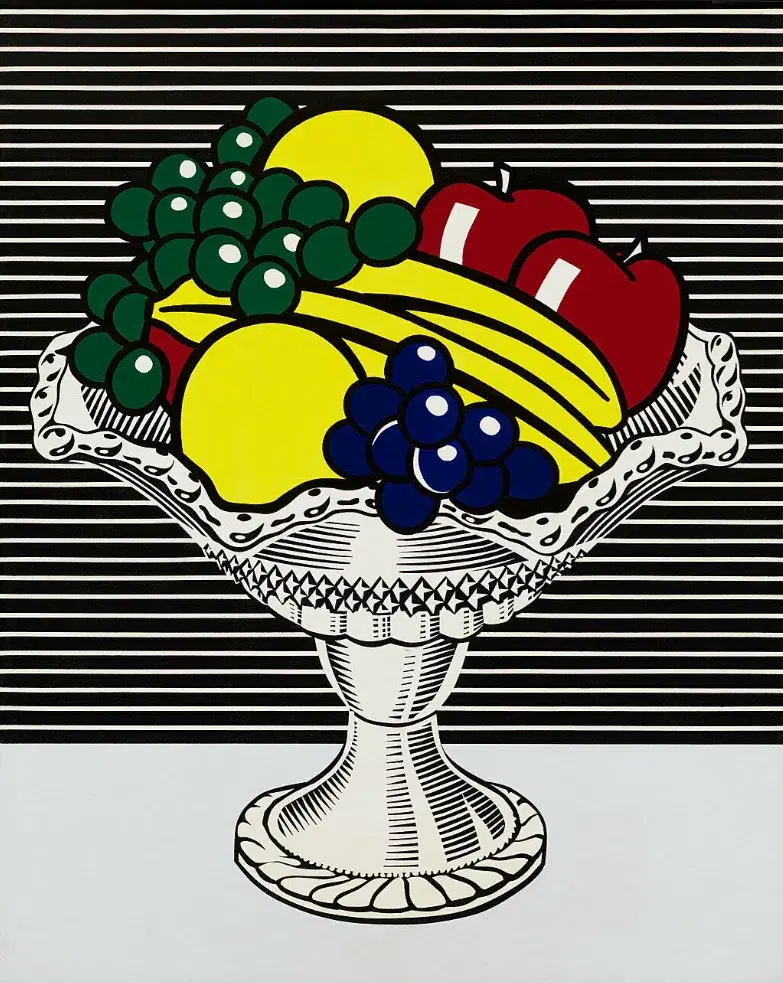
Roy Lichtenstein
1 Oct 2026 – 1 Jan 2027
Whitney Museum of American Art
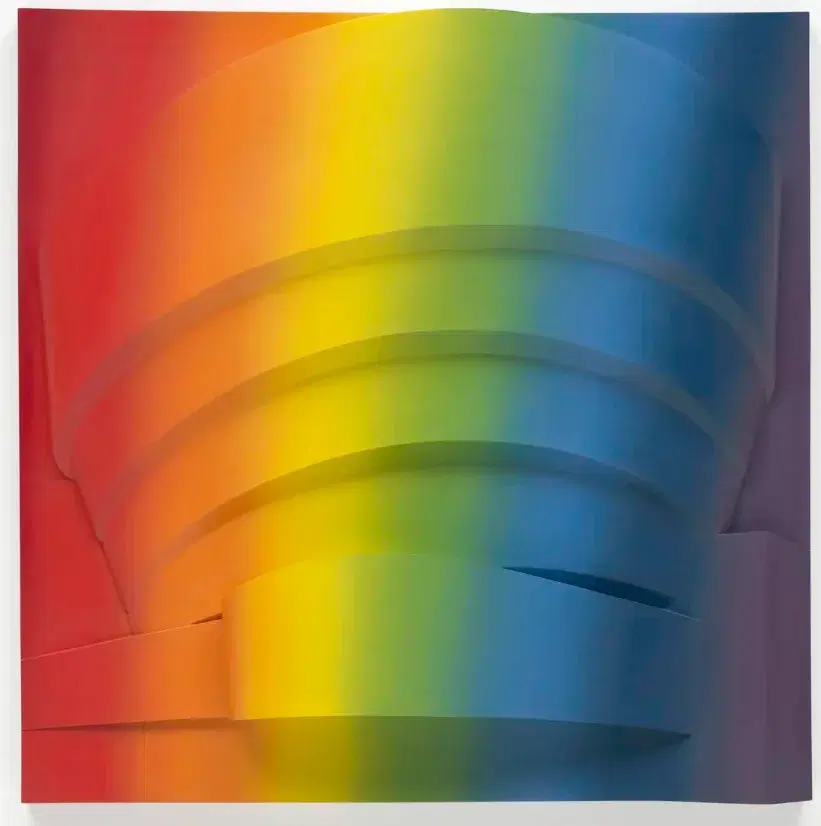
Guggenheim Pop
5 Jun 2026 – 10 Jan 2027
Solomon R. Guggenheim Museum
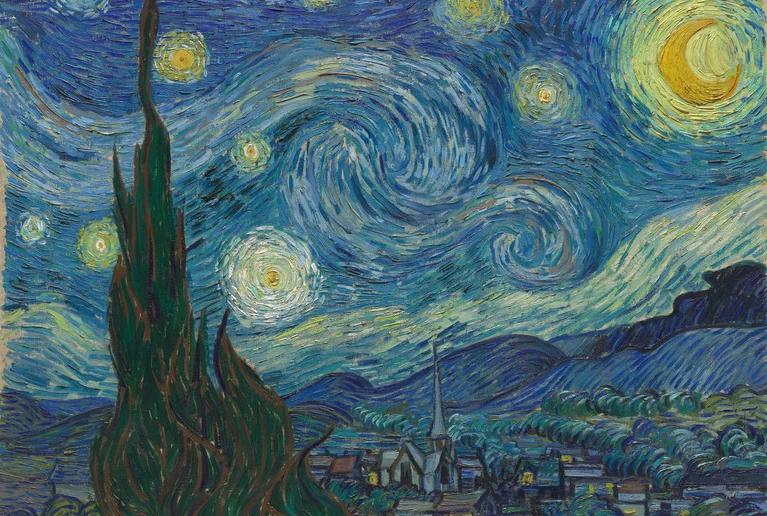
Moma Permanent Collection
MoMA The Museum of Modern Art