Pieter Bruegel the Elder
- 1525 – 1569
- Belgian
- Northern Renaissance
A brief story
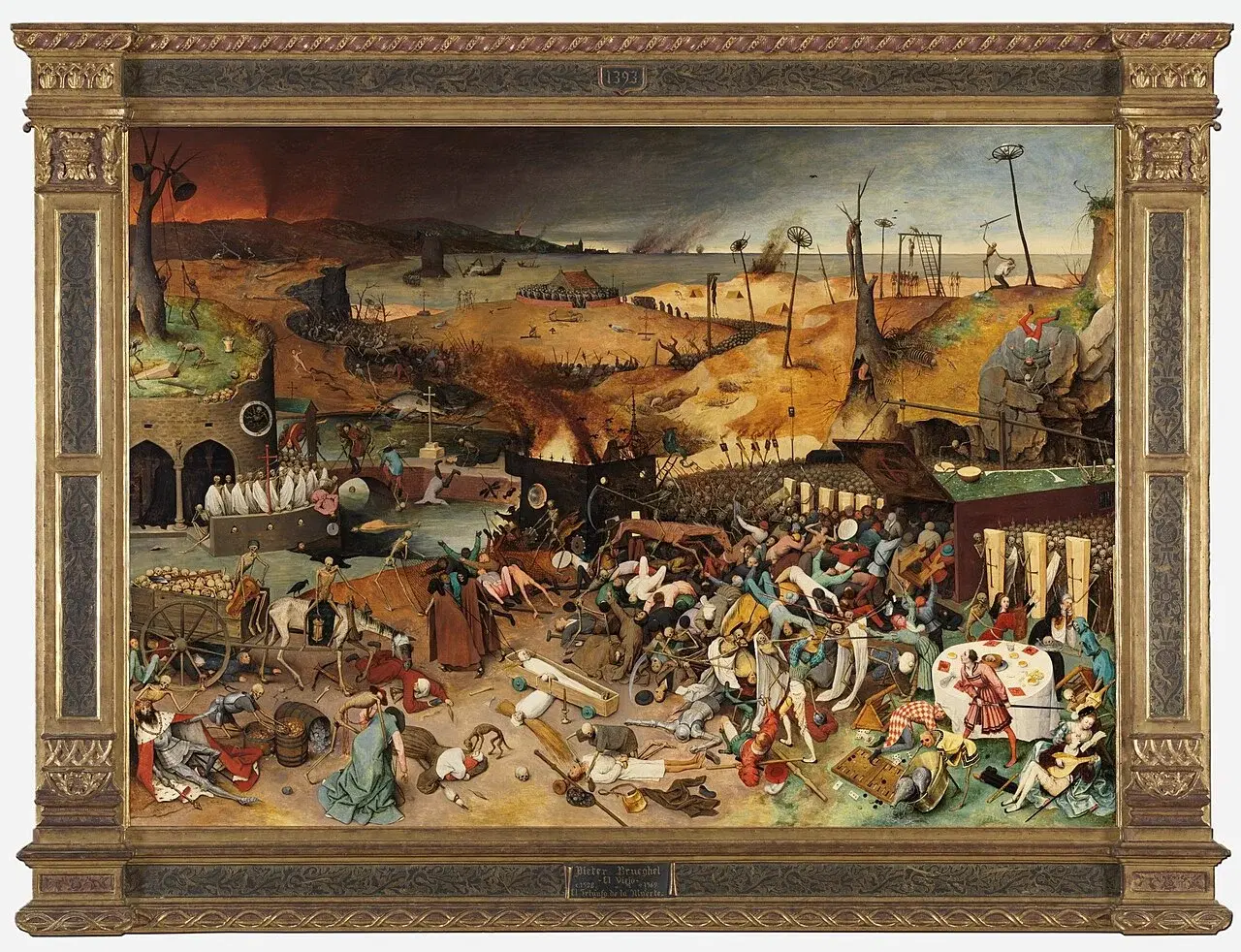
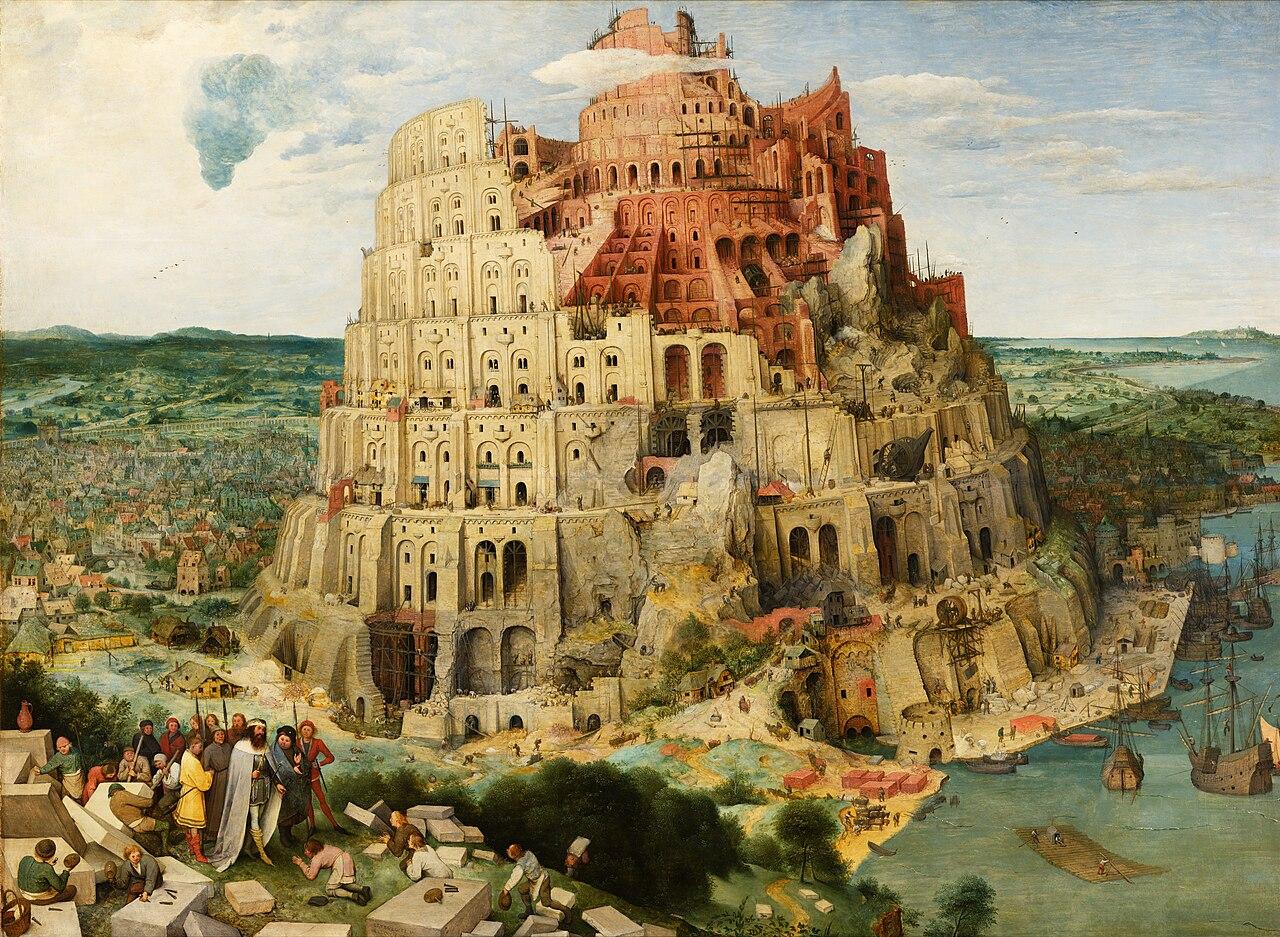
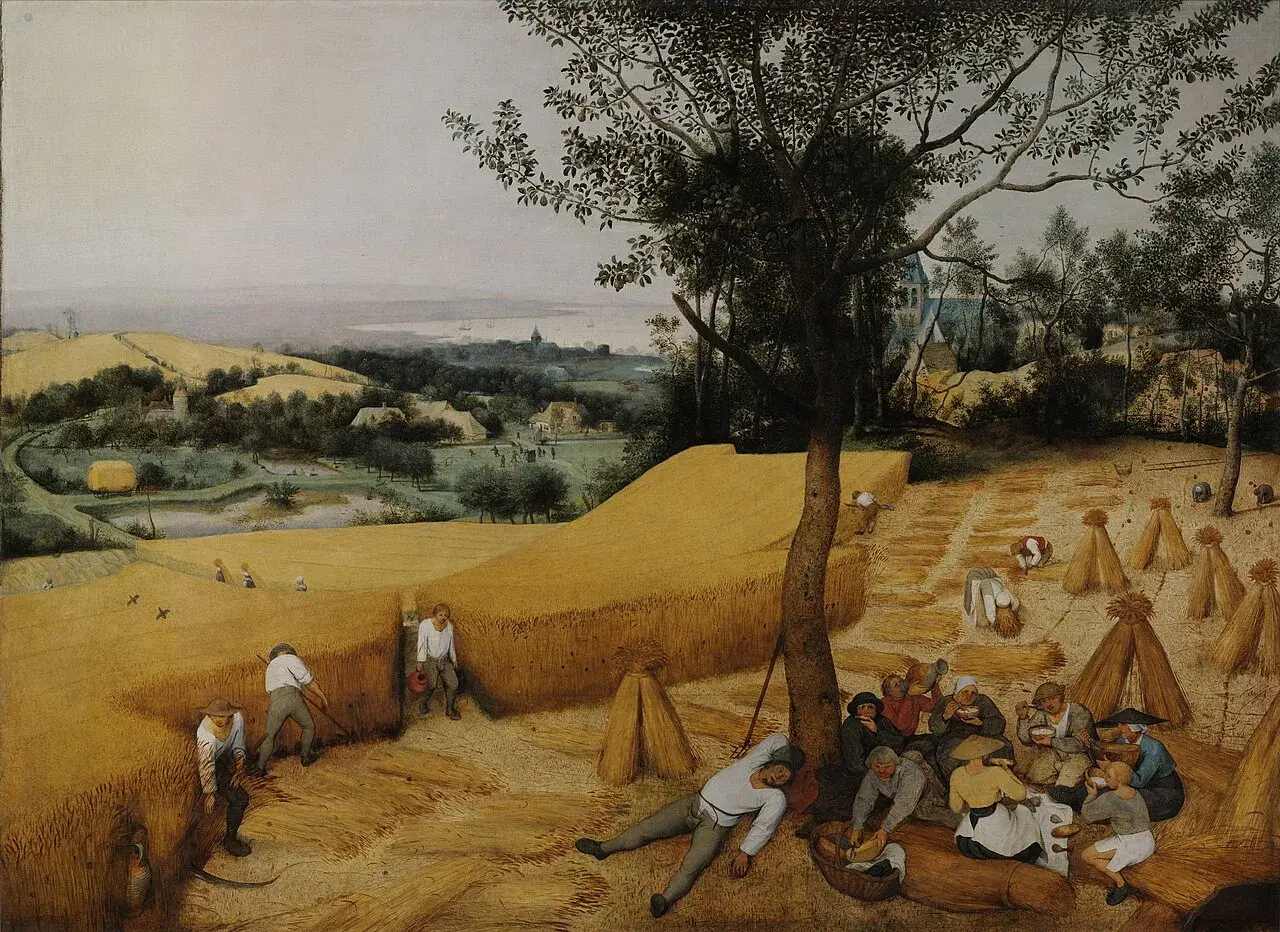
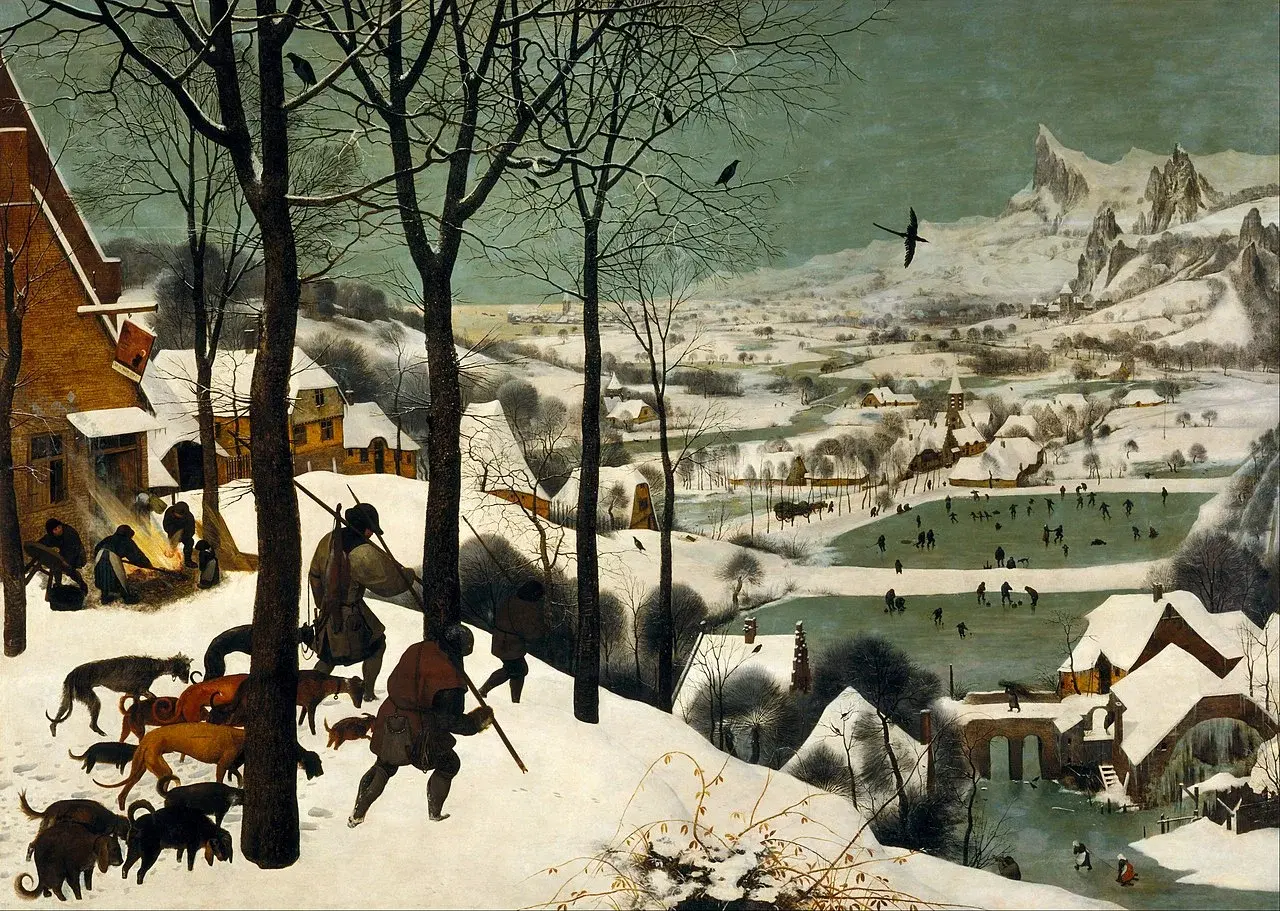
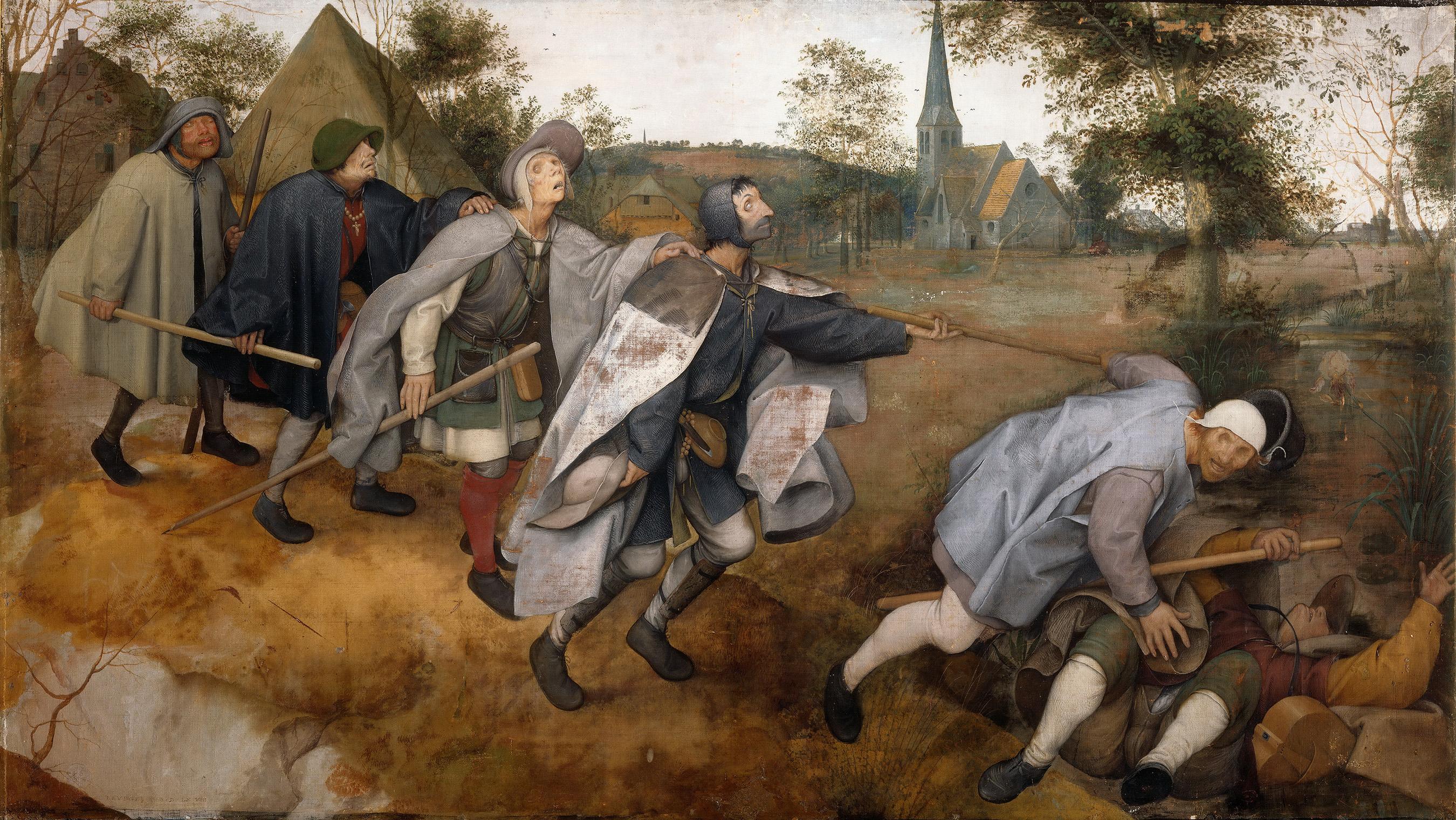
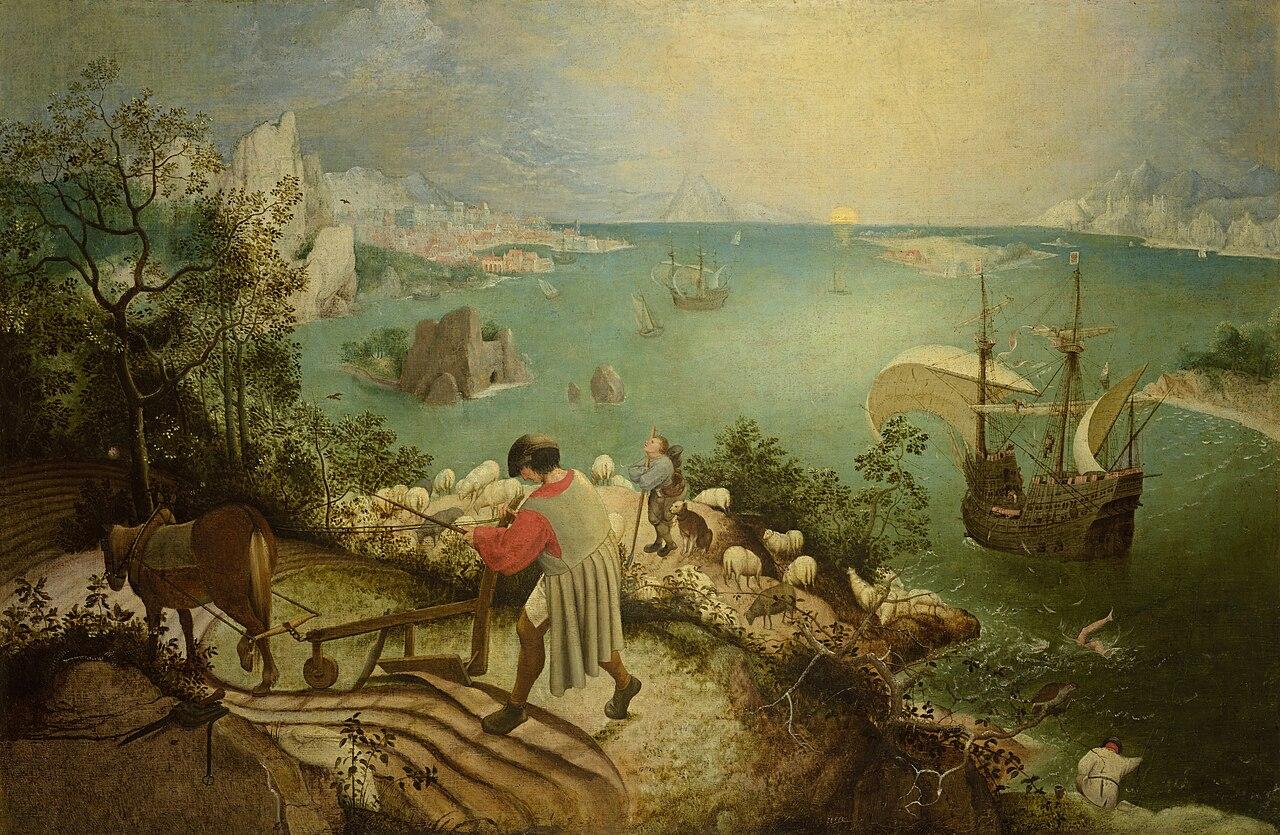
Pieter Bruegel the Elder was born around 1525–30, probably in or near the Flemish town of Breda (in present-day Netherlands), and spent his career in Antwerp and Brussels. He trained under Pieter Coecke van Aelst and was admitted to the Antwerp painters' guild in 1551. Shortly afterwards he undertook a journey through France to Italy, where contact with Italian Renaissance art and, more importantly, the dramatic Alpine landscape made a lasting impression on his compositional thinking. Back in the Low Countries, he worked for the leading print publisher Hieronymus Cock before concentrating on panel painting.\n\nBruegel is celebrated above all for his panoramic scenes of peasant life — weddings, dances, harvests, and seasonal labours — that portray ordinary Flemish villagers with a combination of humour, sympathy, and moral seriousness. Works such as Peasant Wedding, Peasant Dance, The Harvesters, and the Netherlandish Proverbs teem with dozens of figures embedded in richly observed landscapes. His cycle of months, of which five survive, is one of the most ambitious landscape series in Western art. He also painted visionary moral allegories, including The Tower of Babel and The Triumph of Death.\n\nBruegel brought unmatched observational acuity and compositional intelligence to subjects previously considered beneath the dignity of painting. His influence on subsequent Flemish and Dutch genre painting was enormous, and his two sons — Pieter Bruegel the Younger and Jan Bruegel the Elder — carried forward elements of his legacy. He died on September 9, 1569, in Brussels.
Did you know?
Pieter Bruegel the Elder elevated peasant life to the grandest scale of panel painting, creating panoramic masterpieces of seasonal labour and village festivity that remain among the most humanly rich pictures ever made.
Don’t stop here