The Harvesters
#36
Meet the artist
PPieter Bruegel the Elder1525–1569Belgian
Dates
1565
Specifications
- Dimensions
- 118 × 160 cm
About the Artwork
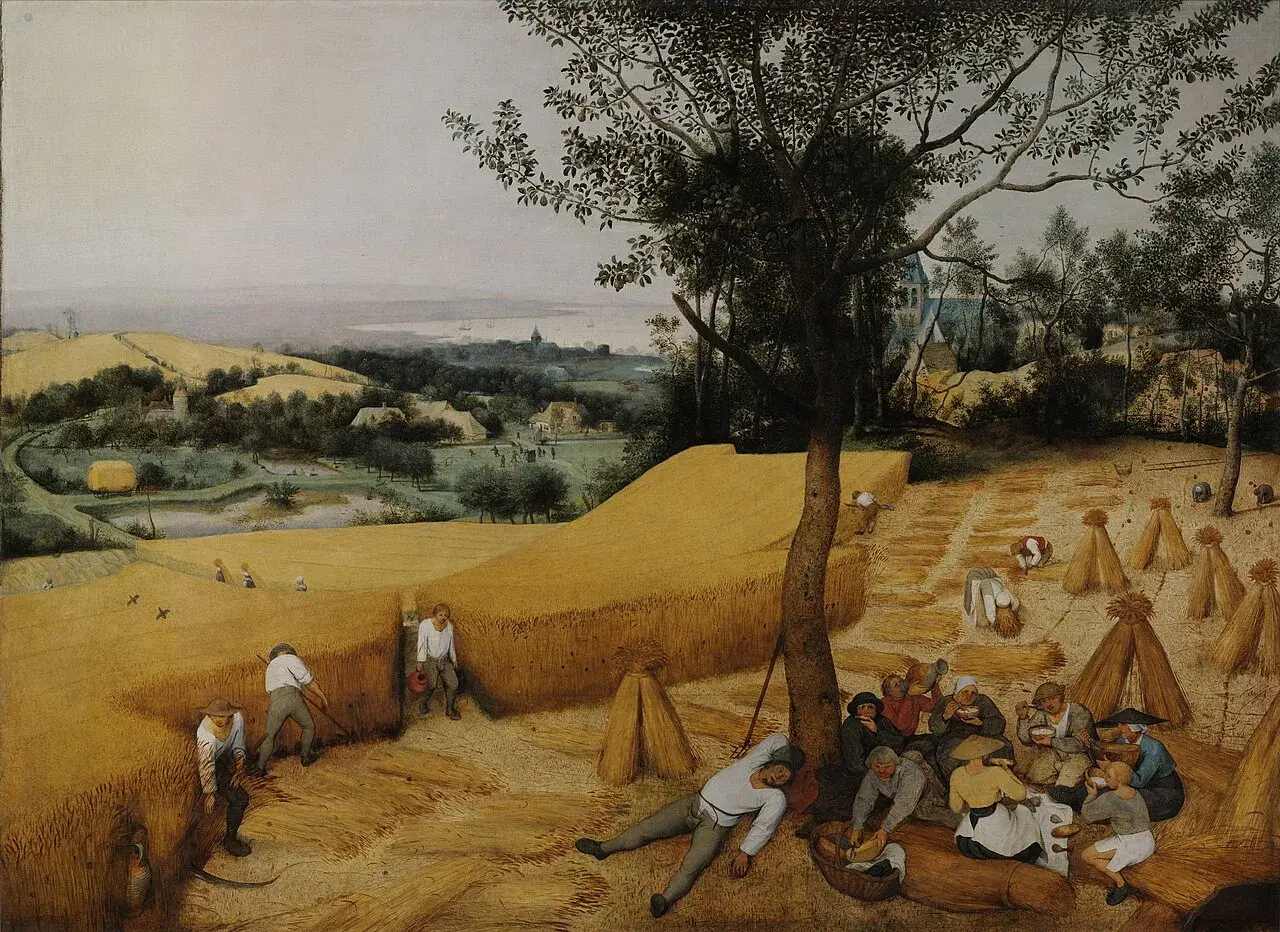
Pieter Bruegel the Elder's "The Harvesters," painted in 1565, is a captivating snapshot of peasant life in 16th-century Flanders. Part of a series depicting the seasons, this painting captures the essence of late summer with remarkable detail and realism. We see a group of peasants taking a midday break from their labor, some eating, others sleeping in the shade of a pear tree, while in the background, others continue to harvest wheat. Bruegel masterfully composes the scene, leading the viewer's eye through the landscape with rolling hills and distant villages, providing a glimpse into the rhythms of rural life and the cyclical nature of agriculture. It's a scene that feels both timeless and deeply rooted in its historical context.
"The Harvesters" is significant because it offers a rare and insightful look into the lives of ordinary people during the Renaissance. Unlike many artworks of the time that focused on religious or aristocratic subjects, Bruegel chose to depict the everyday experiences of the working class. This democratic approach to art was groundbreaking and helped to elevate genre painting, establishing it as a respected subject matter. Furthermore, Bruegel's meticulous attention to detail and his ability to capture the emotions and gestures of his subjects make "The Harvesters" a powerful and engaging work of art.
Bruegel's artistic techniques are also noteworthy. He used a high horizon line to create a panoramic view of the landscape, allowing the viewer to take in the vastness of the scene. His use of color is subtle and nuanced, capturing the warm tones of the late summer harvest. The painting's composition is carefully structured, creating a sense of balance and harmony despite the bustling activity of the scene. "The Harvesters" stands as a testament to Bruegel's skill as a painter and his ability to capture the essence of human experience.
How to experience it
trace the diagonal from workers to distant sea
Don’t stop here
More to explore by Pieter Bruegel the Elder
Same feeling, different artists
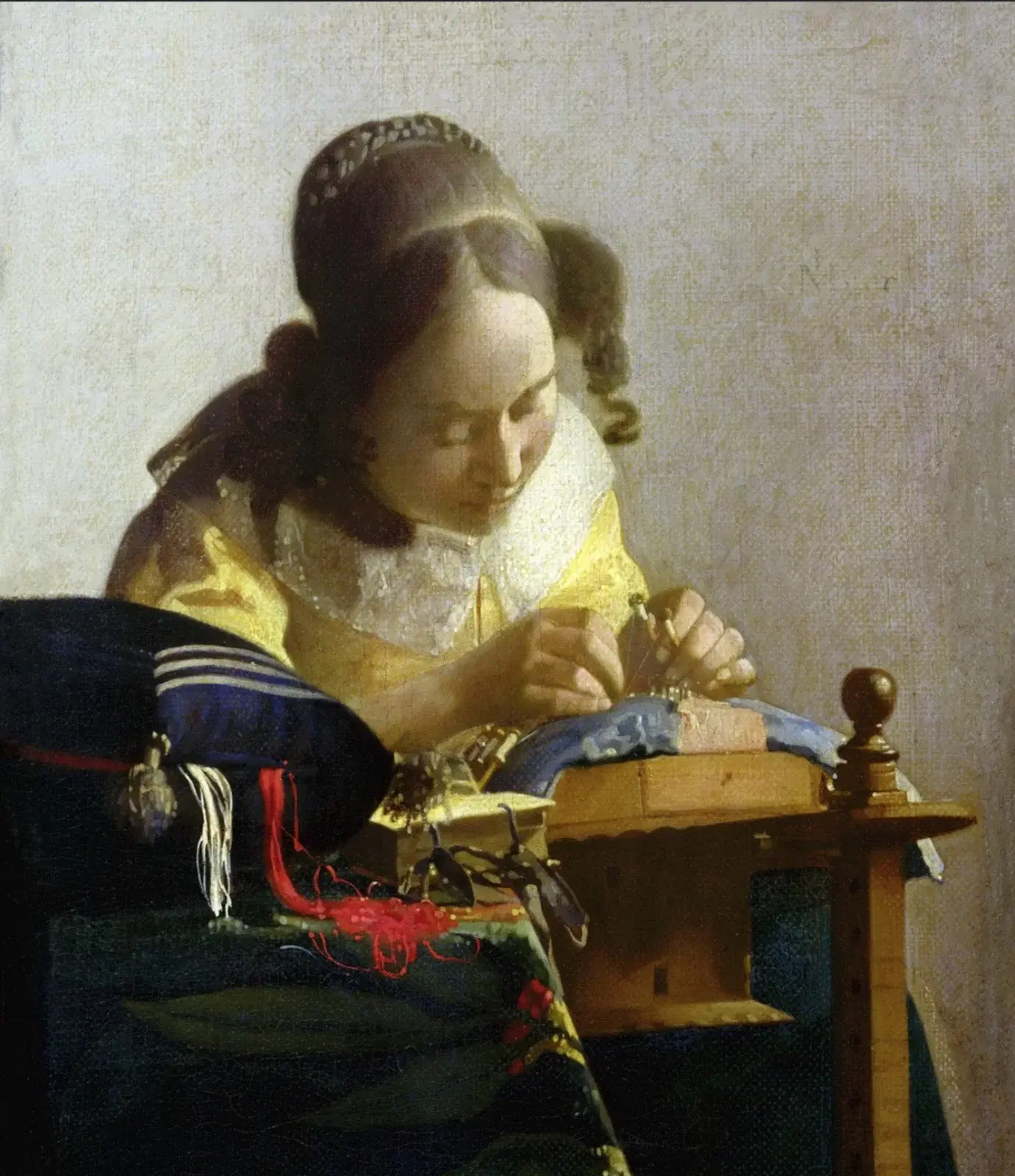
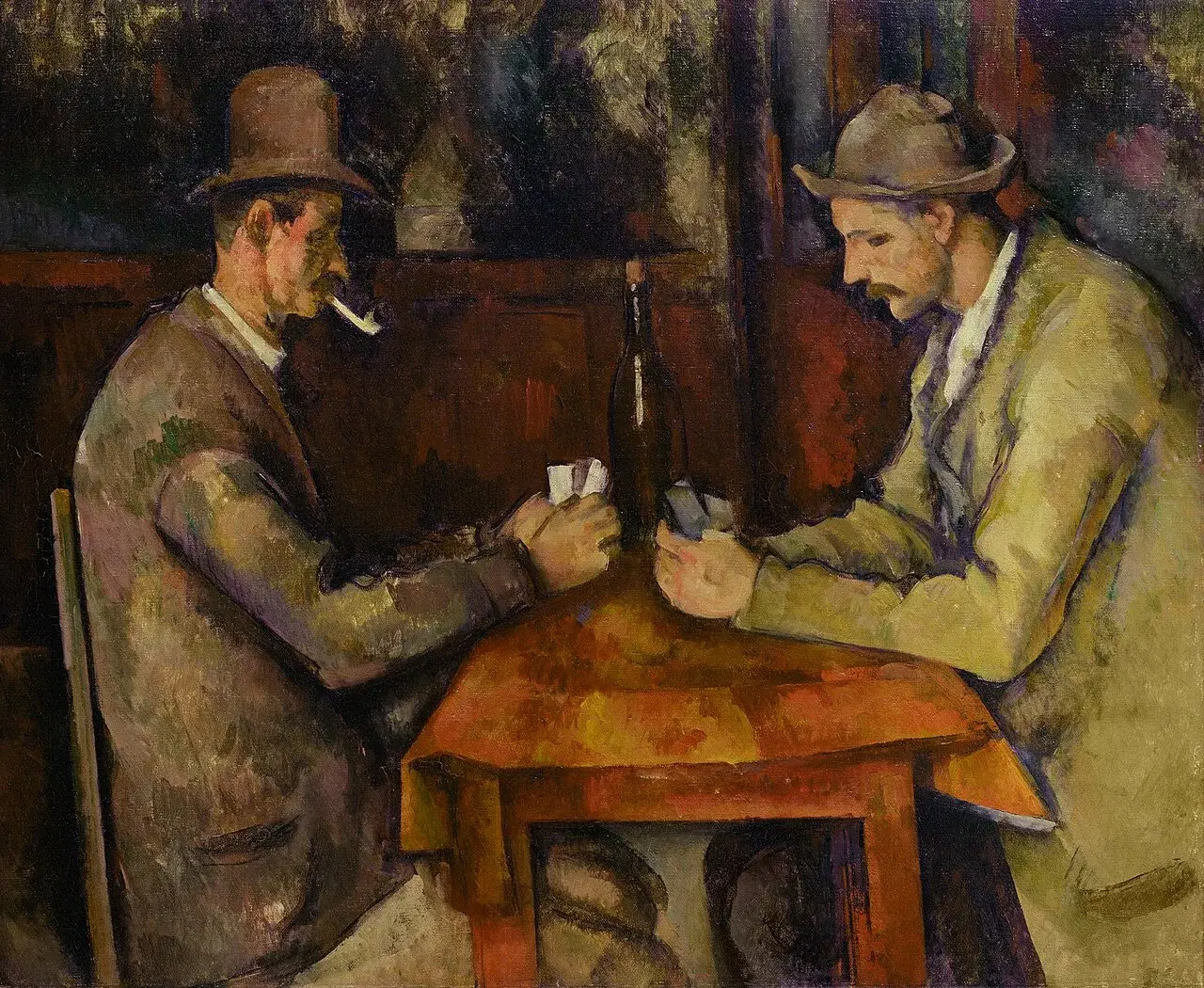
Similar Works by Other Artists
Keep exploring
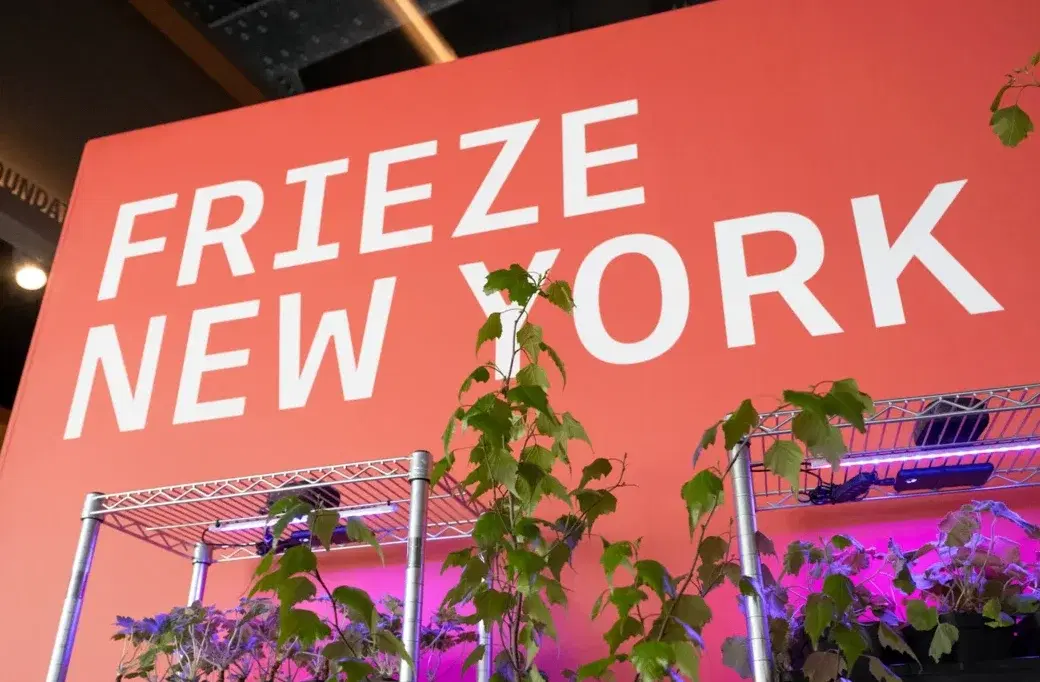
Ends soon
Frieze New York 2026
13 May – 17 May 2026
The Shed New York
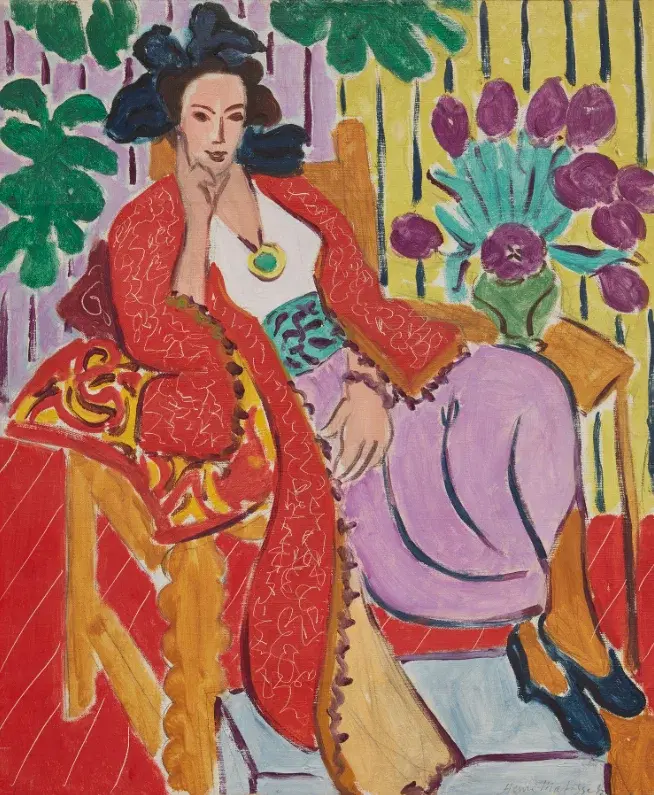
Matisse. The Pursuit of Harmony
9 Apr – 22 May 2026
Acquavella Galleries
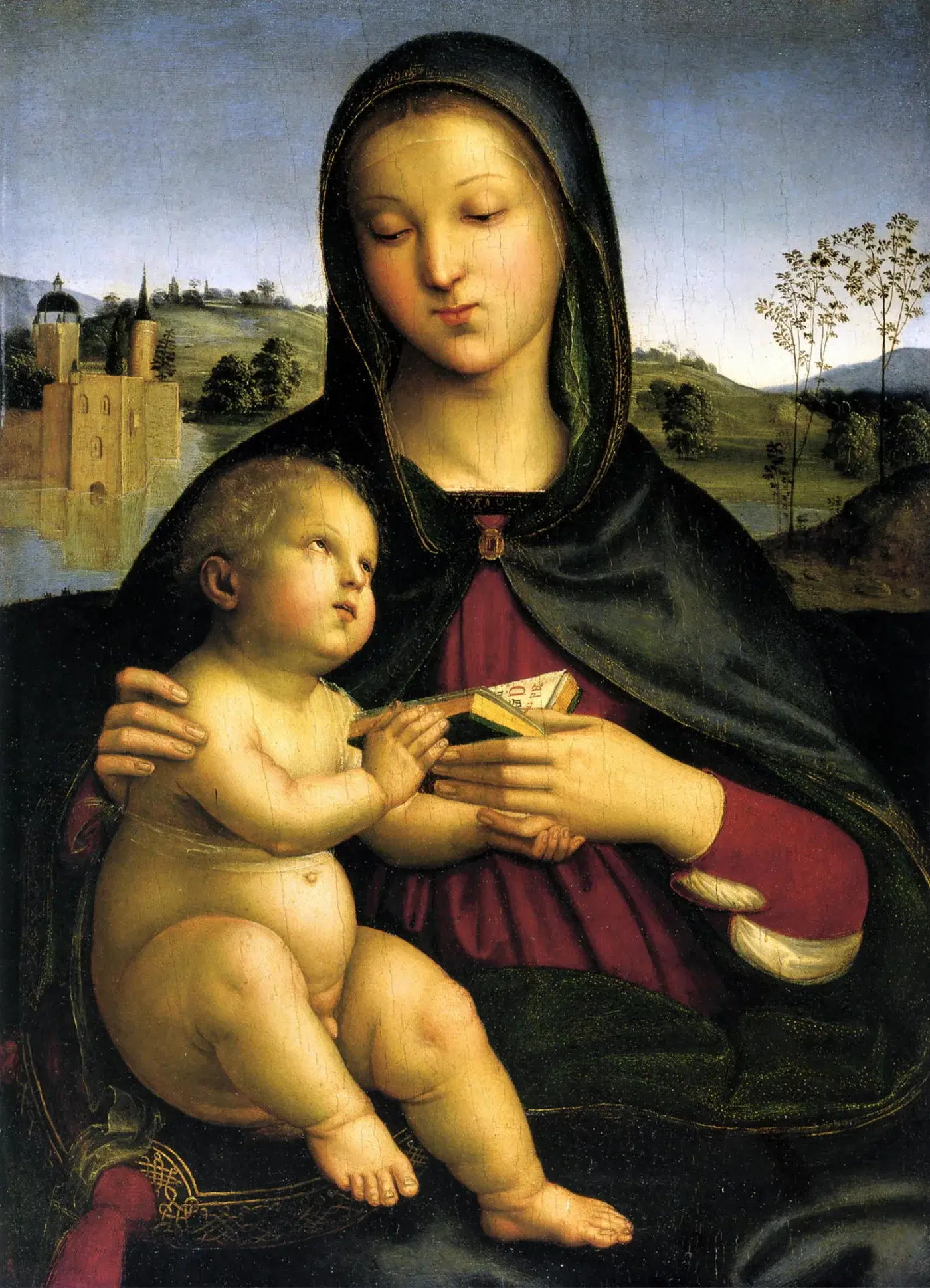
Raphael: Sublime Poetry
29 Mar – 28 Jun 2026
Metropolitan Museum of Art
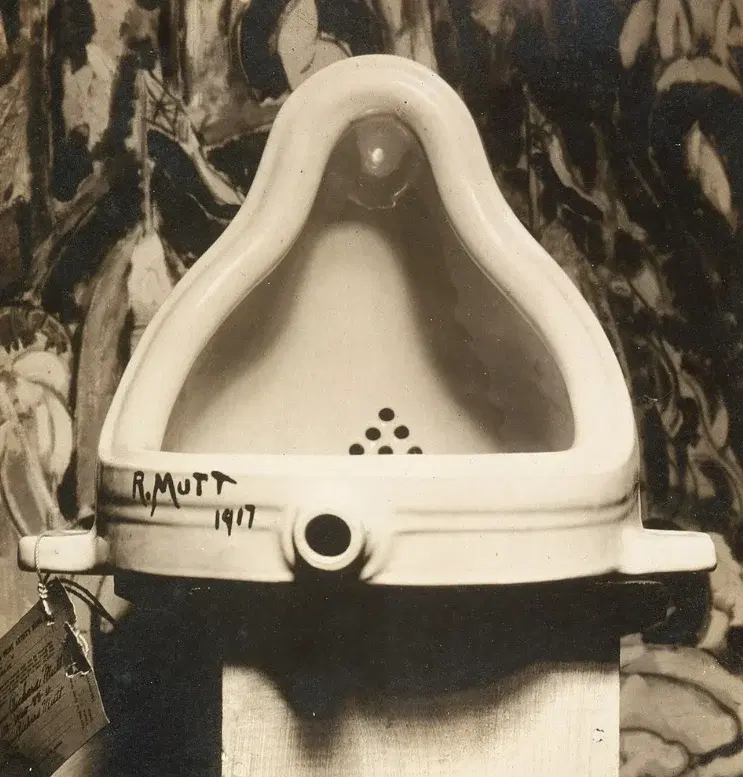
Marcel Duchamp
13 Apr – 22 Aug 2026
MoMA The Museum of Modern Art

Whitney Biennial 2026
8 Mar – 23 Aug 2026
Whitney Museum of American Art
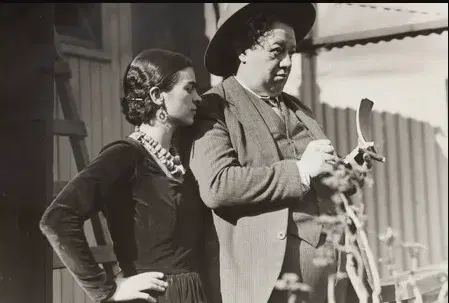
Frida and Diego. The Last Dream.
1 Apr – 12 Sep 2026
MoMA The Museum of Modern Art
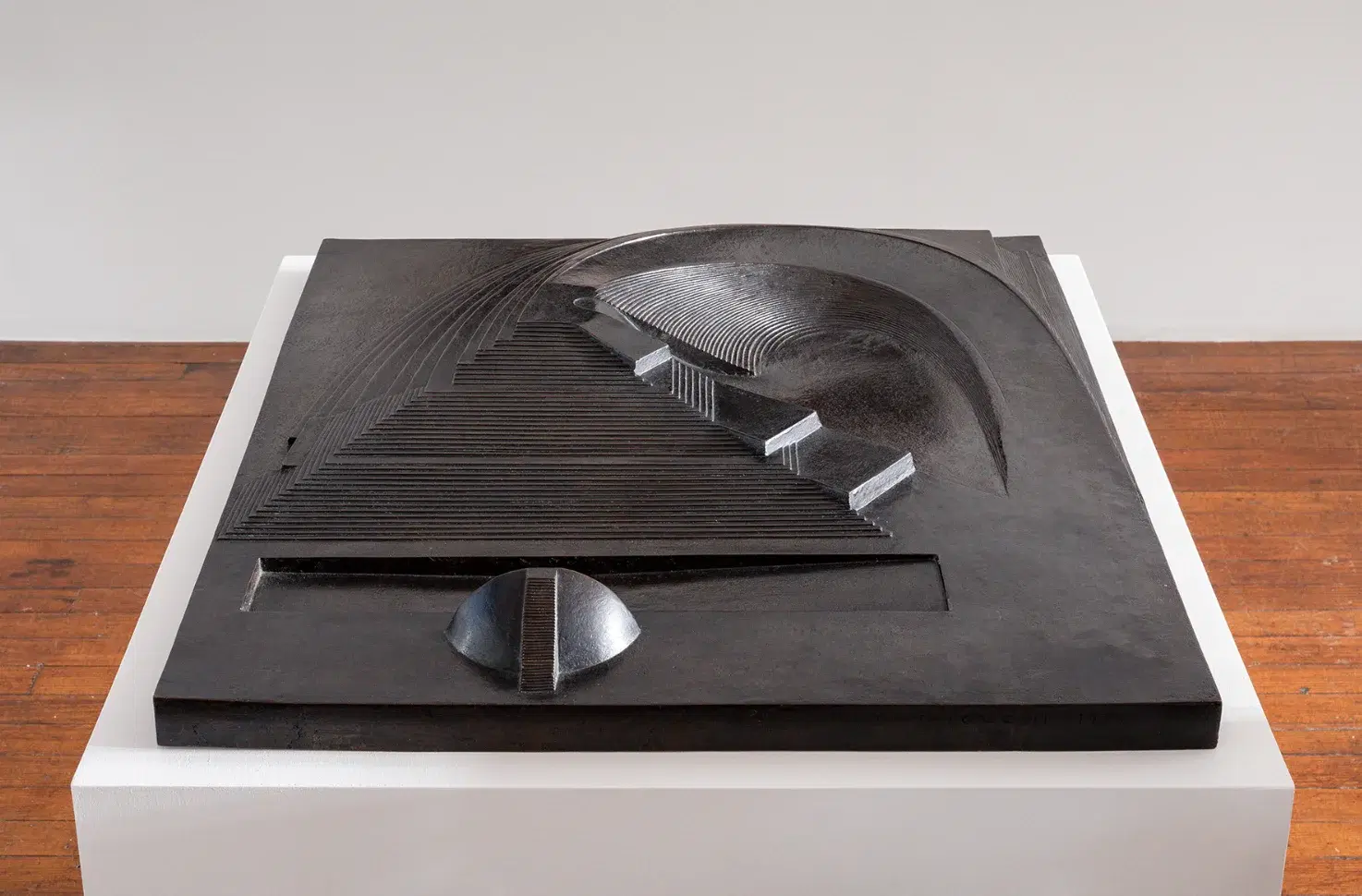
Noguchi’s New York
4 Feb – 13 Sep 2026
The Noguchi Museum
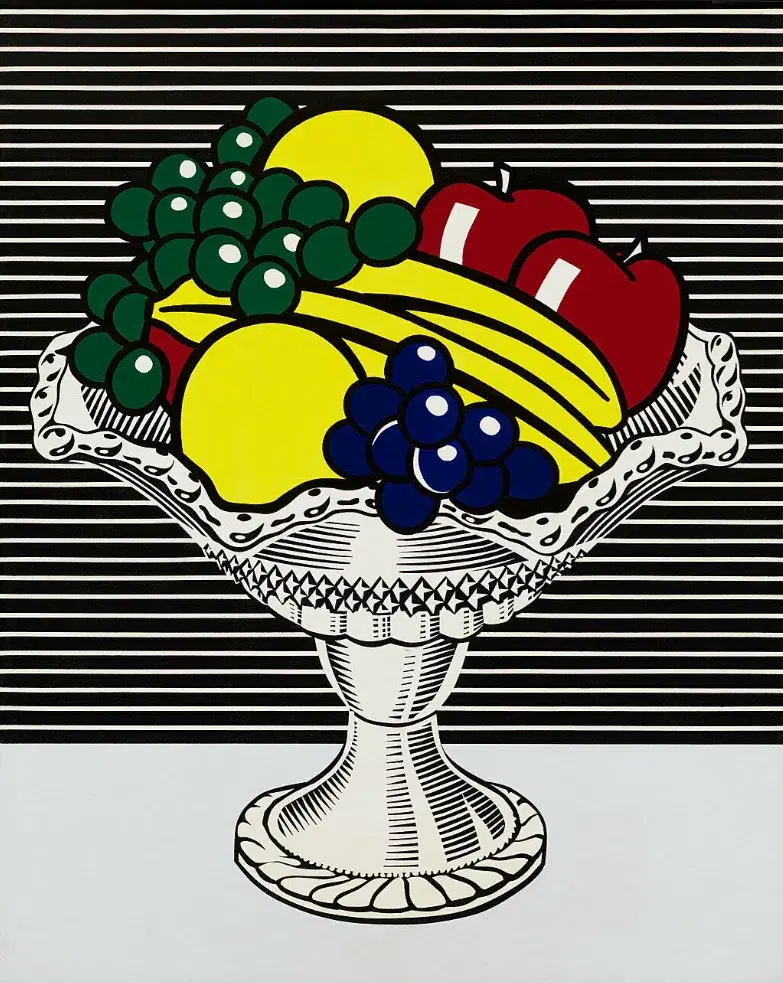
Roy Lichtenstein
1 Oct 2026 – 1 Jan 2027
Whitney Museum of American Art
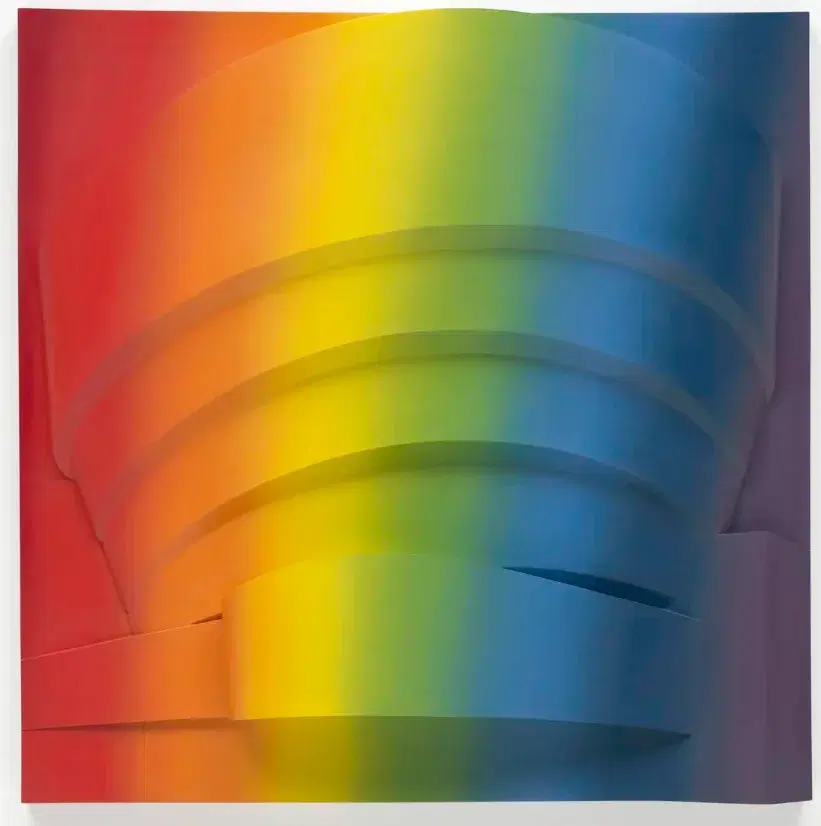
Guggenheim Pop
5 Jun 2026 – 10 Jan 2027
Solomon R. Guggenheim Museum
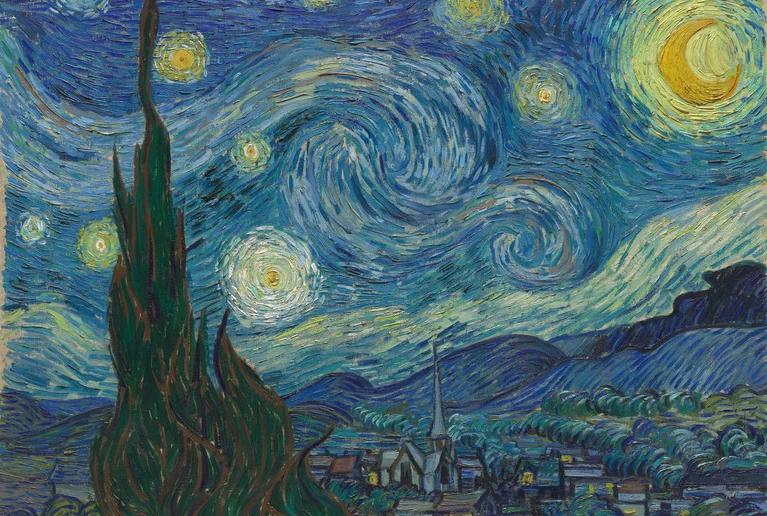
Moma Permanent Collection
MoMA The Museum of Modern Art