Titian
- 1488 – 1576
- Italian
- High Renaissance
A brief story
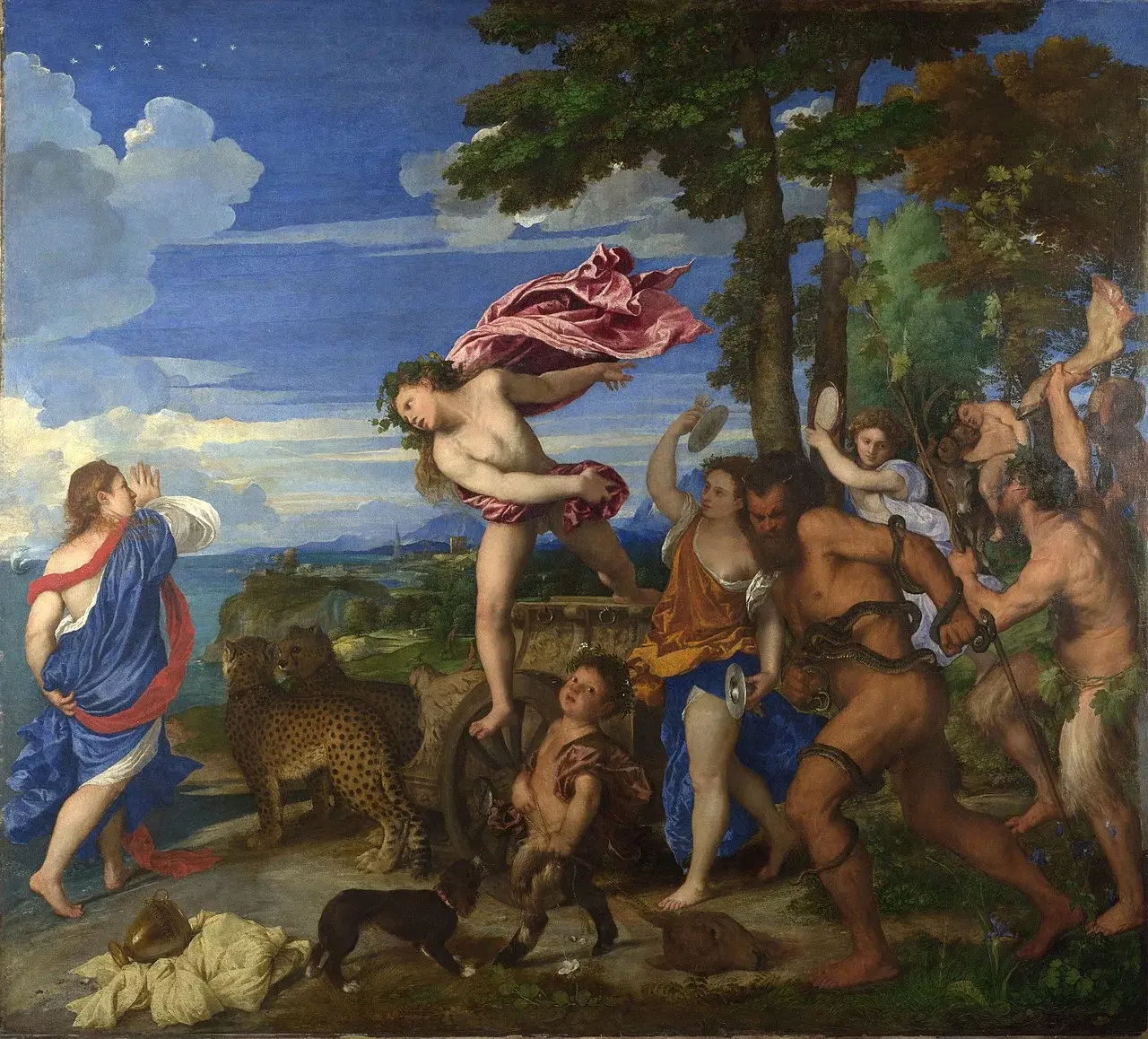
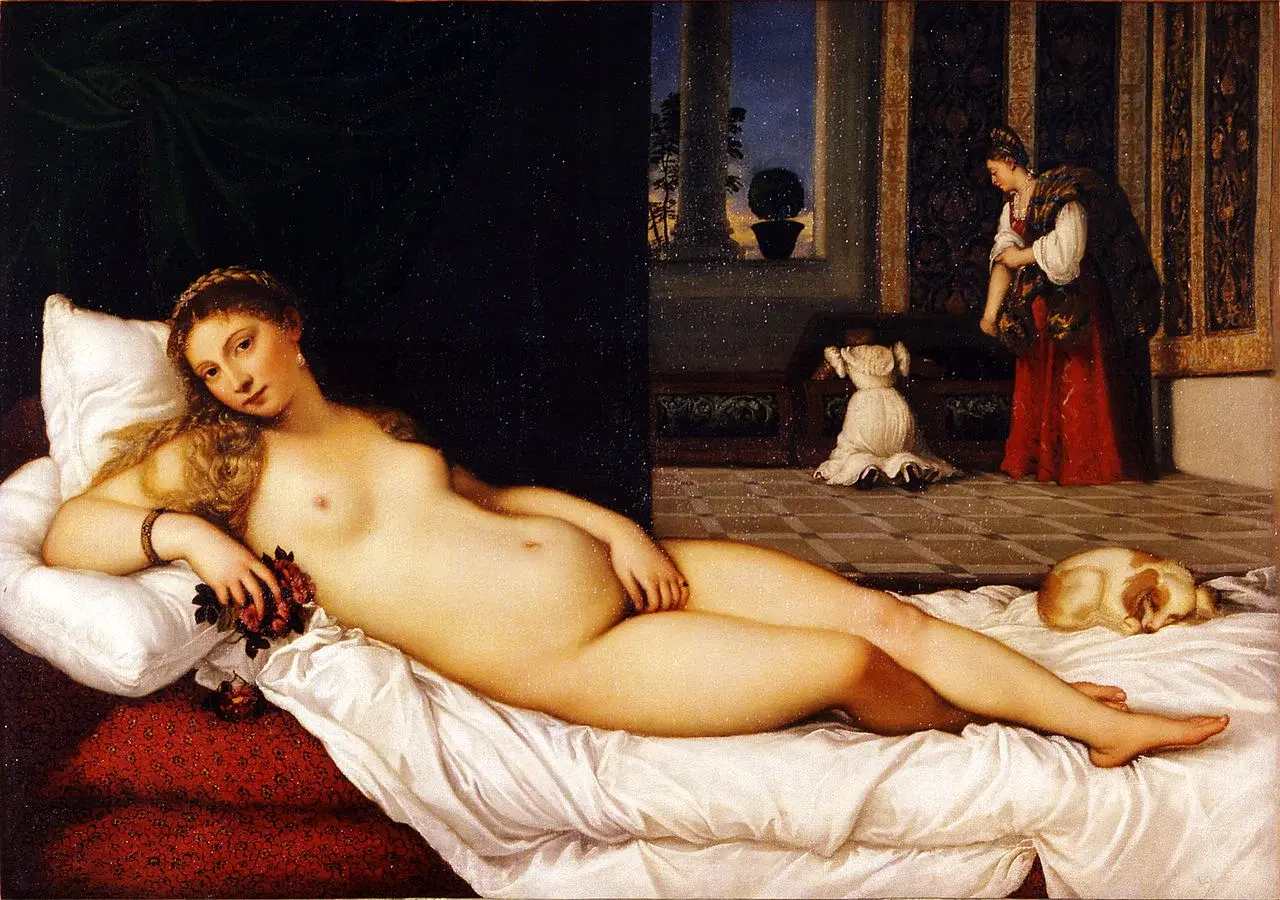
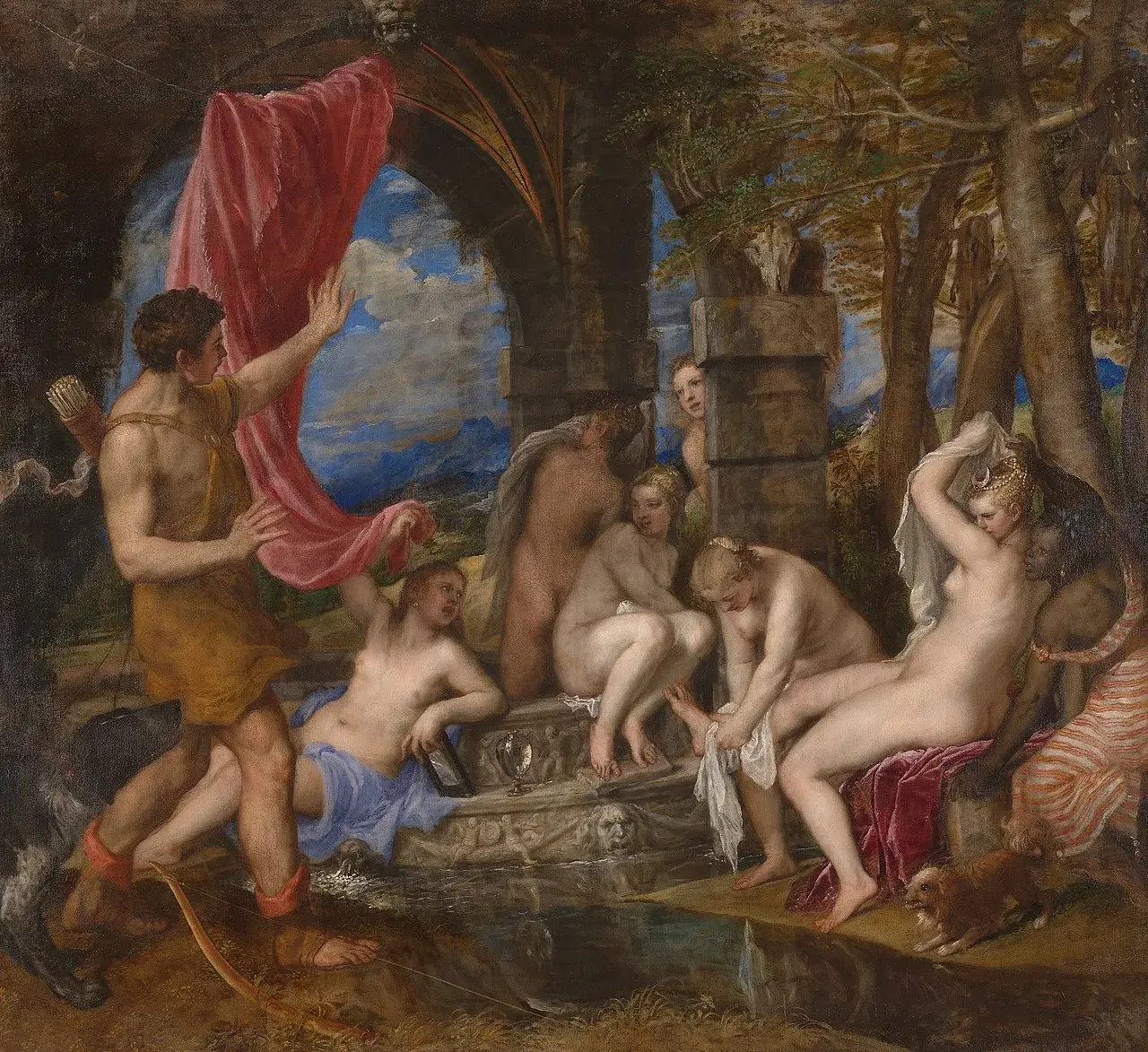
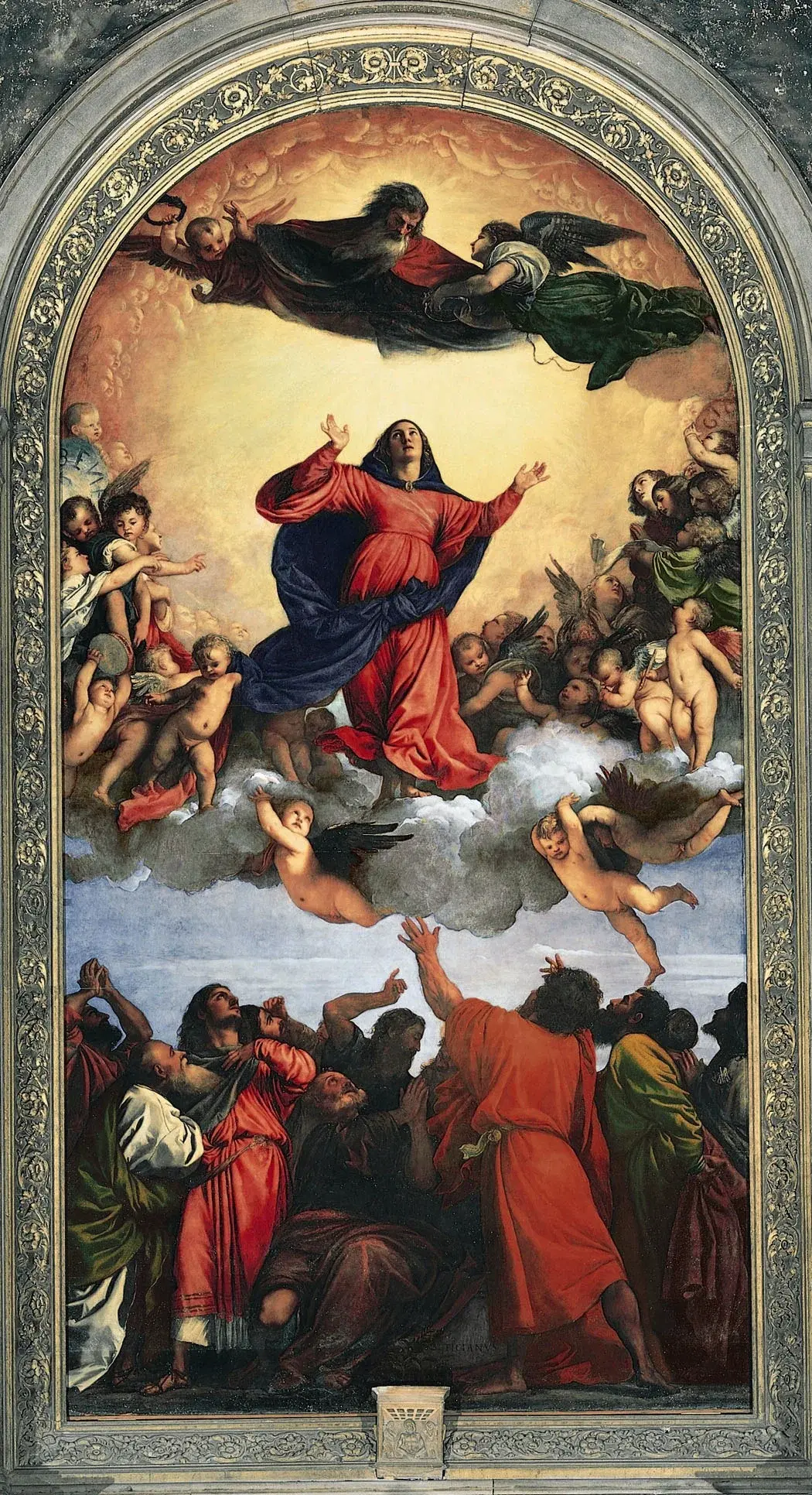
Titian, born Tiziano Vecellio around 1488–1490 in Pieve di Cadore in the Dolomites, was the dominant figure of the Venetian school and one of the towering masters of Western painting. He trained in Venice under the Bellini brothers, Giovanni and Gentile, before becoming closely associated with Giorgione, whose influence helped shape his early poetic landscapes and sensuous figure paintings. By the 1510s, Titian had established himself as the leading painter in Venice, and his reputation spread rapidly across Europe. He was appointed court painter to Holy Roman Emperor Charles V — an extraordinary honor — and later served Philip II of Spain with an unbroken stream of mythological canvases and devotional works.\n\nOver a career spanning roughly six decades, Titian transformed the possibilities of oil paint, developing a late technique in which he built up surfaces with his fingers and palette knife as much as with brushes, creating compositions of unusual textural richness and emotional depth. His portraits set the standard for European royal portraiture for generations, his mythological 'poesie' for Philip II redefined the painted nude, and his altarpieces — particularly the 'Assumption of the Virgin' in the Frari church in Venice — remain among the most physically overwhelming religious paintings ever made. He died in Venice in 1576, reportedly from plague, at an age that may have exceeded ninety.
Did you know?
The supreme colorist of the Venetian Renaissance, Titian redefined oil painting's expressive range across nine decades of work, serving emperors and kings while producing some of the most sensuous and spiritually charged canvases in Western art.
Don’t stop here