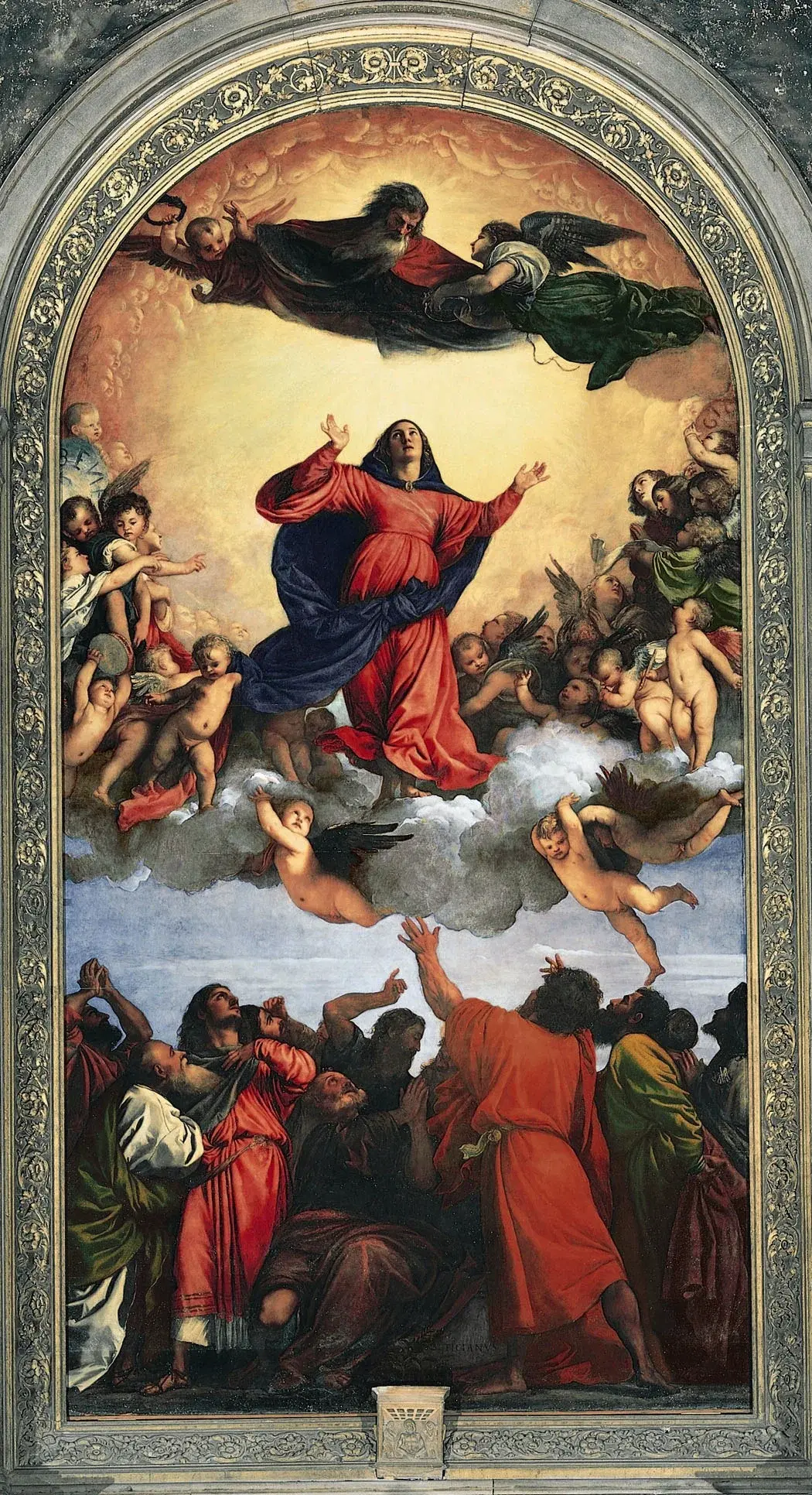
Assumption of the Virgin
Meet the artist
TTitian1488–1576Italian
Dates
1516–1518
Specifications
- Movement
- High Renaissance
- Medium
- Oil Painting
- Genre
- Religious Art
About the Artwork
Unveiled on 19 May 1518, Titian's Assumption of the Virgin caused an immediate sensation in Venice. Painted in oils on panel and measuring an extraordinary 690 by 360 centimetres, it is the largest altarpiece in the city and remains in the precise position for which it was designed: the high altar of the Basilica di Santa Maria Gloriosa dei Frari. The scale was intentional — the vast church required figures well over life-size to be legible from the nave — and Titian responded with a composition of sweeping vertical energy. At the base, the Apostles gesticulate in turbulent astonishment; in the middle register, the Virgin rises heavenward on a cloud borne by angels; at the summit, God the Father stretches his arms in welcome, bathed in golden light.\n\nThe painting marked a decisive turning point in Titian's career and in Venetian art as a whole. Where his predecessors in the tradition of Giovanni Bellini had favored meditative stillness, Titian introduced the dynamic energy and theatrical grandeur associated with the High Renaissance work of Raphael and Michelangelo. The agitated poses, the saturated reds and golds, and the sheer ambition of the composition announced a new era. The Franciscan friars who had commissioned the altarpiece were reportedly so startled by the result that they initially hesitated to accept it.
Don’t stop here
More to explore by Titian
Same feeling, different artists
Similar Works by Other Artists

Keep exploring
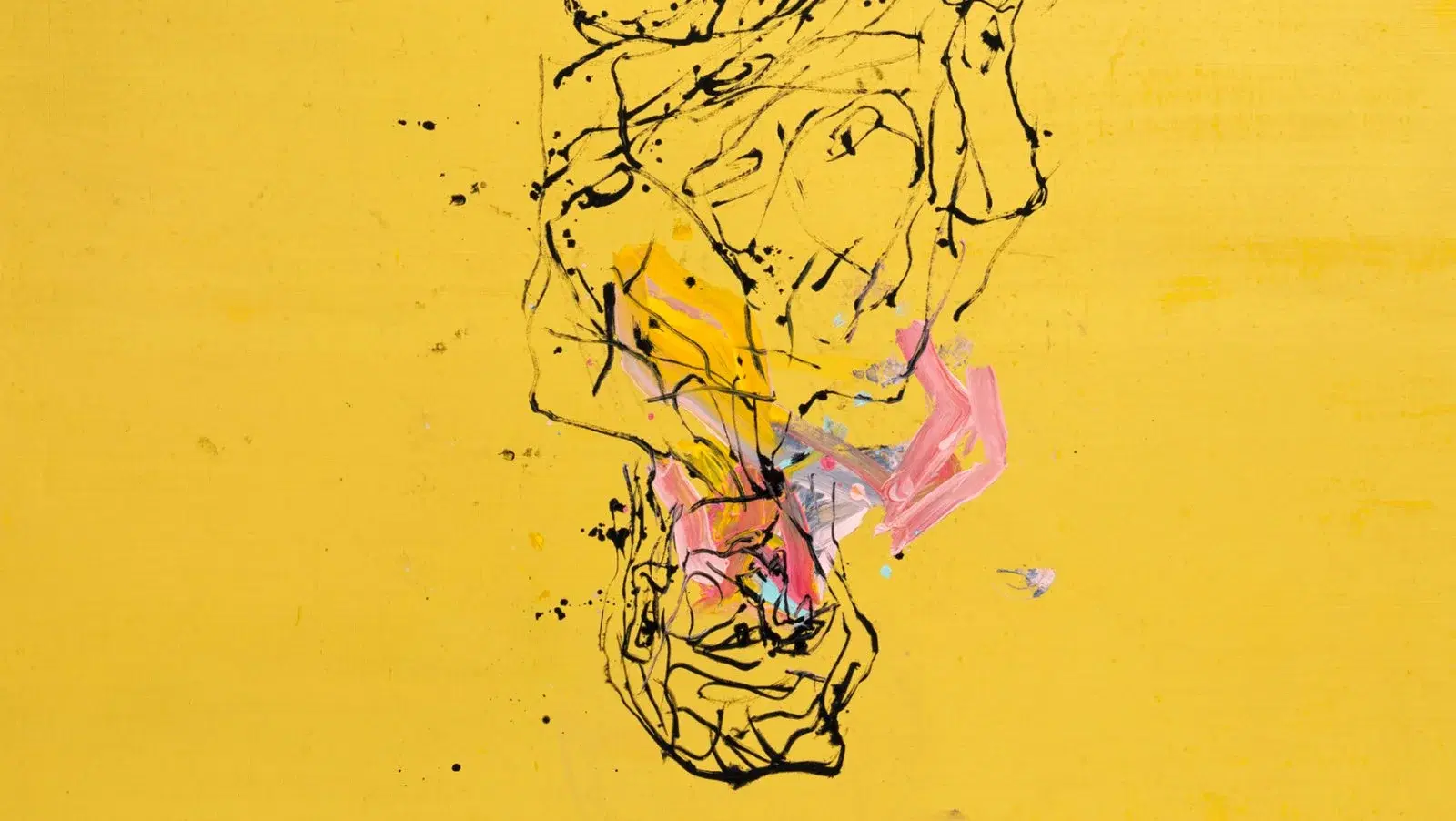
Georg Baselitz. Eroi d’Oro
6 May – 27 Sep 2026
Fondazione Giorgio Cini

Marina Abramović exhibition Transforming Energy at Gallerie dell'Accademia di Venezia
6 May – 19 Oct 2026
Gallerie dell’Accademia di Venezia
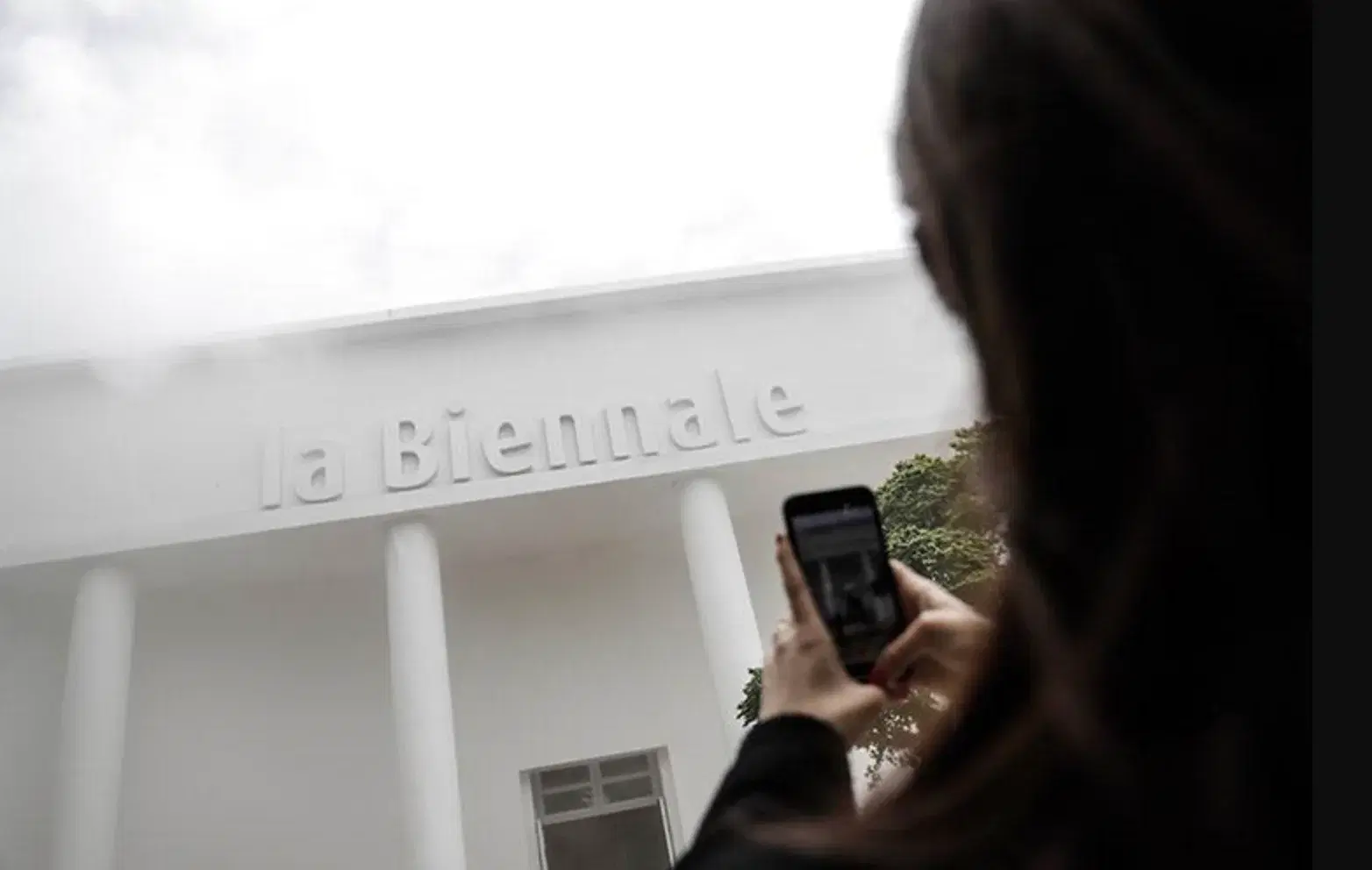
Venice Biennale
9 May – 22 Nov 2026
Ca’ Giustinian
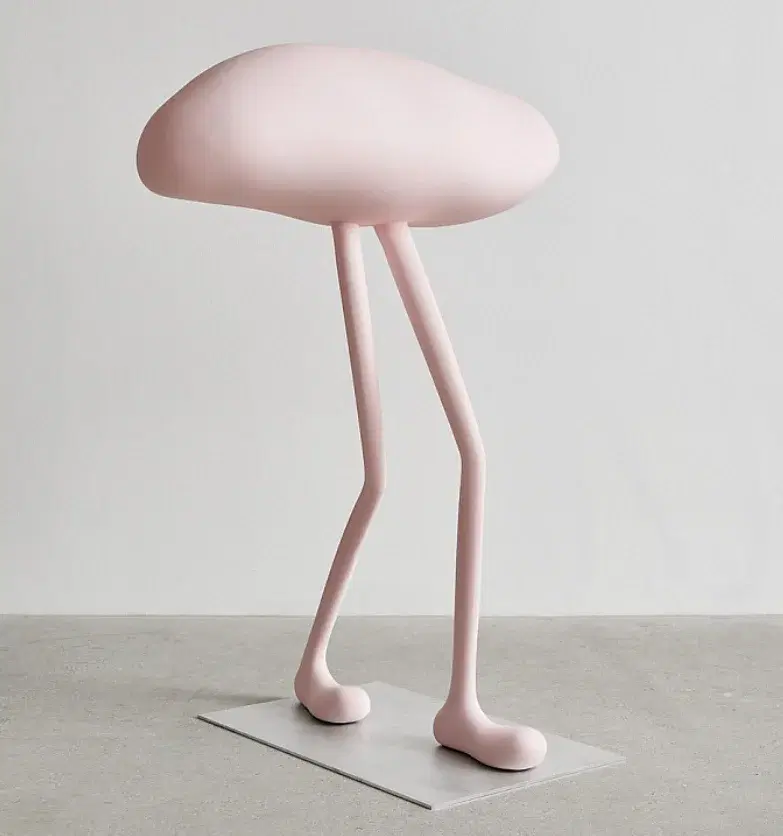
Erwin Wurm. Dreamers
6 May – 22 Nov 2026
Palazzo Fortuny Venezia
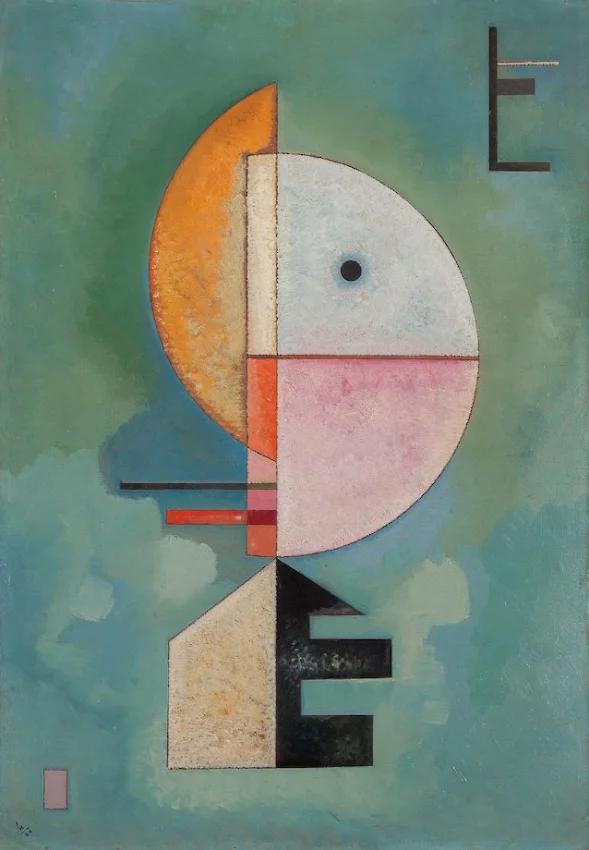
Peggy Guggenheim Collection in Venice
Peggy Guggenheim Collection