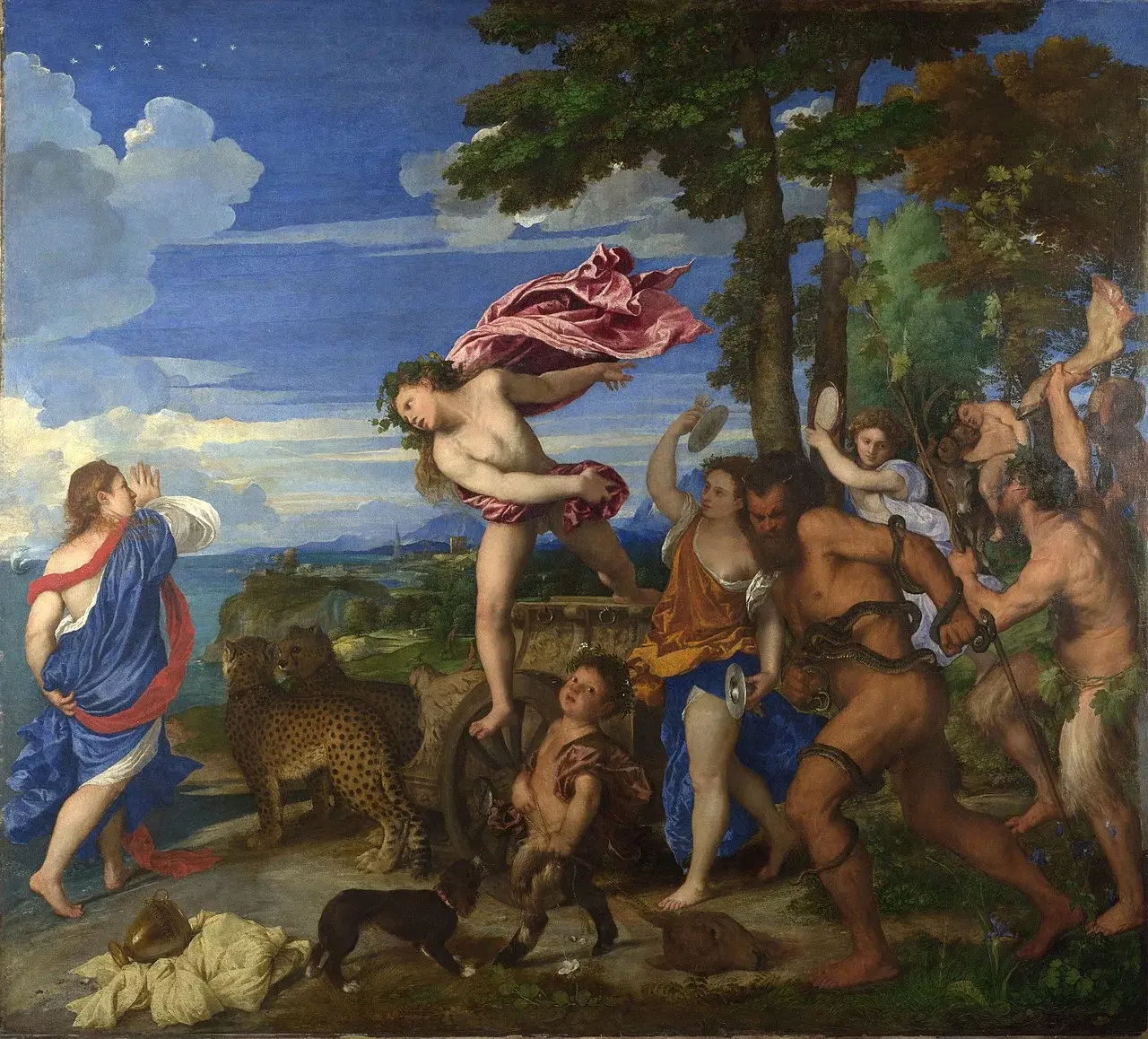
Bacchus and Ariadne
Meet the artist
TTitian1488–1576Italian
Dates
1520–1523
Specifications
- Movement
- High Renaissance
- Medium
- Oil Painting
- Genre
- Mythological
About the Artwork
Painted between 1520 and 1523, Titian's Bacchus and Ariadne ranks among the supreme achievements of Venetian Renaissance painting. Commissioned by Alfonso I d'Este, Duke of Ferrara, for his celebrated Camerino d'Alabastro — a private chamber decorated with mythological canvases by the leading painters of the age — the work draws its narrative from the Roman poets Ovid and Catullus. The Cretan princess Ariadne, abandoned on the island of Naxos by the departing Theseus (whose ship can be glimpsed at the upper left), turns in alarm as Bacchus leaps from his leopard-drawn chariot, instantly smitten. Above her head glimmers the constellation Corona Borealis, which myth says Bacchus placed in the sky as a token of his love.\n\nThe canvas is a masterclass in controlled dynamism. Titian divides the composition diagonally: one half ablaze with the raucous tumult of Bacchus's revelling entourage — satyrs, a snake-wreathed giant, a child Dionysus dragging a calf's head — while the other opens onto a brilliant sky of costly ultramarine, where the two figures face each other across the threshold of fate. The jewel-like intensity of the colour, the fluid brushwork, and the sense of arrested motion make this one of the most exhilarating mythological paintings ever produced.
Don’t stop here
More to explore by Titian
Same feeling, different artists
Similar Works by Other Artists
Keep exploring
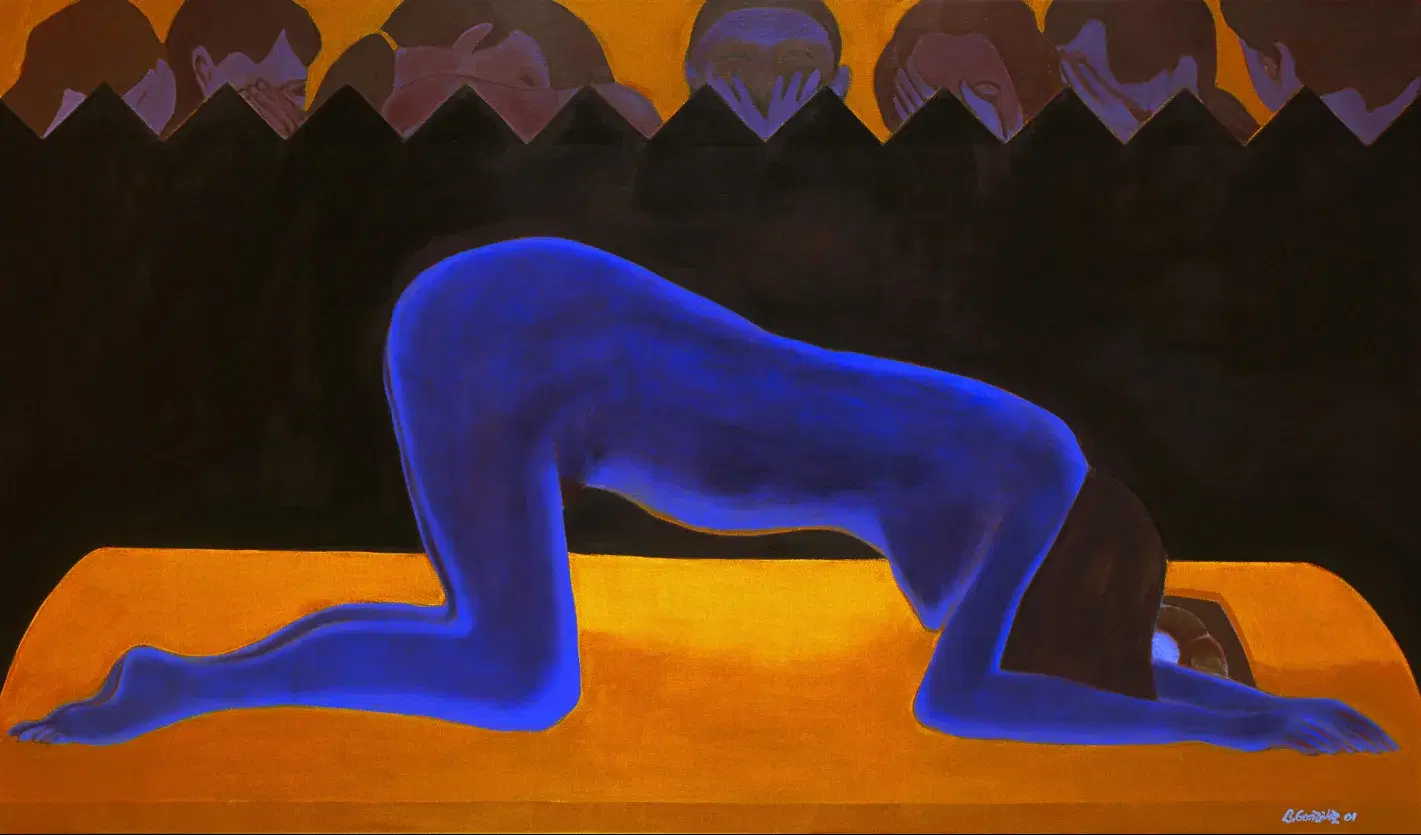
Ends soon
Beatriz González
25 Feb – 10 May 2026
Barbican
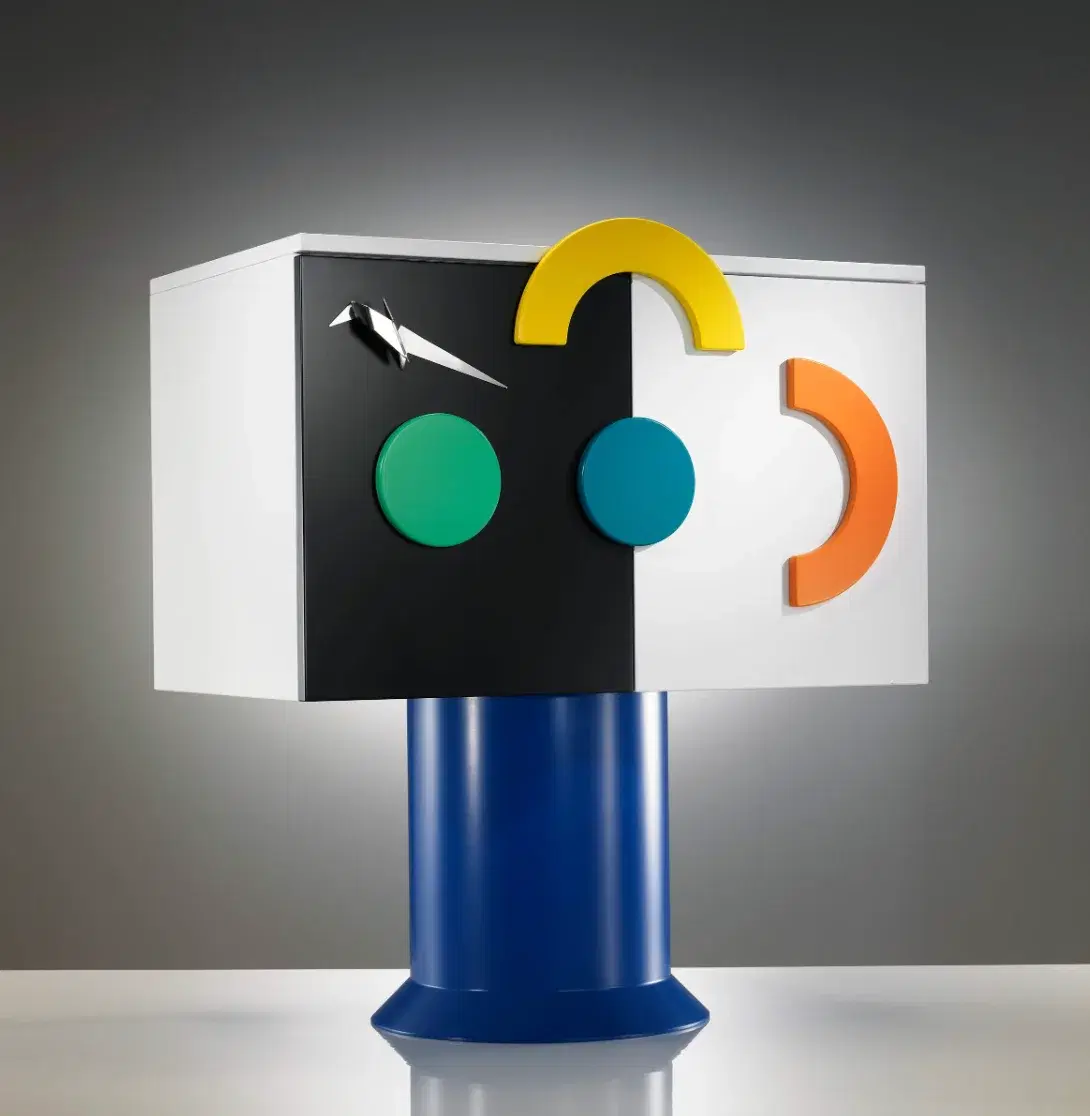
Ends soon
Alessandro Mendini
16 Jan – 10 May 2026
Estorick Collection of Modern Italian Art
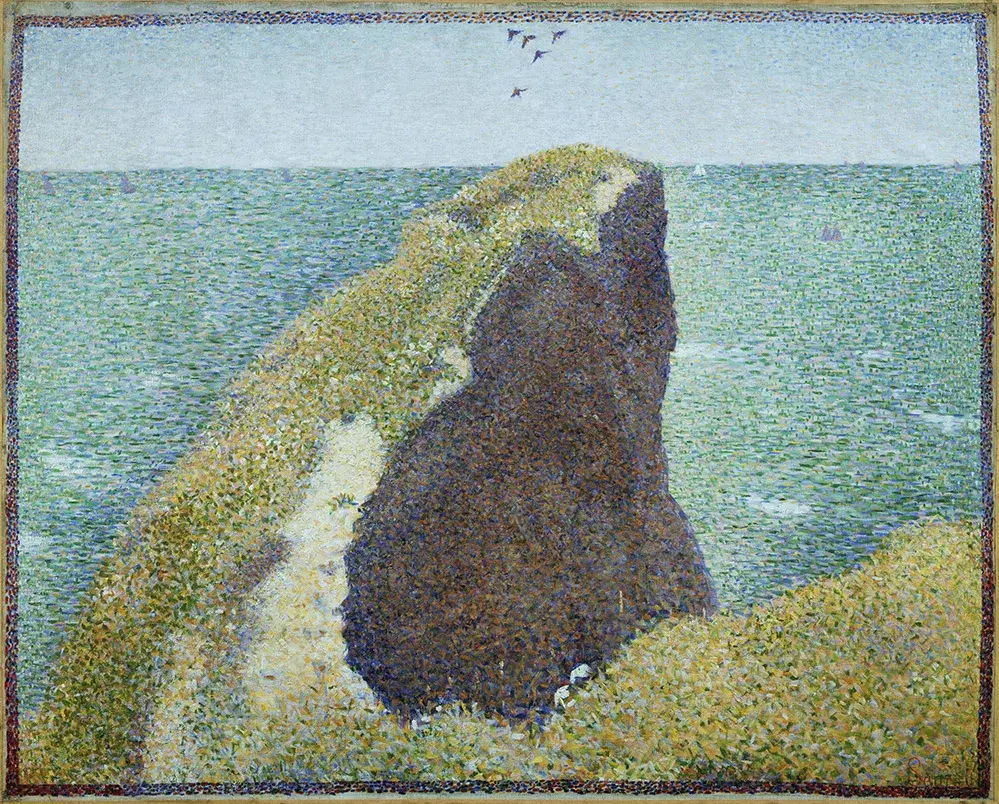
Ends soon
Seurat and the Sea
13 Feb – 17 May 2026
The Courtauld
Ends soon
London Craft Week
11 May – 17 May 2026
The Courtauld
Loie Hollowell. Overview Effect
4 Mar – 23 May 2026
Pace Gallery London
Lynda Benglis: Encounters: Giacometti.
12 Feb – 31 May 2026
Barbican
Katharina Grosse
22 Apr – 31 May 2026
White Cube Gallery Bermondsey
Senga Nengudi: Performance Works 1972-1982
1 Apr – 14 Jun 2026
Whitechapel Gallery

Veronica Ryan: Multiple Conversations
1 Apr – 14 Jun 2026
Whitechapel Gallery
Michaelina Wautier
27 Mar – 21 Jun 2026
The Royal Academy of Arts London