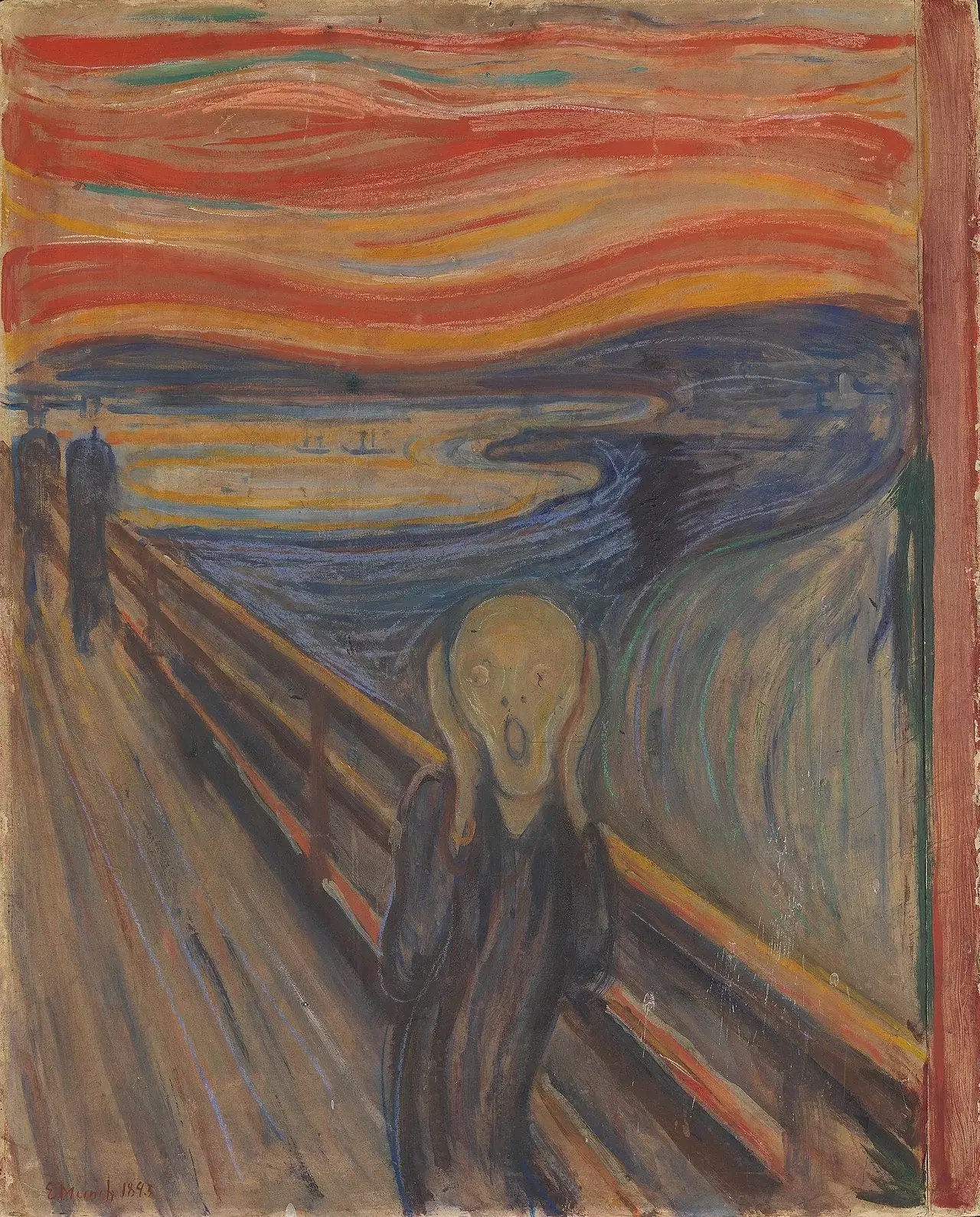
The Scream
#12
Not a scream you hear… a scream you feel inside your body.
Meet the artist
EEdvard Munch1863–1944Norwegian
Dates
1893
Specifications
- Original title
- Skrik
- Movement
- Expressionism
- Medium
- Oil Painting, Pastel, Tempera
- Genre
- Symbolic Painting
- Dimensions
- 91 × 73.5 cm
Wikimedia Commons
About the Artwork
Edvard Munch's "The Scream," or "Skrik" as it's known in Norwegian, is more than just a painting; it's a visual embodiment of existential dread.
"The Scream" holds significant historical importance as a precursor to the Expressionist movement, where artists sought to convey their inner emotions and experiences through bold colors, distorted forms, and subjective interpretations of reality. Munch's raw and unflinching portrayal of anxiety broke from traditional artistic conventions and paved the way for future generations of artists to explore the depths of human emotion. The painting's enduring popularity is a testament to its ability to capture a universal feeling of unease and alienation in the modern world. Its theft and recovery are a demonstration of its cultural value.
Spotlight
Edvard Munch wasn’t painting a person — he was painting a feeling.
He described the moment himself: walking at sunset, suddenly feeling “a great infinite scream pass through nature.”
The swirling lines connect sky, land, and body — emotion infects everything
The figure is almost genderless, universal — it could be anyone
Multiple versions exist — painted, pastel, lithograph — each intensifying the same anxiety
It’s one of the first artworks where inner emotion completely distorts reality.
Worth the trip
Because seeing it in person in Oslo — at the National Museum of Norway or the Munch Museum — is strangely intimate. It’s not huge. It doesn’t dominate the room. But it pulls you in. And then you realize: this isn’t about that figure screaming — it’s about something you’ve felt too. If Artlovers is about traveling for emotions you can’t explain… this is one of the purest expressions ever painted.
How to experience it
Start from a distance- Let the whole vibration hit you — sky, bridge, figure.
Then move closer, slowly - The figure becomes less “a person” and more a feeling.
Focus on the face - It’s simple, almost empty — that’s why it works.
Follow the lines - The sky, the landscape, the body — everything is connected.
Ignore the background at first - Then notice figures later — calm, distant, disconnected.
Feel the color, don’t analyze it - That red sky isn’t realistic — it’s emotional.
Stay a moment in silence - It’s uncomfortable. That’s the point.
Artlovers tip
Don’t think “someone is screaming.”
Think: what if this is what anxiety looks like?
Don’t stop here
More to explore by Edvard Munch
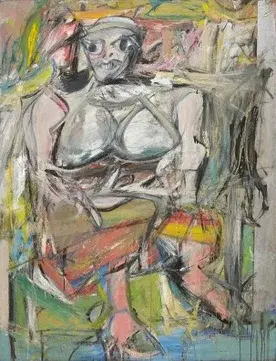
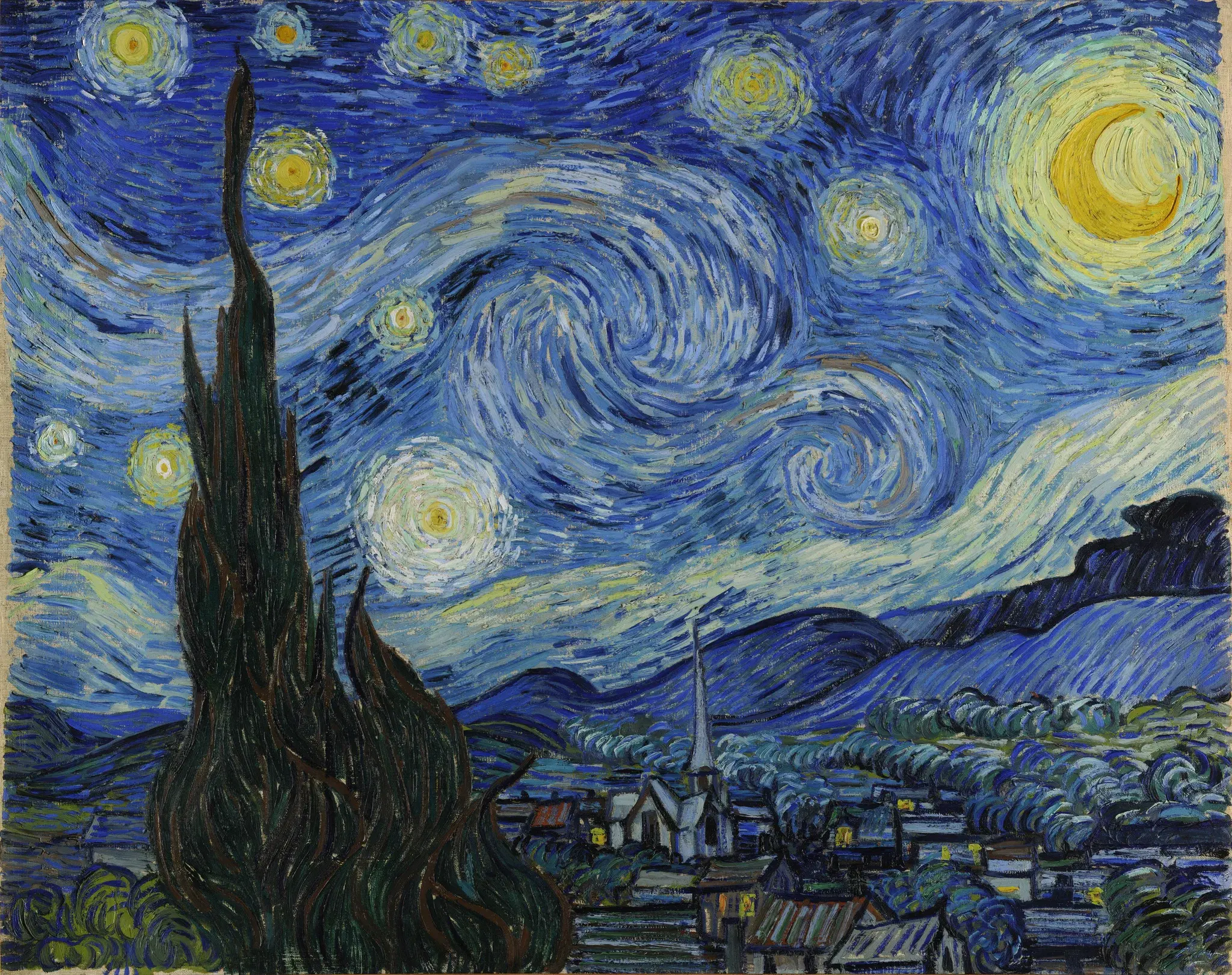
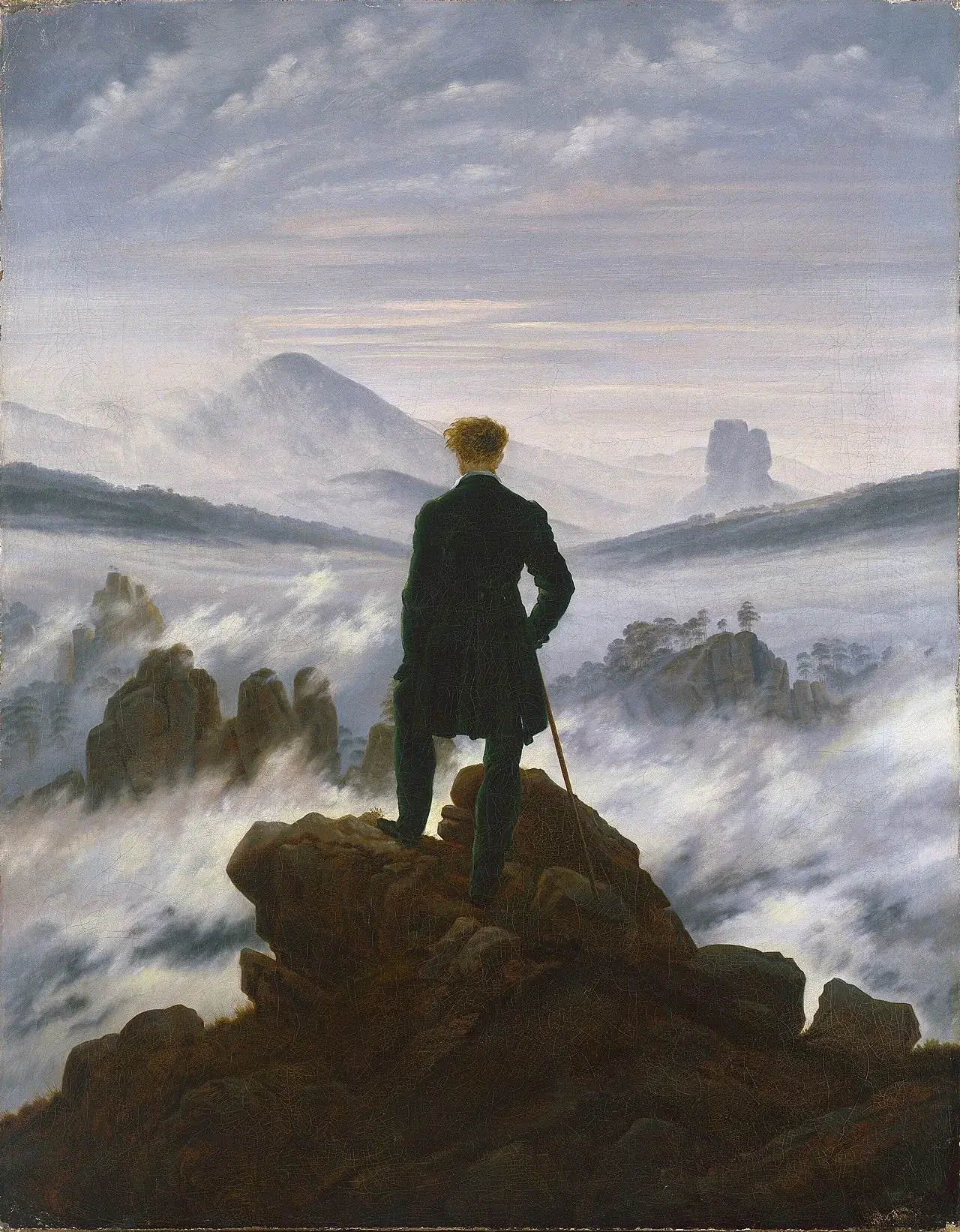
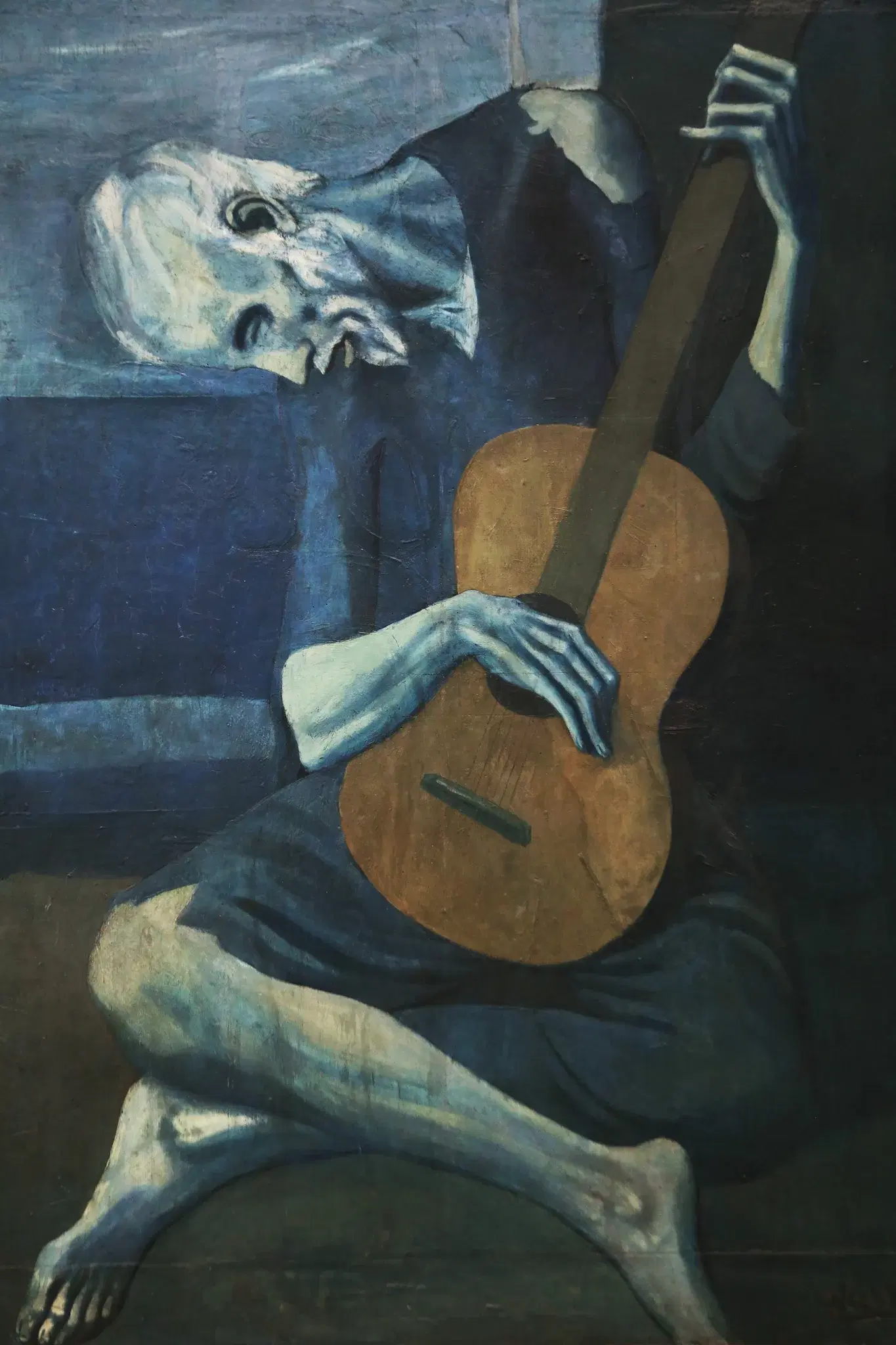
Same feeling, different artists