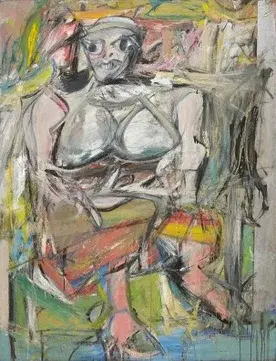
Woman I
#89
Meet the artist
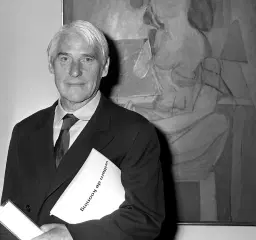
Willem de Kooning1904–1997American, Dutch
Dates
1950–1952
Specifications
- Dimensions
- 192.7 × 147.3 cm
Wikimedia Commons
About the Artwork
Willem de Kooning's Woman I, a monumental canvas from 1950-1952, stands as a pivotal work within the Abstract Expressionist movement. The painting depicts a ferocious, almost grotesque female figure, rendered with aggressive brushstrokes and a jarring palette. While nominally representing a woman, the subject is fragmented and distorted, embodying the anxieties and uncertainties of the post-war era. The work exemplifies de Kooning's signature blend of figuration and abstraction, challenging traditional notions of beauty and representation.
Historically, Woman I marks a crucial moment in the development of Abstract Expressionism. De Kooning's struggle with the canvas, evident in the heavily reworked surface, reflects the movement's emphasis on the artist's process and emotional state. The painting broke with the prevailing trends of pure abstraction, reintroducing the human figure in a raw and unsettling manner. This bold move influenced subsequent generations of artists, paving the way for new approaches to figuration in contemporary art.
De Kooning's technique in Woman I is characterized by its energetic application of paint, creating a dense and layered surface. He employed a 'wet-on-wet' technique, allowing colors to blend and bleed into one another, further blurring the lines between figure and ground. The dynamic composition, with its bold lines and clashing colors, conveys a sense of restless energy and psychological intensity. Woman I matters because it represents a radical departure from traditional artistic conventions, embodying the spirit of experimentation and emotional expression that defined Abstract Expressionism and continues to resonate with artists and viewers today.
How to experience it
view it from both close and far distances
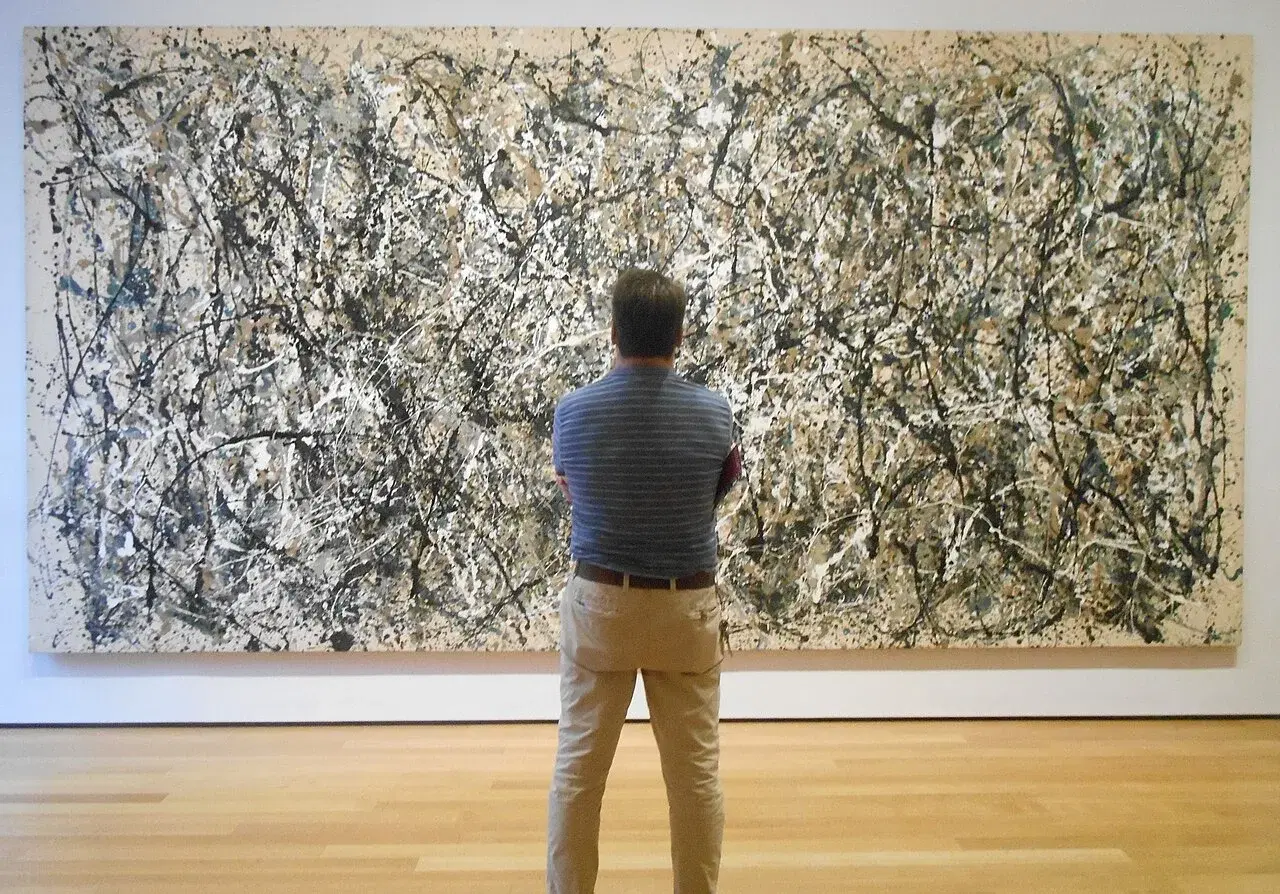
Same feeling, different artists
Similar Works by Other Artists
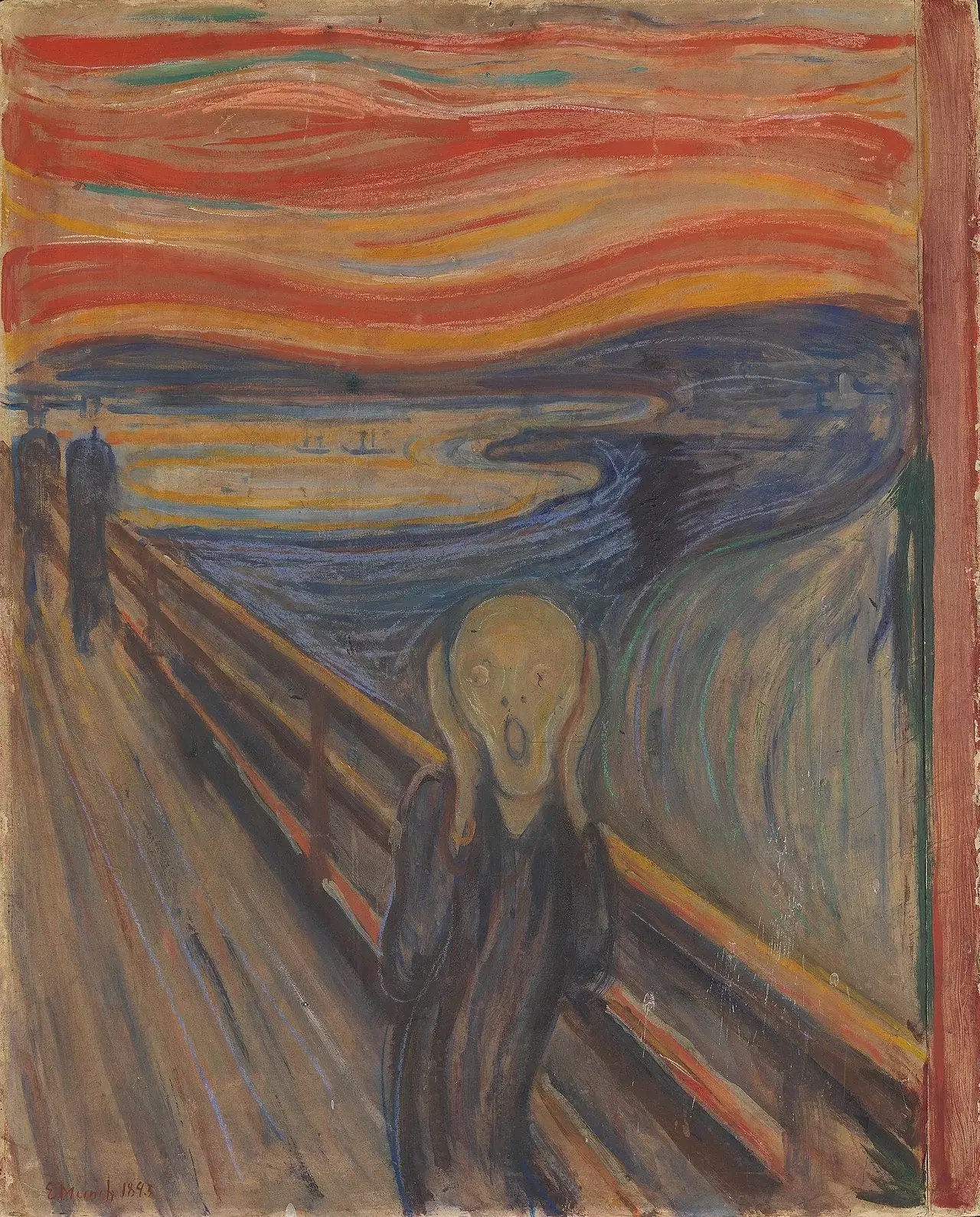
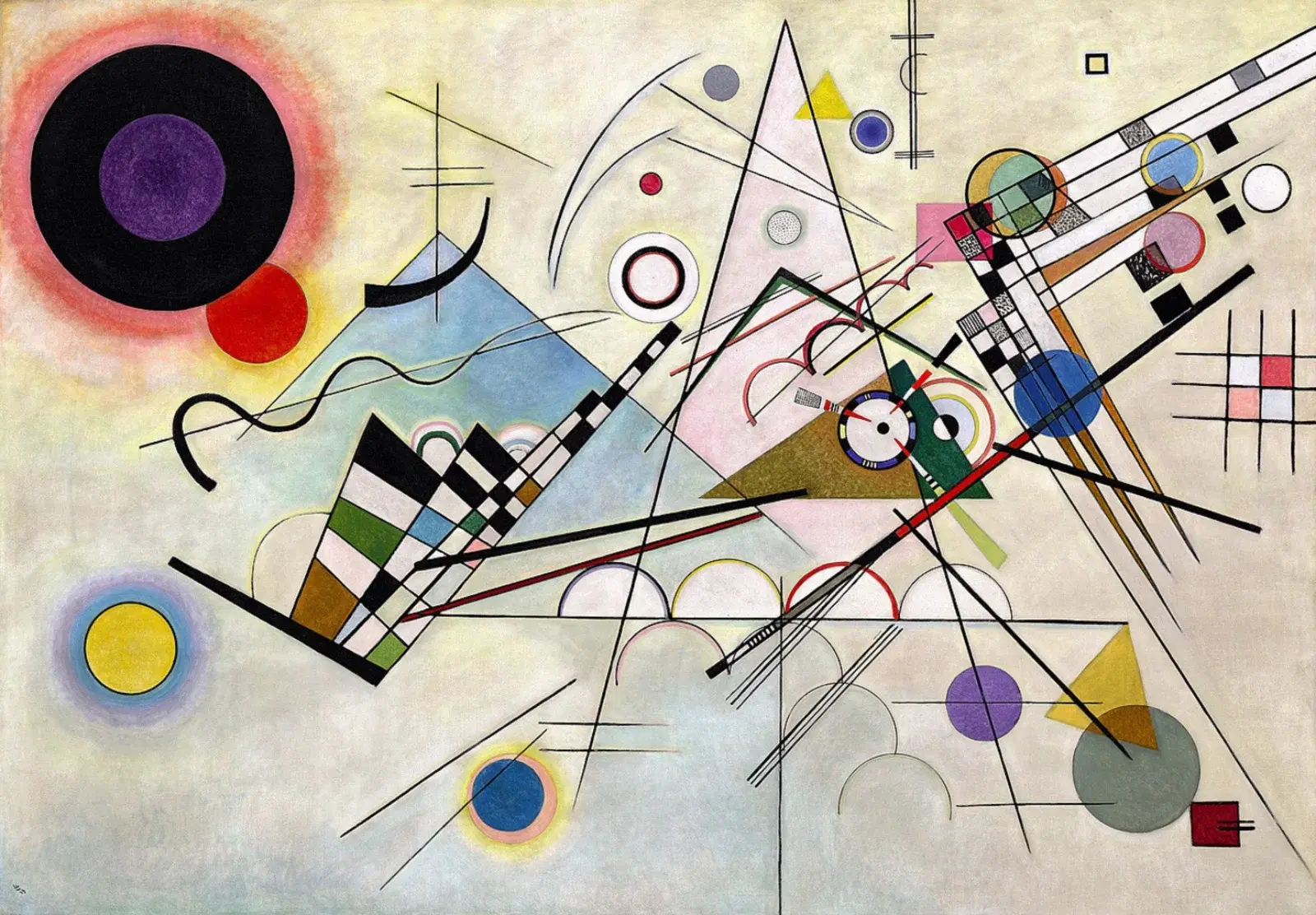
Keep exploring
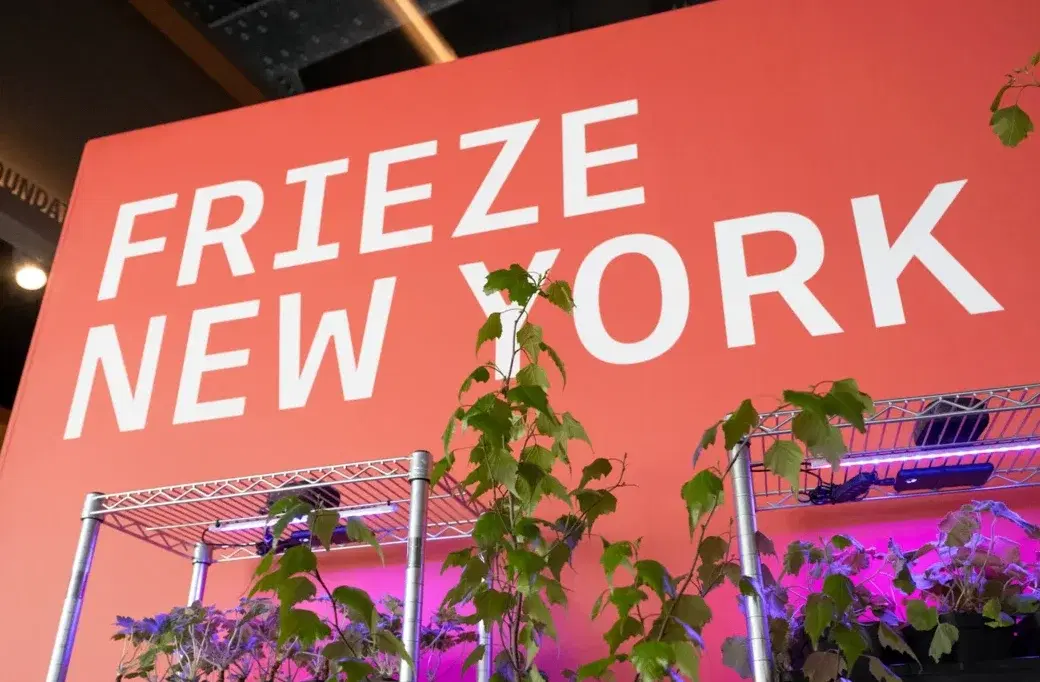
Ends soon
Frieze New York 2026
13 May – 17 May 2026
The Shed New York
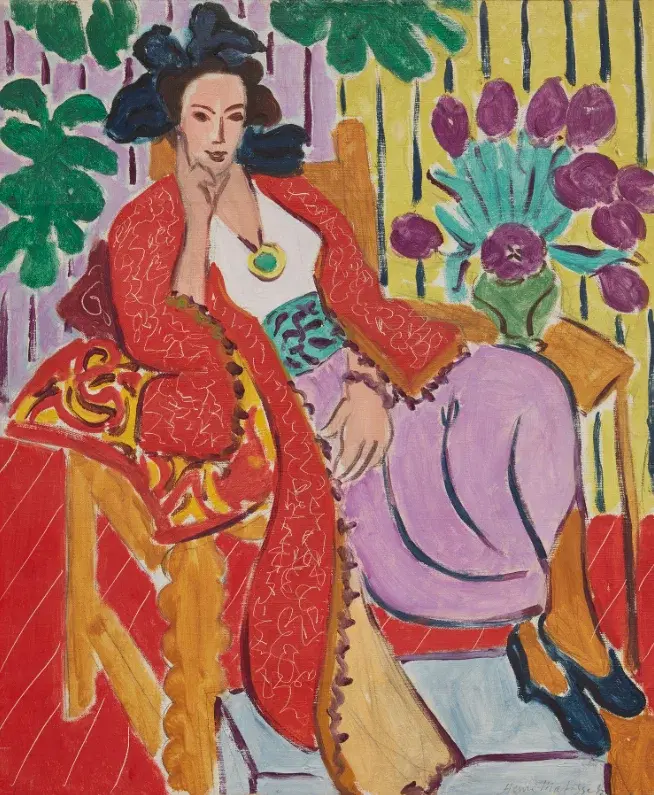
Matisse. The Pursuit of Harmony
9 Apr – 22 May 2026
Acquavella Galleries
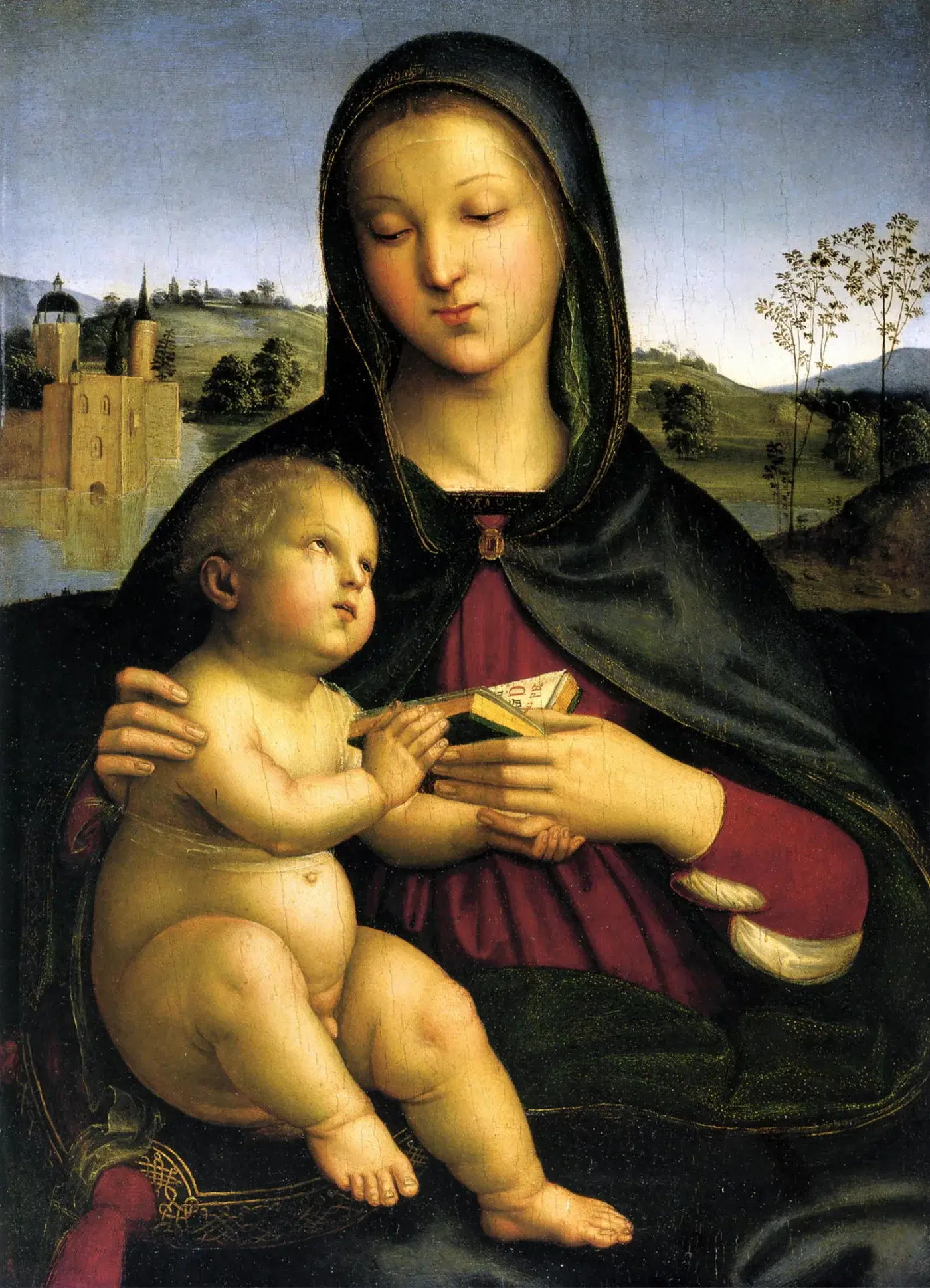
Raphael: Sublime Poetry
29 Mar – 28 Jun 2026
Metropolitan Museum of Art
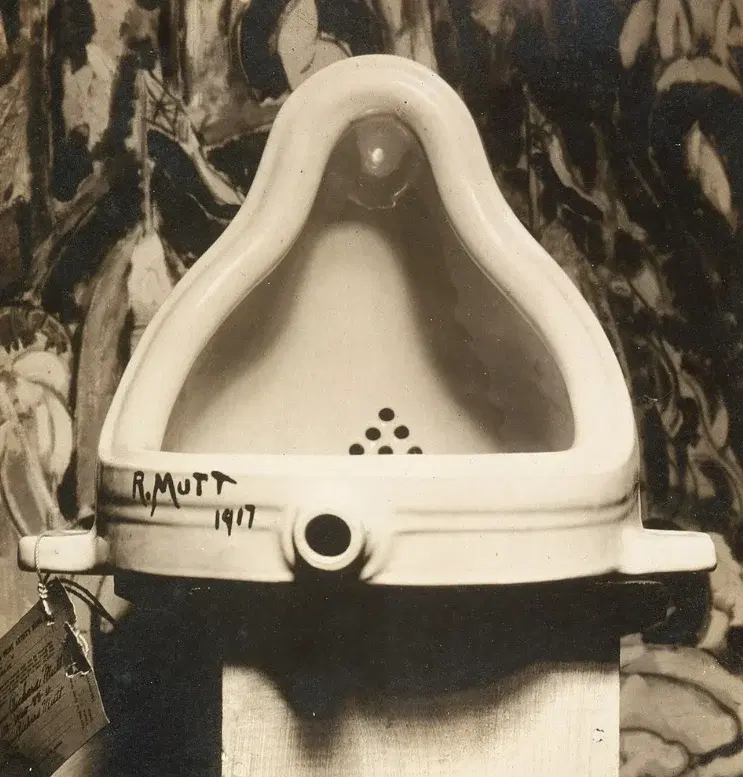
Marcel Duchamp
13 Apr – 22 Aug 2026
MoMA The Museum of Modern Art
Whitney Biennial 2026
8 Mar – 23 Aug 2026
Whitney Museum of American Art
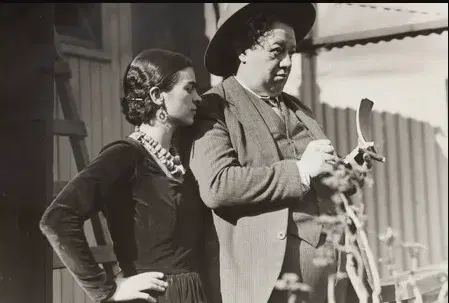
Frida and Diego. The Last Dream.
1 Apr – 12 Sep 2026
MoMA The Museum of Modern Art
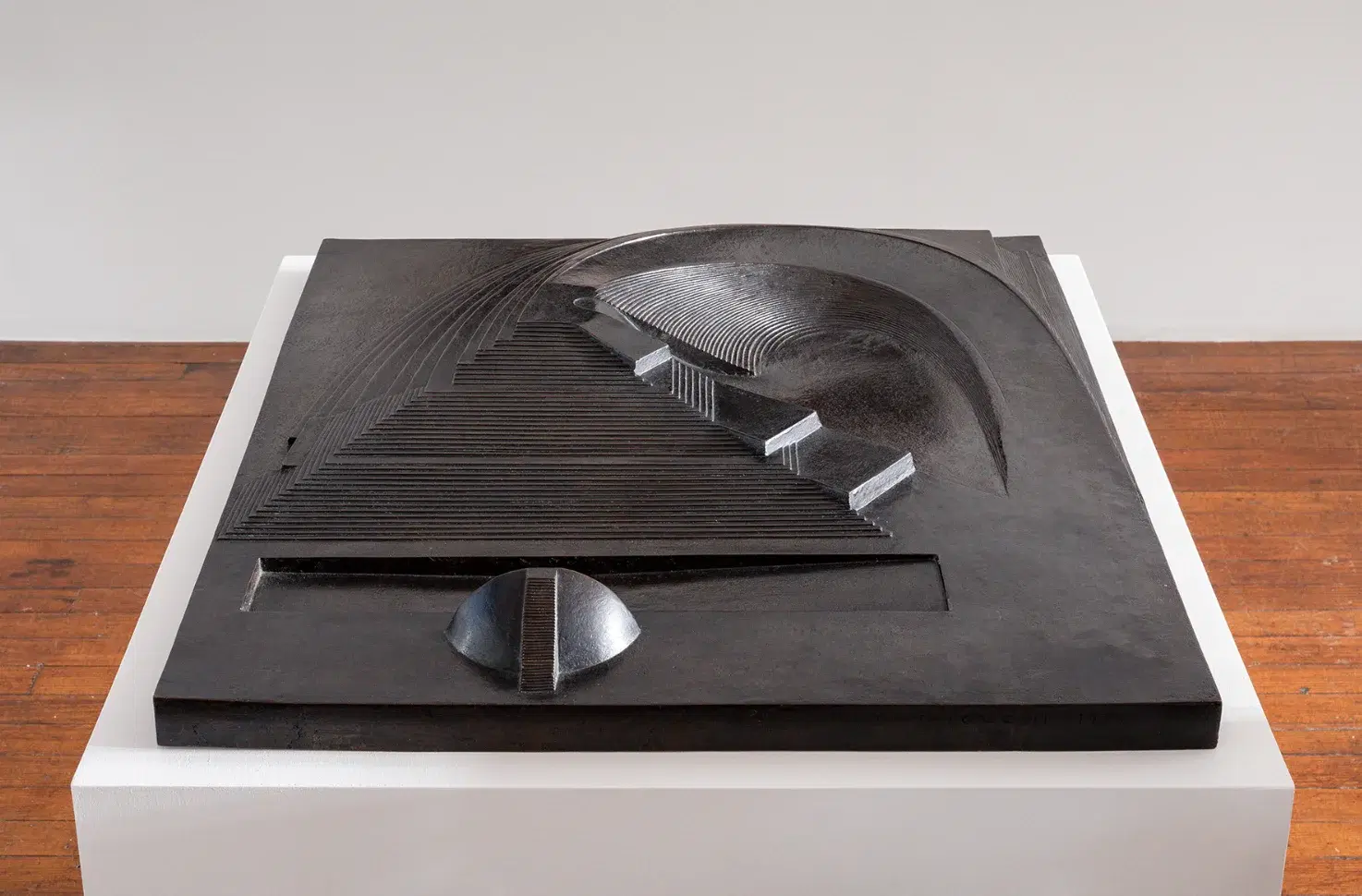
Noguchi’s New York
4 Feb – 13 Sep 2026
The Noguchi Museum
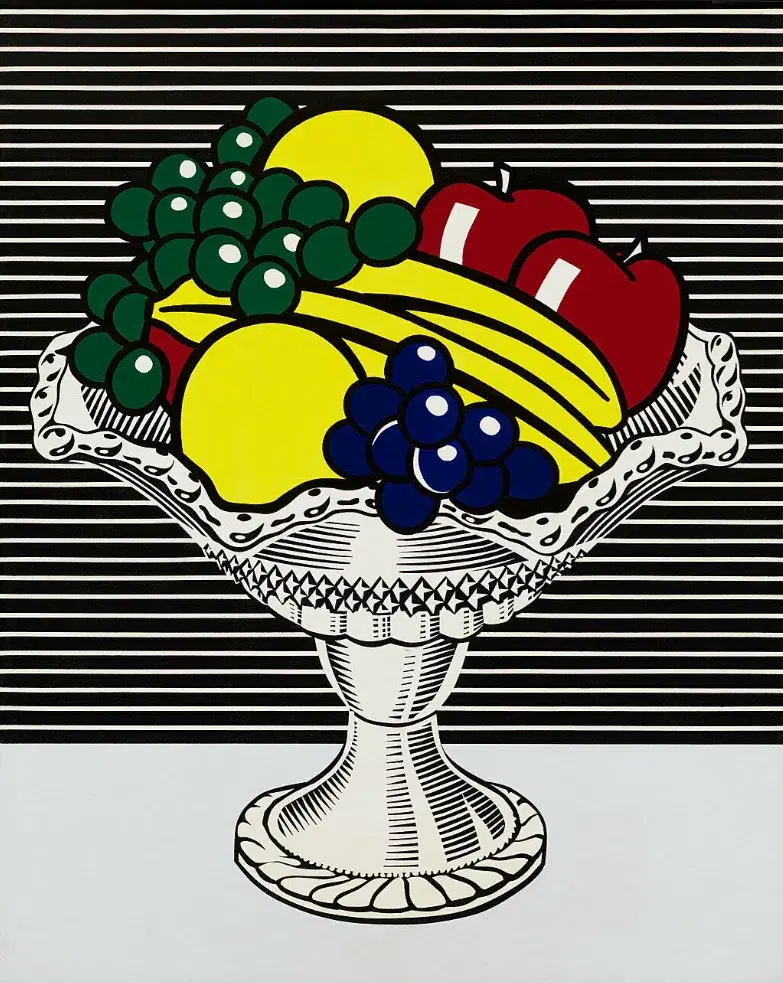
Roy Lichtenstein
1 Oct 2026 – 1 Jan 2027
Whitney Museum of American Art
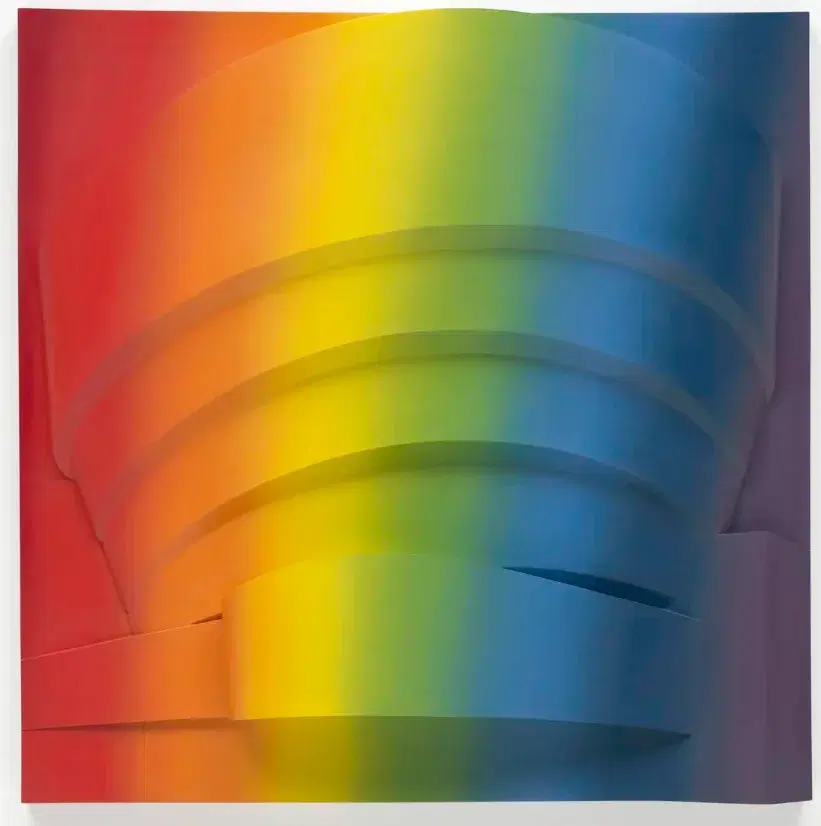
Guggenheim Pop
5 Jun 2026 – 10 Jan 2027
Solomon R. Guggenheim Museum
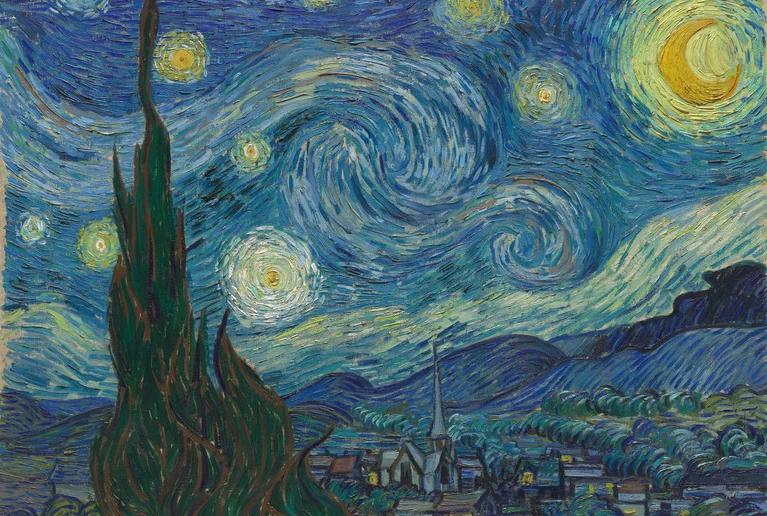
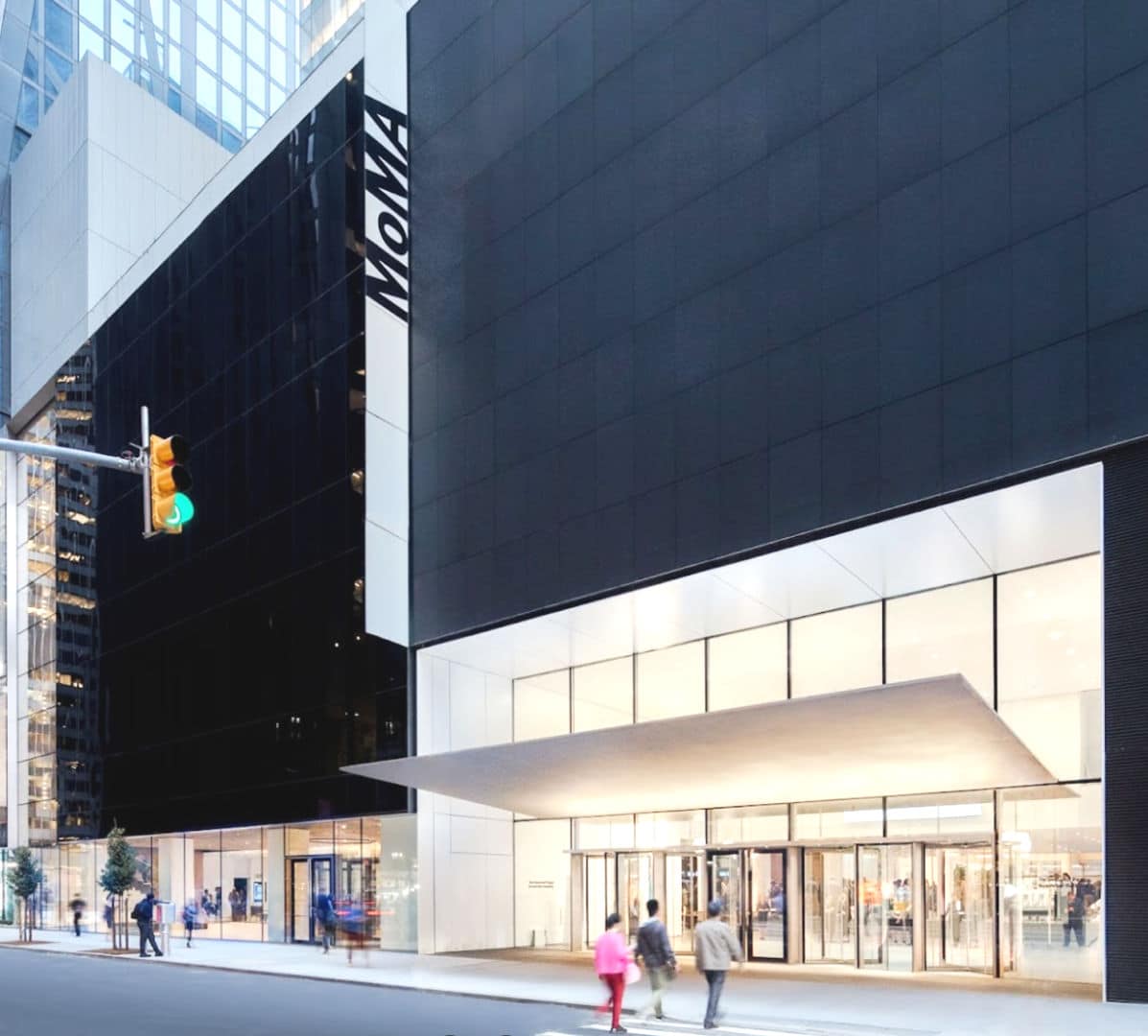
Moma Permanent Collection
MoMA The Museum of Modern Art