
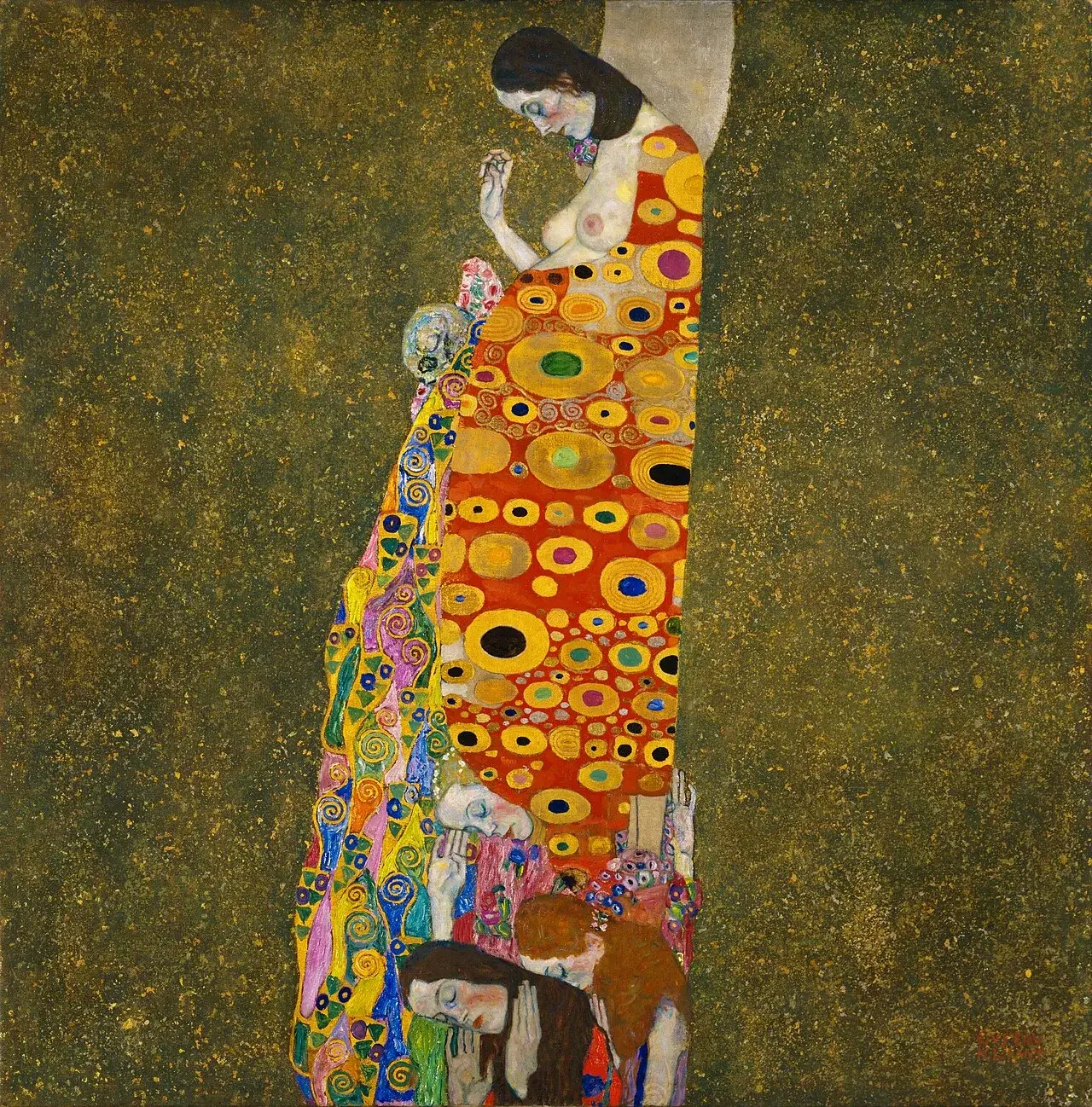
Hope II
Meet the artist
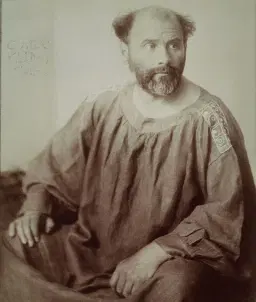
Gustav Klimt1862–1918Austrian
Dates
1907–1908
Specifications
- Movement
- Art Nouveau, Symbolism
- Medium
- Oil Painting
- Genre
- Allegory, Symbolic Painting
About the Artwork
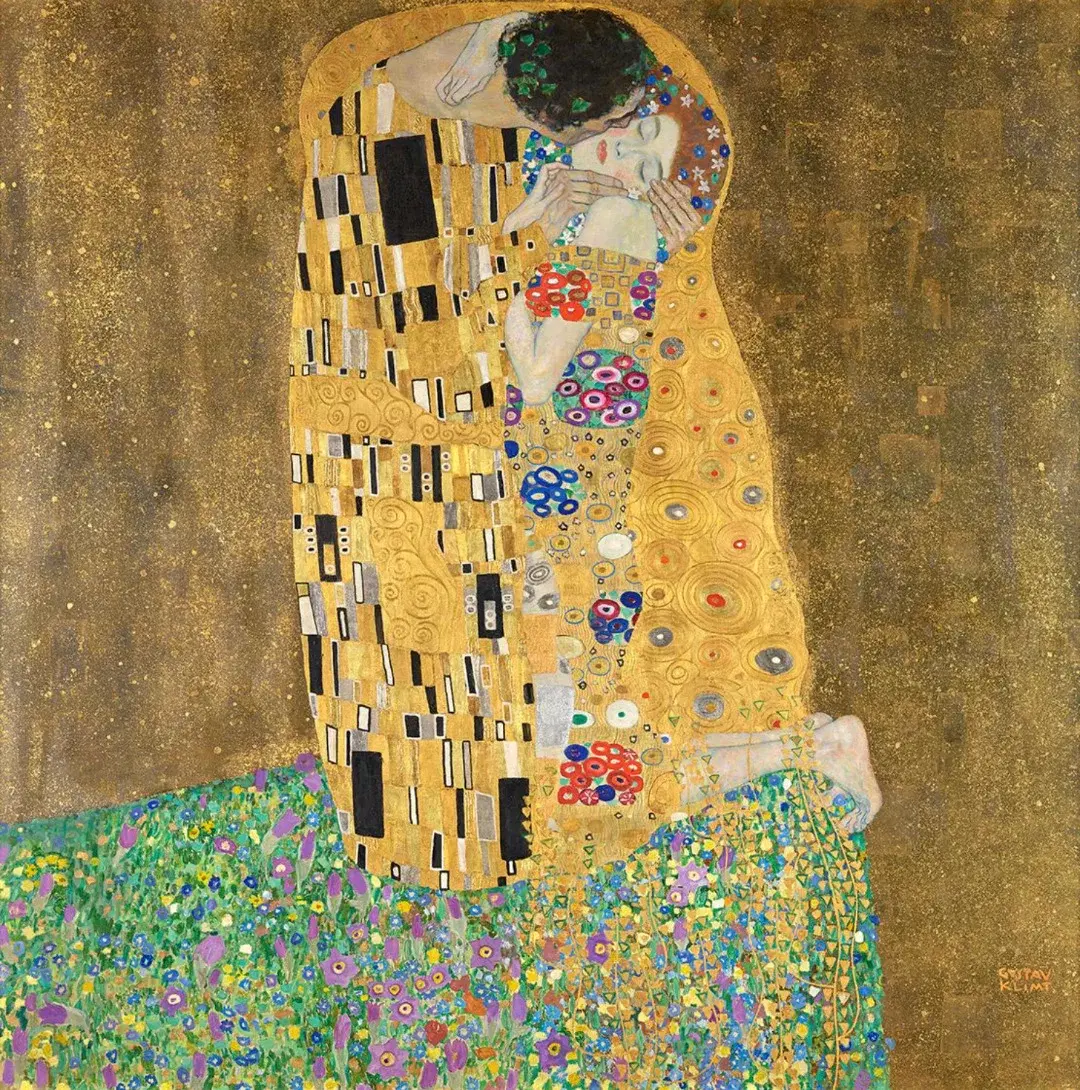
Hope II, completed between 1907 and 1908, is one of Gustav Klimt's most layered and emotionally complex paintings, a work in which the life-affirming and the ominous are held in perfect, unsettling tension. A pregnant woman stands with eyes closed, her head bowed in an attitude of prayer or surrender, her body draped in a richly decorated robe of gold and platinum. Below her, three female figures — ghostly, barely individuated — press their faces against her form, suggesting the figures of death or fate that attend upon the threshold of new life. The painting's square format, measuring approximately 110 by 110 centimeters, was originally entitled Vision by Klimt himself.\n\nKlimpt exhibited the work at the landmark 1908 Kunstschau in Vienna alongside The Kiss and Danaë, cementing his reputation as the central figure of Viennese Symbolism. The model was Herma, one of Klimt's favorite sitters, who also appeared in his earlier Hope I. The use of actual gold and platinum leaf elevates the composition toward the iconic, connecting pregnancy and hope to a timeless, almost sacred register. The Museum of Modern Art in New York acquired Hope II in 1978, and it stands as one of the finest examples of Klimt's mature Gold Period in a North American collection.
Don’t stop here
More to explore by Gustav Klimt
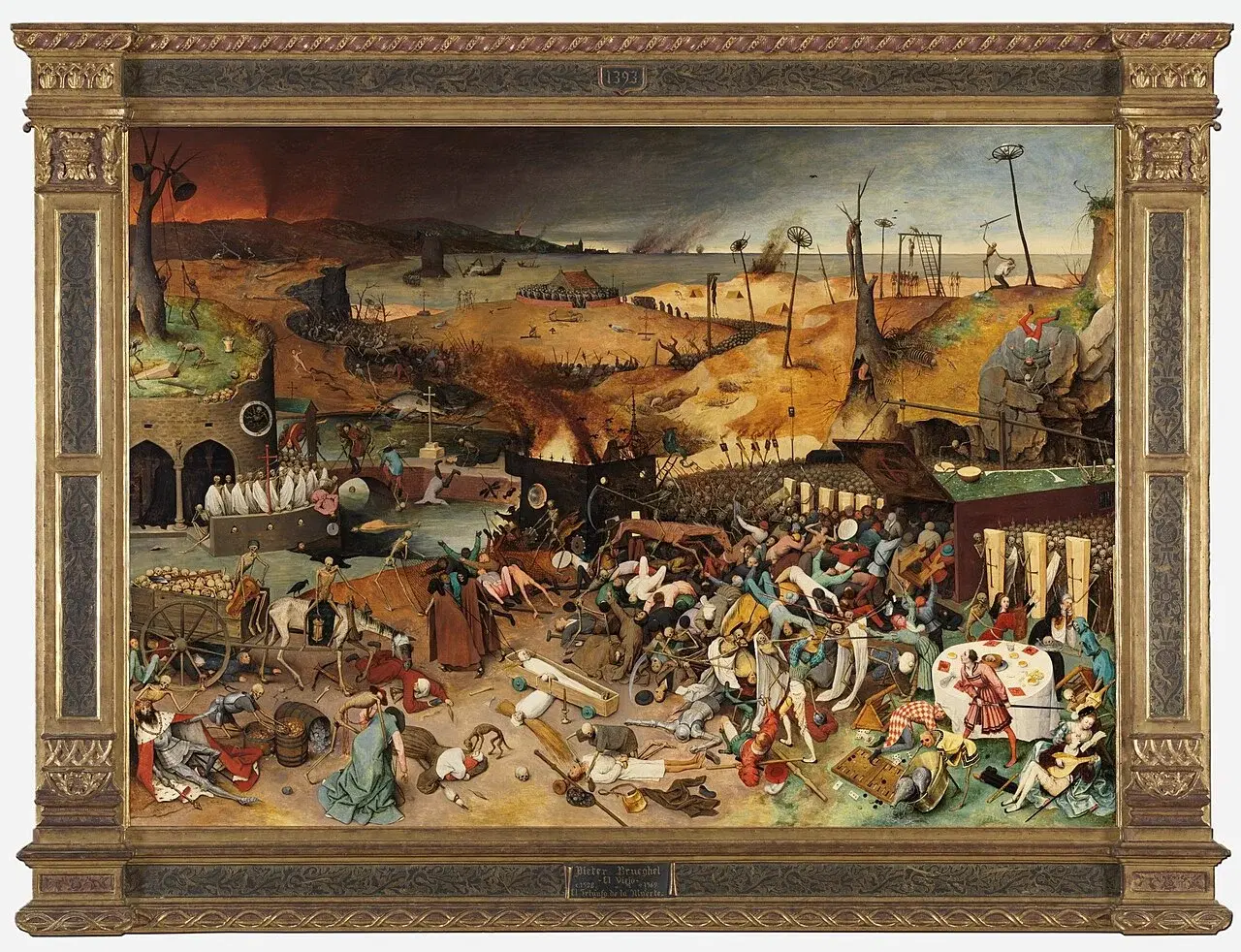
Same feeling, different artists
Similar Works by Other Artists
Keep exploring
Ends soon
Frieze New York 2026
13 May – 17 May 2026
The Shed New York
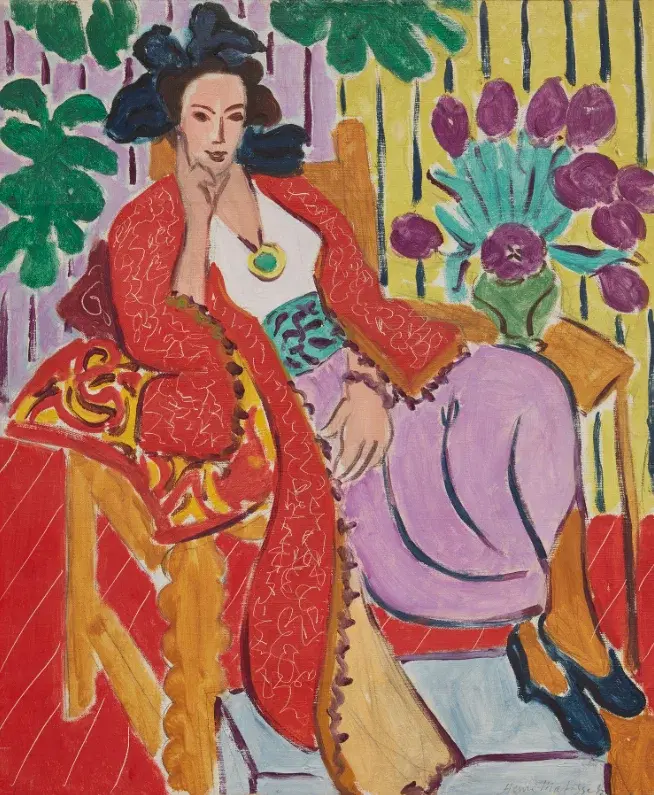
Matisse. The Pursuit of Harmony
9 Apr – 22 May 2026
Acquavella Galleries
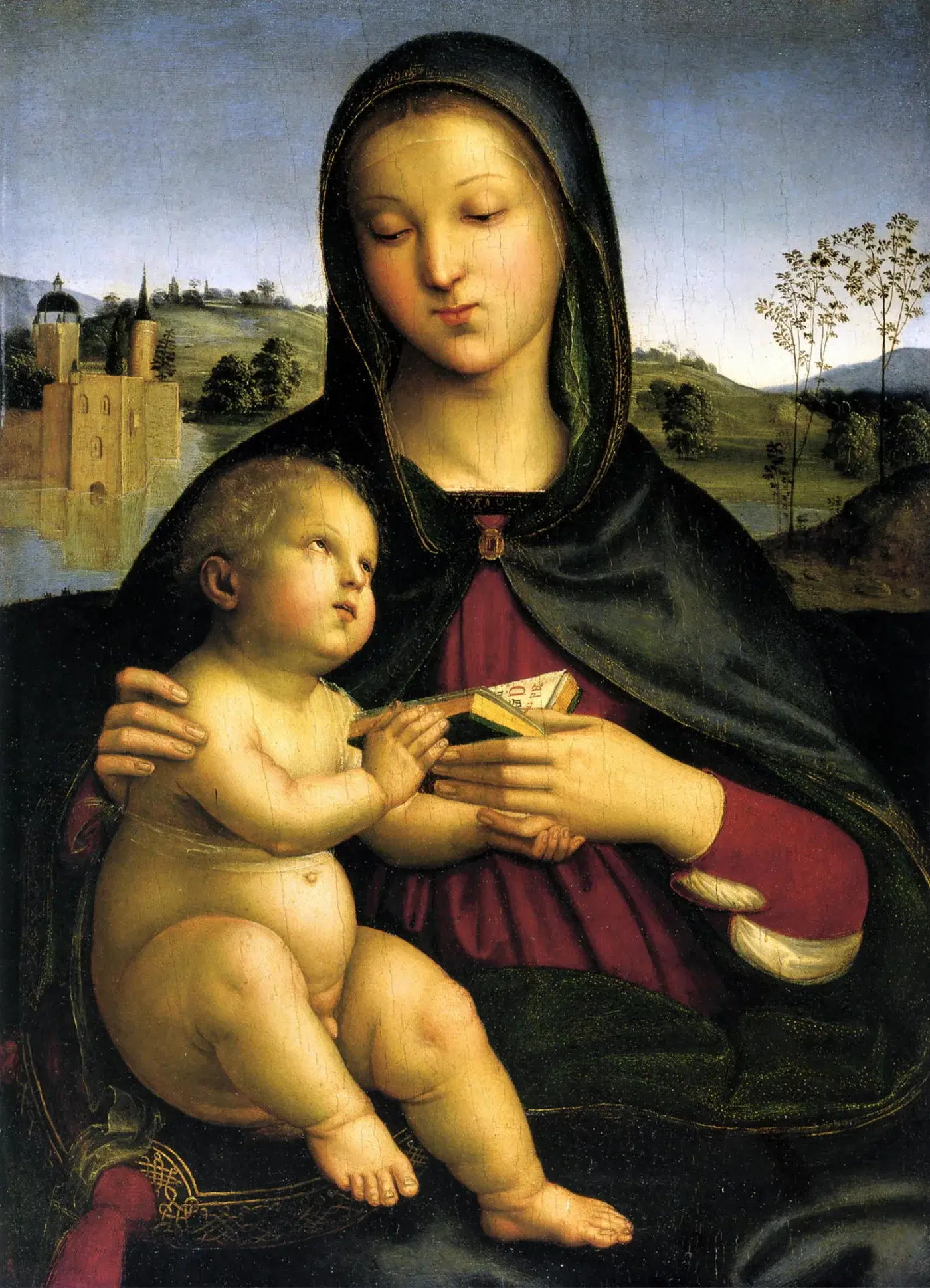
Raphael: Sublime Poetry
29 Mar – 28 Jun 2026
Metropolitan Museum of Art
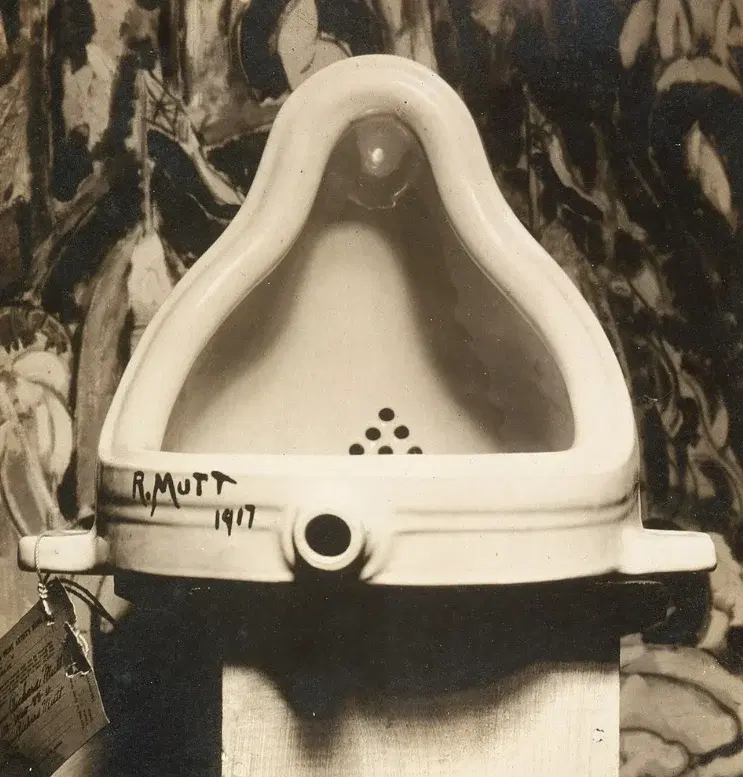
Marcel Duchamp
13 Apr – 22 Aug 2026
MoMA The Museum of Modern Art

Whitney Biennial 2026
8 Mar – 23 Aug 2026
Whitney Museum of American Art
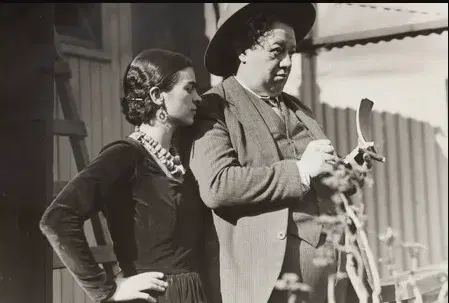
Frida and Diego. The Last Dream.
1 Apr – 12 Sep 2026
MoMA The Museum of Modern Art
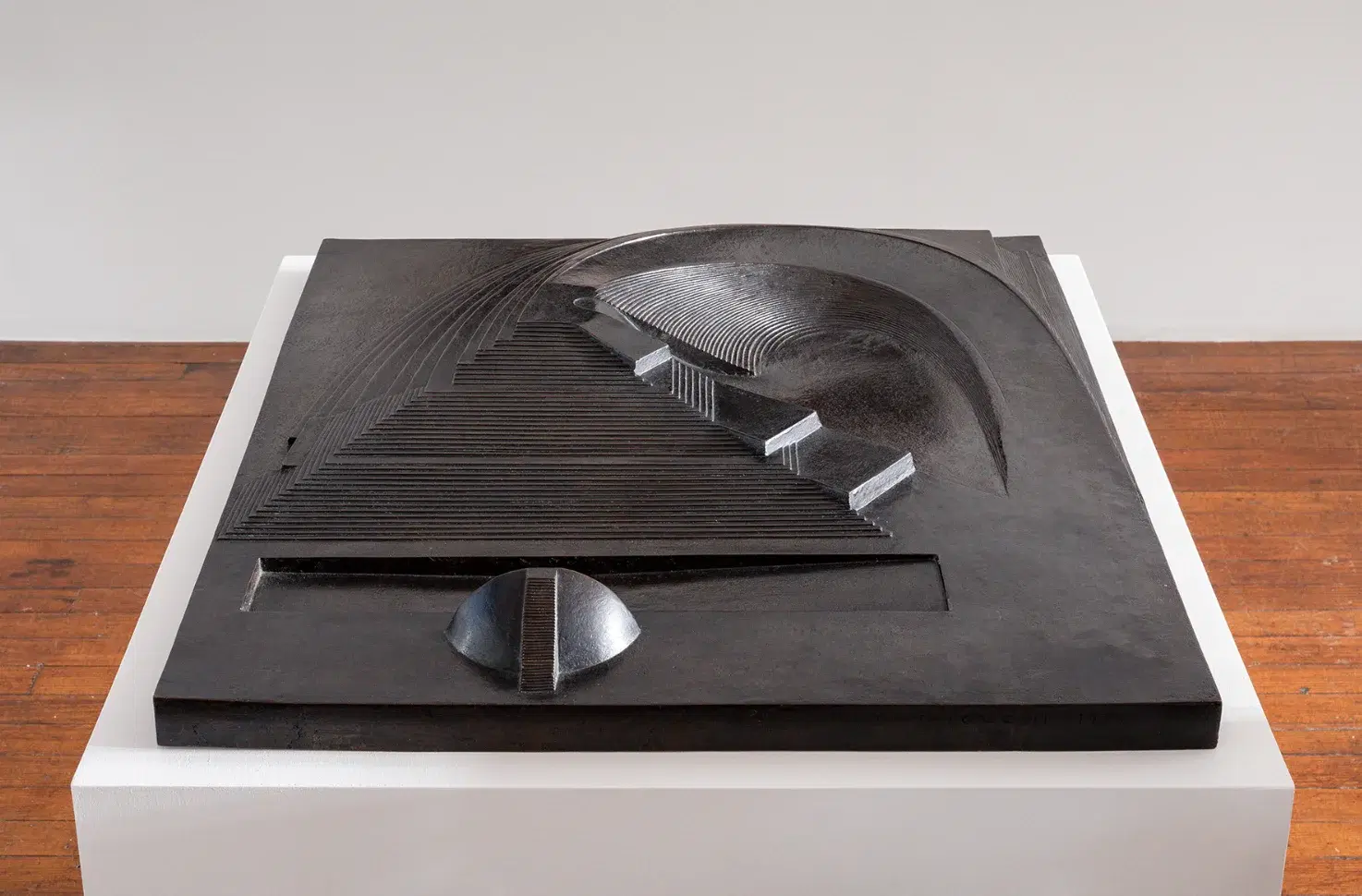
Noguchi’s New York
4 Feb – 13 Sep 2026
The Noguchi Museum
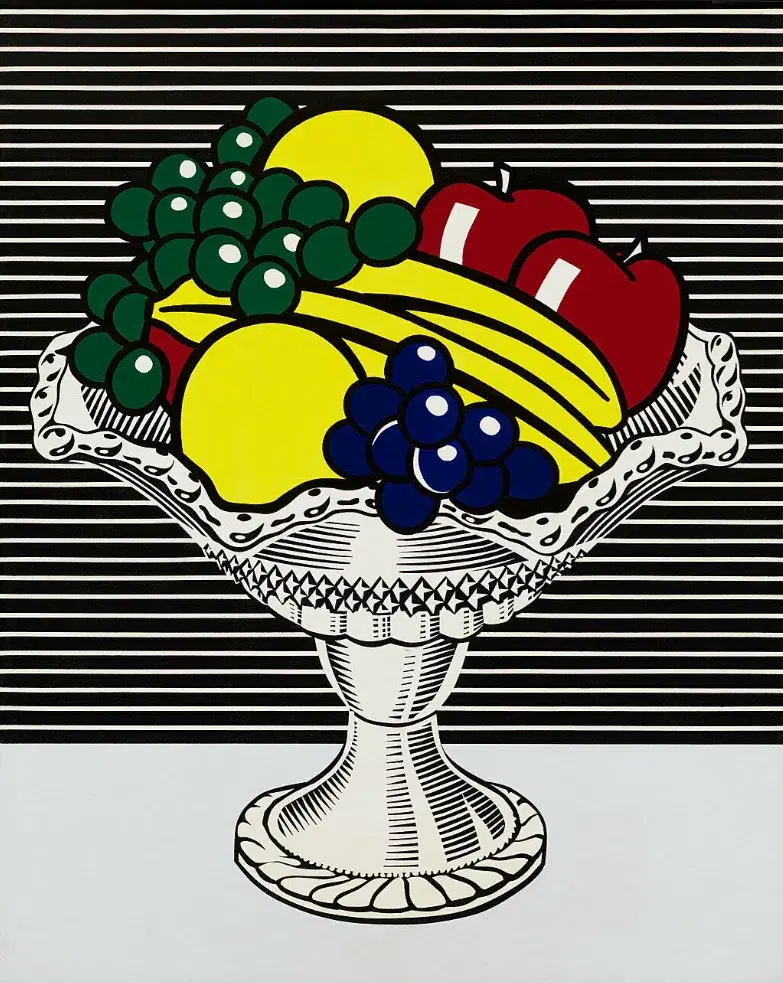
Roy Lichtenstein
1 Oct 2026 – 1 Jan 2027
Whitney Museum of American Art
Guggenheim Pop
5 Jun 2026 – 10 Jan 2027
Solomon R. Guggenheim Museum
Moma Permanent Collection
MoMA The Museum of Modern Art