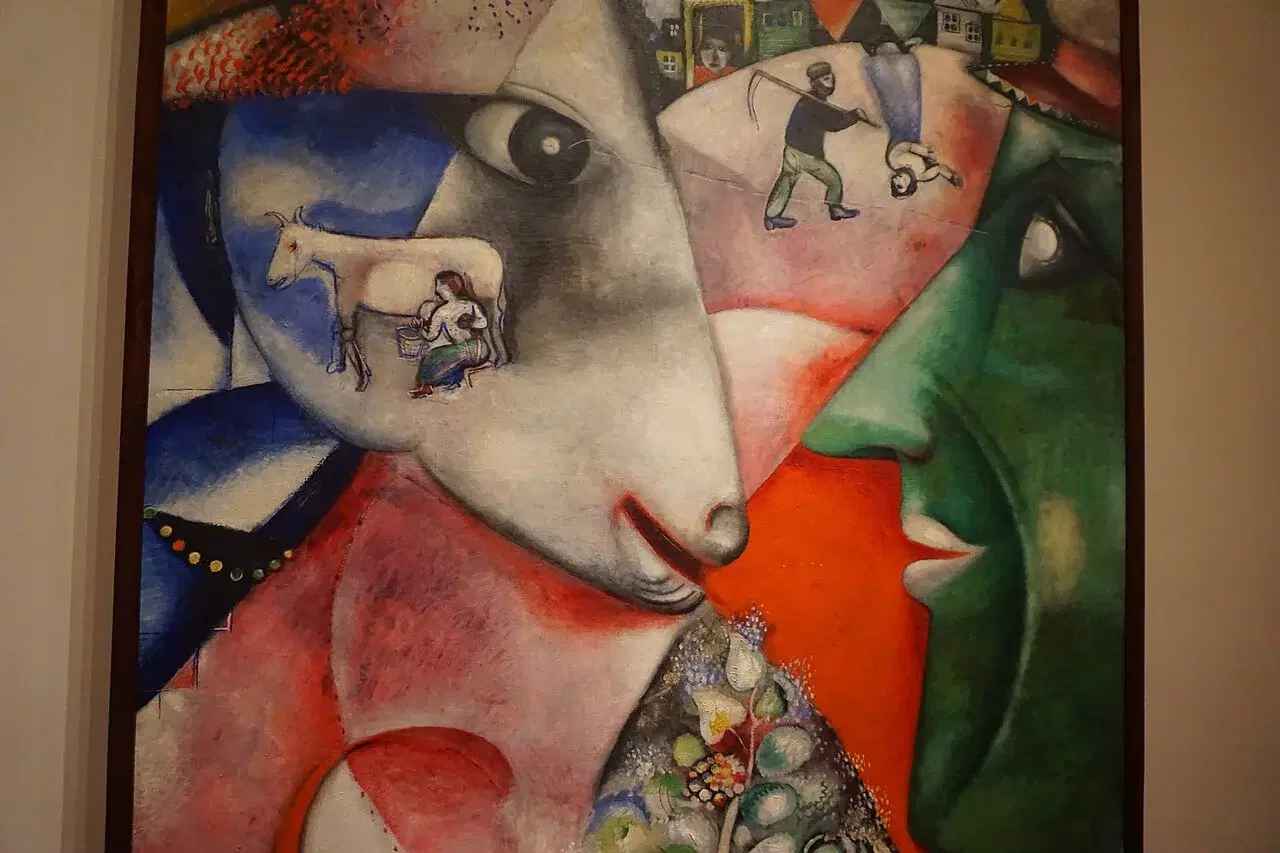
I and the Village
Meet the artist
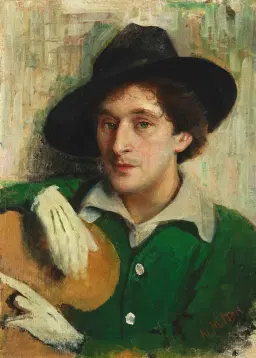
Marc Chagall1887–1985French
Dates
1911
Specifications
- Movement
- Cubism, Modernism, Surrealism
- Medium
- Oil Painting
- Genre
- Landscape
About the Artwork
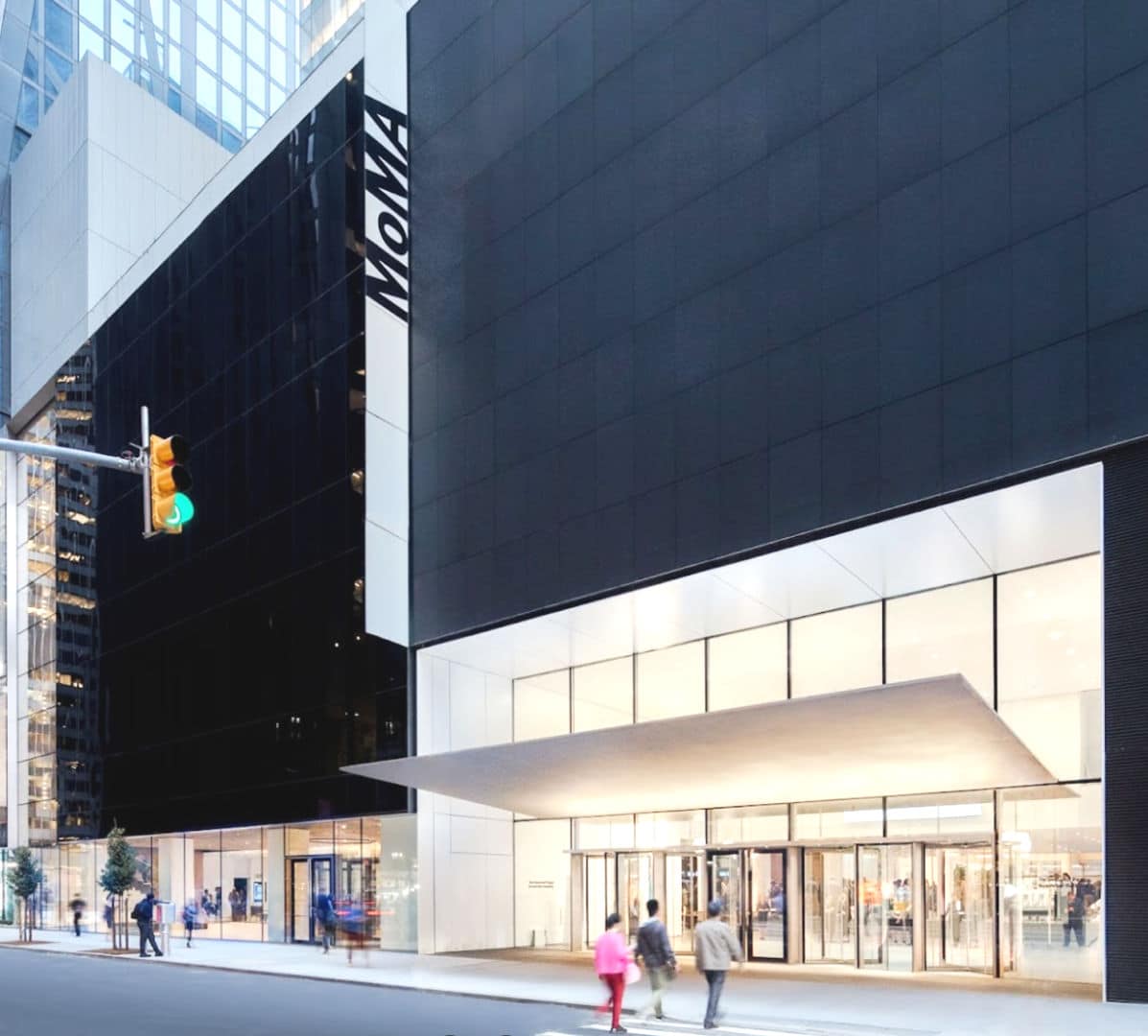
Painted in 1911, I and the Village is one of Marc Chagall's most beloved and poetic works, a visual memoir drawn from his childhood in Vitebsk, the small Belarusian city where he grew up. The composition presents a dialogue between a green-faced man — a stand-in for the artist himself — and a white goat, the two figures gazing at one another in a shared intimacy that transcends rational explanation. Hovering within the goat's translucent cheek is a tiny scene of a woman milking another goat, a memory embedded within a memory.\n\nChagall arrived in Paris in 1910 and absorbed the visual language of Cubism without surrendering his own deeply personal mythology. The result is a work that defies easy categorization: Cubist in its fractured geometry, yet lyrical and dreamlike in spirit. Upside-down figures, an Orthodox church, and a crescent of village houses float freely across the canvas, liberated from gravity and logic. Oil on canvas, measuring approximately 192 by 151 centimeters, I and the Village entered the collection of the Museum of Modern Art in New York in 1945 through the Mrs. Simon Guggenheim Fund, where it continues to enchant visitors with its blend of folk memory and modernist invention.
Same feeling, different artists
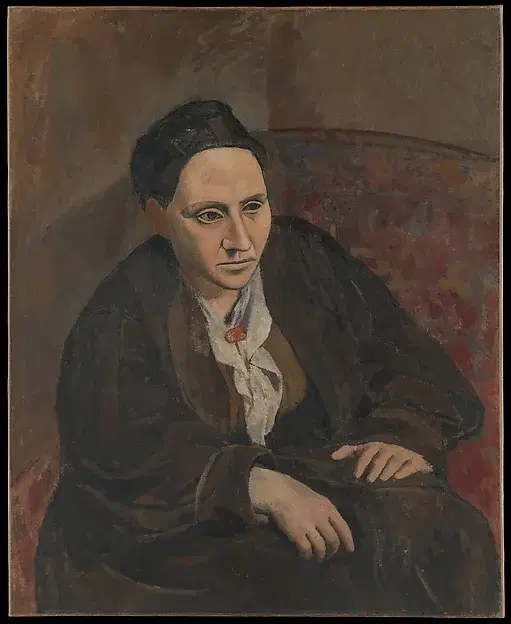
Similar Works by Other Artists
Keep exploring
Ends soon
Frieze New York 2026
13 May – 17 May 2026
The Shed New York
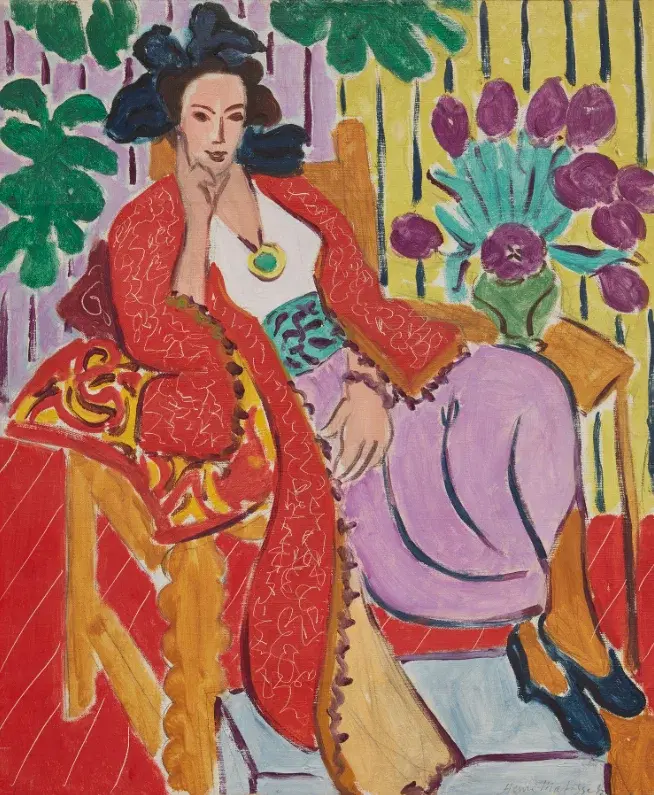
Matisse. The Pursuit of Harmony
9 Apr – 22 May 2026
Acquavella Galleries
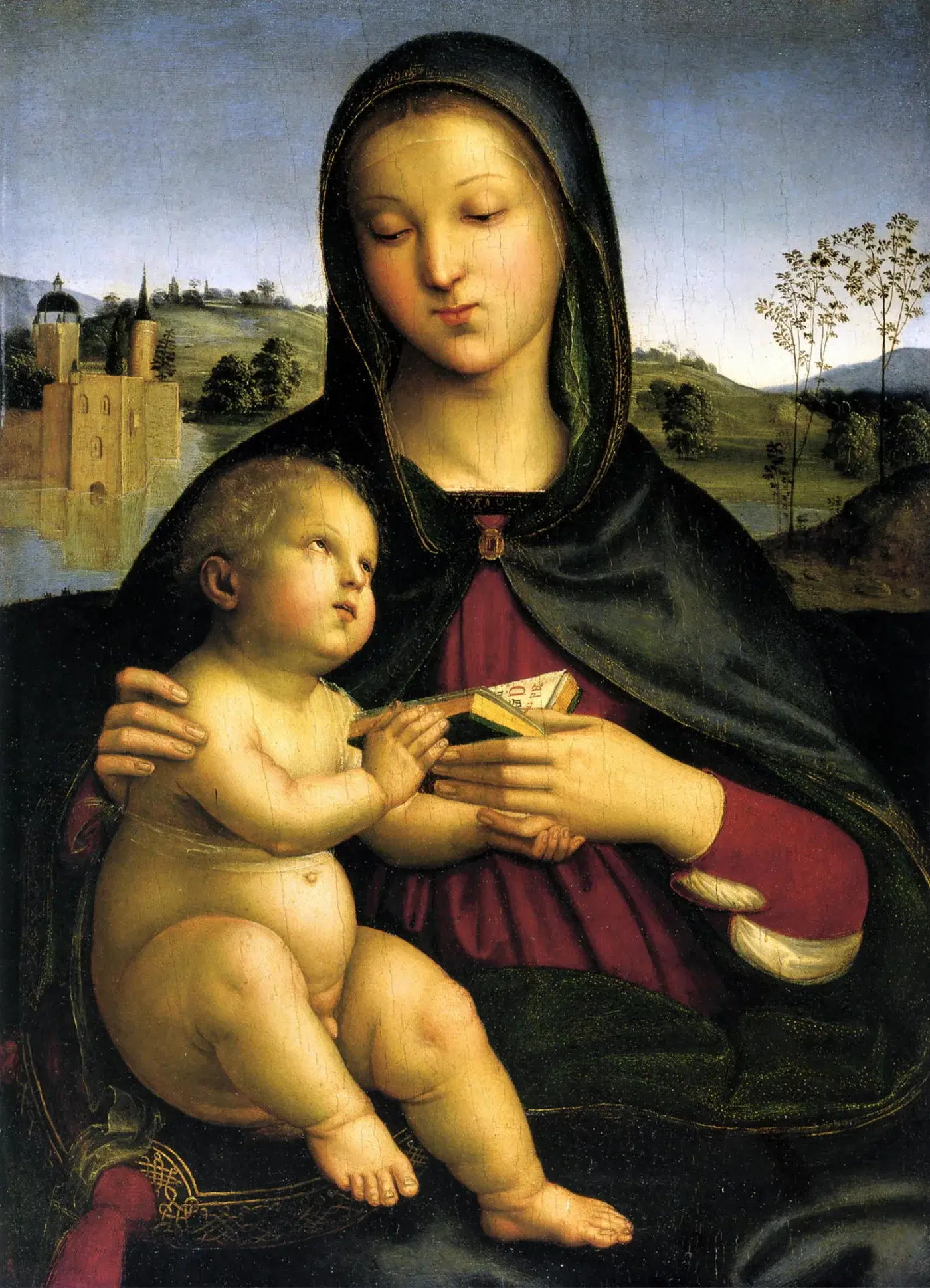
Raphael: Sublime Poetry
29 Mar – 28 Jun 2026
Metropolitan Museum of Art
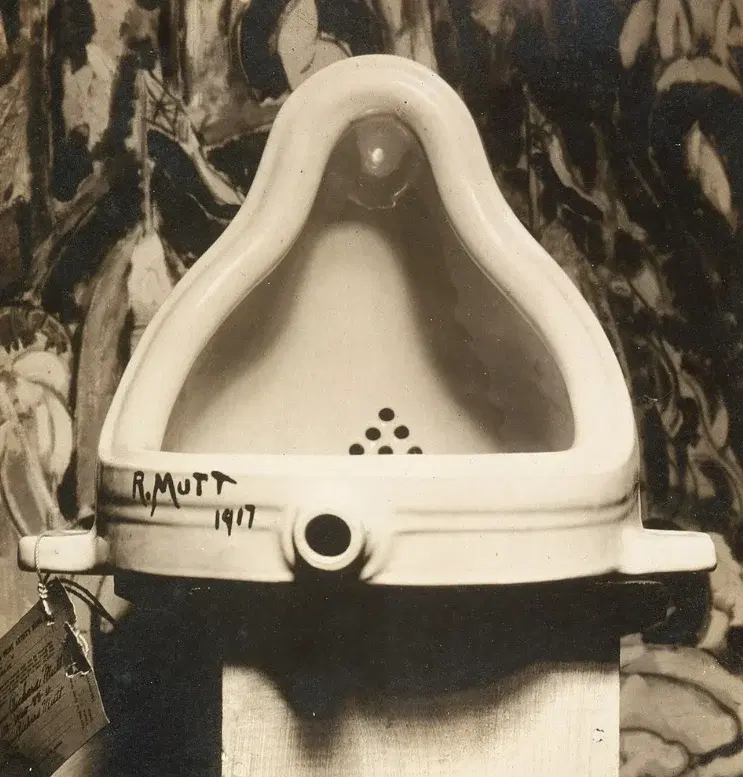
Marcel Duchamp
13 Apr – 22 Aug 2026
MoMA The Museum of Modern Art
Whitney Biennial 2026
8 Mar – 23 Aug 2026
Whitney Museum of American Art
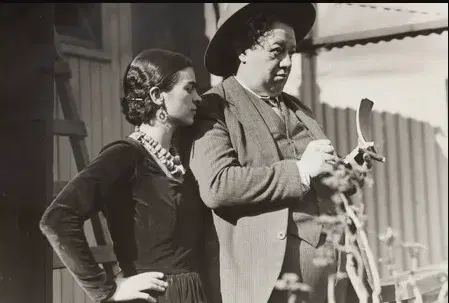
Frida and Diego. The Last Dream.
1 Apr – 12 Sep 2026
MoMA The Museum of Modern Art
Noguchi’s New York
4 Feb – 13 Sep 2026
The Noguchi Museum
Roy Lichtenstein
1 Oct 2026 – 1 Jan 2027
Whitney Museum of American Art
Guggenheim Pop
5 Jun 2026 – 10 Jan 2027
Solomon R. Guggenheim Museum
Moma Permanent Collection
MoMA The Museum of Modern Art