
The Persistence of Memory
#14
Time melts… and suddenly, it doesn’t feel so real anymore.
Meet the artist
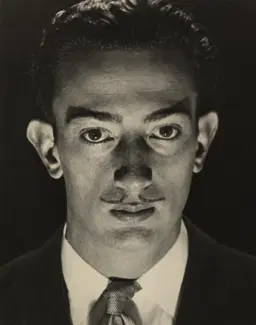
Salvador Dali1904–1989Spanish
Dates
1931
Specifications
- Original title
- La persistencia de la memoria
- Movement
- Surrealism
- Medium
- Oil Painting
- Genre
- Landscape
- Dimensions
- 24 × 33 cm
© 2024 Salvador Dalí, Gala-Salvador Dalí Foundation / Artists Rights Society (ARS), New York
About the Artwork
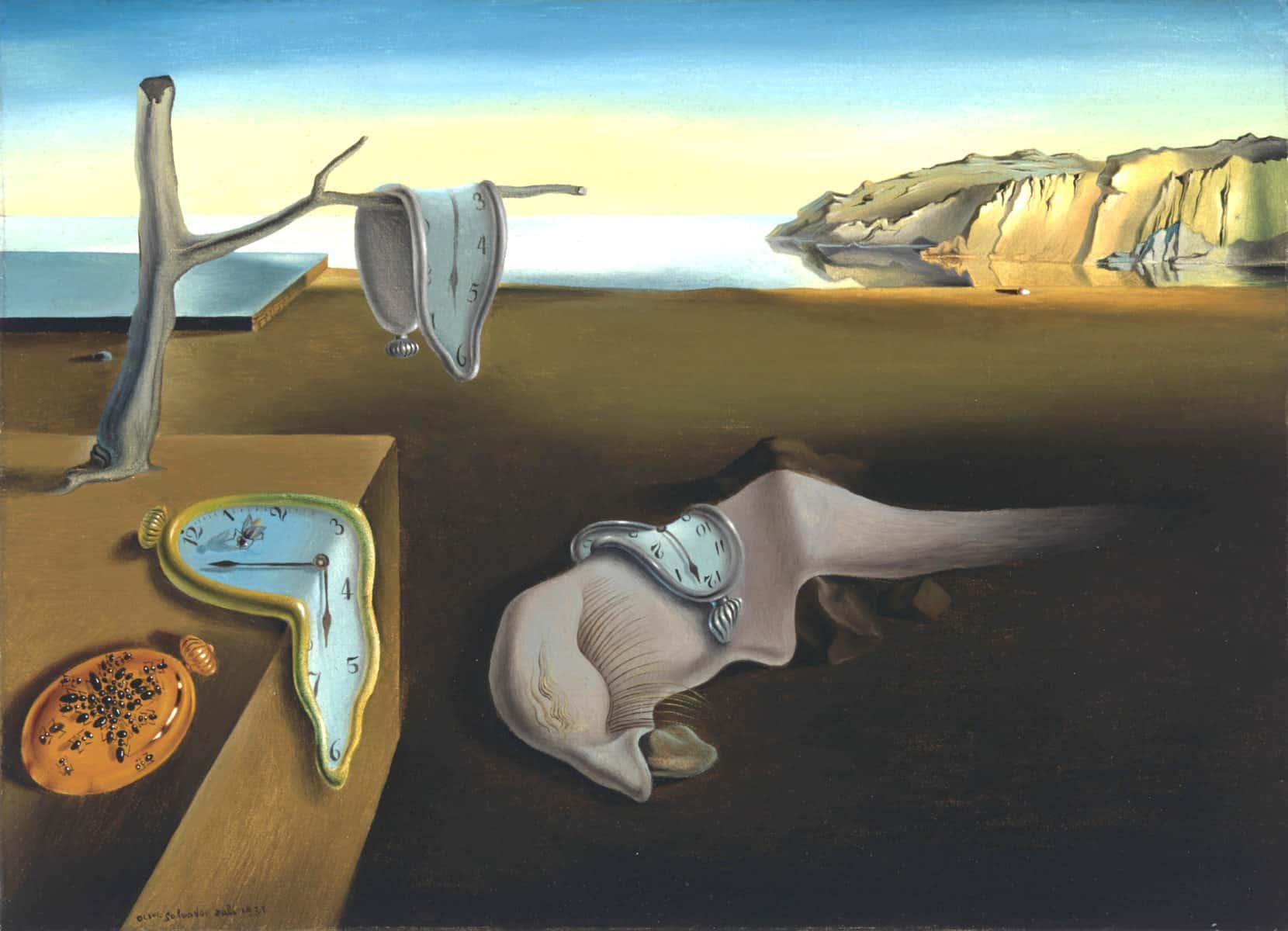
Salvador Dalí's "The Persistence of Memory," painted in 1931, is arguably the most iconic image of Surrealism. Dalí employed meticulous artistic techniques to bring his hallucinatory vision to life.
A strange, dreamlike landscape. Hard cliffs in the distance. A flat, empty foreground.
And then — the clocks.
Soft, melting, draped over objects like fabric. One hangs from a branch. Another slides off a table. A third collapses over a distorted, almost flesh-like form. Everything feels still… but unstable.
"The Persistence of Memory" matters because it captures the essence of the Surrealist project: to explore the irrational depths of the human psyche.
Spotlight
Salvador Dalí turns something rigid — time — into something soft, almost alive.
The “melting clocks” were reportedly inspired by watching Camembert cheese soften in the sun
The central amorphous figure is often interpreted as a distorted self-portrait
Ants crawling over a clock hint at decay — time not as order, but as something that breaks down
It’s not about physics. It’s about perception.
Time here isn’t measured — it’s experienced.
Worth the trip
Because seeing it at the Museum of Modern Art is disorienting in the best way.
It’s surprisingly small — almost intimate — which makes the strangeness feel even closer. And then it hits you: everything you trust as fixed — time, reality, structure — can dissolve. The painting's influence is evident in countless works of art, film, and popular culture, solidifying its place as a cornerstone of 20th-century art history. If Artlovers is about traveling for ideas that shift how you see the world… this one quietly rewires your perception.
How to experience it
Reset your expectations - It’s tiny. Don’t rush past it — slow down.
Start from a step back - Take in the whole dreamlike scene before decoding details.
Then move closer - Look at the melting clocks — soft, almost liquid.
Focus on the strange figure - That distorted form in the center… feels human, but not quite.
Notice the contrast - Hard cliffs vs. soft time. Reality vs. dream.
Look for the small details - Ants, shadows, textures — they add tension.
Let it feel irrational - If it doesn’t fully make sense, you’re experiencing it right.
Artlovers tip
Think of it like a dream you almost remember — the logic isn’t the point, the feeling is.
Don’t stop here
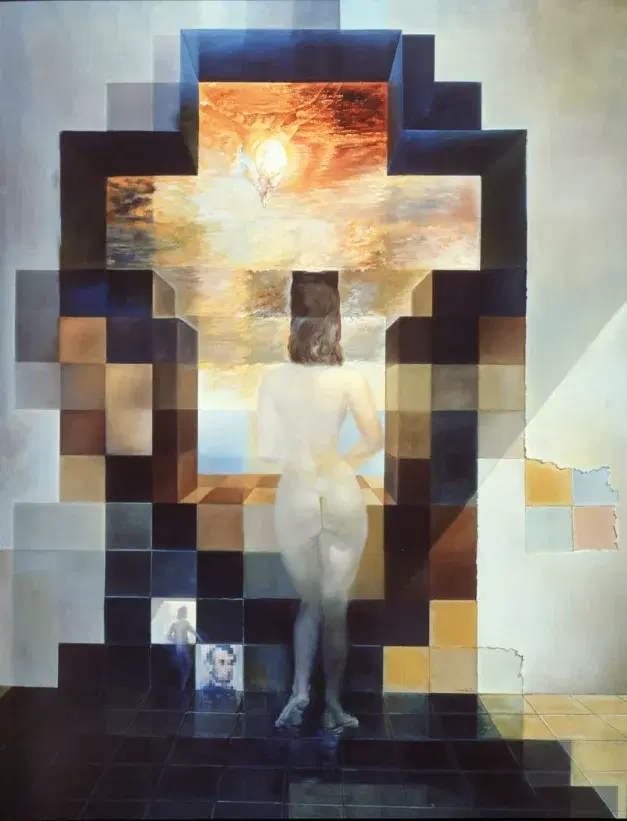
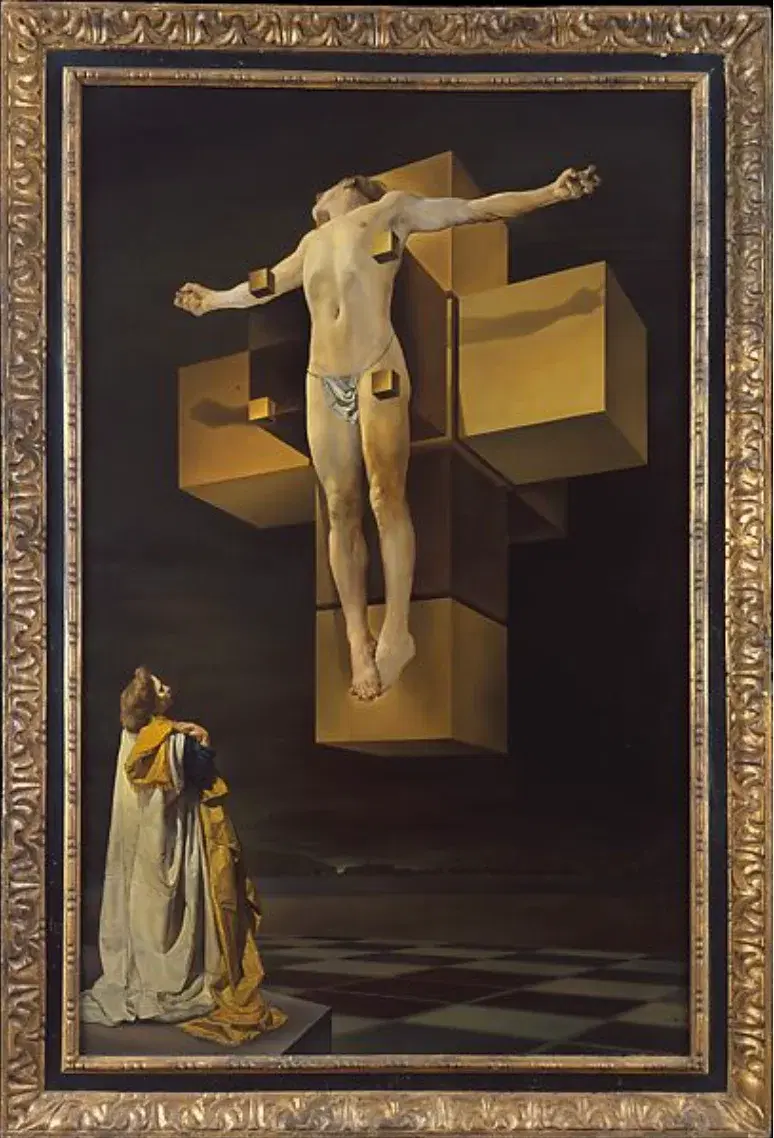
More to explore by Salvador Dali

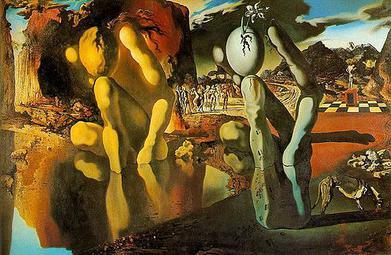
Same feeling, different artists
Similar Works by Other Artists
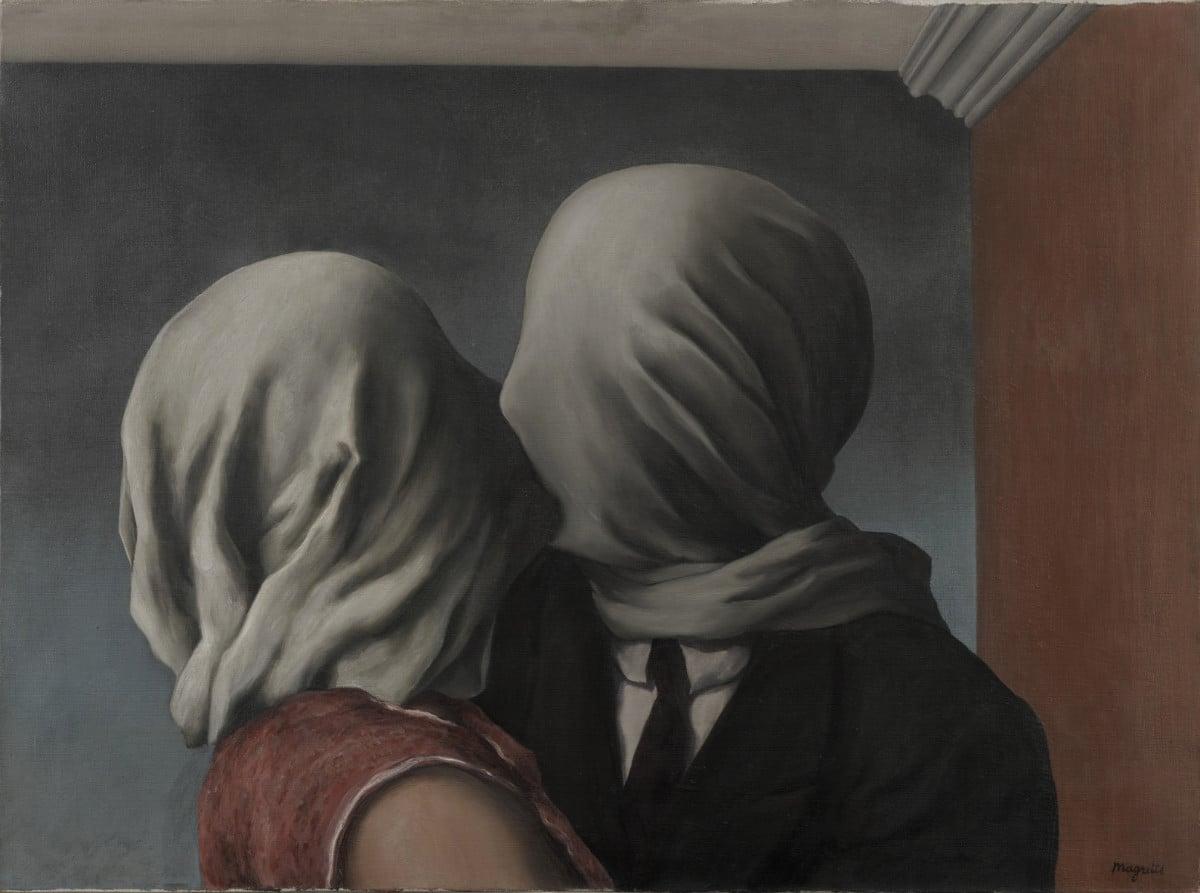
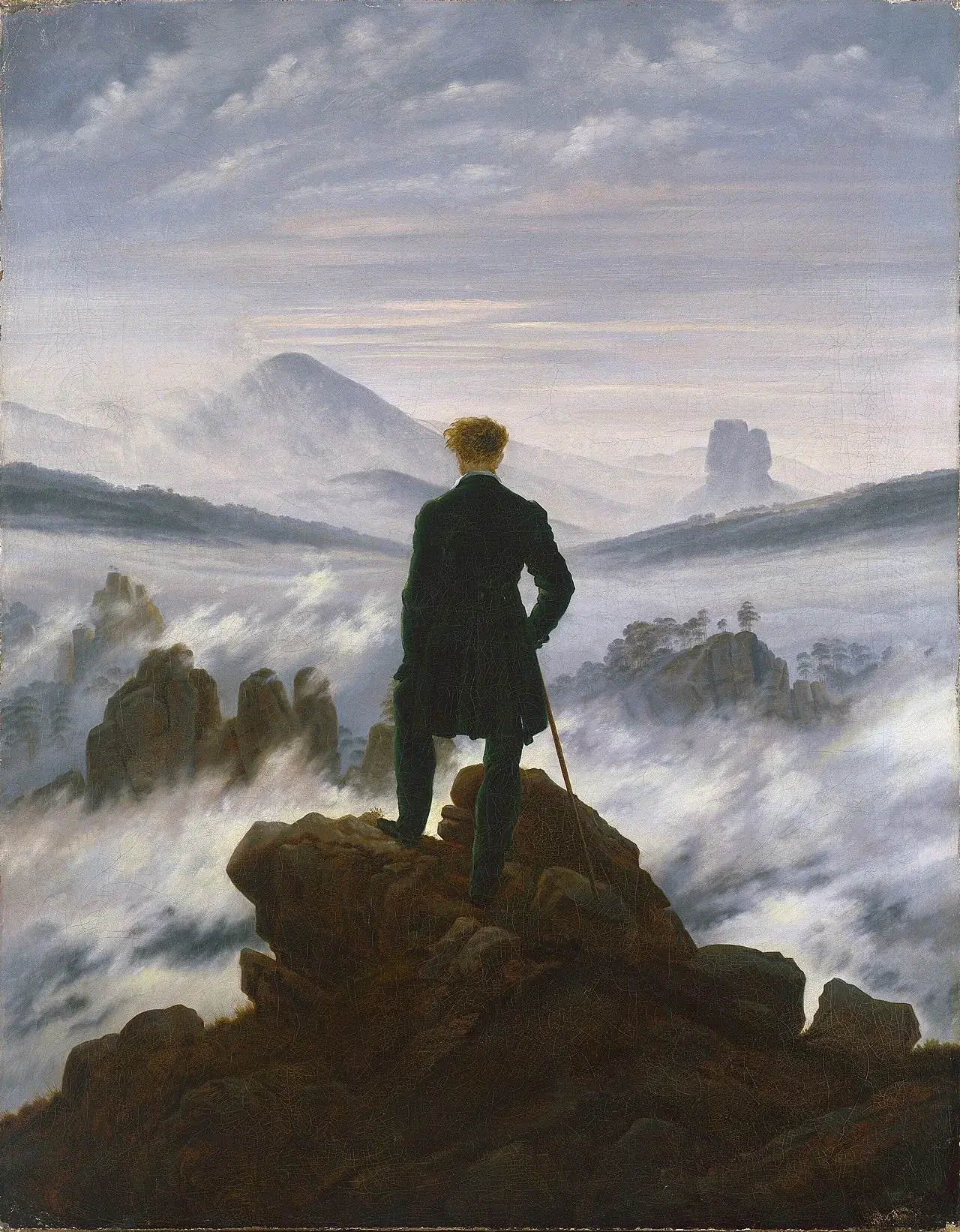
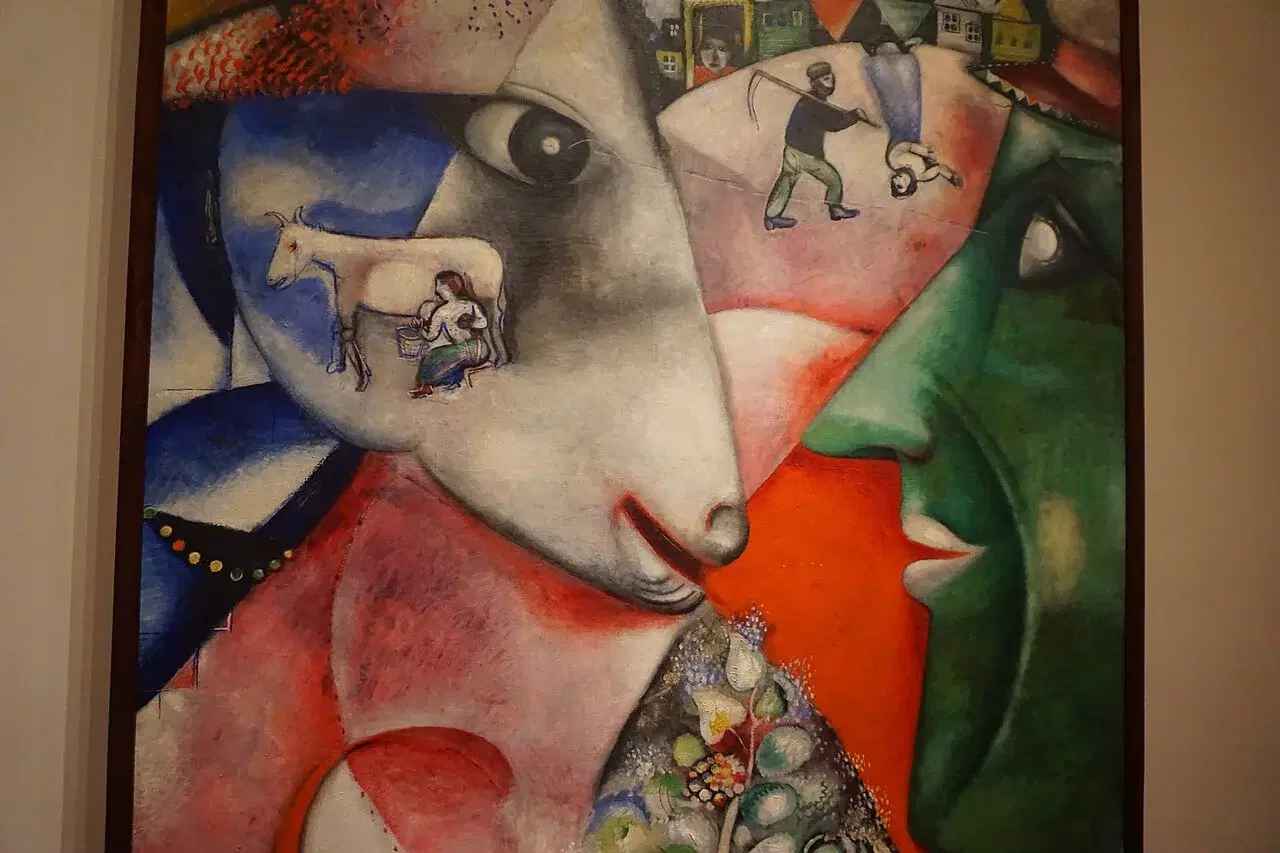
Keep exploring
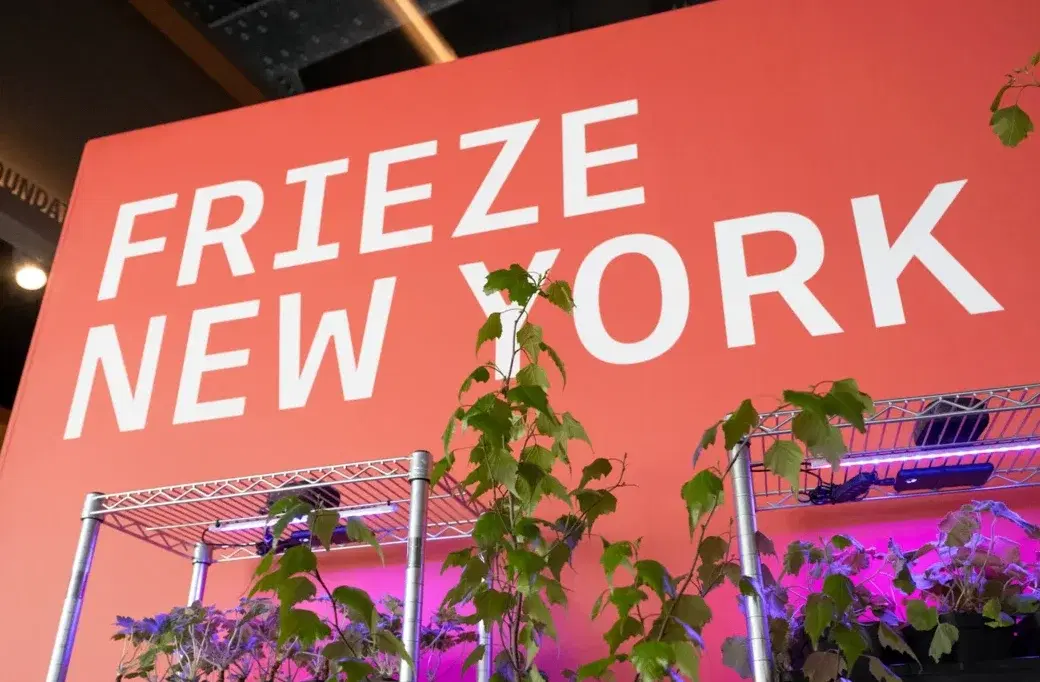
Ends soon
Frieze New York 2026
13 May – 17 May 2026
The Shed New York
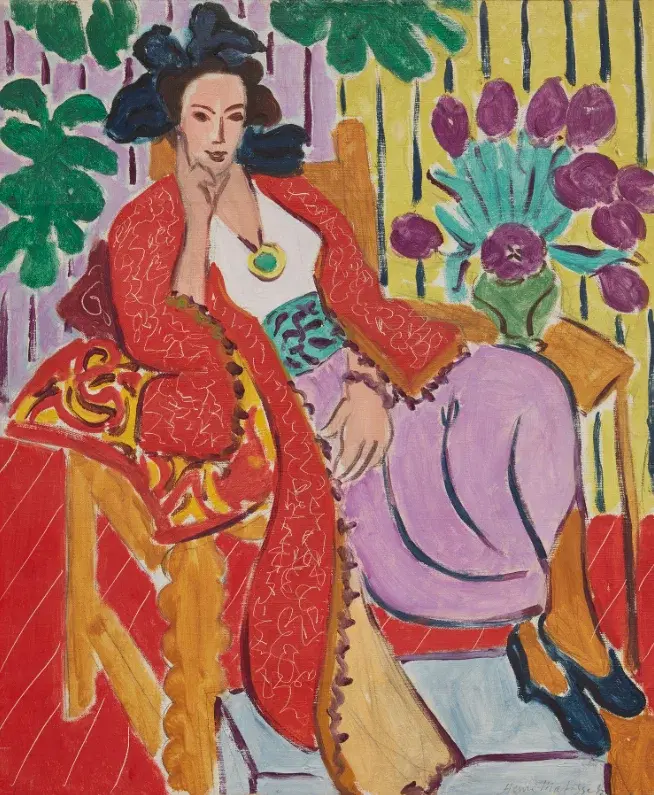
Matisse. The Pursuit of Harmony
9 Apr – 22 May 2026
Acquavella Galleries
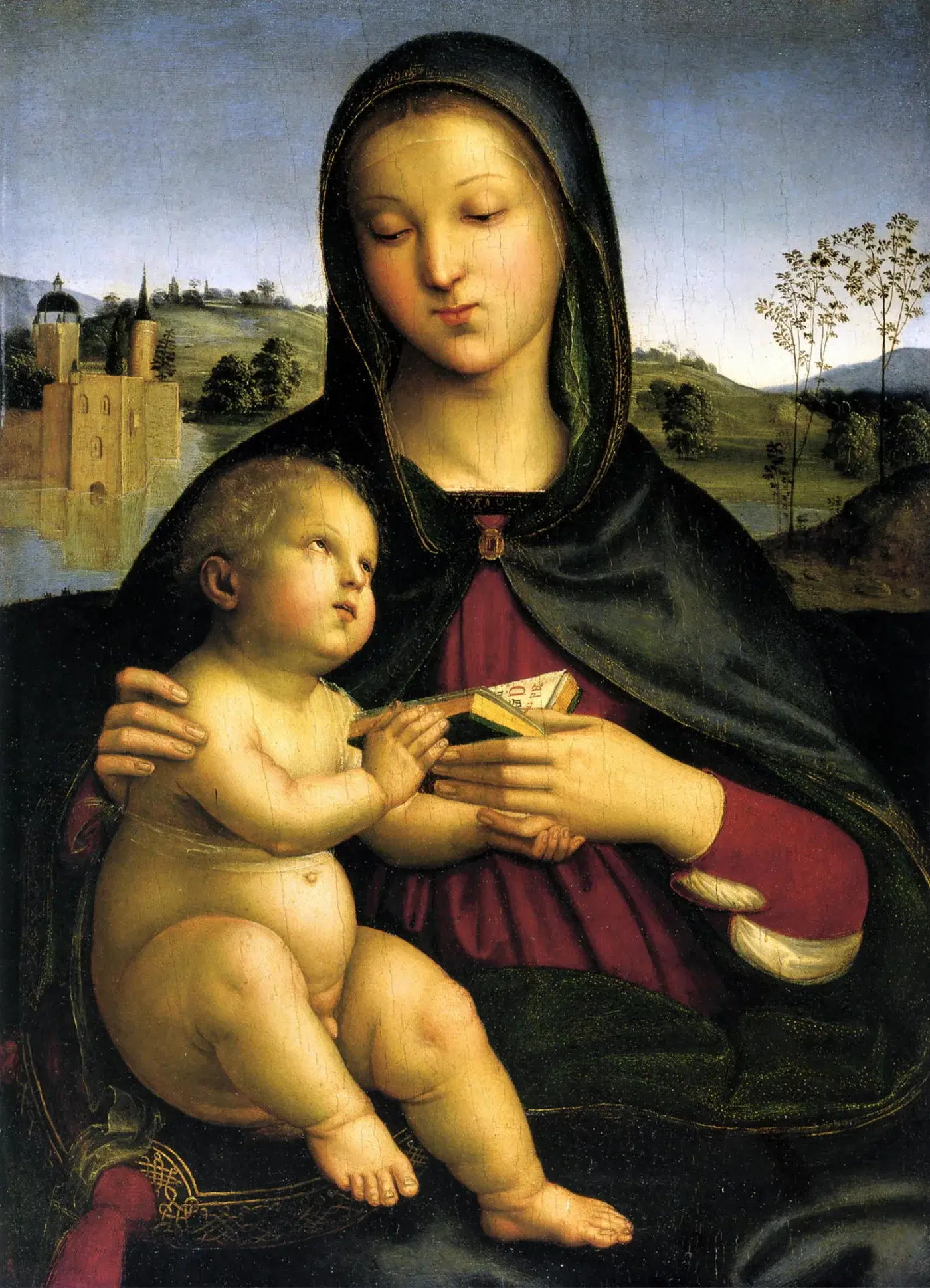
Raphael: Sublime Poetry
29 Mar – 28 Jun 2026
Metropolitan Museum of Art
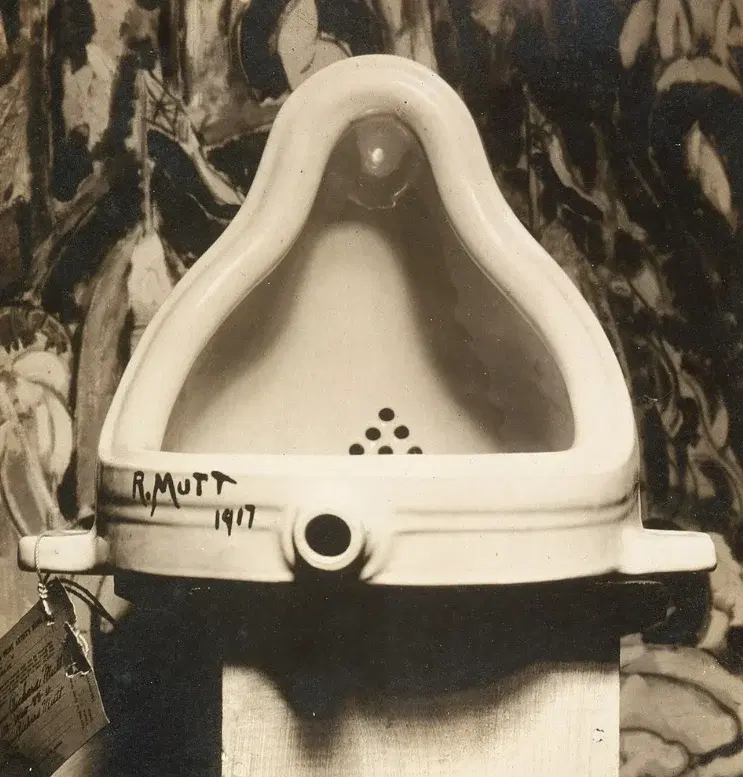
Marcel Duchamp
13 Apr – 22 Aug 2026
MoMA The Museum of Modern Art

Whitney Biennial 2026
8 Mar – 23 Aug 2026
Whitney Museum of American Art
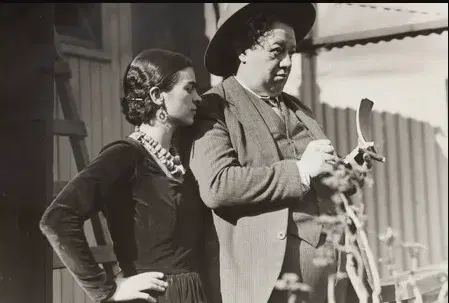
Frida and Diego. The Last Dream.
1 Apr – 12 Sep 2026
MoMA The Museum of Modern Art
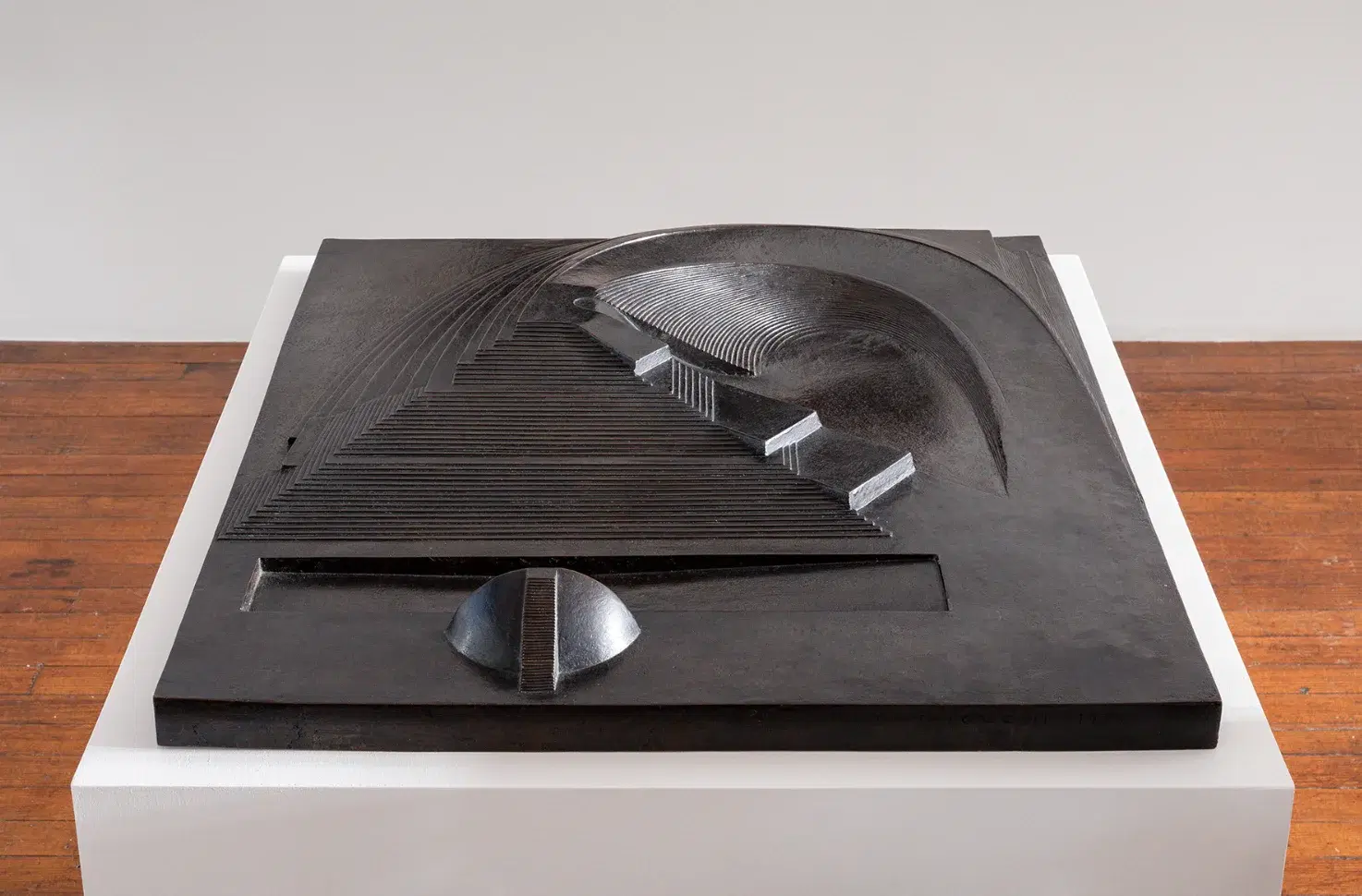
Noguchi’s New York
4 Feb – 13 Sep 2026
The Noguchi Museum
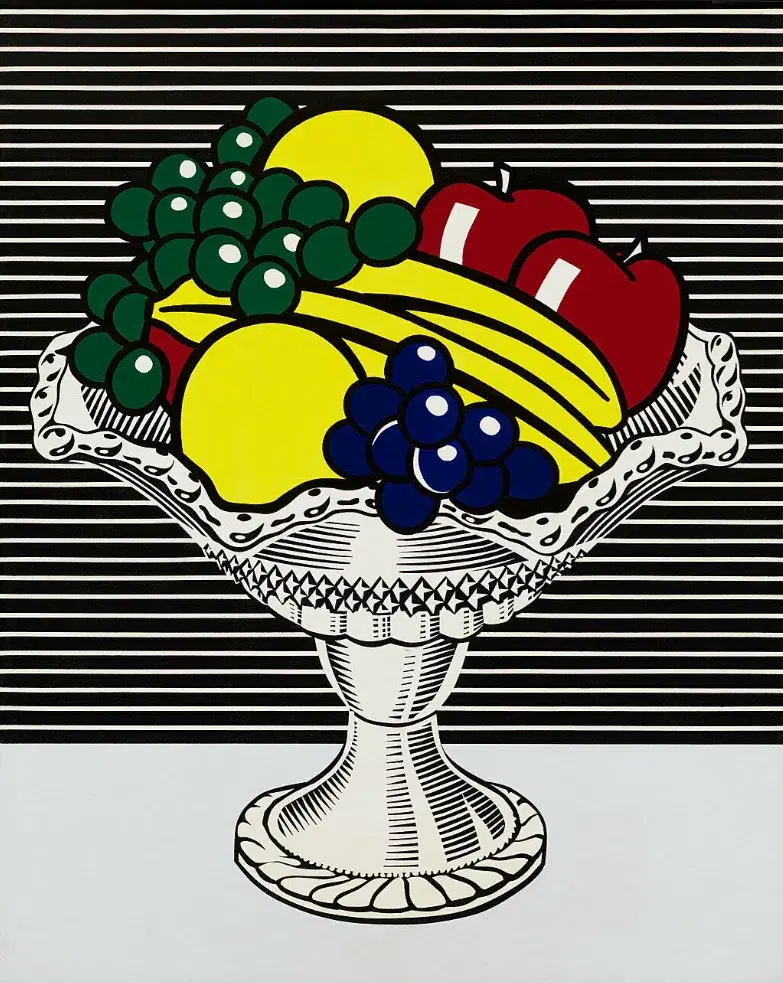
Roy Lichtenstein
1 Oct 2026 – 1 Jan 2027
Whitney Museum of American Art
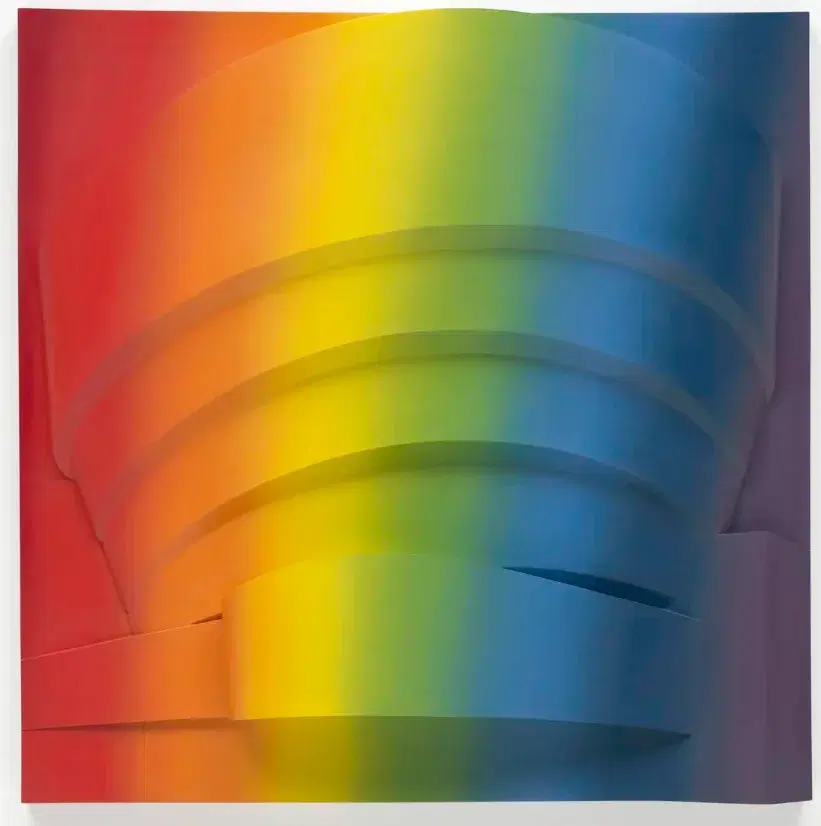
Guggenheim Pop
5 Jun 2026 – 10 Jan 2027
Solomon R. Guggenheim Museum
Moma Permanent Collection
MoMA The Museum of Modern Art