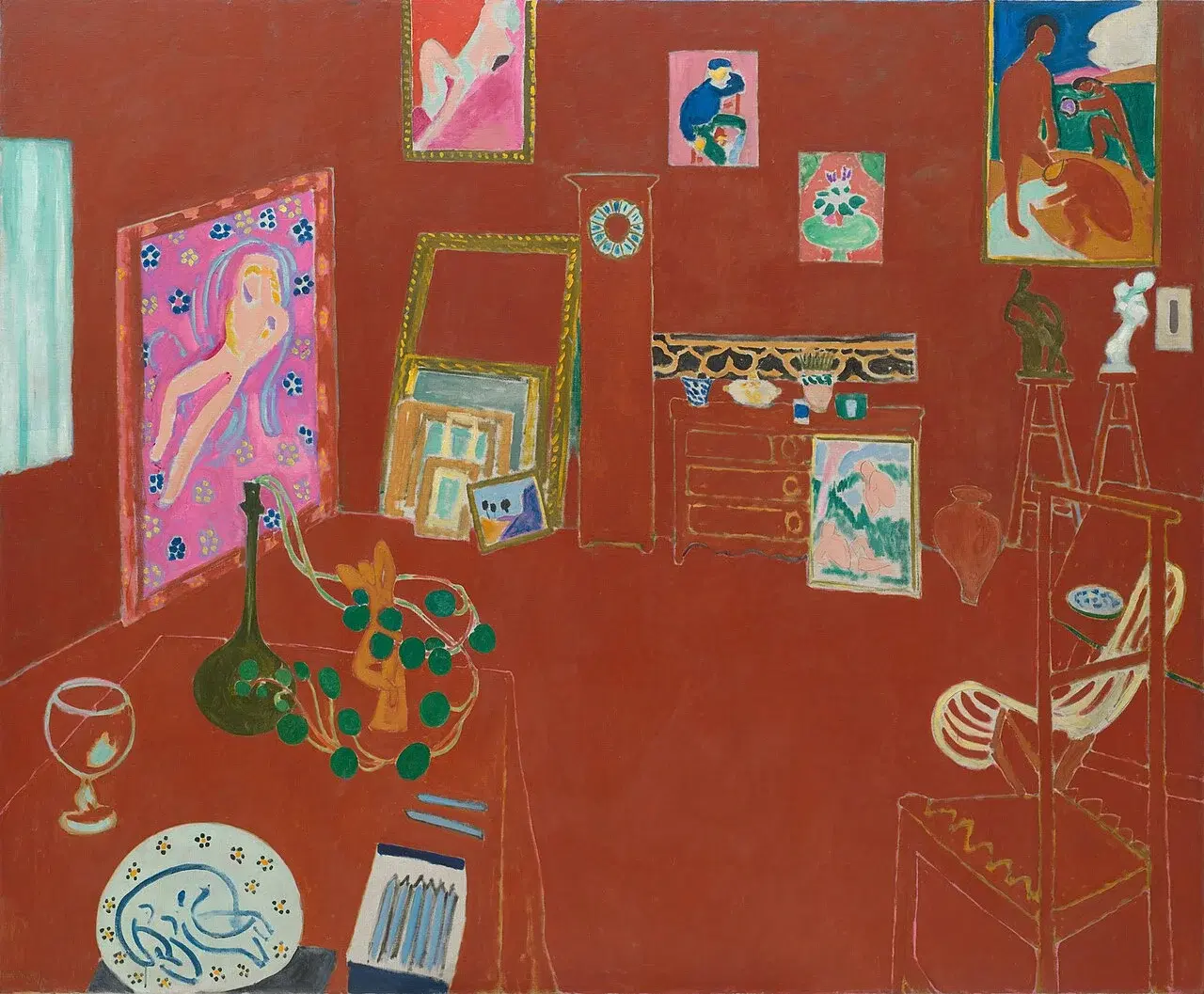
The Red Studio
#88
Meet the artist
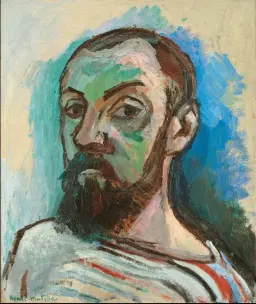
Henri Matisse1869–1954French
Dates
1911
Specifications
- Original title
- L'Atelier rouge
- Dimensions
- 181 × 219.1 cm
Wikimedia Commons
About the Artwork
Henri Matisse's "The Red Studio," painted in 1911, is a captivating glimpse into the artist's creative sanctuary. The canvas is almost entirely bathed in a striking, rusty red hue, creating an immersive and unusual viewing experience. Within this vibrant space, Matisse outlines the furniture and objects of his studio with delicate yellow lines, effectively sculpting forms from the surrounding color. The painting isn't just a representation of a physical space; it's an exploration of color, form, and the essence of artistic creation itself. The artwork contains within it many of Matisse's earlier artistic influences, including Fauvism, Impressionism, and Post-Impressionism.
"The Red Studio" holds a significant place in art history as a pivotal work in Matisse's oeuvre and a precursor to Color Field painting. The painting boldly rejects traditional perspective and embraces a simplified composition focused on the interplay of color and form. Matisse's innovative technique of using the absence of red paint to define lines and shapes—revealing an underlayer of pale yellow—was groundbreaking and would profoundly influence later generations of artists, particularly those associated with Color Field painting. By prioritizing color and its spatial effects, Matisse challenged conventional artistic norms and paved the way for new modes of abstract expression.
The painting also invites us into Matisse's personal world, showcasing his works in progress and the tools of his trade. This invites viewers to consider the relationship between the artist, their environment, and the creative process. Its enduring appeal and influence were reaffirmed by its inclusion as one of the most influential modern artworks, chosen by art experts. This makes "The Red Studio" a lasting testament to the power of color, simplification, and artistic vision.
How to experience it
look at how outlines and empty red areas create one rhythm
Don’t stop here
More to explore by Henri Matisse
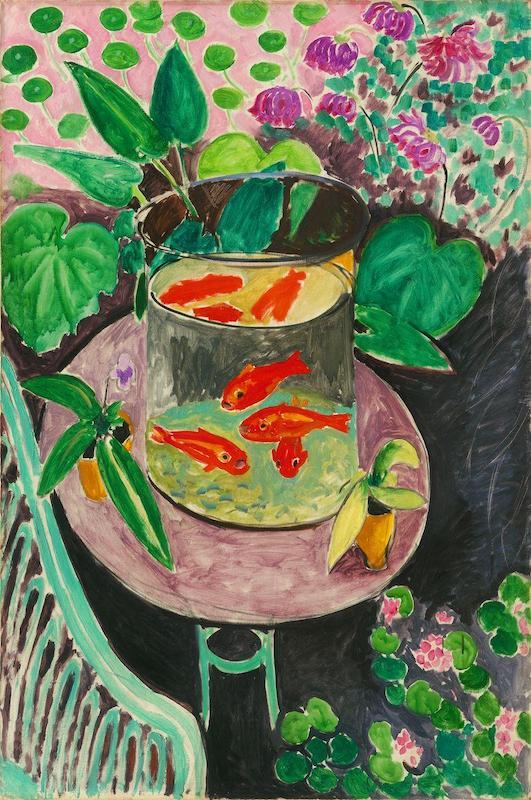
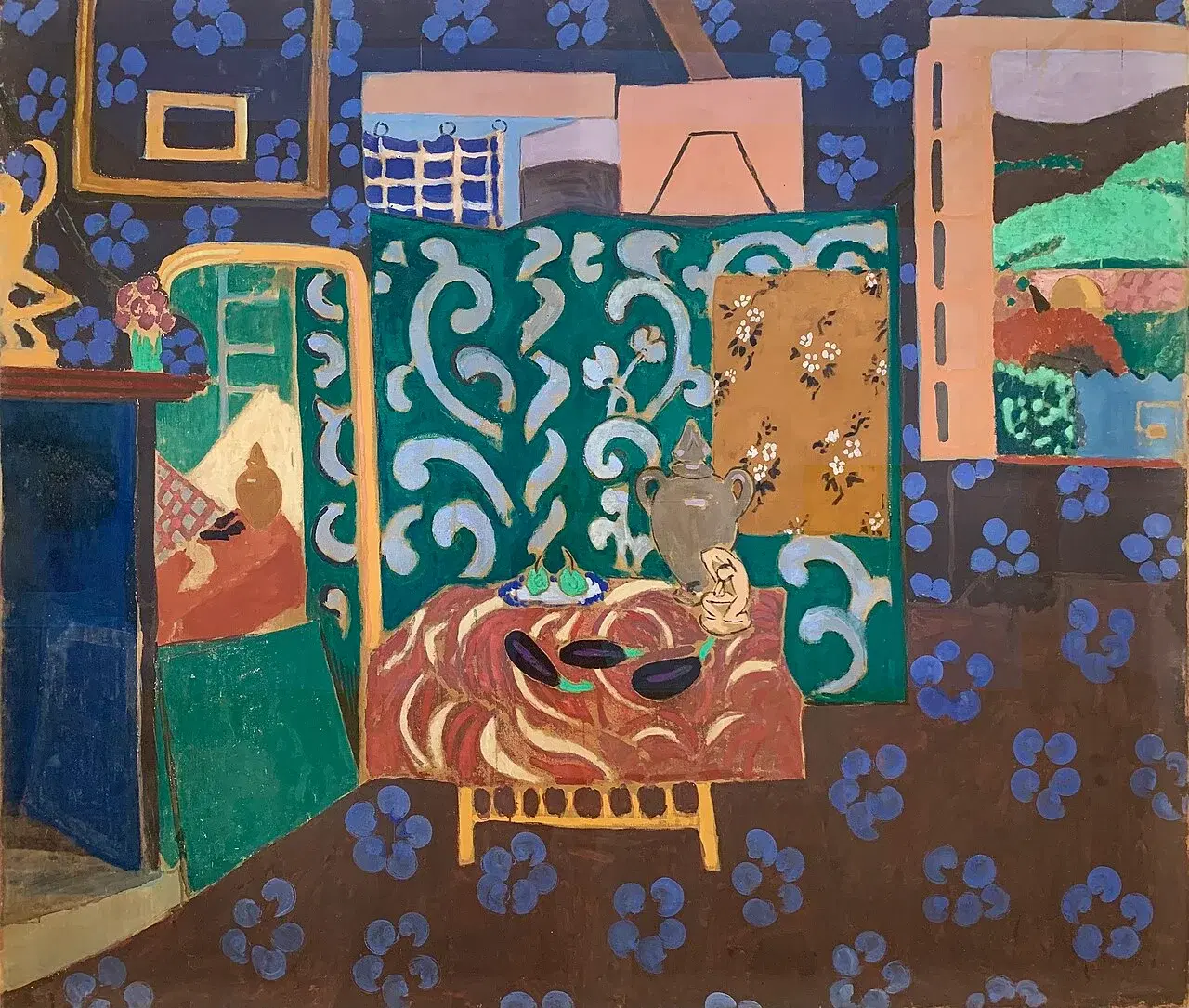
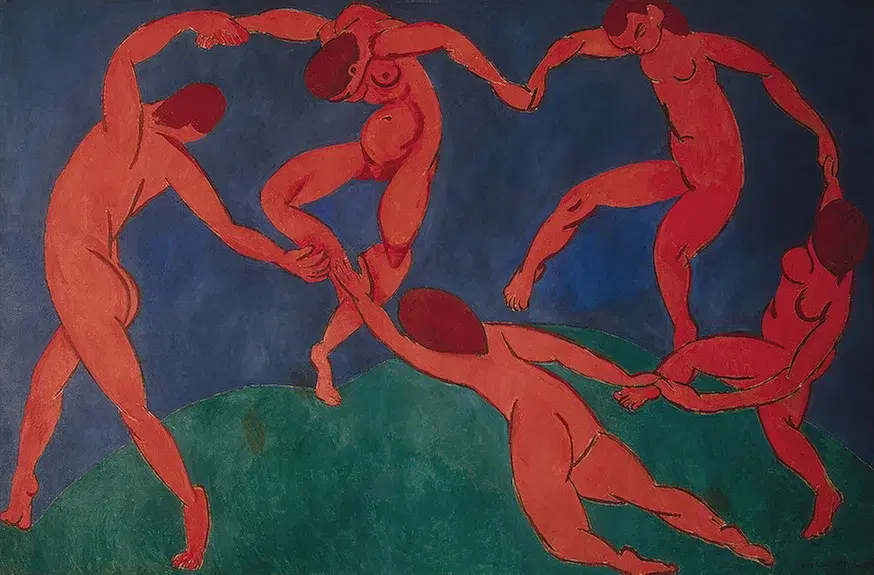
Same feeling, different artists
Similar Works by Other Artists
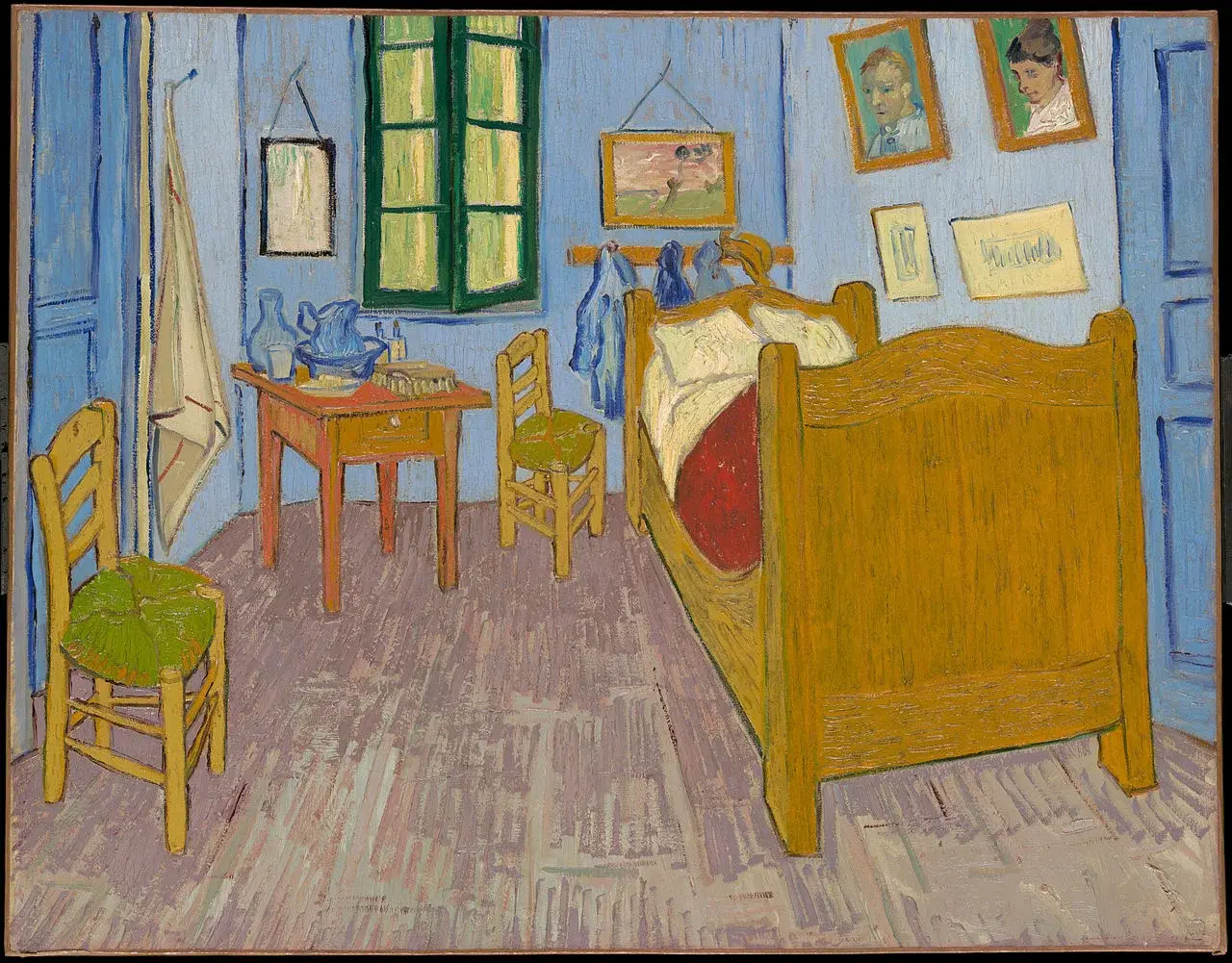
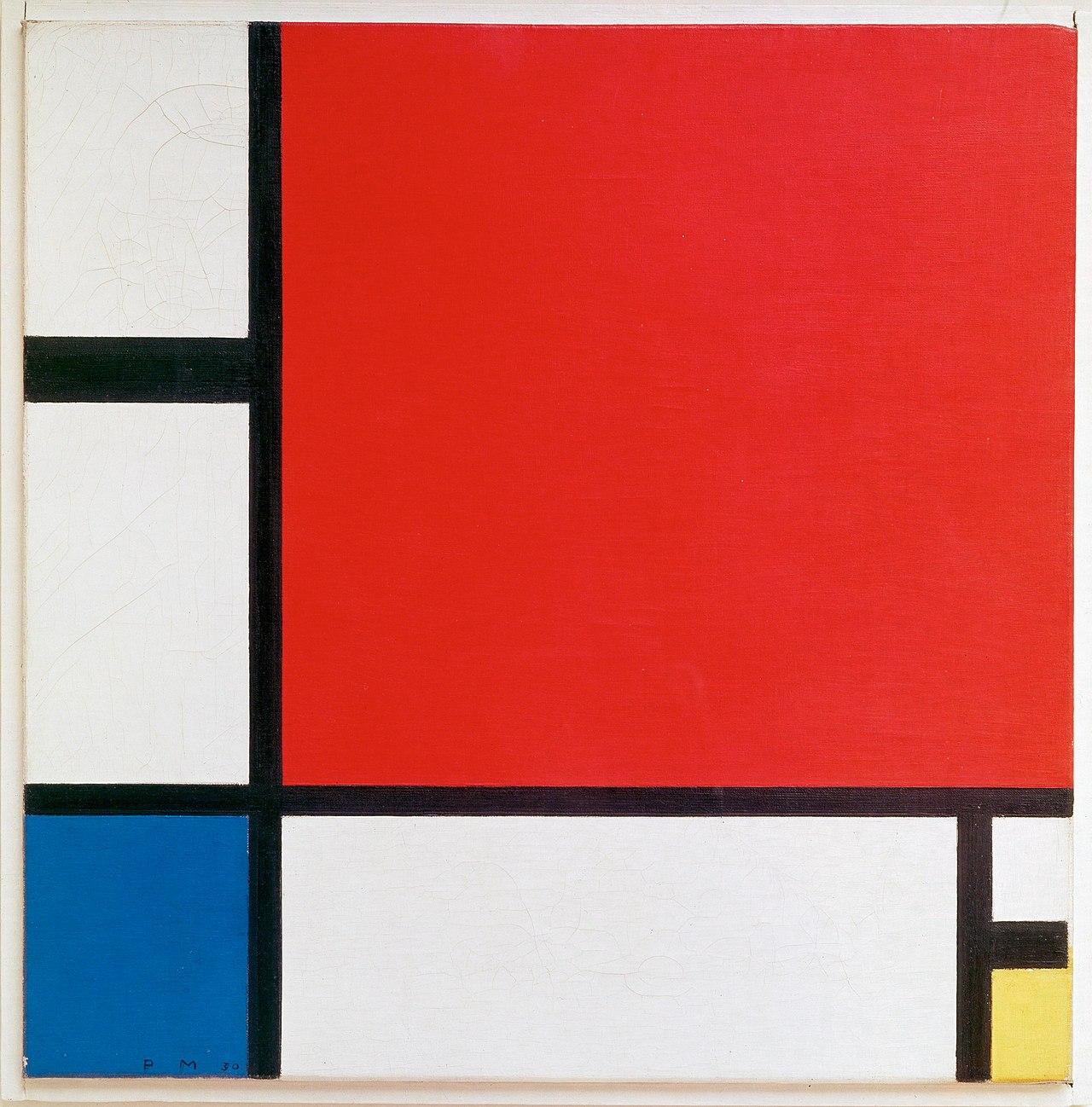
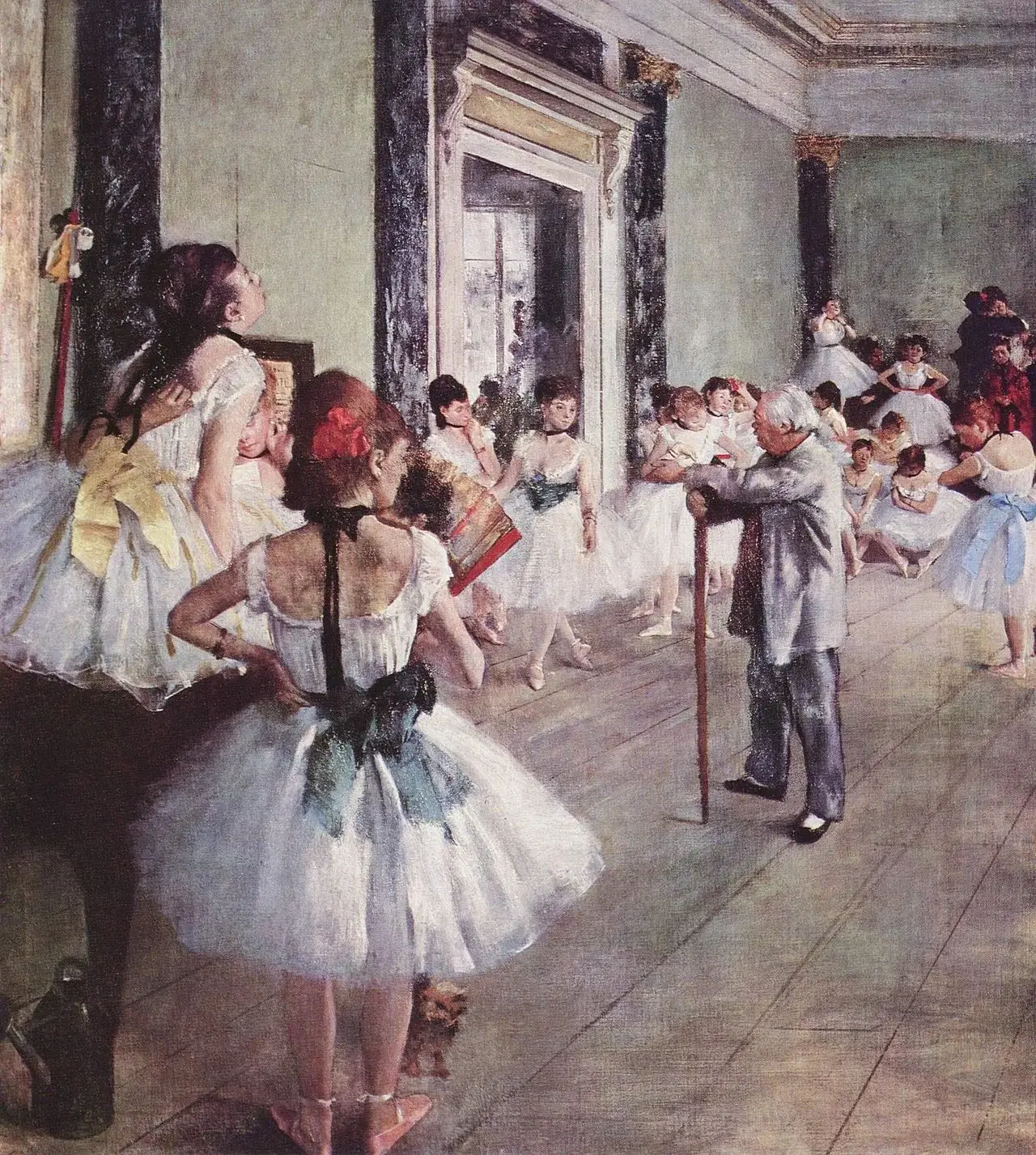
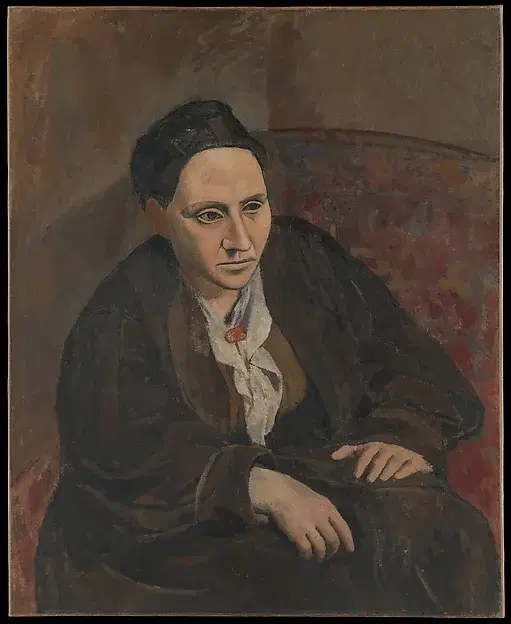

Keep exploring
Ends soon
Frieze New York 2026
13 May – 17 May 2026
The Shed New York
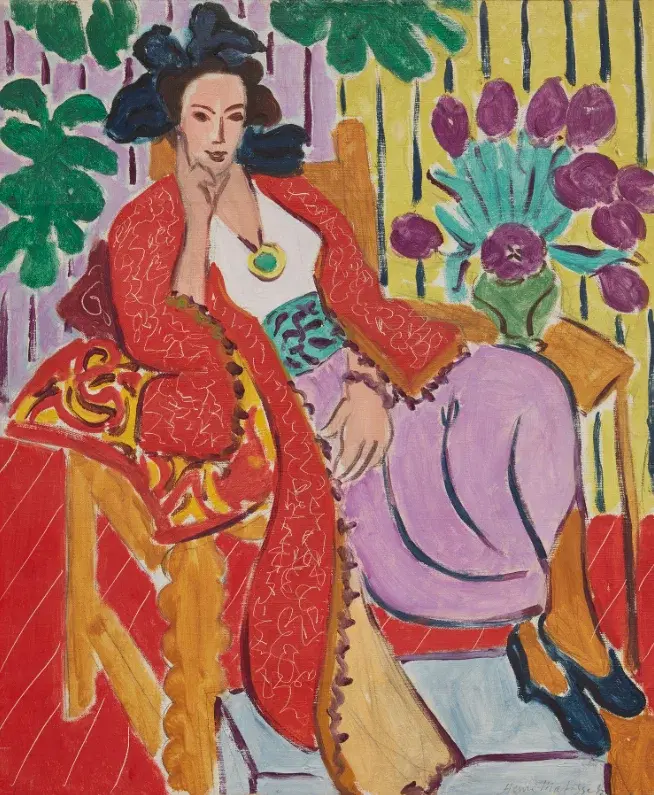
Matisse. The Pursuit of Harmony
9 Apr – 22 May 2026
Acquavella Galleries
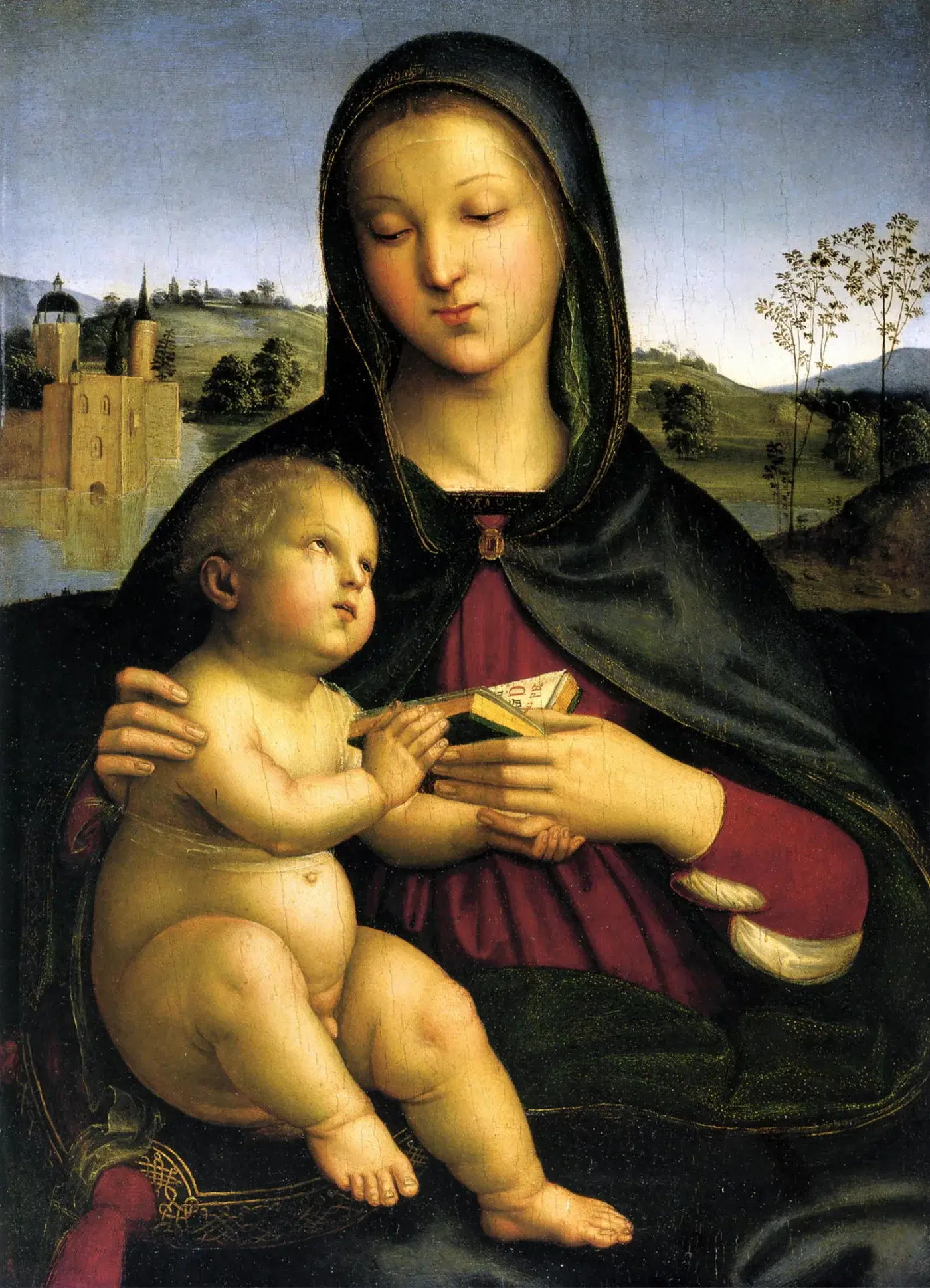
Raphael: Sublime Poetry
29 Mar – 28 Jun 2026
Metropolitan Museum of Art
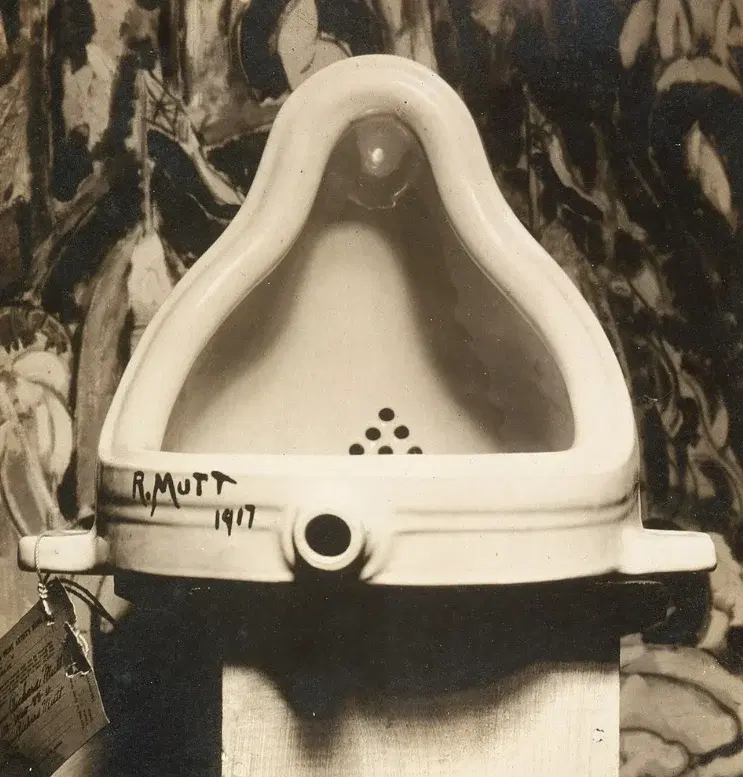
Marcel Duchamp
13 Apr – 22 Aug 2026
MoMA The Museum of Modern Art

Whitney Biennial 2026
8 Mar – 23 Aug 2026
Whitney Museum of American Art
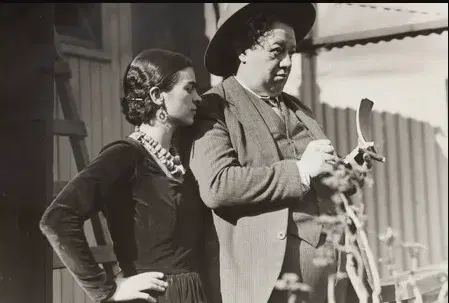
Frida and Diego. The Last Dream.
1 Apr – 12 Sep 2026
MoMA The Museum of Modern Art
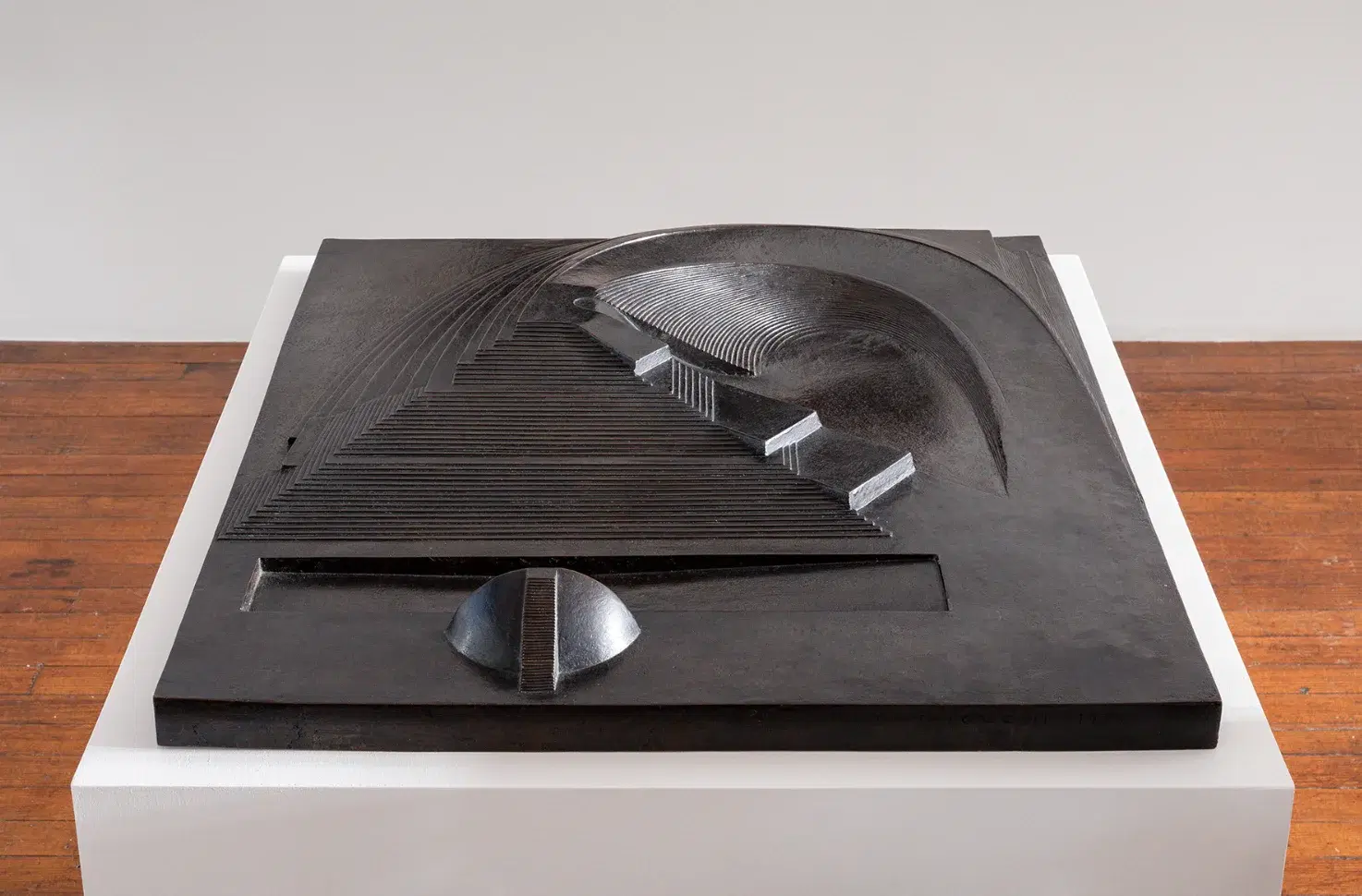
Noguchi’s New York
4 Feb – 13 Sep 2026
The Noguchi Museum
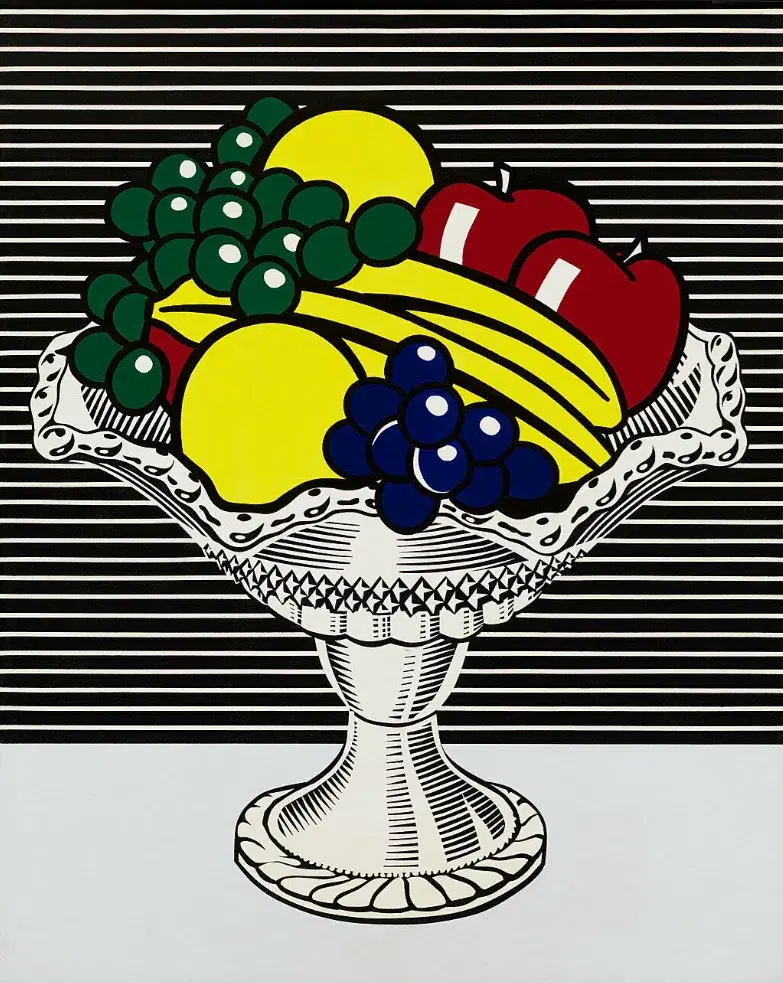
Roy Lichtenstein
1 Oct 2026 – 1 Jan 2027
Whitney Museum of American Art
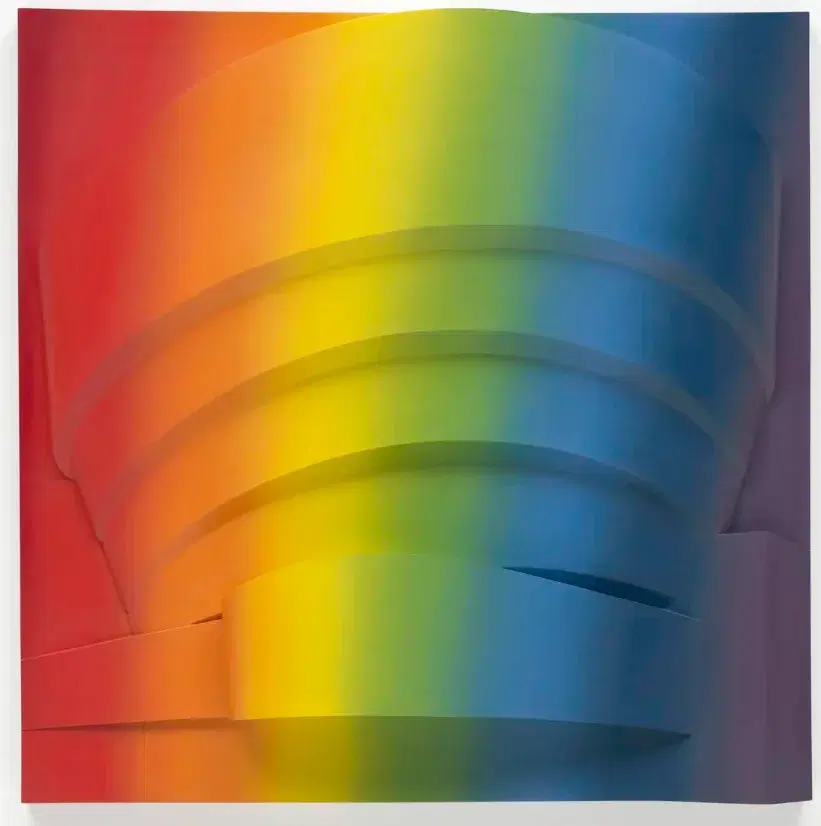
Guggenheim Pop
5 Jun 2026 – 10 Jan 2027
Solomon R. Guggenheim Museum
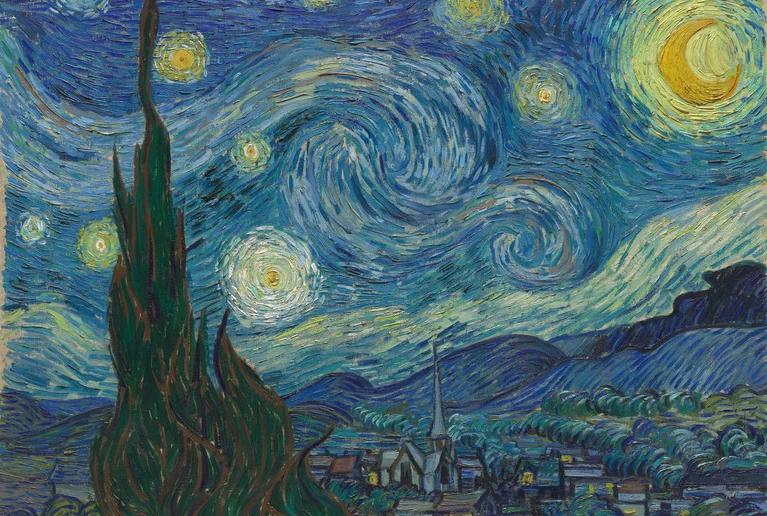
Moma Permanent Collection
MoMA The Museum of Modern Art