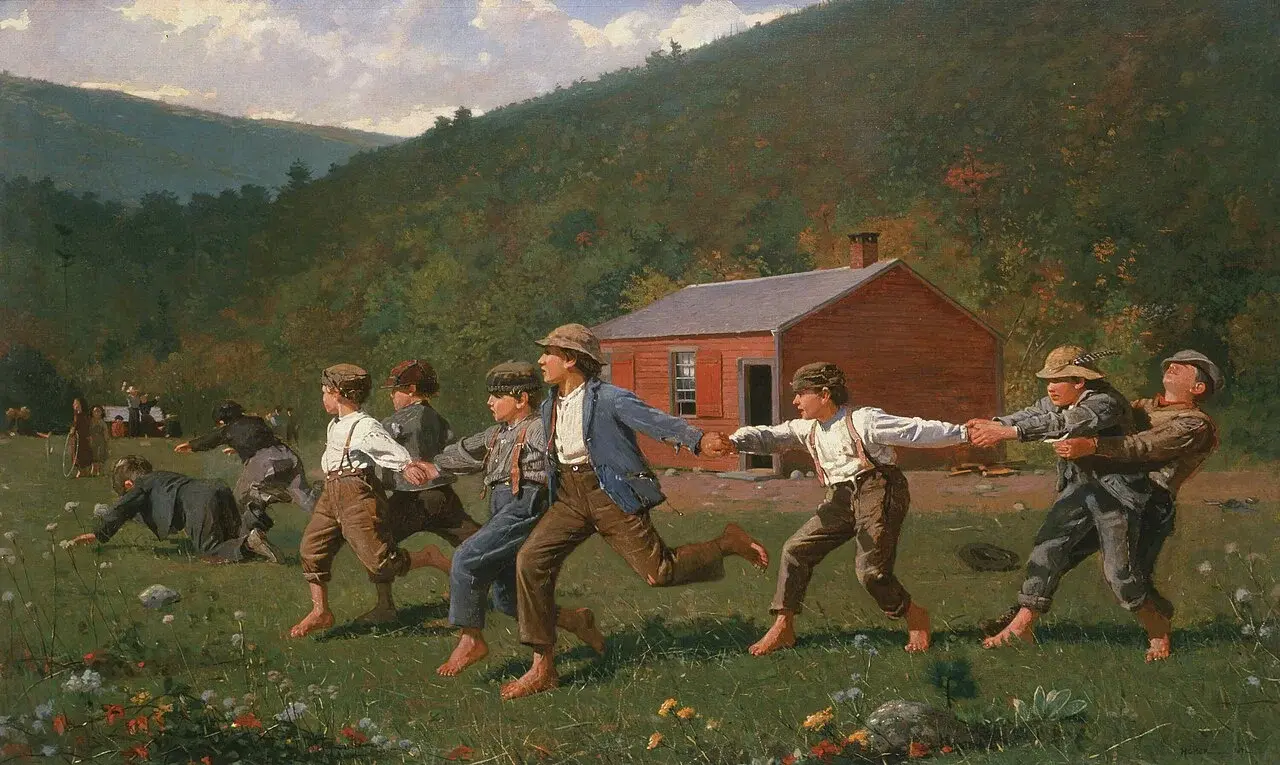
Snap the Whip
Meet the artist
WWinslow Homer1836–1910American
Dates
1872
Specifications
- Movement
- Realism
- Medium
- Oil Painting
- Genre
- Genre Painting
About the Artwork
Painted in 1872, Snap the Whip captures a sun-drenched moment of childhood play that resonates far beyond its modest dimensions. Winslow Homer depicts a line of barefoot boys locked arm-in-arm in the classic schoolyard game, their bodies arching and straining as centrifugal force pulls at the chain's outer end. Set against a rolling landscape with a red schoolhouse anchoring the background, the scene brims with energy and spontaneous joy, bathed in the warm light of a New England summer afternoon.\n\nThe painting carries a deeper resonance given its historical moment. Created in the years immediately following the Civil War, it looks back with nostalgia at a rural, agrarian American childhood that was already giving way to industrialization and urban life. Homer was reportedly inspired by boys he observed playing near the Hurley schoolhouse during his summers in New York's Hudson Valley. Two versions of the work exist—one at the Butler Institute of American Art in Youngstown, Ohio, and another at the Metropolitan Museum of Art in New York—both testifying to the composition's popularity. The work was exhibited at the 1876 Centennial Exposition in Philadelphia, cementing Homer's reputation as a chronicler of quintessential American experience.
Don’t stop here
More to explore by Winslow Homer
Same feeling, different artists
Similar Works by Other Artists
Keep exploring
Ends soon
Frieze New York 2026
13 May – 17 May 2026
The Shed New York
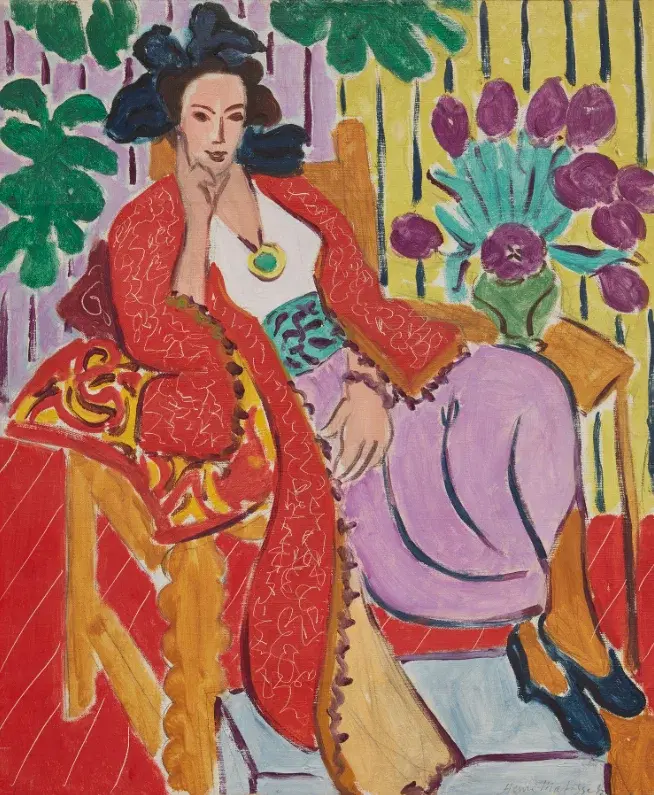
Matisse. The Pursuit of Harmony
9 Apr – 22 May 2026
Acquavella Galleries
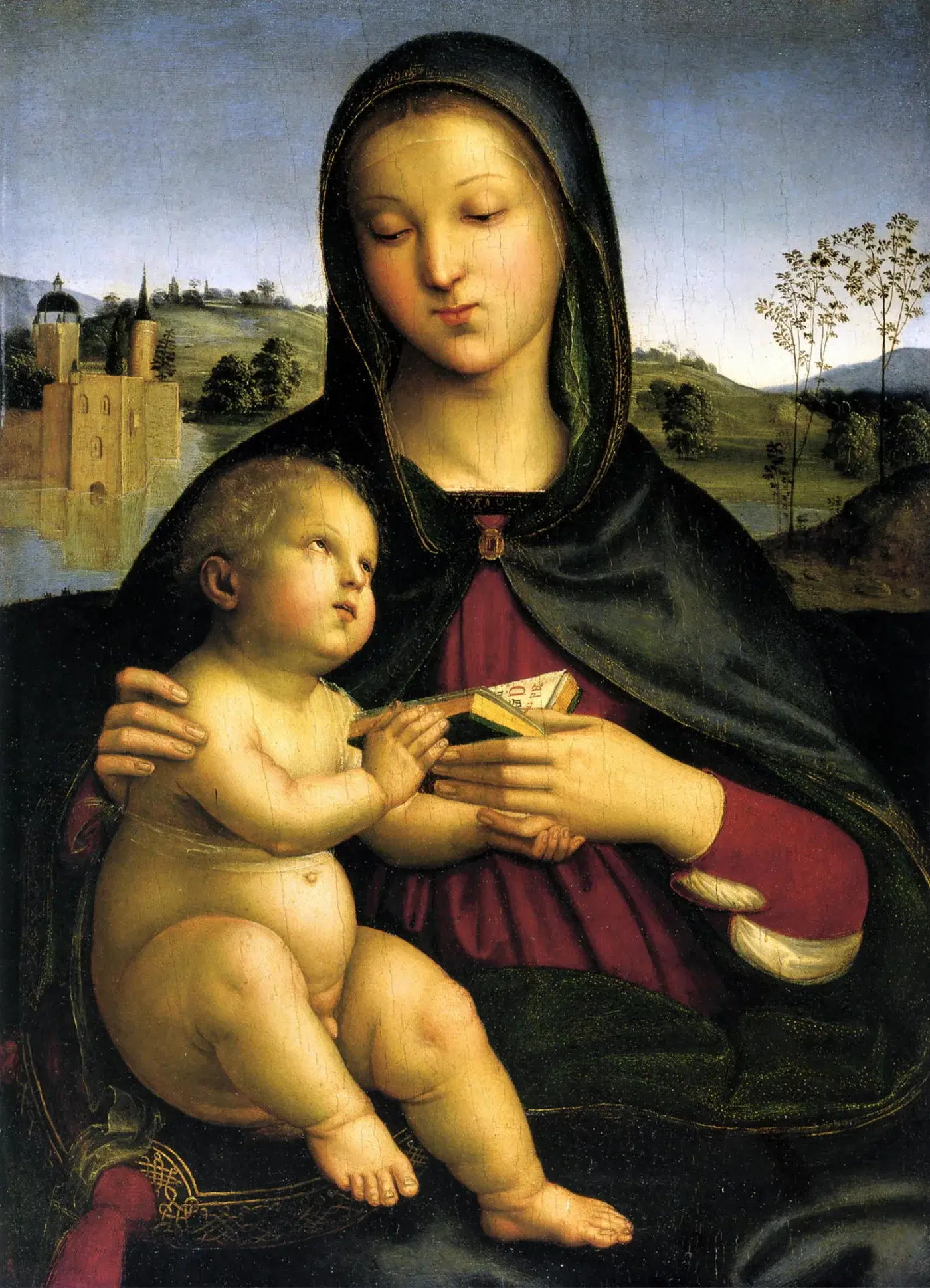
Raphael: Sublime Poetry
29 Mar – 28 Jun 2026
Metropolitan Museum of Art
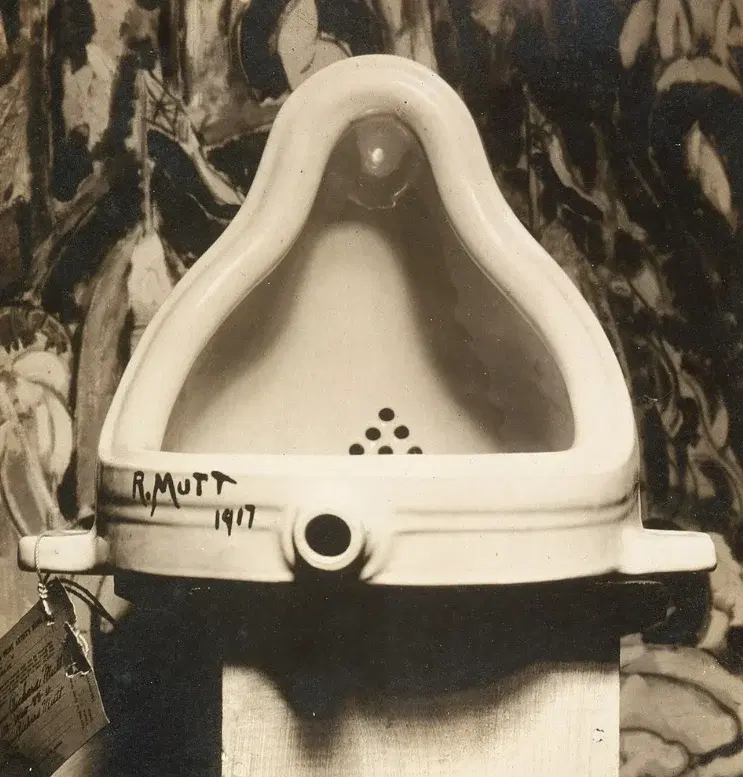
Marcel Duchamp
13 Apr – 22 Aug 2026
MoMA The Museum of Modern Art

Whitney Biennial 2026
8 Mar – 23 Aug 2026
Whitney Museum of American Art
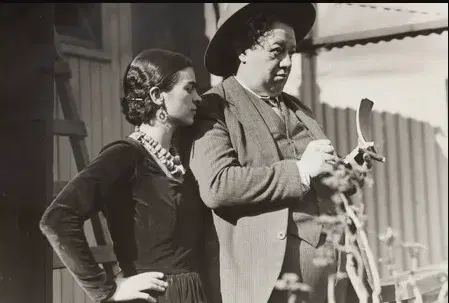
Frida and Diego. The Last Dream.
1 Apr – 12 Sep 2026
MoMA The Museum of Modern Art
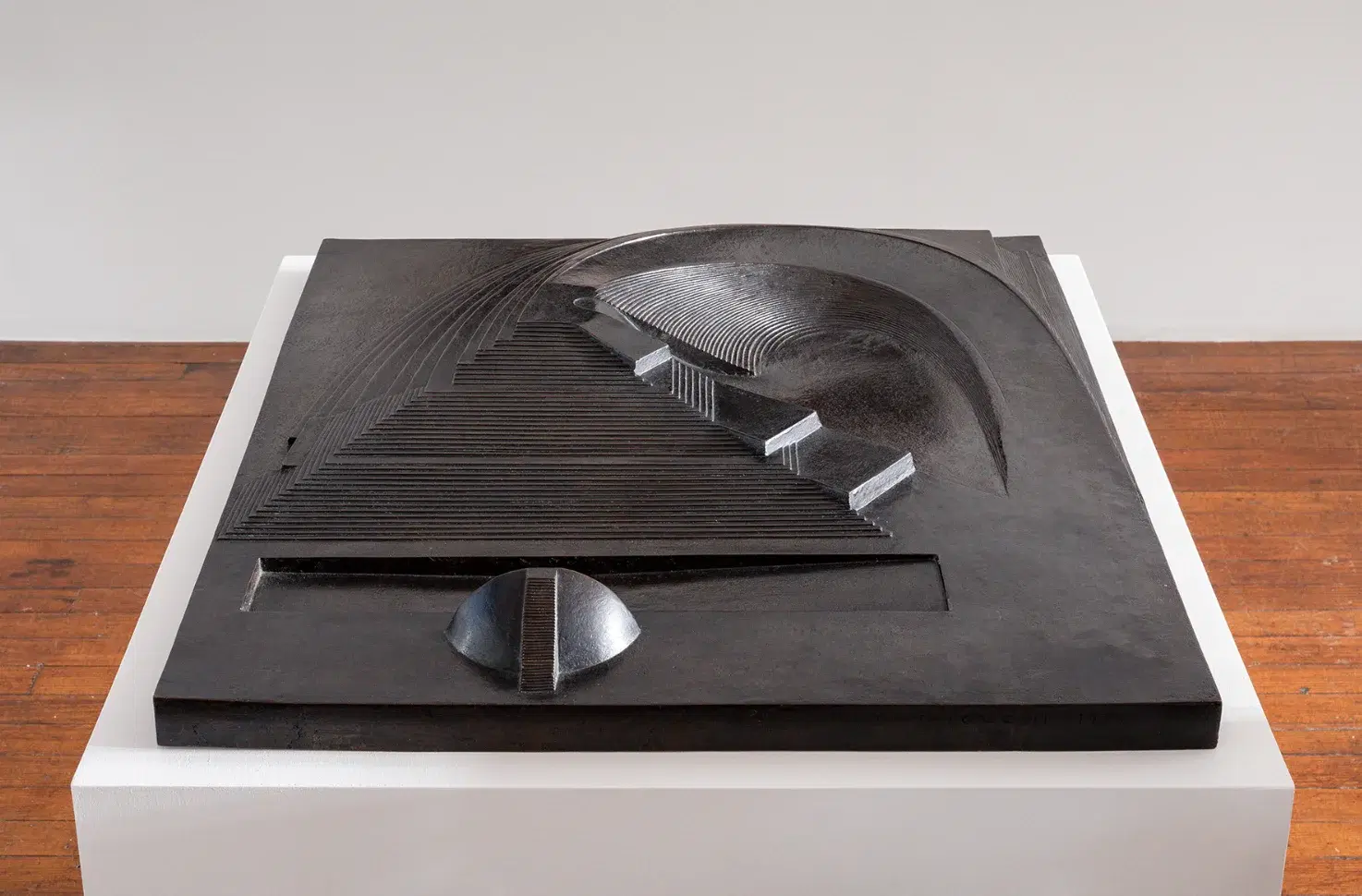
Noguchi’s New York
4 Feb – 13 Sep 2026
The Noguchi Museum
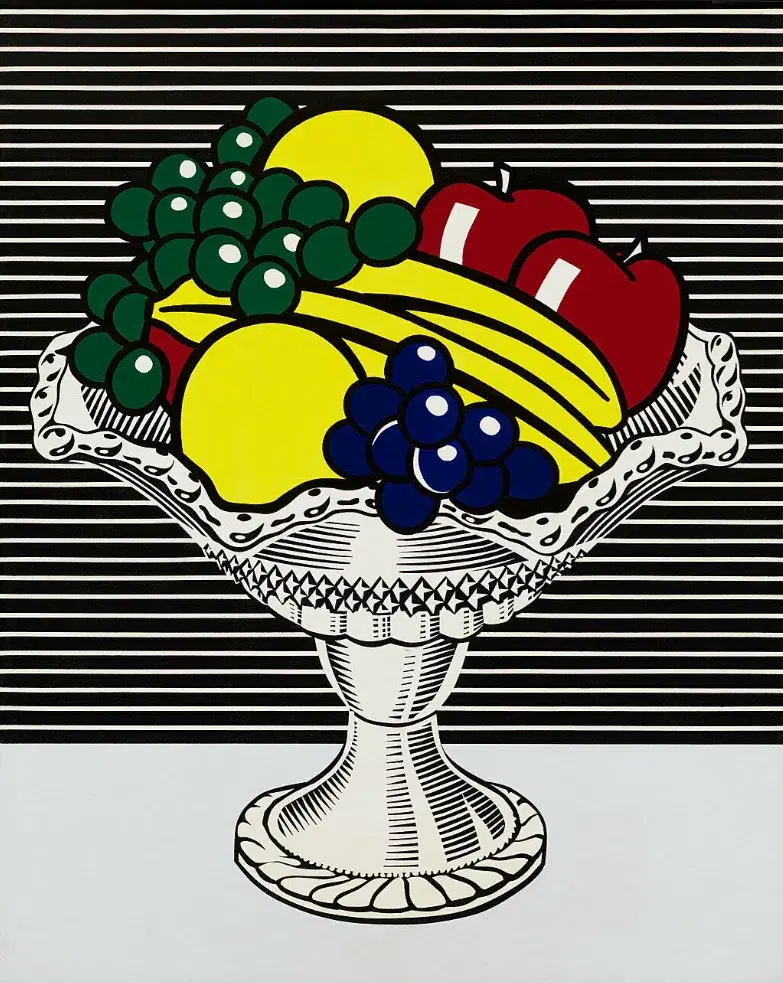
Roy Lichtenstein
1 Oct 2026 – 1 Jan 2027
Whitney Museum of American Art
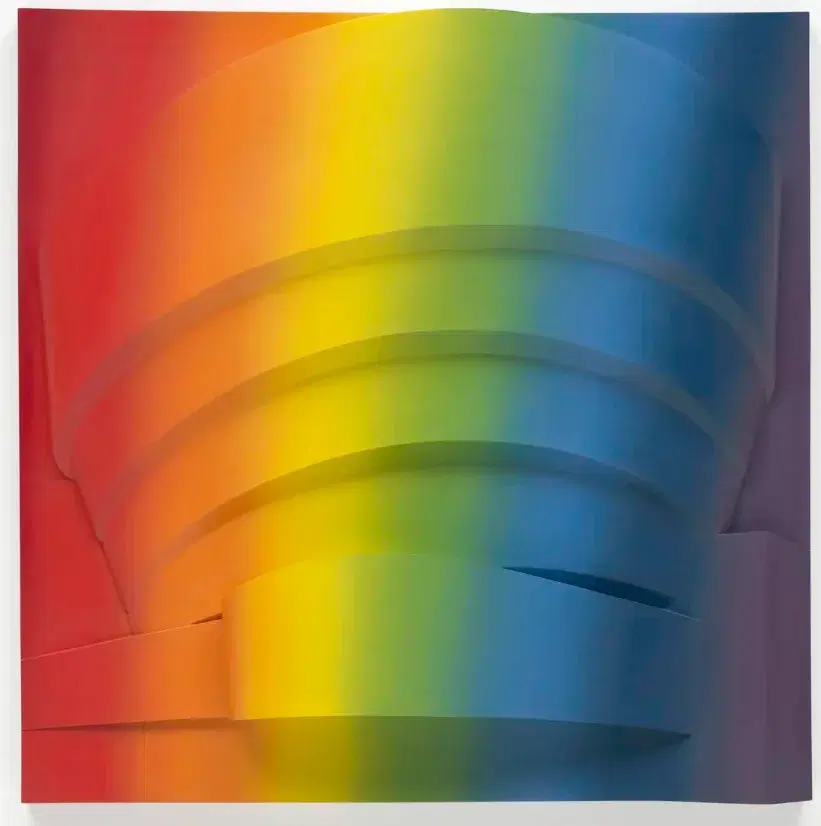
Guggenheim Pop
5 Jun 2026 – 10 Jan 2027
Solomon R. Guggenheim Museum
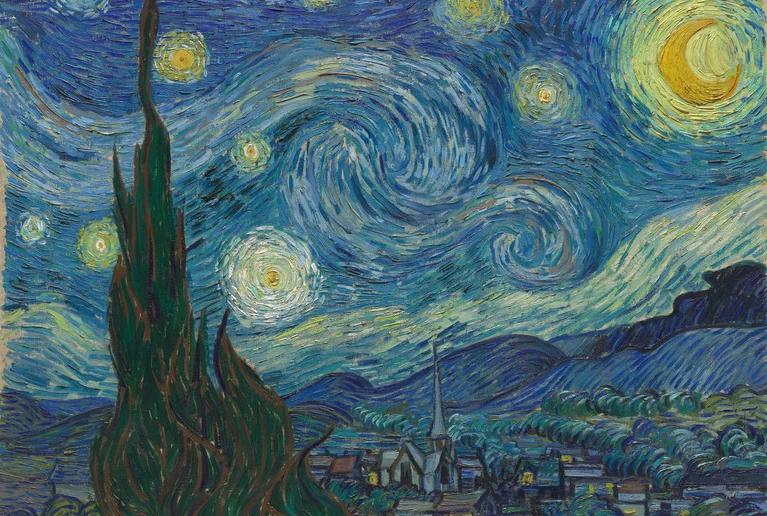
Moma Permanent Collection
MoMA The Museum of Modern Art