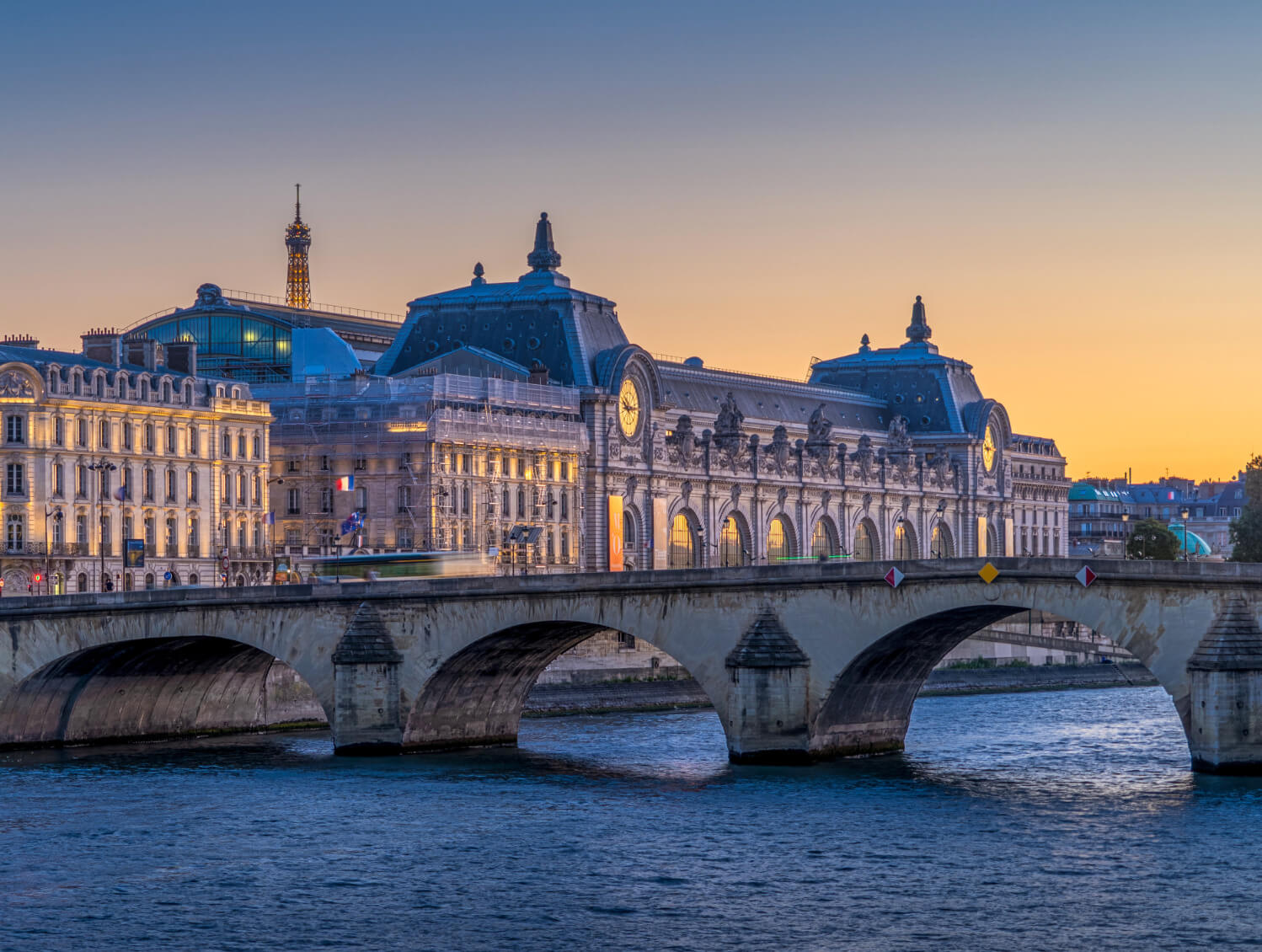
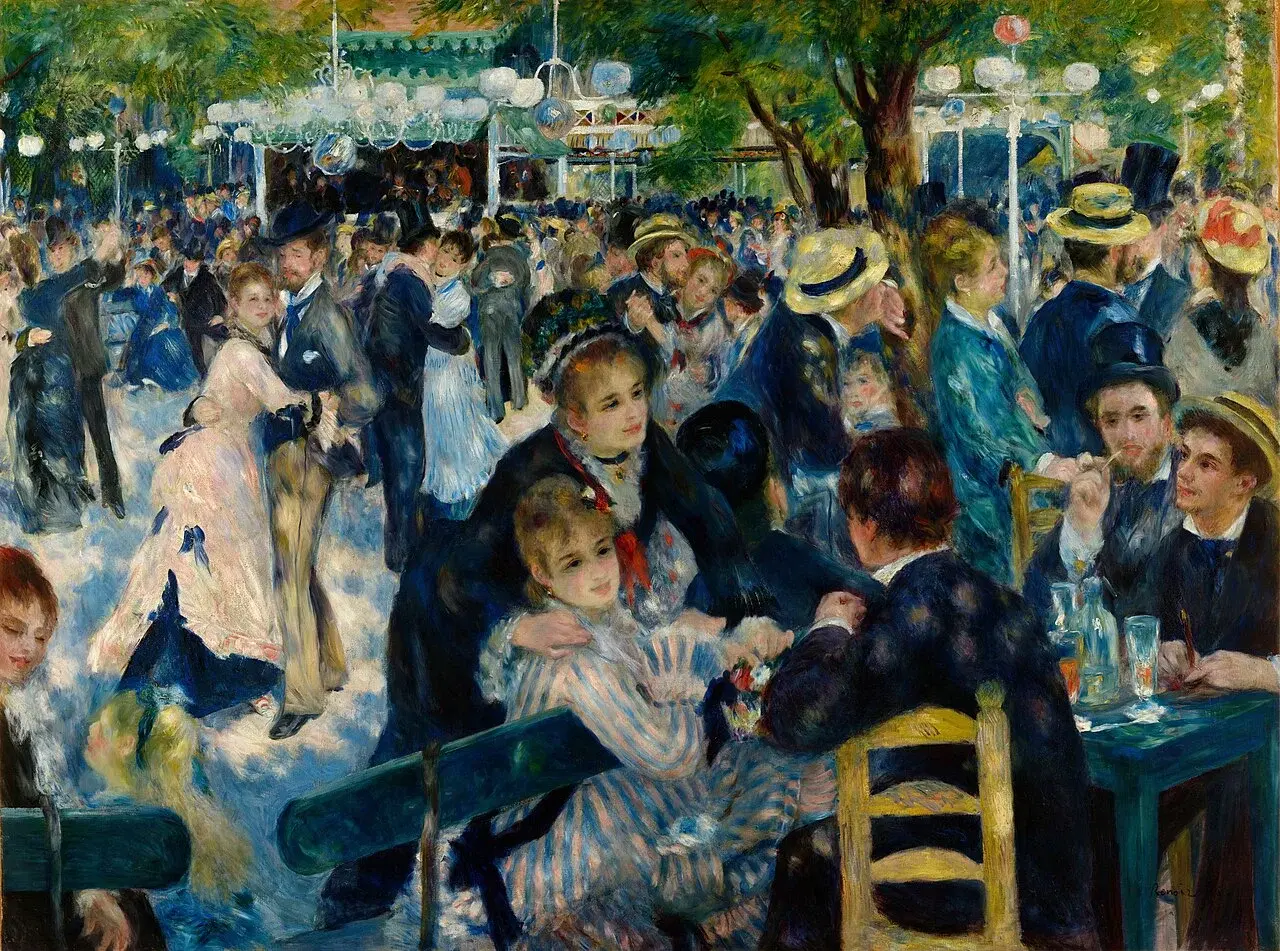
Dance at Le Moulin de la Galette
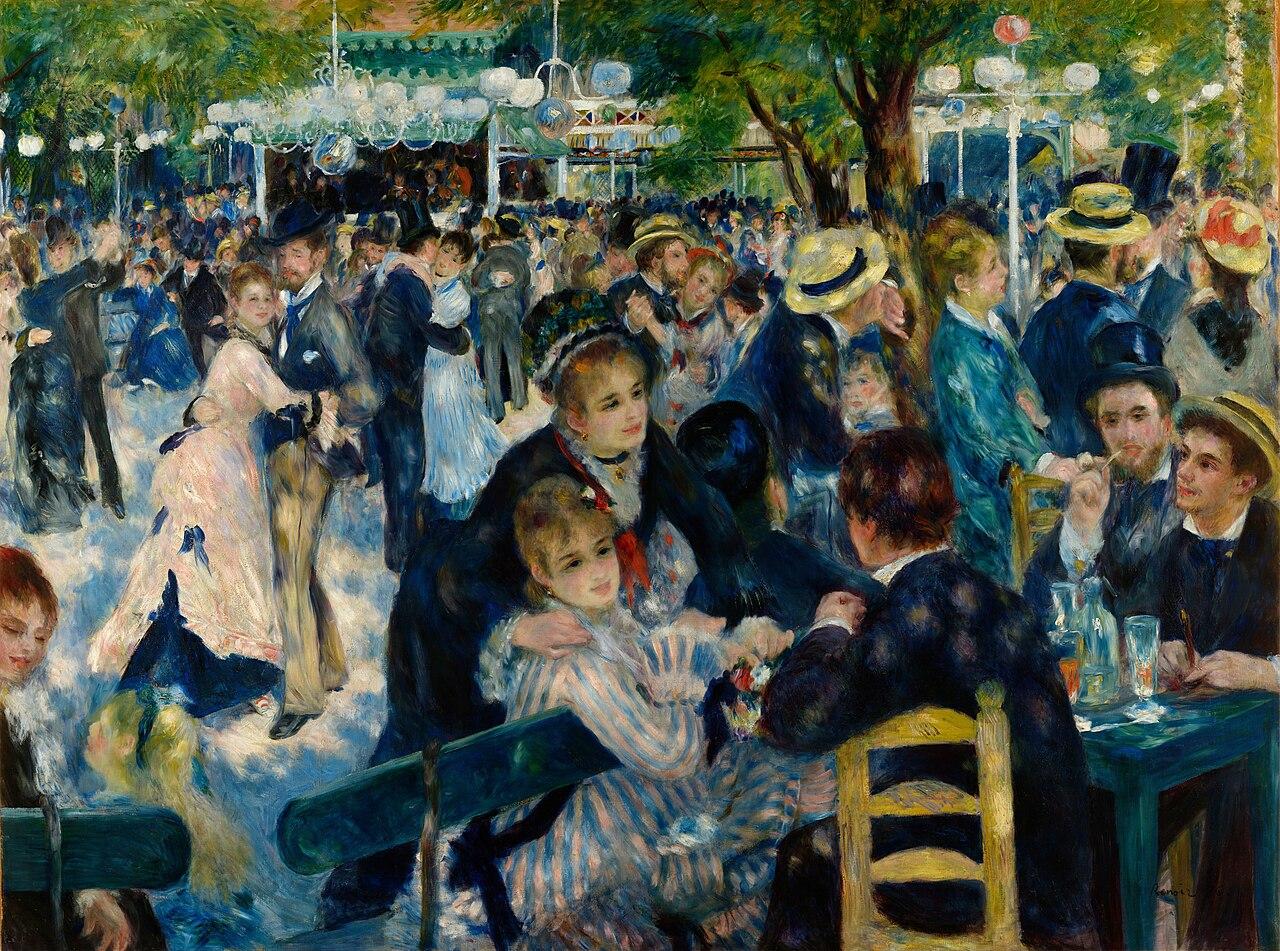
Meet the artist
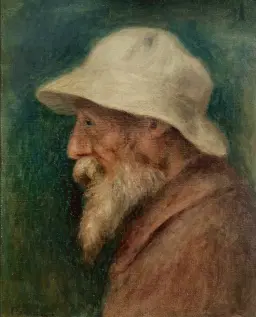
Pierre-Auguste Renoir1841–1919French
Dates
1876
Specifications
- Movement
- Impressionism
- Medium
- Oil Painting
- Genre
- Genre Painting
About the Artwork
Pierre-Auguste Renoir's Bal du moulin de la Galette, painted in 1876, is one of the great celebrations of everyday life in the history of art and an undisputed masterpiece of French Impressionism. The large oil on canvas — 131 by 176 centimetres — captures a bustling Sunday afternoon at the open-air dance hall in the Montmartre district of Paris, where working-class Parisians gathered to dance, drink, eat galettes, and socialize in the dappled light of the gardens. Renoir populated the scene with his friends and fellow artists, giving the painting both documentary specificity and an atmosphere of warmth and camaraderie. The work was executed entirely en plein air — an exceptional undertaking given its scale and compositional complexity — and the resulting play of natural light filtering through the trees, breaking into patches of gold and shadow across the figures, became one of the defining achievements of the Impressionist technique. Figures dissolve into the crowd, conversations are half-heard, a couple spins at the edge of the dance floor: Renoir captures transient, flickering social life with a fluency of brushwork that matches the energy of the scene. Exhibited at the third Impressionist exhibition in 1877, the painting passed through the collection of Gustave Caillebotte before entering the French Republic's holdings. It is now housed at the Musée d'Orsay in Paris.
Don’t stop here
More to explore by Pierre-Auguste Renoir
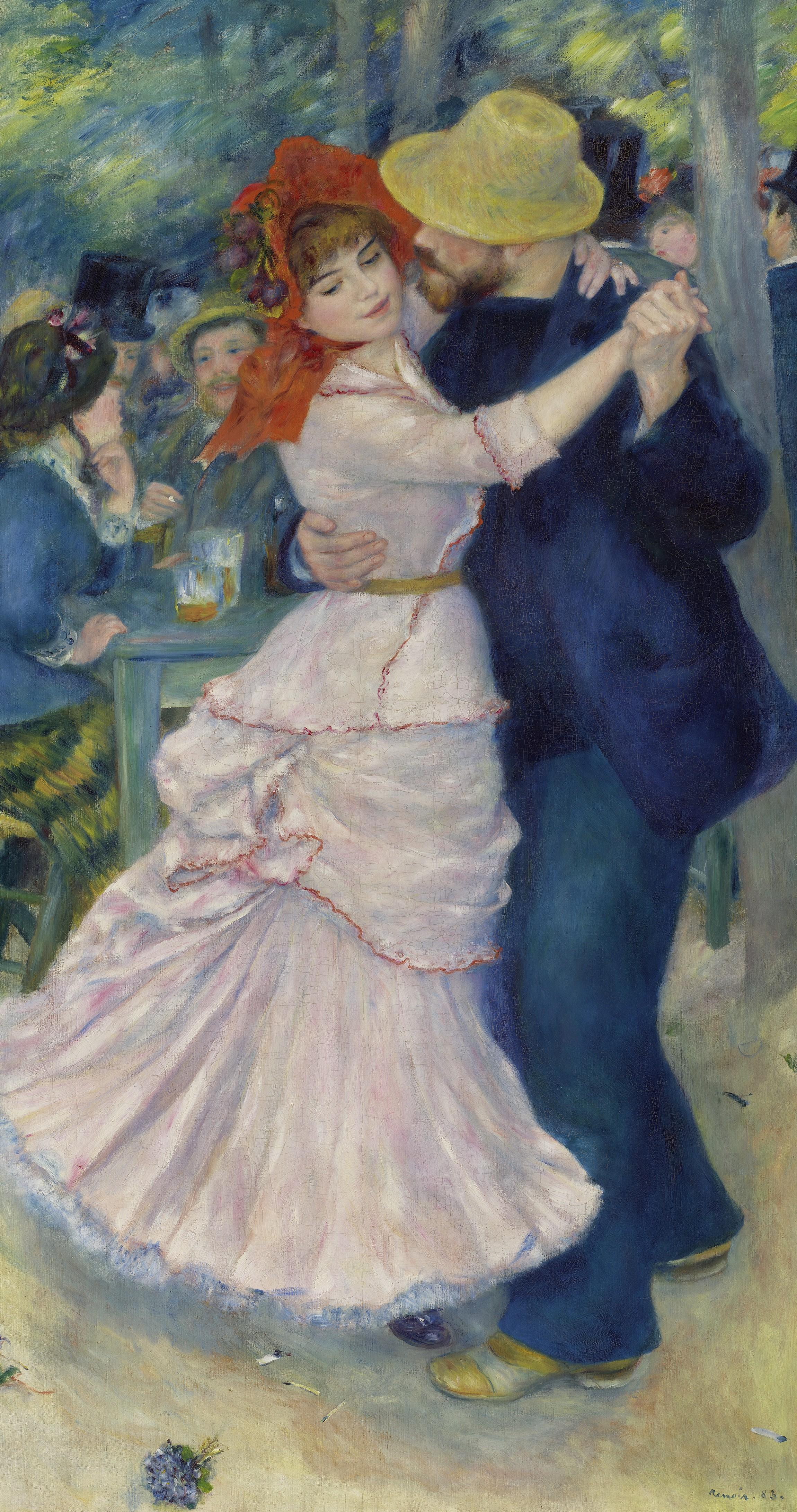
Same feeling, different artists
Similar Works by Other Artists
Keep exploring
Ends soon
Northern Light
Musée d’Orsay
Martin Parr. Global warning
30 Jan – 24 May 2026
Jeu de Paume
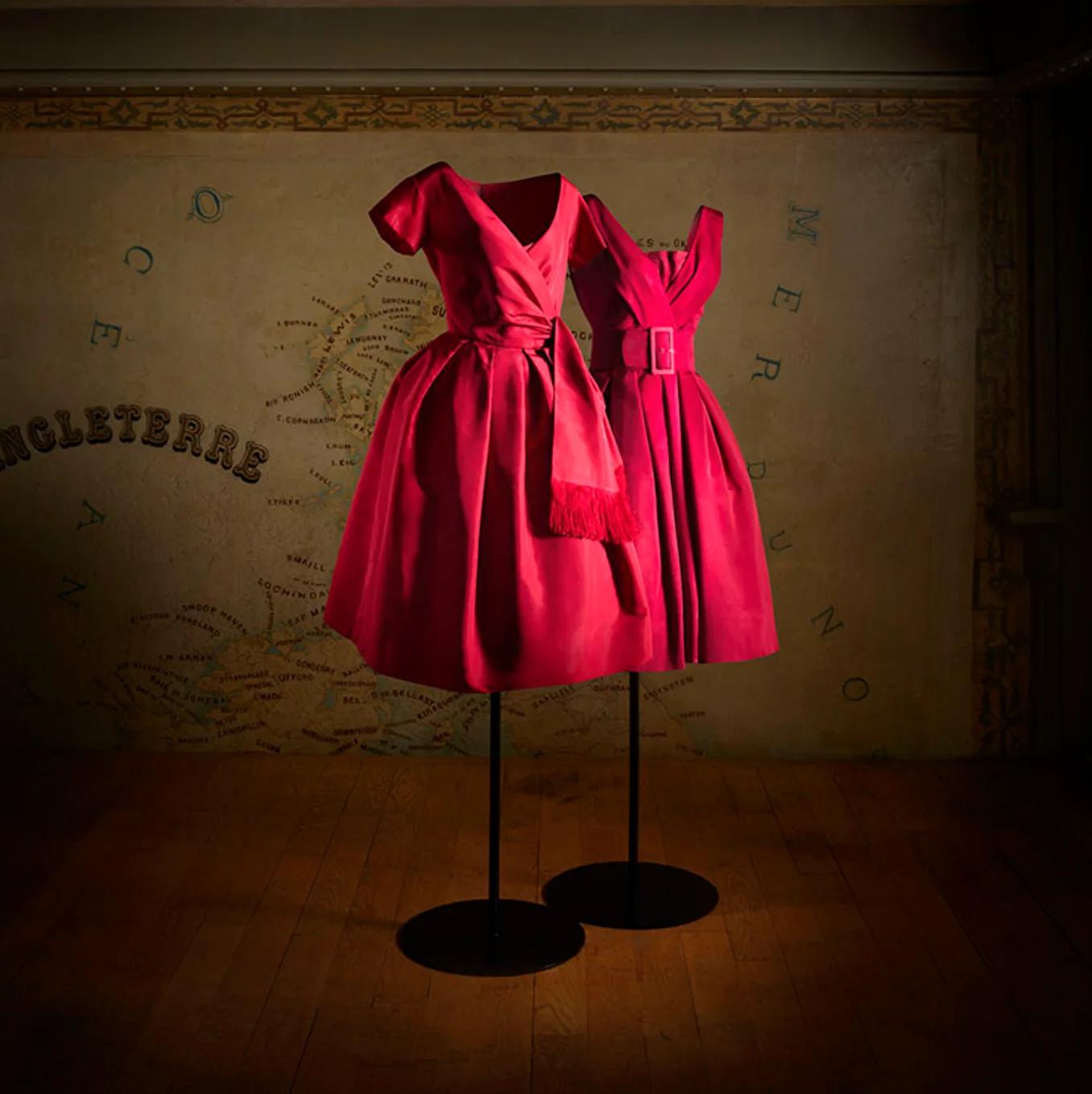
Azzedine Alaïa and Christian Dior, two masters of haute couture
12 Dec 2025 – 24 May 2026
Fondation Azzedine Alaïa

Dana Lixenberg. American Images
11 Feb – 24 May 2026
MEP – Maison Européenne de la Photographie
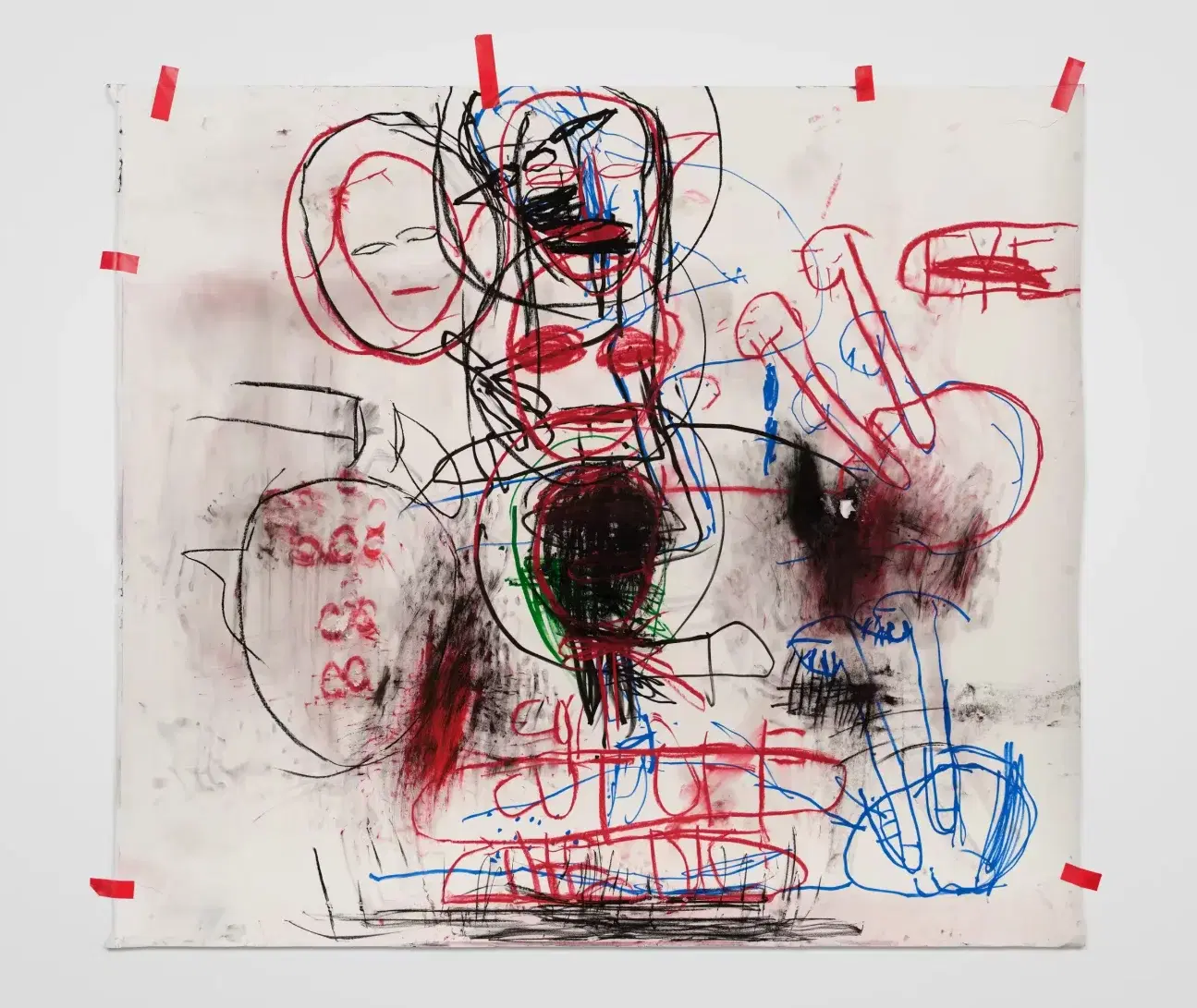
Paul McCarthy
21 Mar – 30 May 2026
Hauser & Wirth Paris
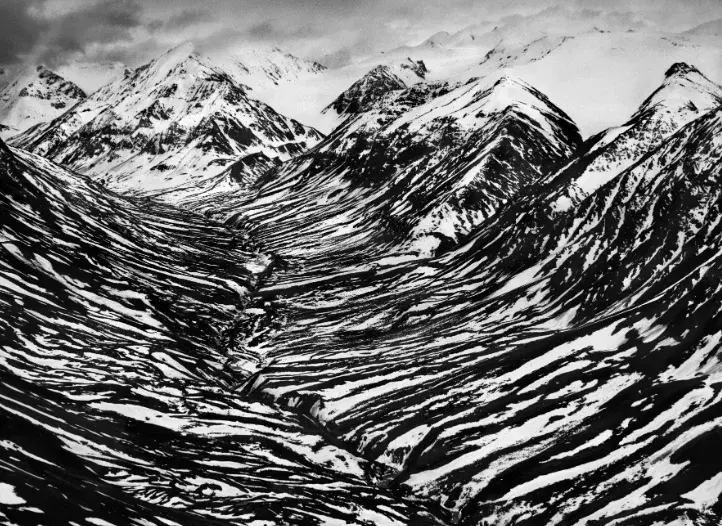
Sebastião Salgado
21 Feb – 30 May 2026
Hôtel de Ville

Nan Goldin
18 Mar – 21 Jun 2026
Grand Palais Paris
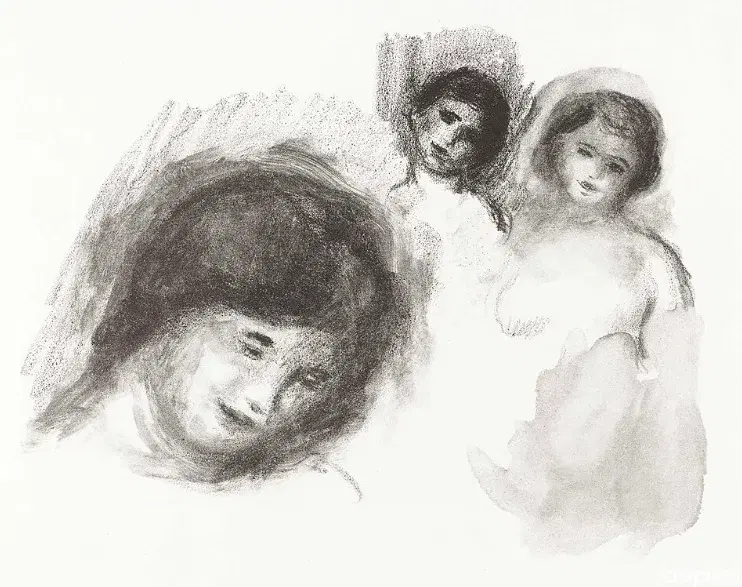
Renoir Drawings
17 Mar – 5 Jul 2026
Musée d’Orsay
Martin Schongauer
8 Apr – 20 Jul 2026
Louvre Museum
Michelangelo and Rodin
15 Apr – 20 Jul 2026
Louvre Museum