Sebastián Díaz Morales. The Shadow Out of Time
Madrid, Spain
More infoFree
Contemporary video art and conceptual installation, with a strong focus on time, memory, technology, absence, and speculative fiction.

Image credit
Film still: Sebastián Díaz Morales, #4 El cielo cayendo (Under the Falling Sky) FROZEN-DESERT, 2025. Two-screen video installation, 5.1 Dolby Surround, 13:00 min. © Sebastián Díaz Morales
Meet the artist
The Movement
Contemporary Art, Video Art MovementArtLovers Tip
Stay with the works long enough for the ordinary objects to become strange. The most powerful part of this exhibition is not what happens on screen — but the feeling that time itself has slipped slightly out of place.
Exhibition Highlights - What you’ll see
The Shadow Out of Time brings together different bodies of work by Sebastián Díaz Morales (1975) that explore how fragments of past and future civilisations persist inside the present.
You’re watching objects that behave like receivers — devices tuned to echoes, ruins, messages and impossible timelines:
- A smartwatch displaying ancient Sumerian cuneiform texts, connecting one of today’s most banal devices with some of the earliest known human writing.
- A wristwatch attempting to reverse time, its second hand fixed in a strange act of refusal.
- A rotating candle flame, turning an ordinary source of light into something almost supernatural.
- A broken speaker playing bird calls, as if remembering a world that has gone silent.
The exhibition doesn’t show the catastrophe itself. It shows what remains after: signals, traces, echoes, and objects still trying to communicate.
The exhibition is part of this year’s Festival OFF of Photoespaña and will follow the artist’s institutional solo exhibition, 'El Cielo Cayendo', which opened at Art Haus Central, Buenos Aires, in 2025.
Worth the trip
Yes — especially if you’re drawn to video art, speculative narratives, and exhibitions that feel cinematic and philosophical.
Because Díaz Morales turns technology into archaeology. A smartwatch, a speaker, a candle, a watch — everyday objects become evidence of unstable time, lost worlds, and future ruins.
It matters because the exhibition speaks directly to our moment: a world overloaded with devices, messages and systems, yet haunted by collapse, memory, and disappearance.
This is not an exhibition that gives you answers.
It leaves you inside the signal.
How to experience it
Don’t rush — video works need time to unfold.
Think of each object as a “receiver” rather than a sculpture or screen.
Pay attention to sound, duration, repetition, and silence.
Let the exhibition feel slightly uncanny — that discomfort is part of the work.
Read it as a journey through time: ancient writing, broken technology, reversed clocks, surviving echoes.
Keep exploring
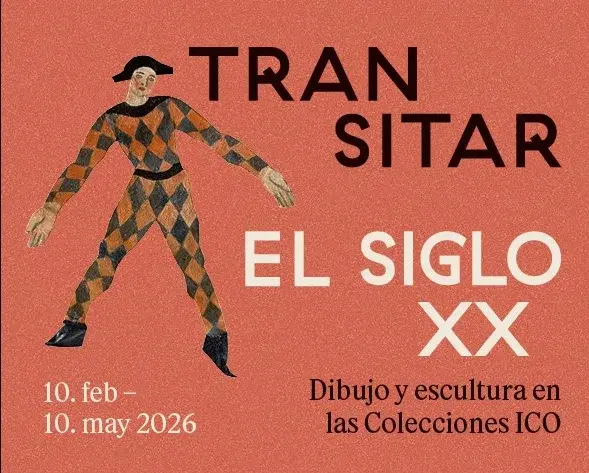
Traversing the 20th Century
10 Feb – 10 May 2026
Museum ICO Madrid
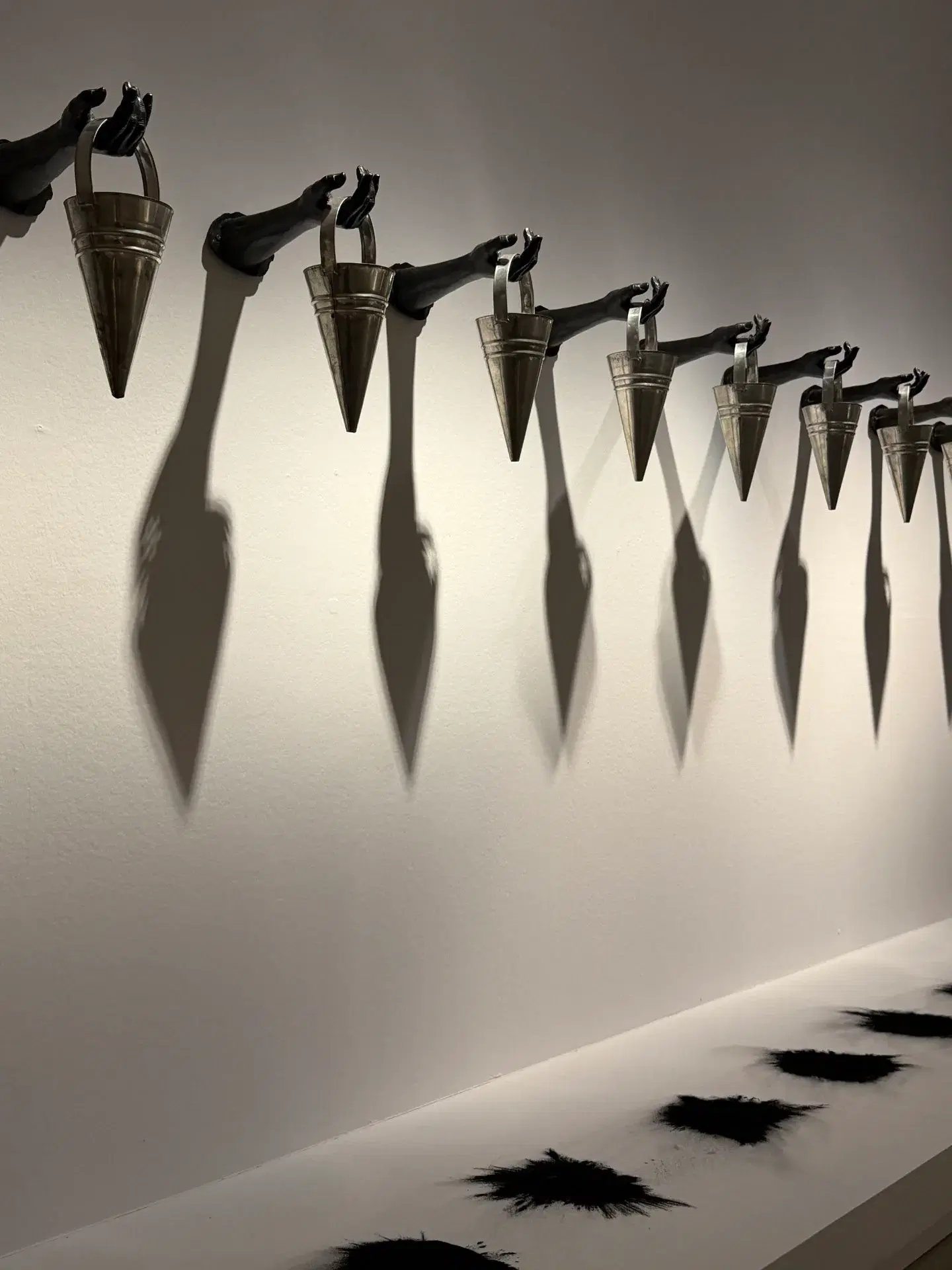
Journeying through the 20th Century
10 Feb – 10 May 2026
Museum ICO Madrid
Ends soon
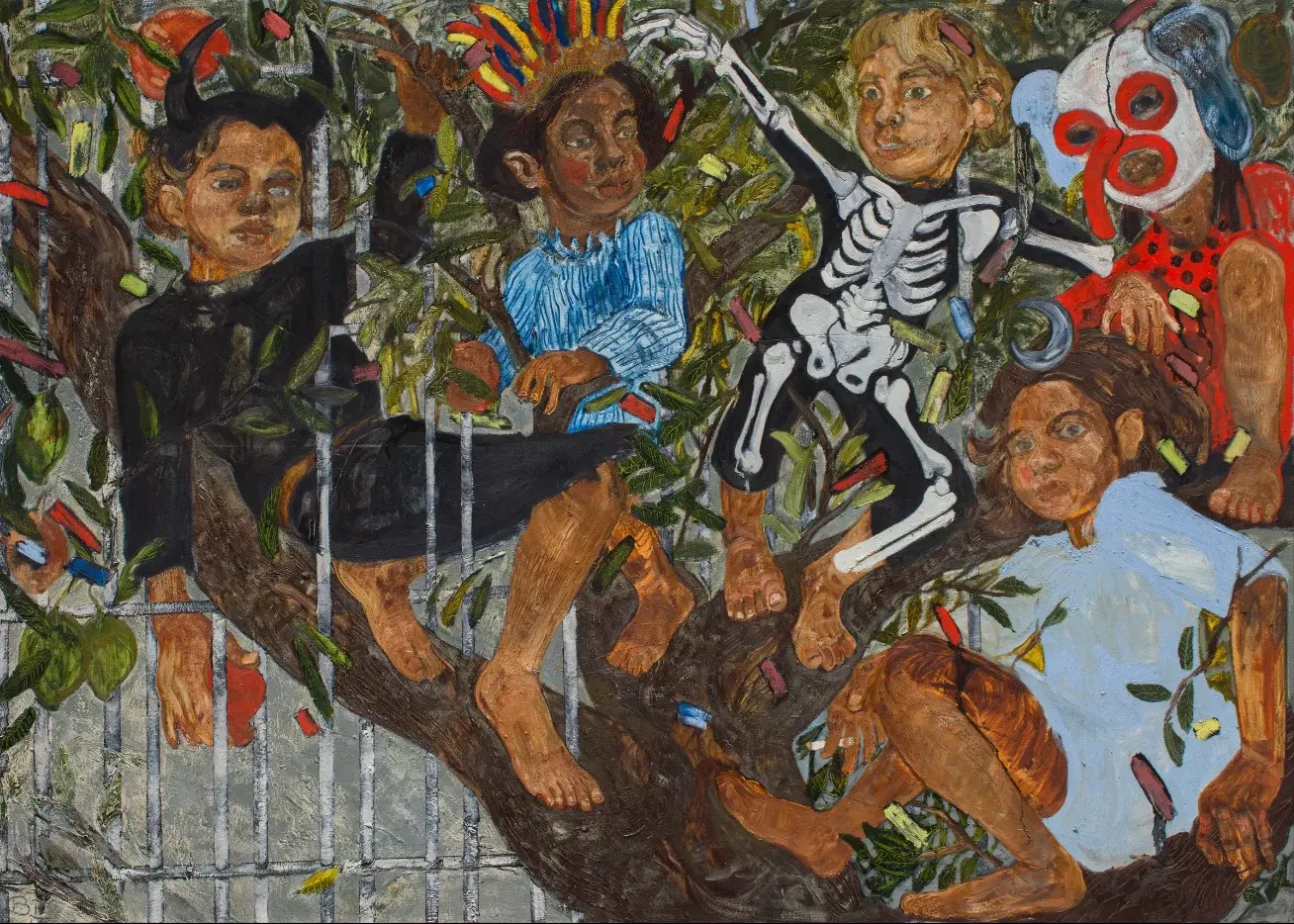
Entre paredes y máscaras
4 Mar 2029 – 16 May 2026
VETA by Fer Francés
Ends soon
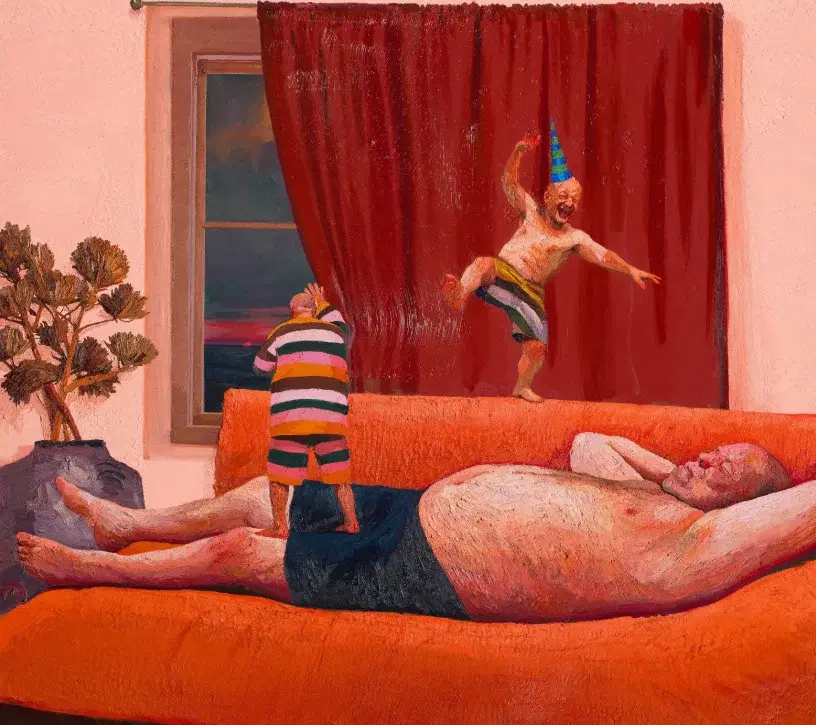
La nave de los locos: Javier Ruiz
VETA by Fer Francés

Ends soon
Herejes y Herederas
4 May – 16 May 2026
VETA by Fer Francés

Ends soon
Helen Levitt
19 Feb – 17 May 2026
Fundación Mapfre Sala Recoletos

Ends soon
Anders Zorn.
19 Feb – 17 May 2026
Fundación Mapfre Sala Recoletos
Ends soon
Eduardo Ponjuán. Ruy Lopez Opening
26 Feb – 23 May 2026
El Apartamento Madrid
Ends soon
Space and Time
4 Mar – 23 May 2026
Casa de América
Ends soon
Hyperrealist Madrid
16 Dec 2025 – 24 May 2026
Museum of History of Madrid

Discover the destination
Experience art in Madrid
Art in Madrid — Museums, exhibitions & artworks worth traveling for.
From Velázquez to today’s global contemporary scene, Madrid turns a city break into an art journey.
Explore Madrid