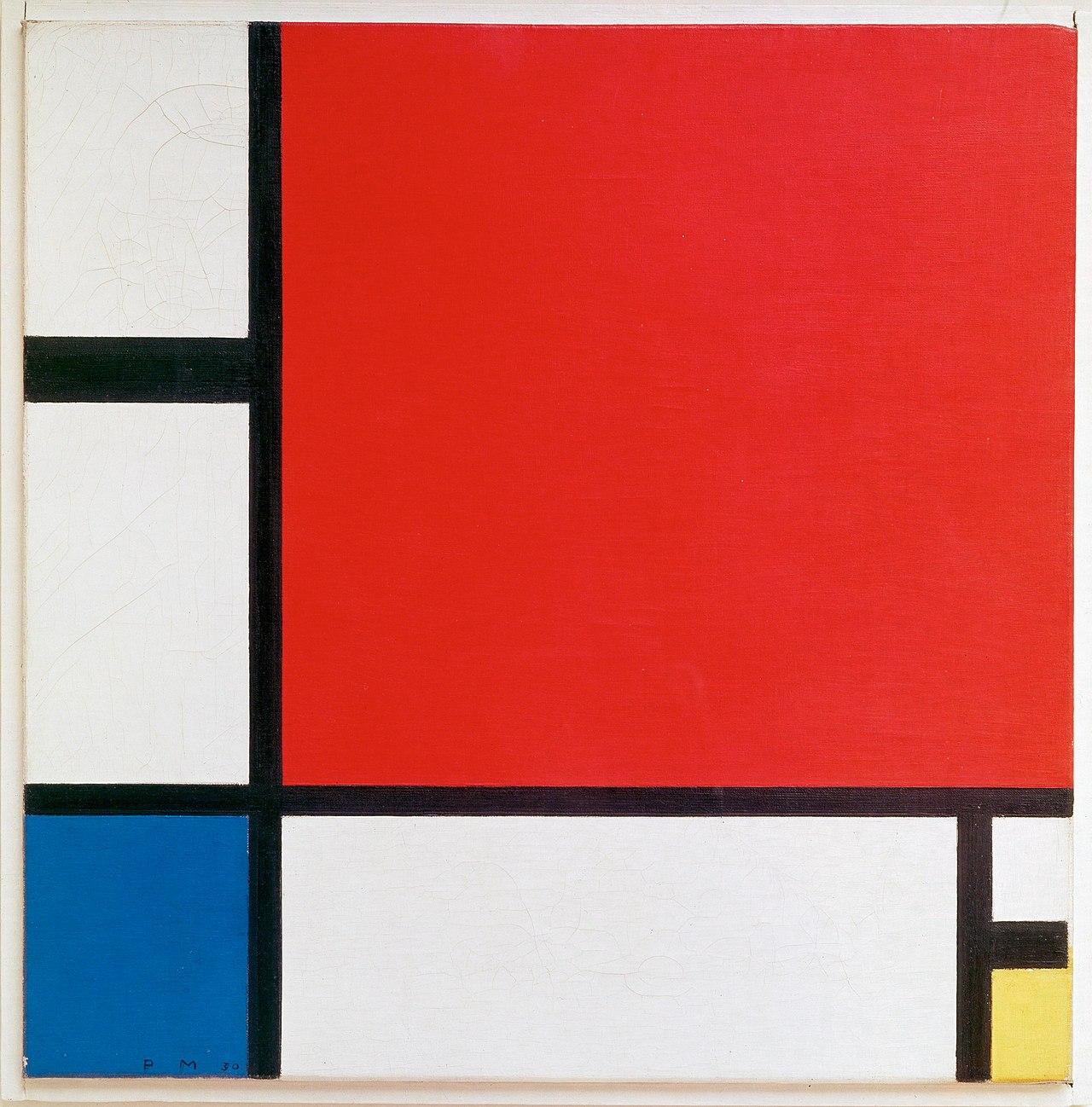
Composition with Red Blue and Yellow
1930
63% match
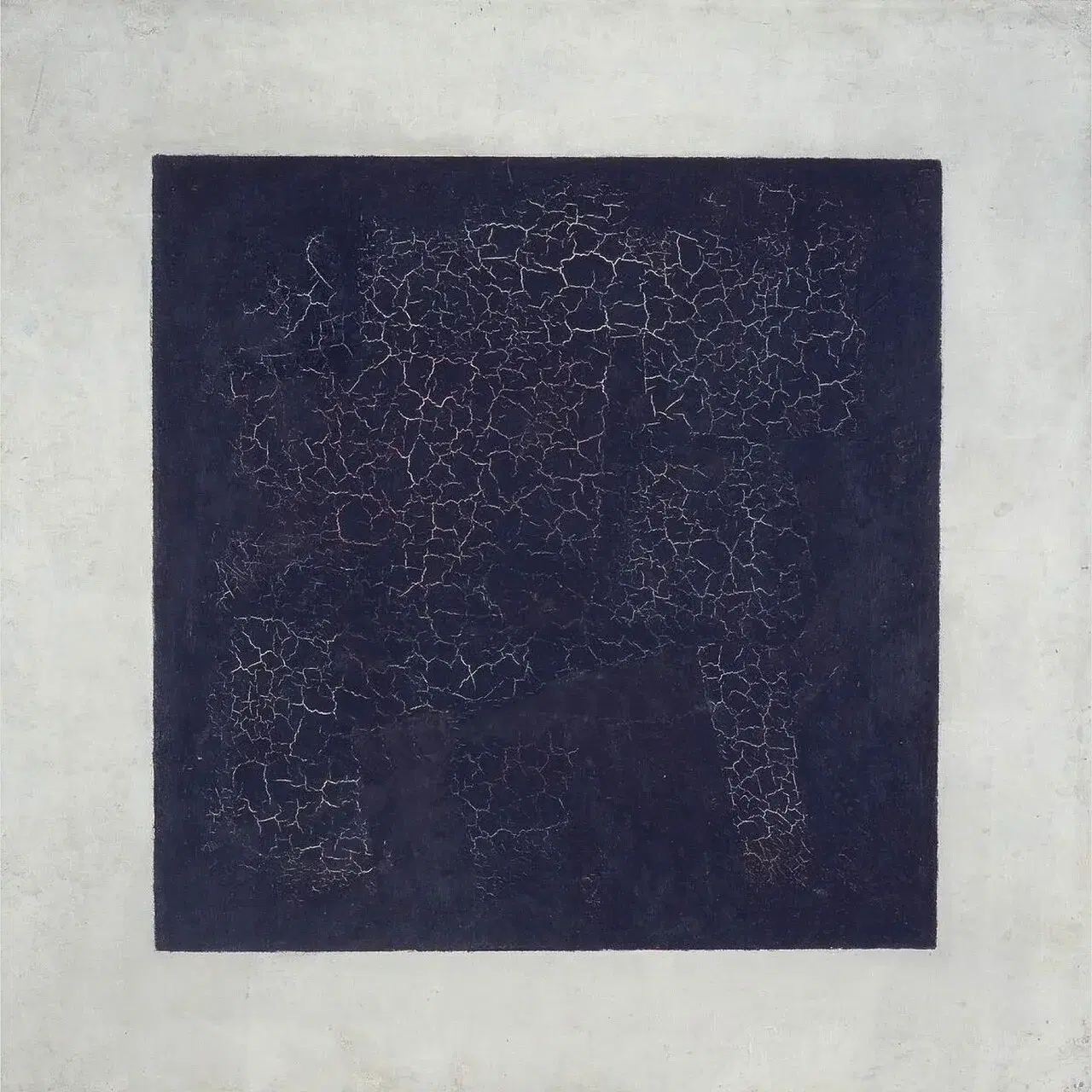
1915
Kazimir Malevich's "Black Square," created in 1915, is more than just a simple black square painted on a canvas; it's a revolutionary statement that changed the course of art history. Part of a series of four, the original "Black Square" represents the birth of Suprematism, an art movement focused solely on pure artistic feeling and the reduction of art to its most basic geometric forms. Malevich sought to liberate art from the constraints of representation, believing that emotional impact and universal understanding could be achieved through focusing on shape and color alone. By stripping away recognizable imagery, Malevich aimed for a direct connection between the artwork and the viewer's emotions, similar to the experience of religious art.
The historical significance of "Black Square" cannot be overstated. It marked a radical departure from traditional artistic conventions, challenging the very definition of what art could be. As the 'zero point of painting,' it became a touchstone for minimalist and abstract art movements that followed. Malevich's manifesto declared it a "desperate struggle to free art from the ballast of the objective world," setting the stage for future generations of artists to explore the possibilities of non-representational art. Its initial display, hung in the icon corner of an exhibition, emphasized the collision of traditional Russian Orthodox culture and modernist ideals.
Technically, the painting is an oil on linen canvas, executed with broad strokes of thick black paint. What appears as a perfectly uniform black square is, upon closer inspection, a nuanced surface with variations in texture and tone. The edges are subtly modulated with shades of white and grey, adding depth to the seemingly flat plane. X-rays have even revealed earlier, brightly colored Cubo-Futurist and proto-Suprematist compositions hidden beneath the black surface, adding layers of meaning and history to this iconic work. Despite its apparent simplicity, "Black Square" continues to provoke discussion and inspire artists, solidifying its place as a cornerstone of modern art. It compels us to question our expectations of art and to consider the power of pure form and color to evoke emotion and meaning.
Same feeling, different artists
1930
63% match
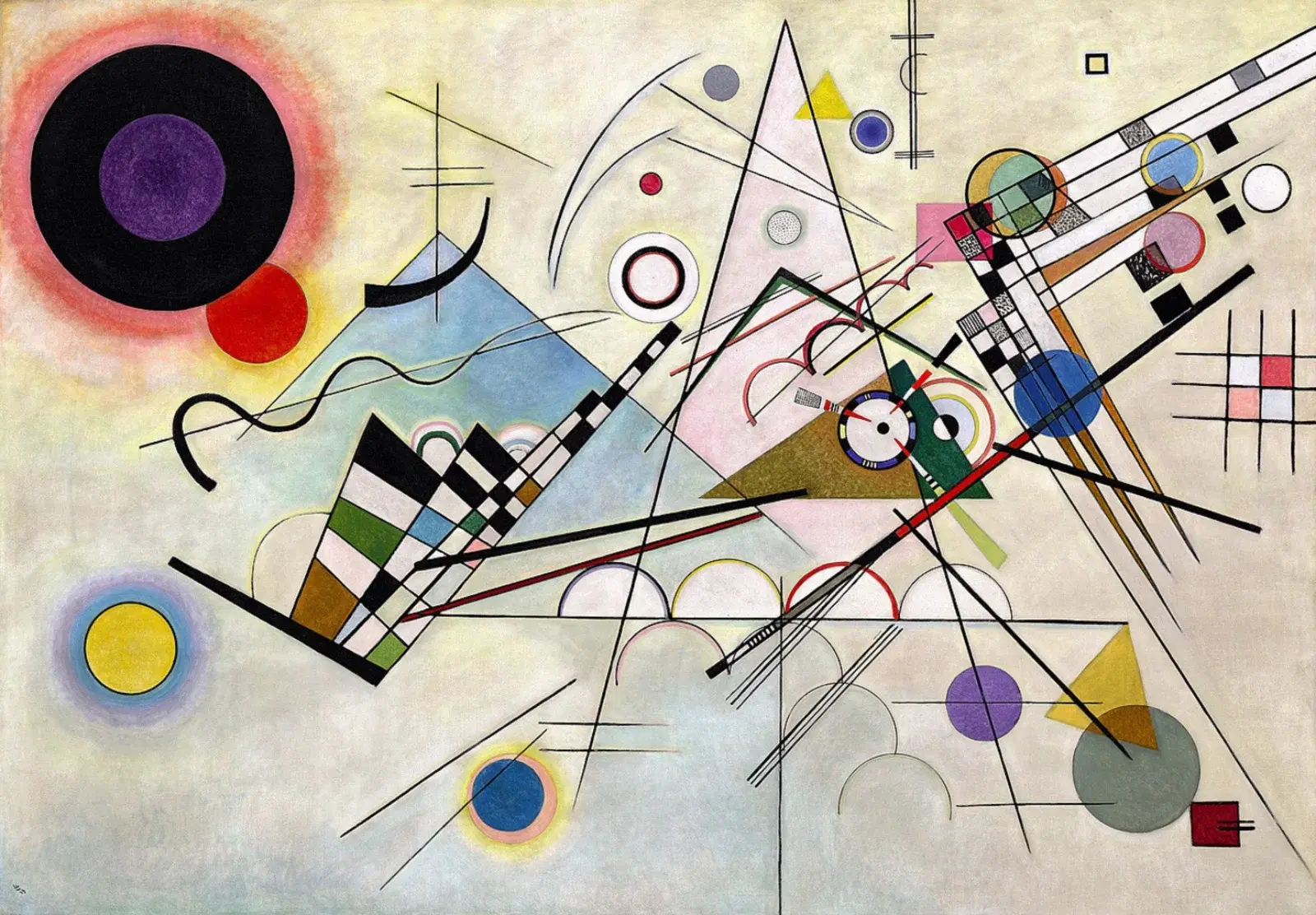
1923
62% match
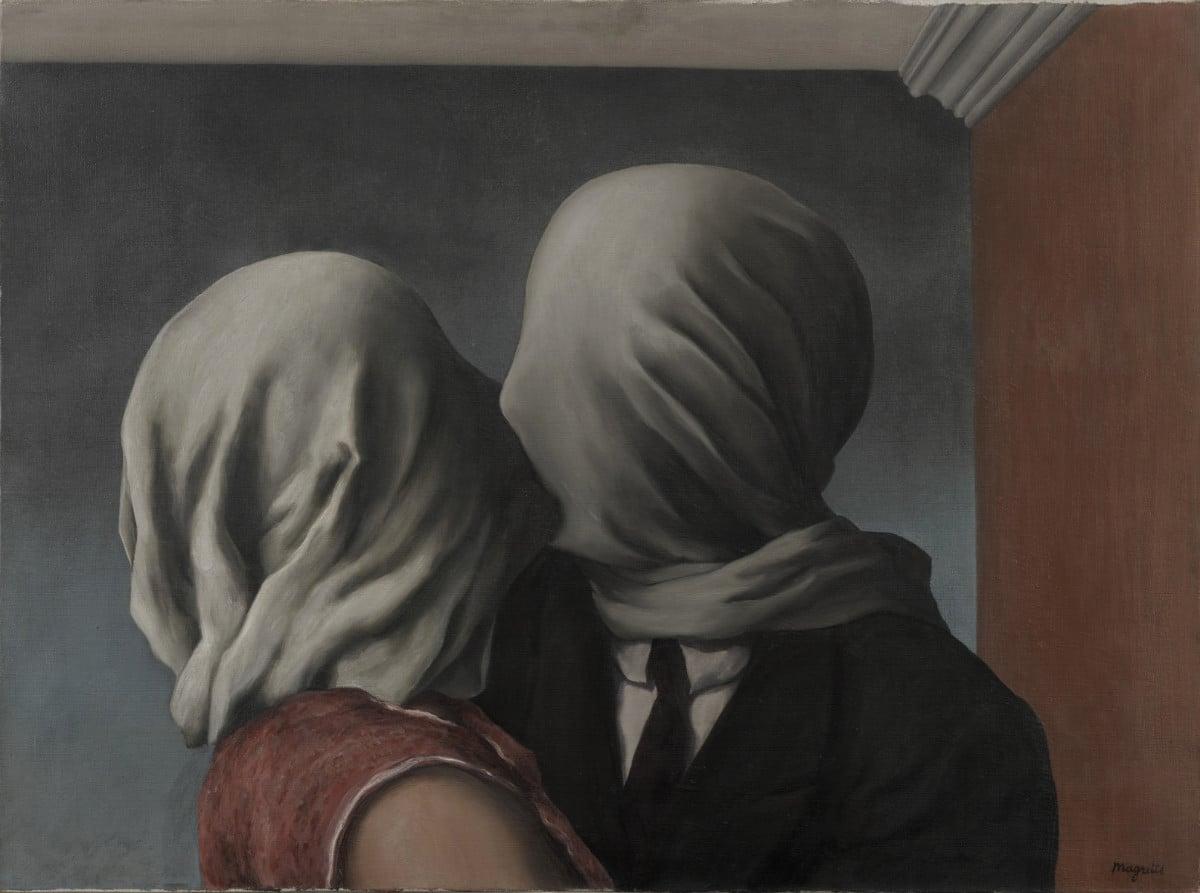
1928
60% match
1912
60% match
1890
59% match
1884
59% match
1872
59% match
1907
59% match