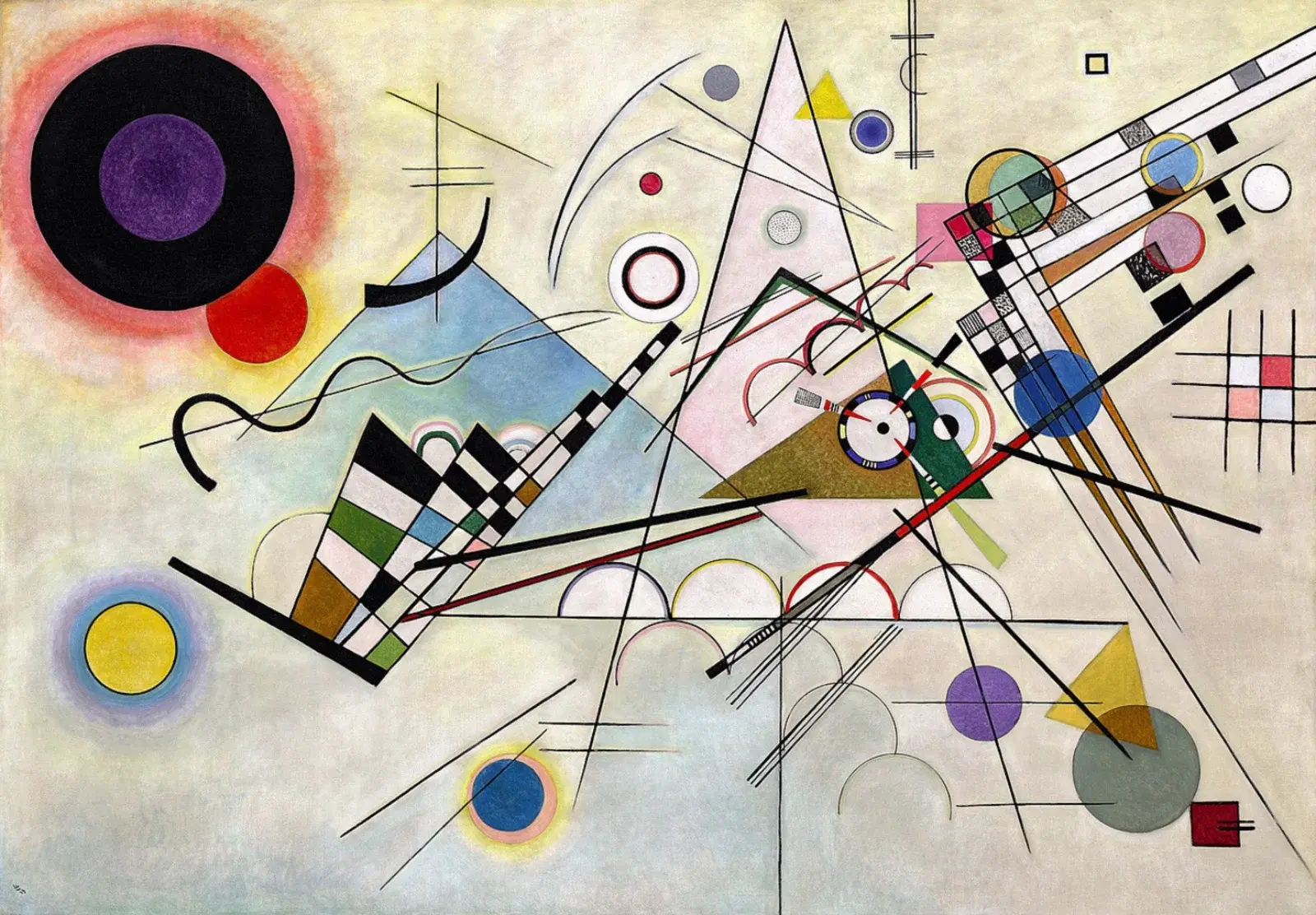
Composition VIII
#48
Meet the artist
WWassily Kandinsky1866–1944Russian
Dates
1923
Specifications
- Original title
- Komposition VIII
- Dimensions
- 140 × 201 cm
About the Artwork
Wassily Kandinsky's "Composition VIII," created in 1923, is a vibrant and dynamic example of abstract art. It's not a picture of something recognizable in the real world; instead, Kandinsky uses geometric forms like circles, triangles, and lines, along with a rich palette of colors, to create a visual experience that evokes emotions and spiritual resonance. Imagine a symphony on canvas, where shapes and colors interact to create harmony, dissonance, and ultimately, a powerful emotional impact. This painting encapsulates Kandinsky's belief that art should transcend the purely representational and speak directly to the soul.
"Composition VIII" holds immense historical significance as a key work from Kandinsky's Bauhaus period. During this time, he explored the relationship between art, design, and spirituality within the Bauhaus school's innovative and experimental environment. The painting exemplifies his theories about the psychological effects of color and form, developed through years of study and experimentation. Kandinsky's work during this period helped solidify the importance of abstract art within modern art history, influencing generations of artists to come.
Kandinsky's artistic technique in "Composition VIII" is characterized by a meticulous arrangement of abstract elements. He carefully considered the interplay between different shapes and colors, using them to create a sense of depth, movement, and balance. The precise application of paint, the sharp delineation of forms, and the deliberate color choices all contribute to the painting's overall impact. It matters because it presents a visual language independent of objective reality, allowing viewers to engage with art on a purely emotional and intuitive level. By freeing art from the constraints of representation, Kandinsky opened up new possibilities for artistic expression and viewer interpretation.
How to experience it
follow the circles and lines as if reading a score
Don’t stop here
More to explore by Wassily Kandinsky
Same feeling, different artists
Similar Works by Other Artists
Keep exploring
Ends soon
Frieze New York 2026
13 May – 17 May 2026
The Shed New York
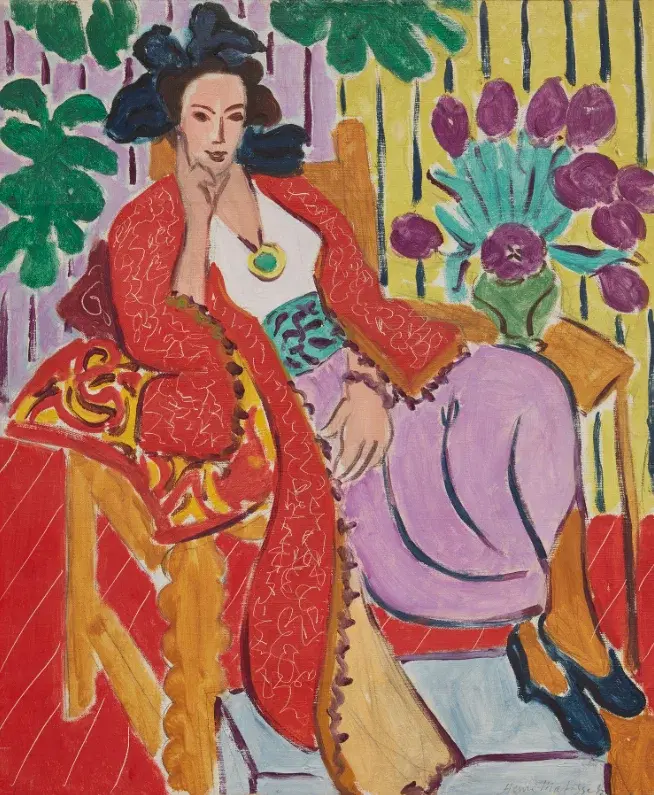
Matisse. The Pursuit of Harmony
9 Apr – 22 May 2026
Acquavella Galleries
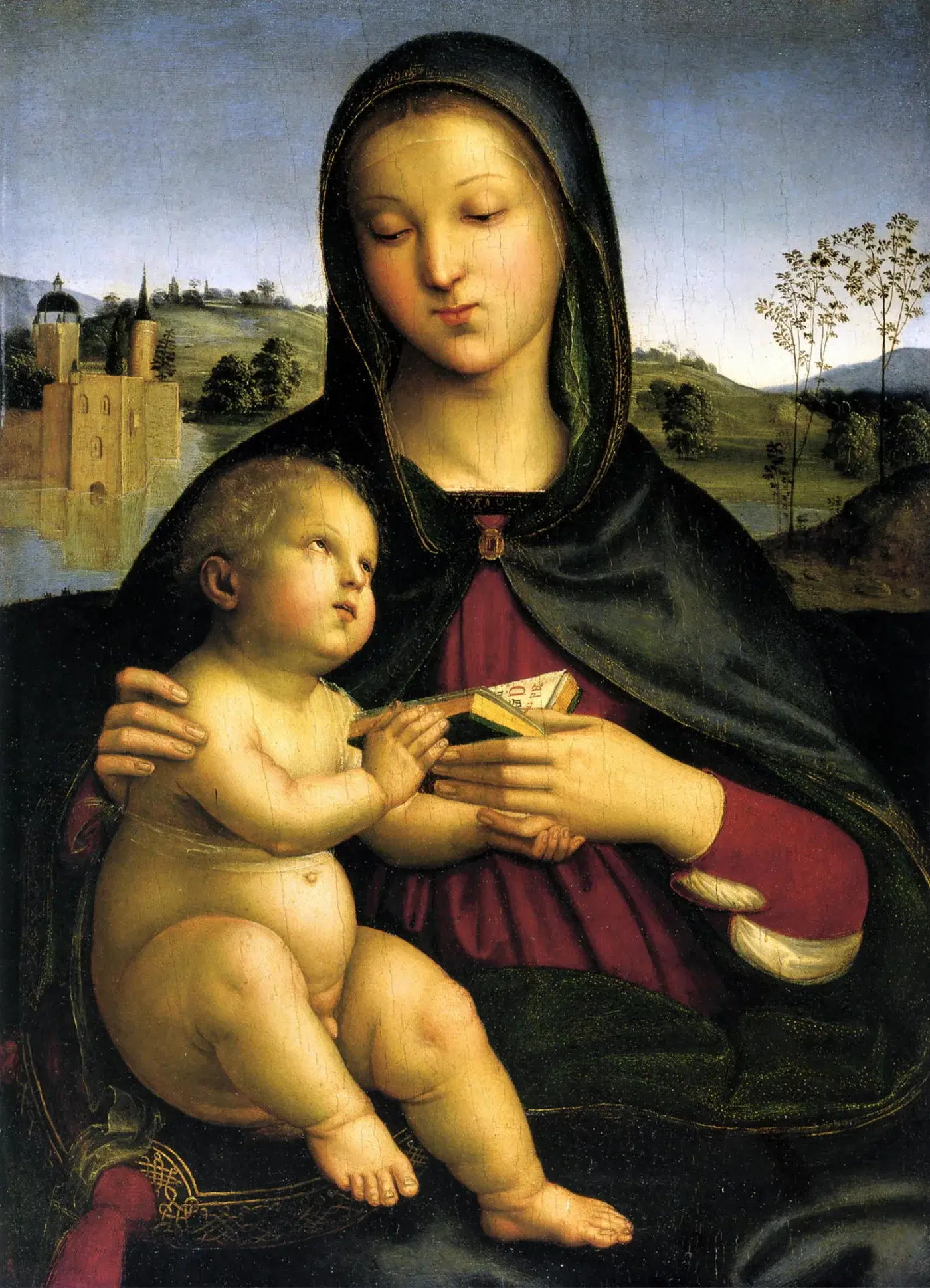
Raphael: Sublime Poetry
29 Mar – 28 Jun 2026
Metropolitan Museum of Art
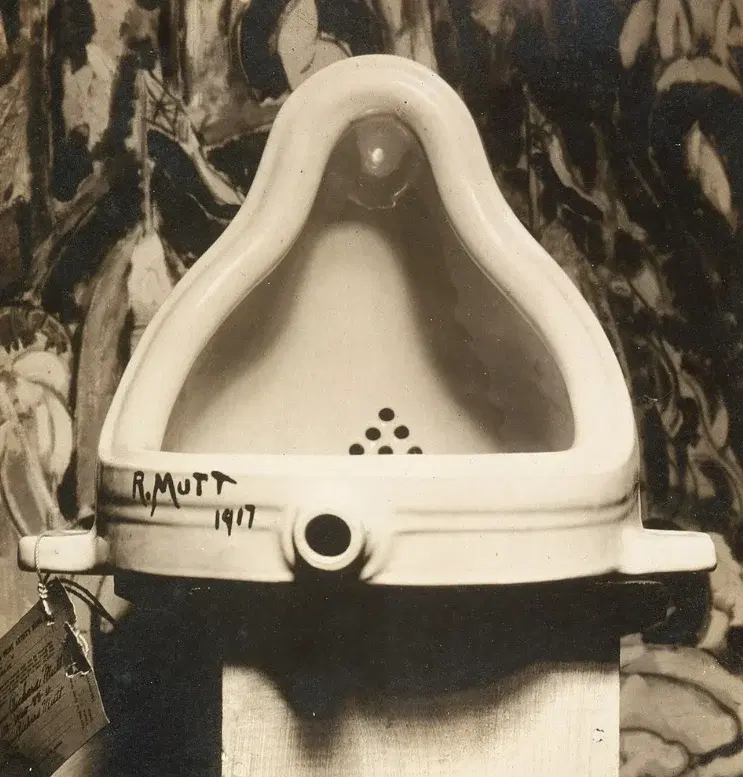
Marcel Duchamp
13 Apr – 22 Aug 2026
MoMA The Museum of Modern Art

Whitney Biennial 2026
8 Mar – 23 Aug 2026
Whitney Museum of American Art
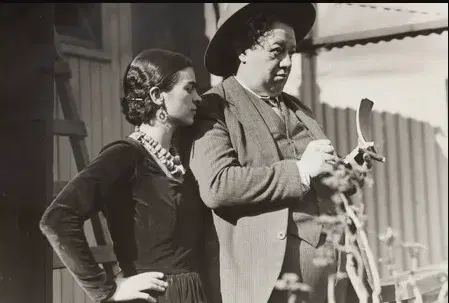
Frida and Diego. The Last Dream.
1 Apr – 12 Sep 2026
MoMA The Museum of Modern Art
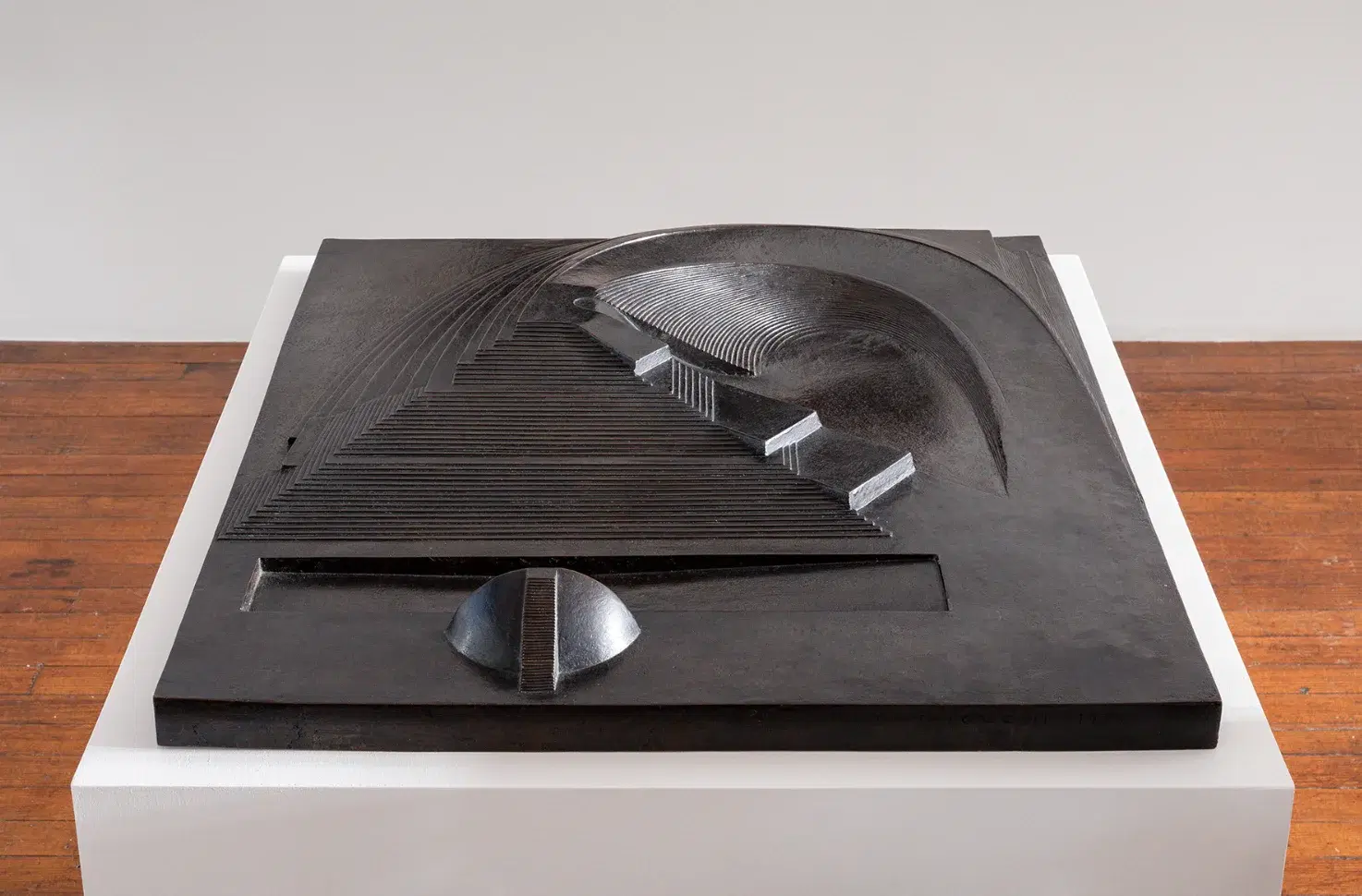
Noguchi’s New York
4 Feb – 13 Sep 2026
The Noguchi Museum
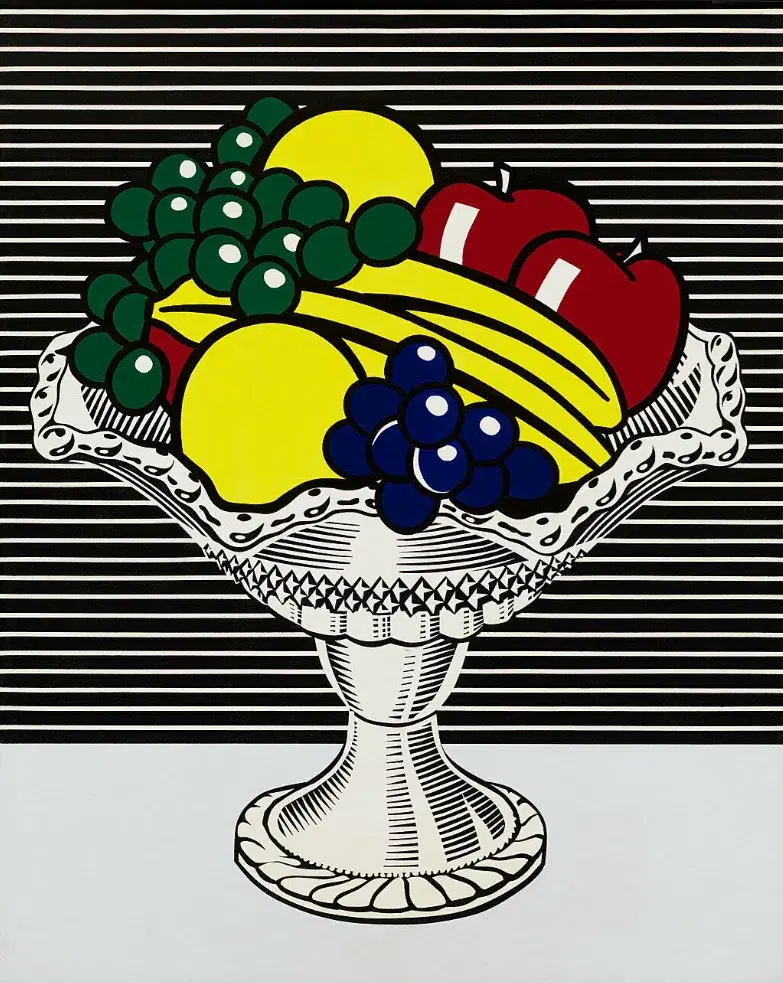
Roy Lichtenstein
1 Oct 2026 – 1 Jan 2027
Whitney Museum of American Art
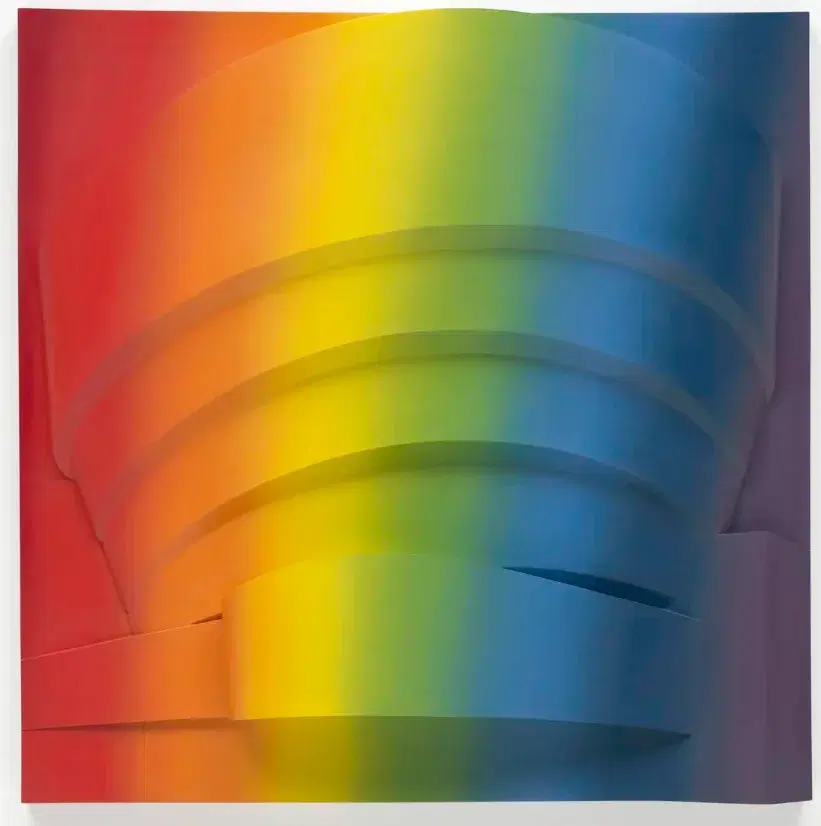
Guggenheim Pop
5 Jun 2026 – 10 Jan 2027
Solomon R. Guggenheim Museum
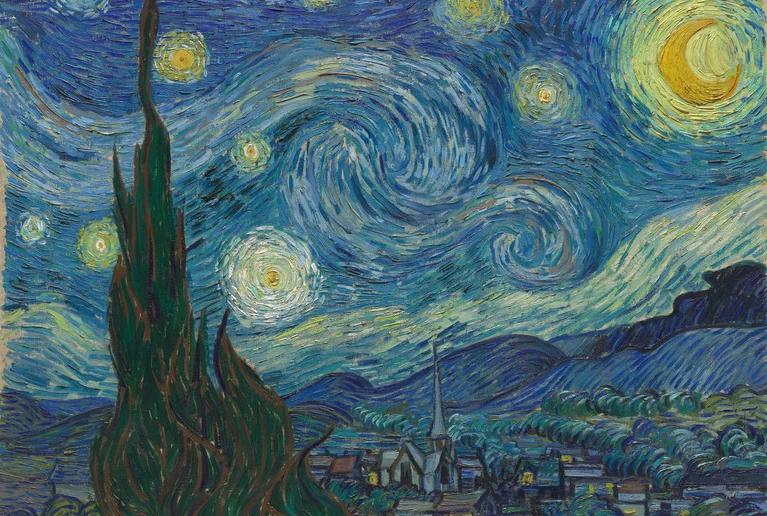
Moma Permanent Collection
MoMA The Museum of Modern Art