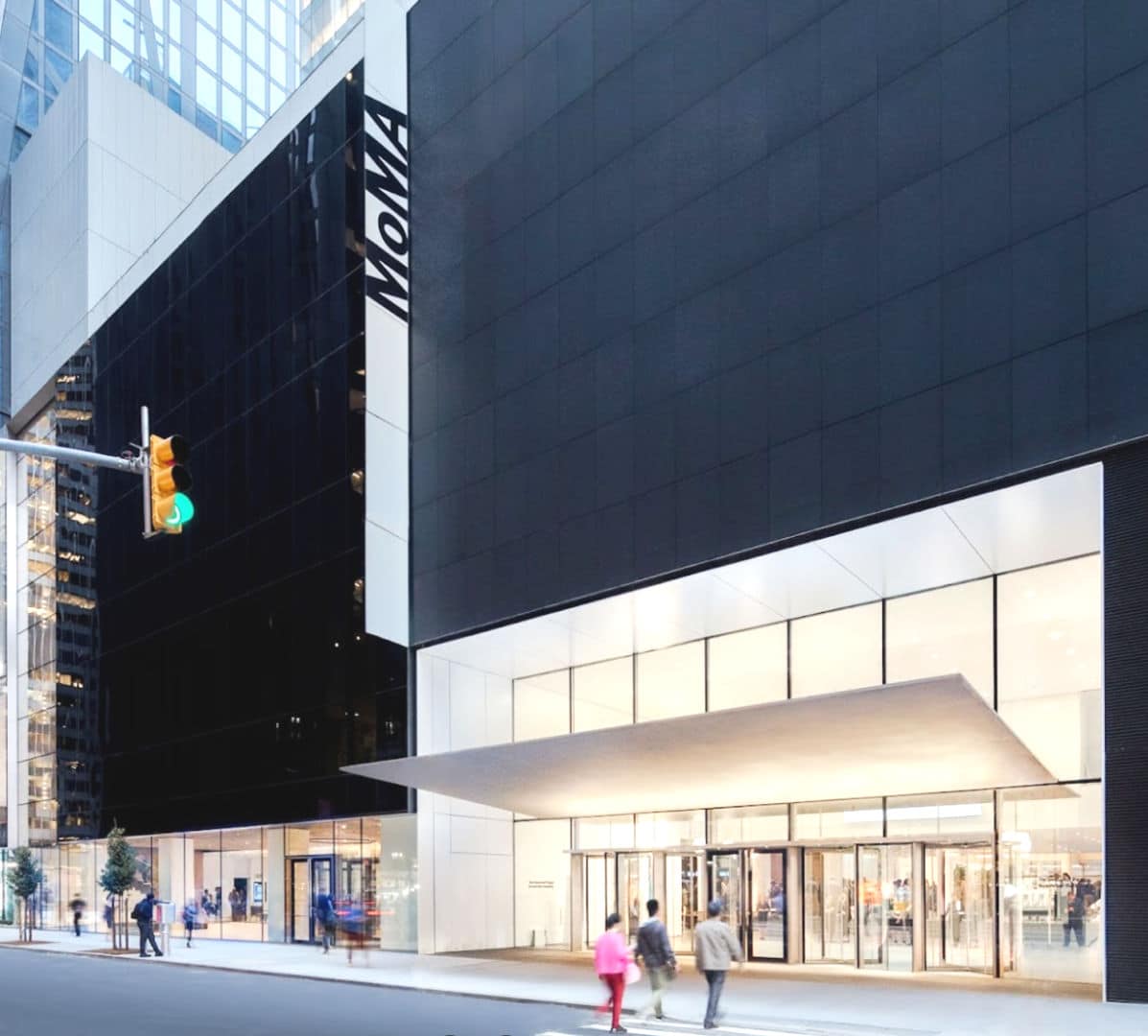
Les Demoiselles d’Avignon
#21
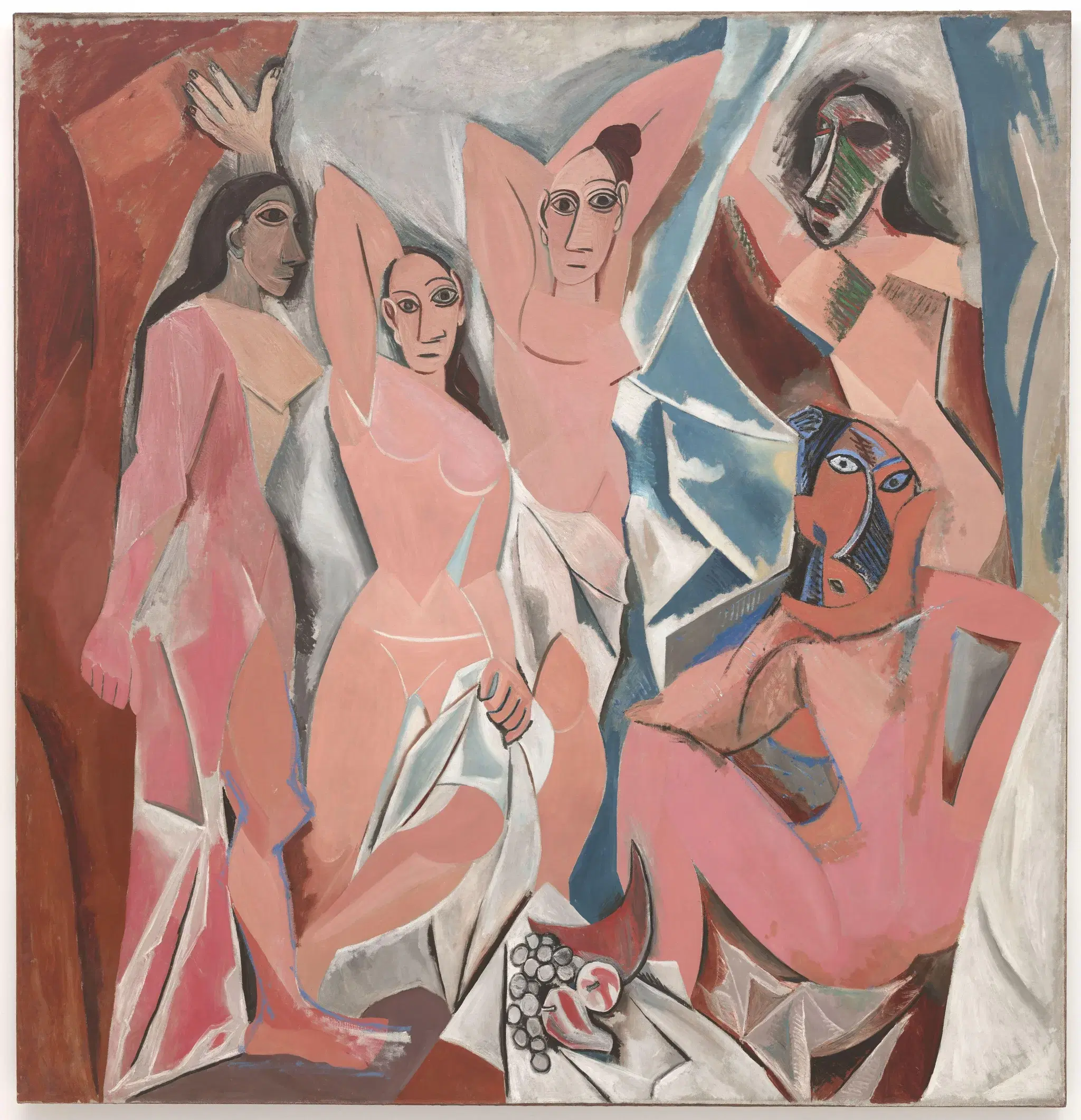
Meet the artist
Pablo Picasso1881–1973Spanish
Dates
1907
Specifications
- Original title
- Les Demoiselles d'Avignon
- Dimensions
- 243.9 × 233.7 cm
Wikimedia Commons
About the Artwork
Pablo Picasso's Les Demoiselles d’Avignon (The Young Ladies of Avignon) is a monumental painting that depicts five nude female figures, generally interpreted as prostitutes, within what might be a brothel. The figures, while seemingly female, are rendered with a shocking degree of abstraction. The painting breaks with traditional perspective and idealized representation, employing angular forms, flattened planes, and fractured space. The two figures on the right exhibit features strongly influenced by African masks, reflecting Picasso's (and many other artists') fascination with non-Western art during this period.
Completed in 1907, Les Demoiselles d’Avignon is considered a pivotal work in the development of Cubism, a revolutionary art movement that Picasso co-founded with Georges Braque. The painting's radical departure from traditional artistic conventions shocked critics and fellow artists alike upon its initial unveiling. It challenged the established norms of beauty and representation, paving the way for a new era of experimentation and abstraction in modern art. This painting marks a decisive break from naturalism and foreshadows the fragmented and multi-perspectival views characteristic of Cubist works.
The historical significance of Les Demoiselles d’Avignon lies in its groundbreaking artistic techniques and its influence on subsequent generations of artists. It challenged the very definition of painting, forcing viewers to confront new ways of seeing and interpreting the world. The work's boldness and innovation made it a cornerstone of modern art, inspiring artists to explore new forms of expression and to push the boundaries of what was considered acceptable in the art world. It remains a potent symbol of artistic revolution and a testament to Picasso's enduring legacy.
How to experience it
look at the fractured space before trying to identify a setting
Don’t stop here
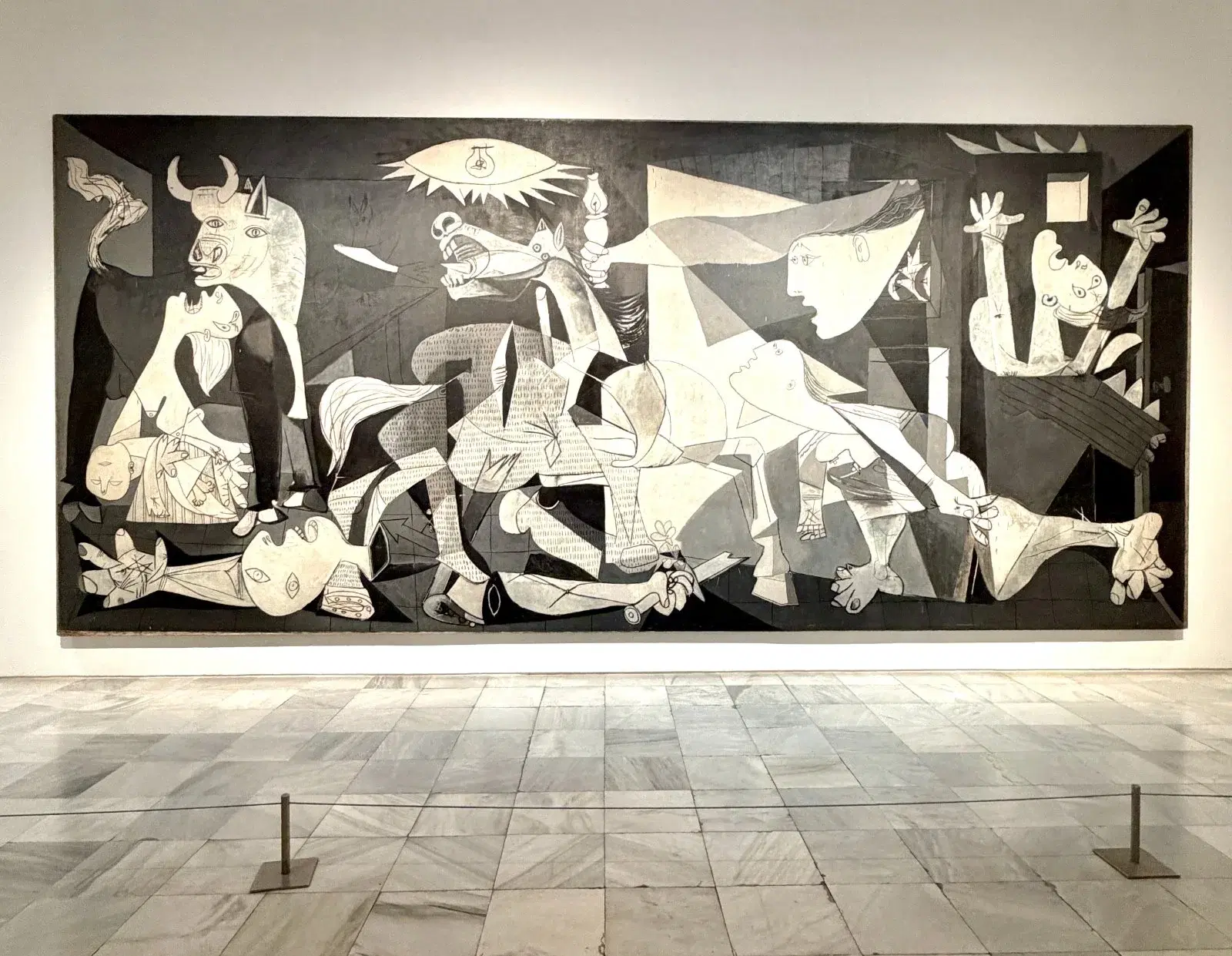
More to explore by Pablo Picasso
Same feeling, different artists
Similar Works by Other Artists
Keep exploring
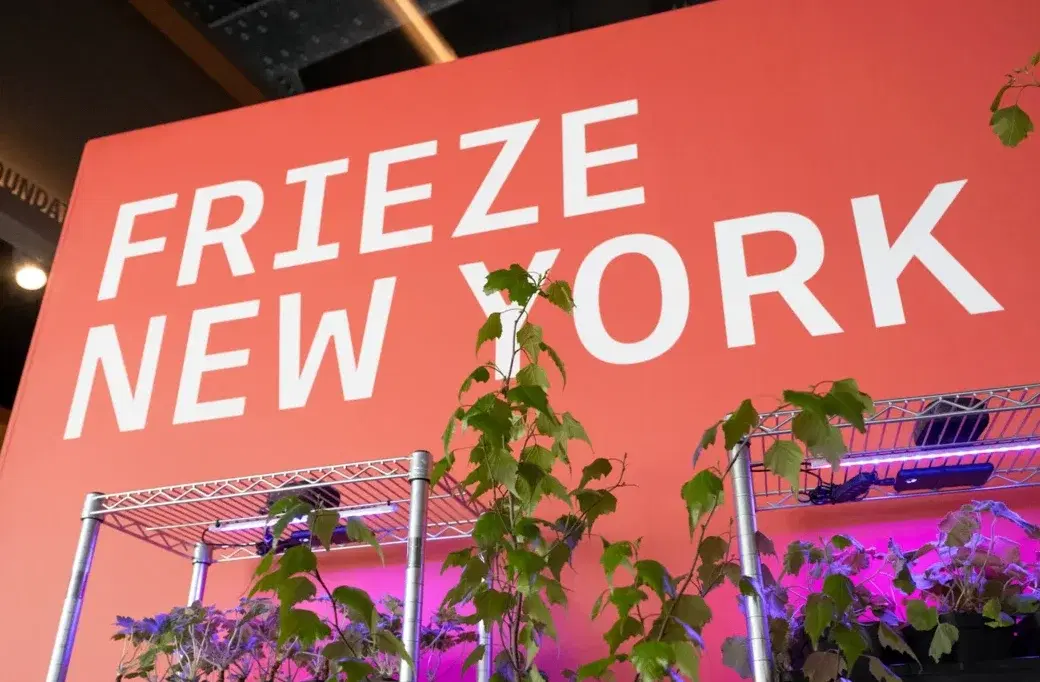
Ends soon
Frieze New York 2026
13 May – 17 May 2026
The Shed New York
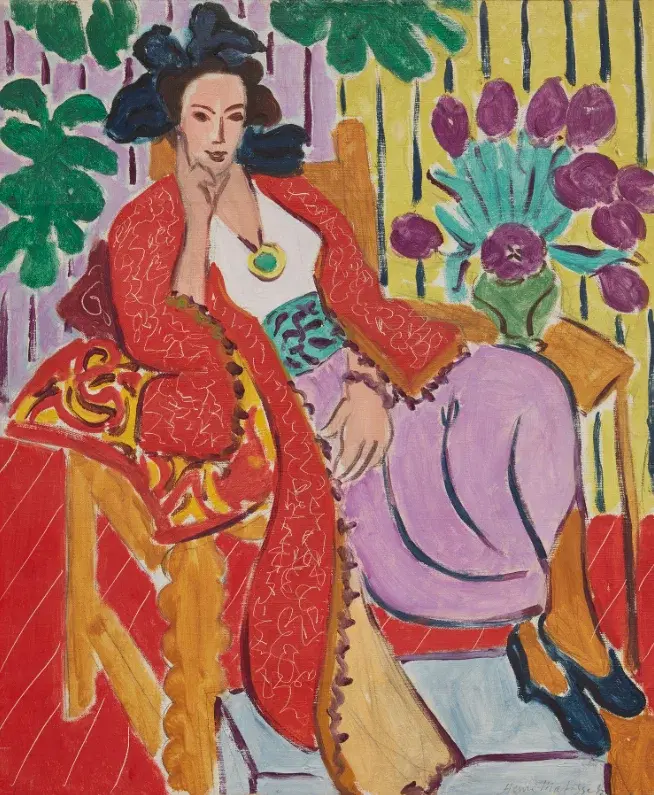
Matisse. The Pursuit of Harmony
9 Apr – 22 May 2026
Acquavella Galleries
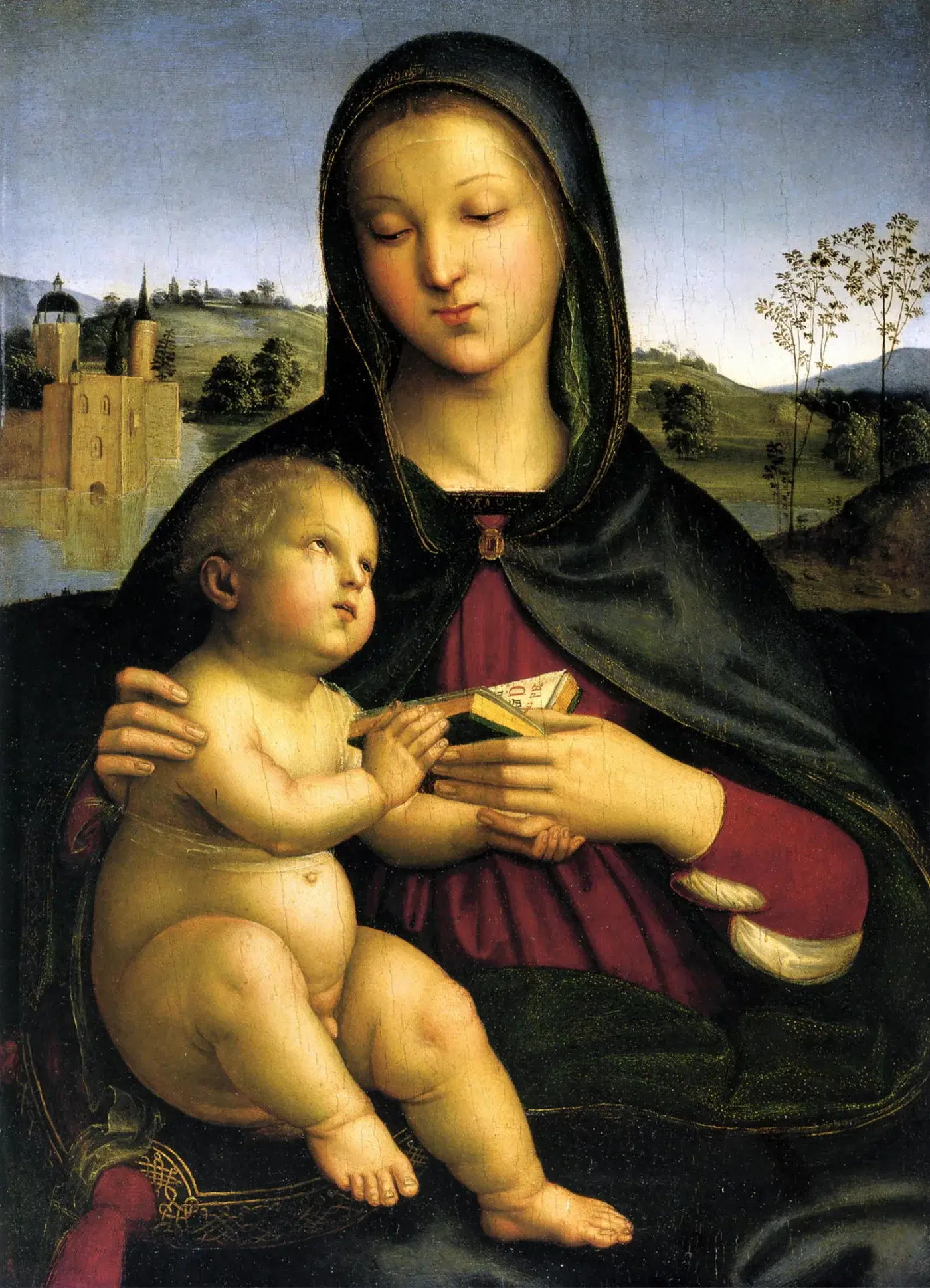
Raphael: Sublime Poetry
29 Mar – 28 Jun 2026
Metropolitan Museum of Art
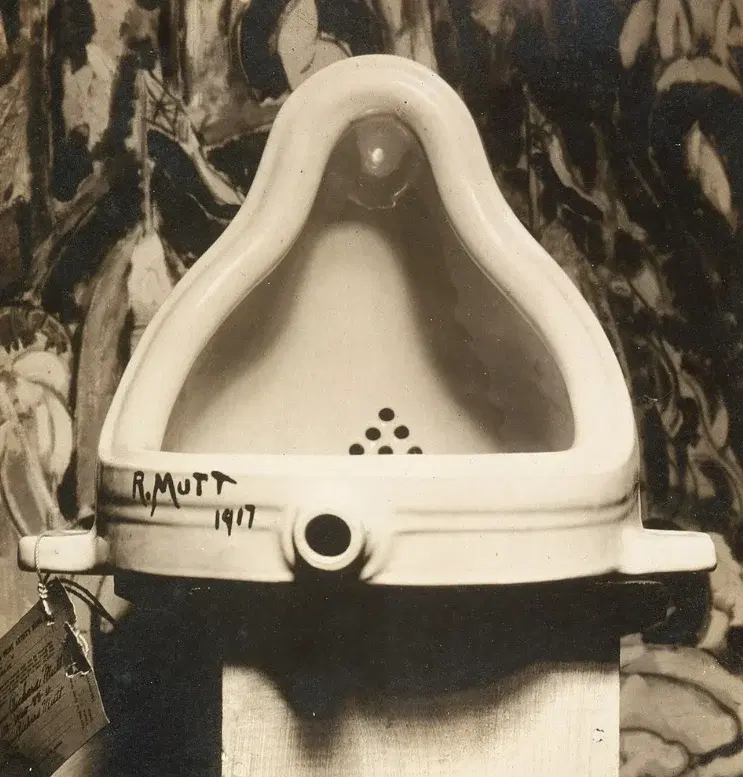
Marcel Duchamp
13 Apr – 22 Aug 2026
MoMA The Museum of Modern Art

Whitney Biennial 2026
8 Mar – 23 Aug 2026
Whitney Museum of American Art
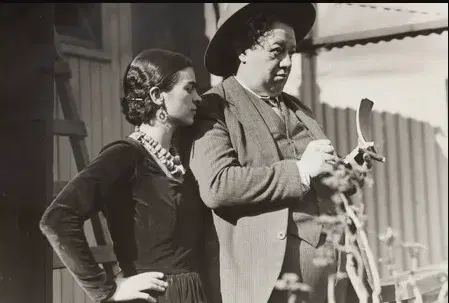
Frida and Diego. The Last Dream.
1 Apr – 12 Sep 2026
MoMA The Museum of Modern Art
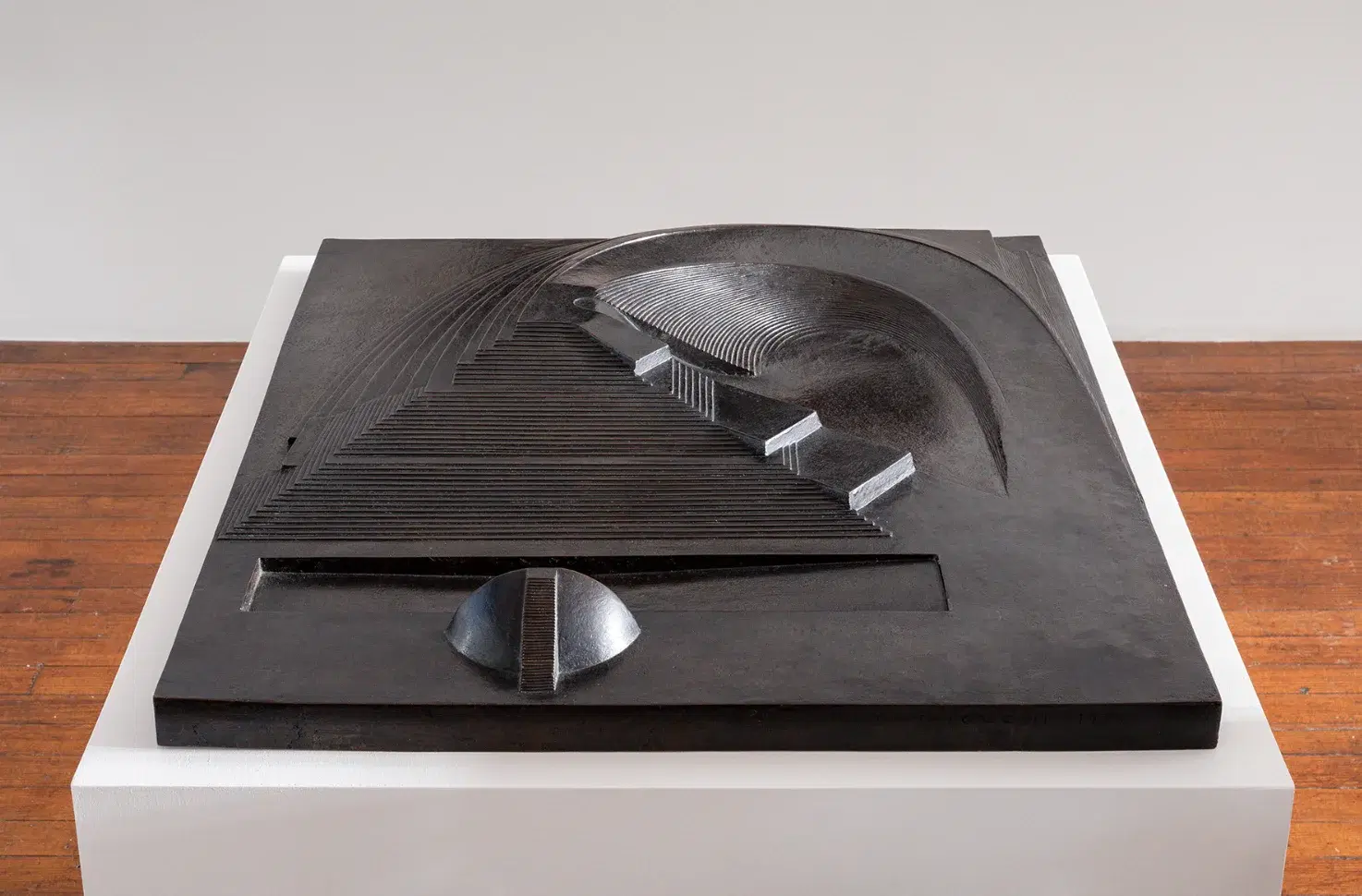
Noguchi’s New York
4 Feb – 13 Sep 2026
The Noguchi Museum
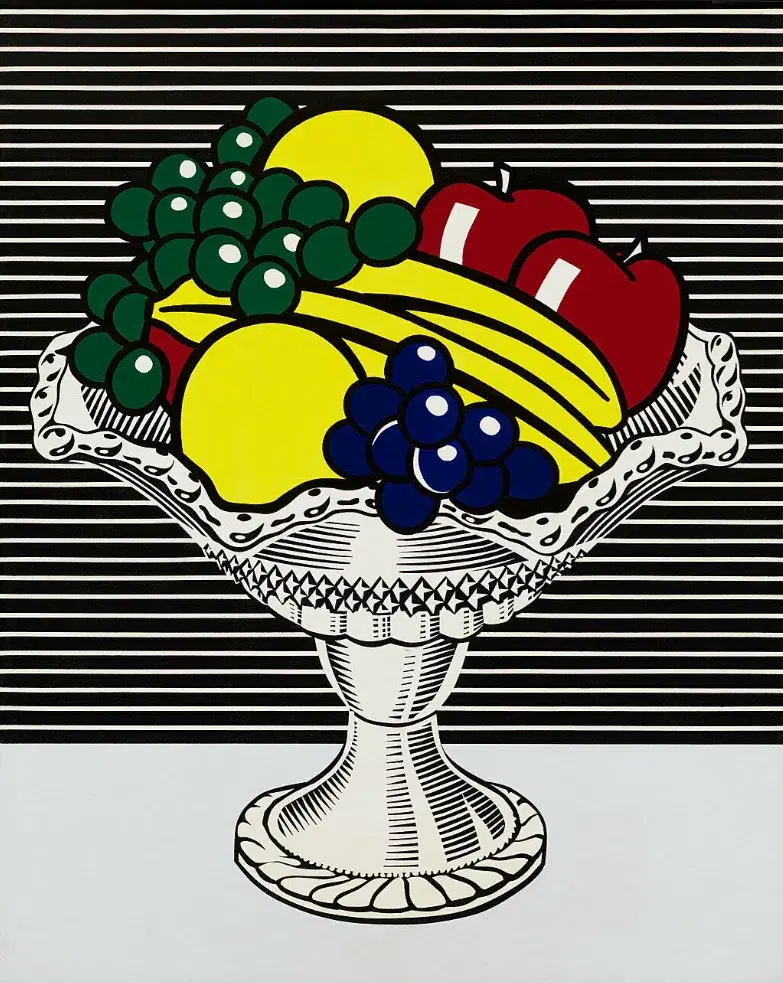
Roy Lichtenstein
1 Oct 2026 – 1 Jan 2027
Whitney Museum of American Art
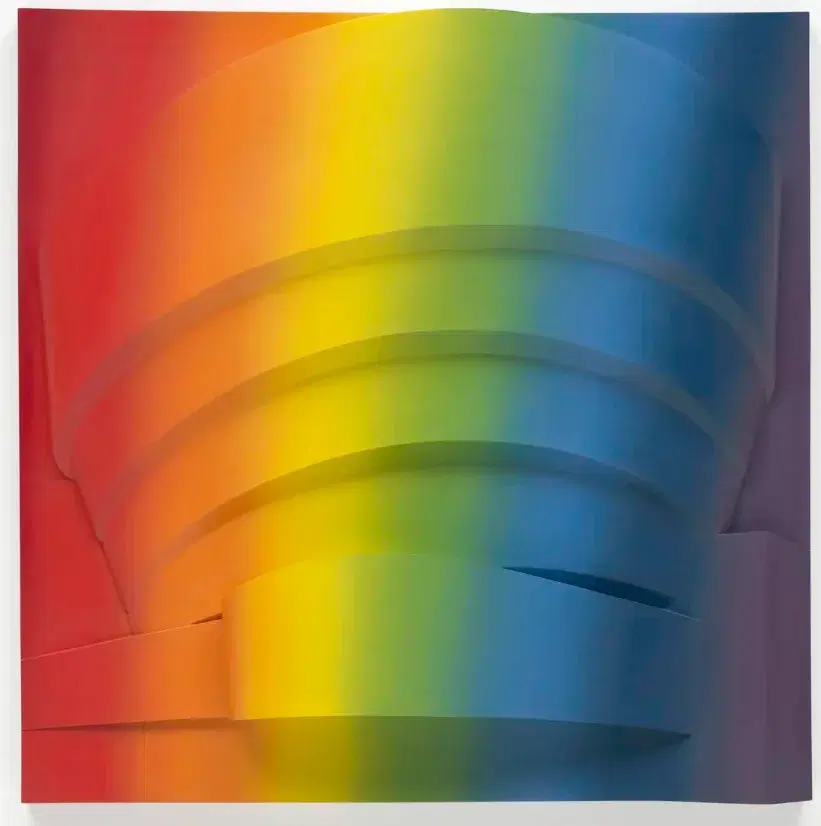
Guggenheim Pop
5 Jun 2026 – 10 Jan 2027
Solomon R. Guggenheim Museum
Moma Permanent Collection
MoMA The Museum of Modern Art