
Full Fathom Five
Meet the artist
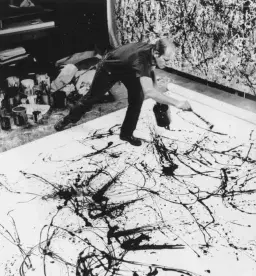
Jackson Pollock1912–1956American
Dates
1947
Specifications
- Movement
- Abstract Expressionism
- Medium
- Mixed Media, Oil Painting
- Genre
- Abstract
About the Artwork
Full Fathom Five, painted in 1947, stands as one of Jackson Pollock's earliest and most complex drip paintings, marking a decisive break from conventional technique. Rather than applying paint with a brush, Pollock poured and dripped oil across the canvas laid flat on the floor, building up layer upon layer of tangled skeins in blacks, whites, greens, and silvery grays. What distinguishes this canvas from his other poured works is the deliberate embedding of real objects — nails, tacks, buttons, a key, coins, cigarettes, and matchsticks — into the still-wet surface, turning the painting into something closer to a physical record of the artist's studio life.\n\nThe title, borrowed from Ariel's song in Shakespeare's The Tempest describing a corpse transformed beneath the sea, hints at the painting's brooding, submarine atmosphere. The all-over web of marks creates a sense of infinite depth, as though the viewer is looking through fathoms of dark water. Gifted by Pollock's patron Peggy Guggenheim to the Museum of Modern Art in New York, the painting measures approximately 129 by 76 centimeters. It remains one of MoMA's most studied works, having been the subject of a major conservation project that revealed extraordinary detail about Pollock's layering process and material choices.
Don’t stop here
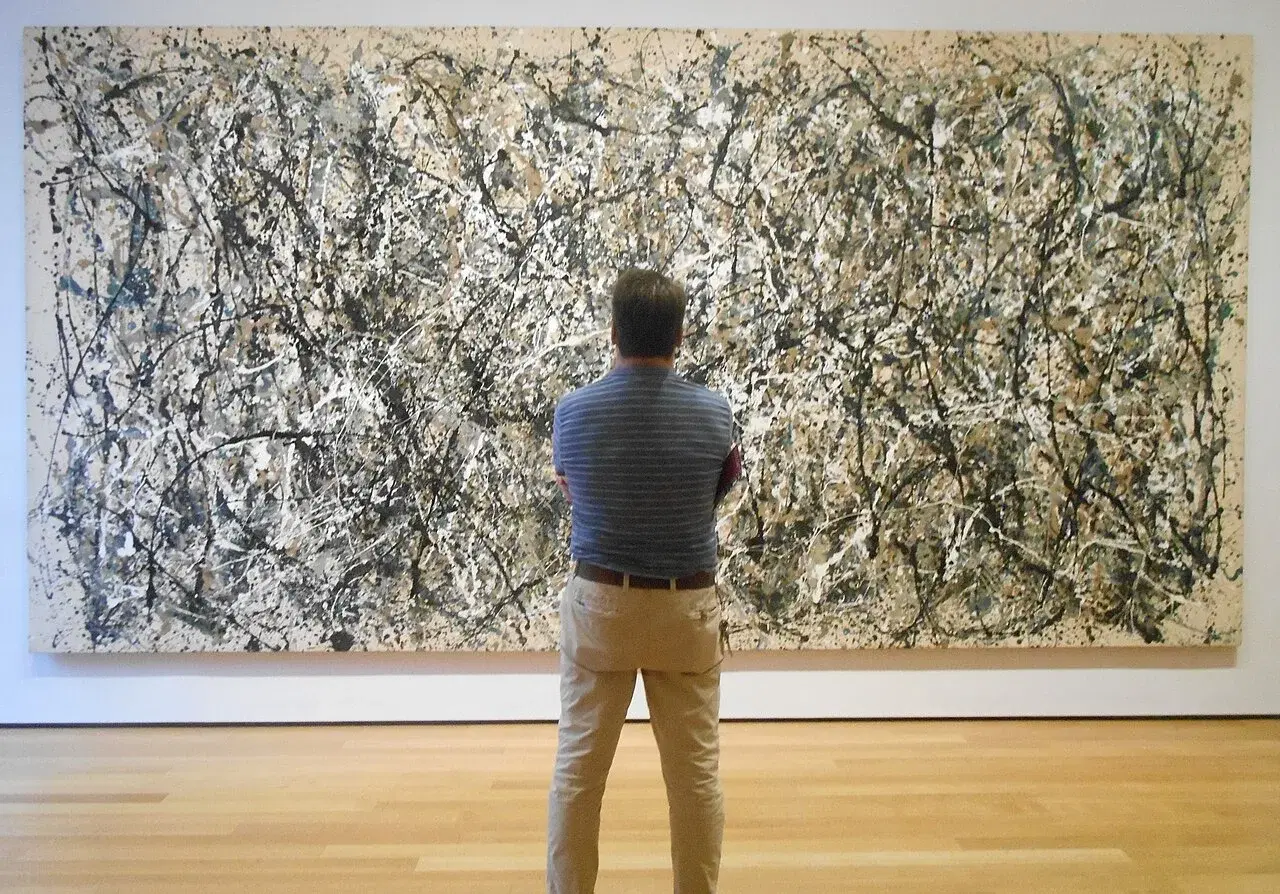
More to explore by Jackson Pollock
Same feeling, different artists
Similar Works by Other Artists
Keep exploring
Ends soon
Frieze New York 2026
13 May – 17 May 2026
The Shed New York
Matisse. The Pursuit of Harmony
9 Apr – 22 May 2026
Acquavella Galleries
Raphael: Sublime Poetry
29 Mar – 28 Jun 2026
Metropolitan Museum of Art
Marcel Duchamp
13 Apr – 22 Aug 2026
MoMA The Museum of Modern Art

Whitney Biennial 2026
8 Mar – 23 Aug 2026
Whitney Museum of American Art
Frida and Diego. The Last Dream.
1 Apr – 12 Sep 2026
MoMA The Museum of Modern Art
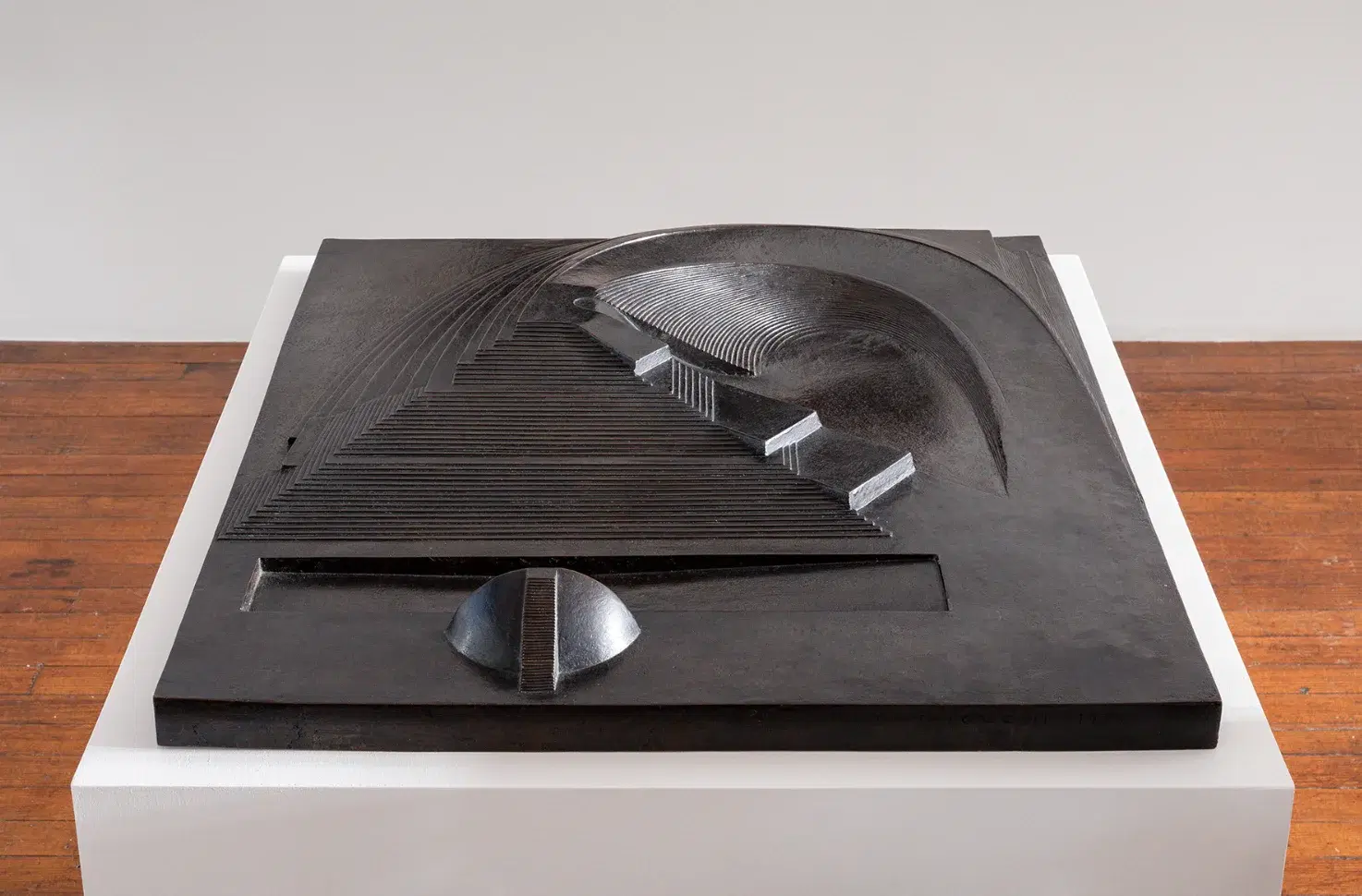
Noguchi’s New York
4 Feb – 13 Sep 2026
The Noguchi Museum
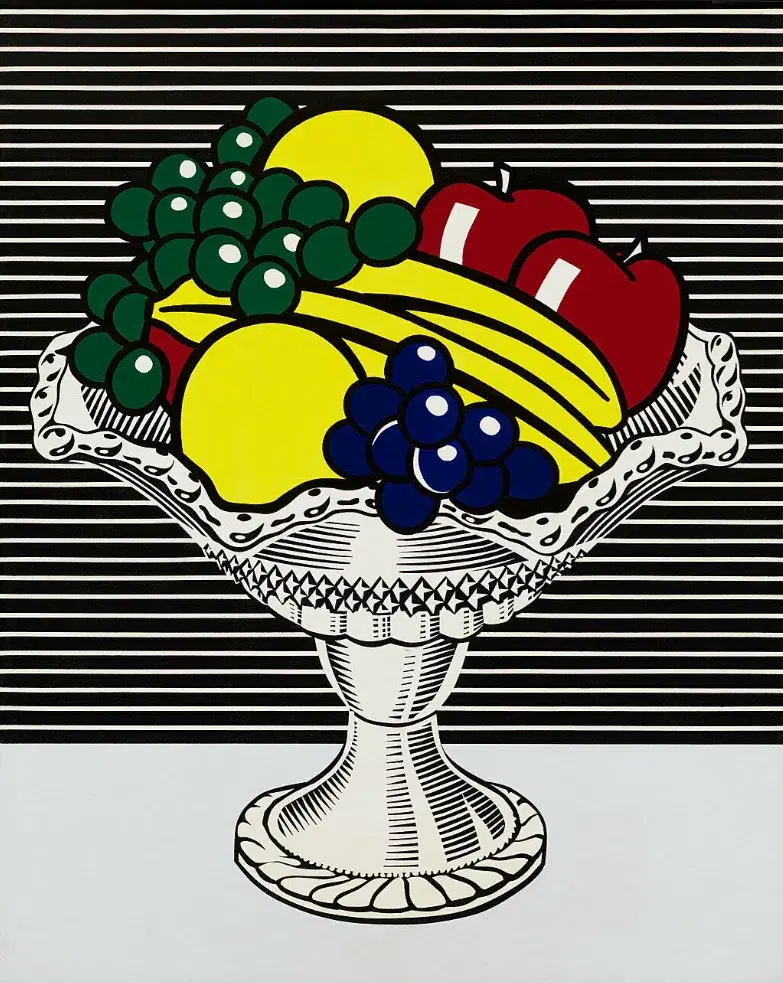
Roy Lichtenstein
1 Oct 2026 – 1 Jan 2027
Whitney Museum of American Art
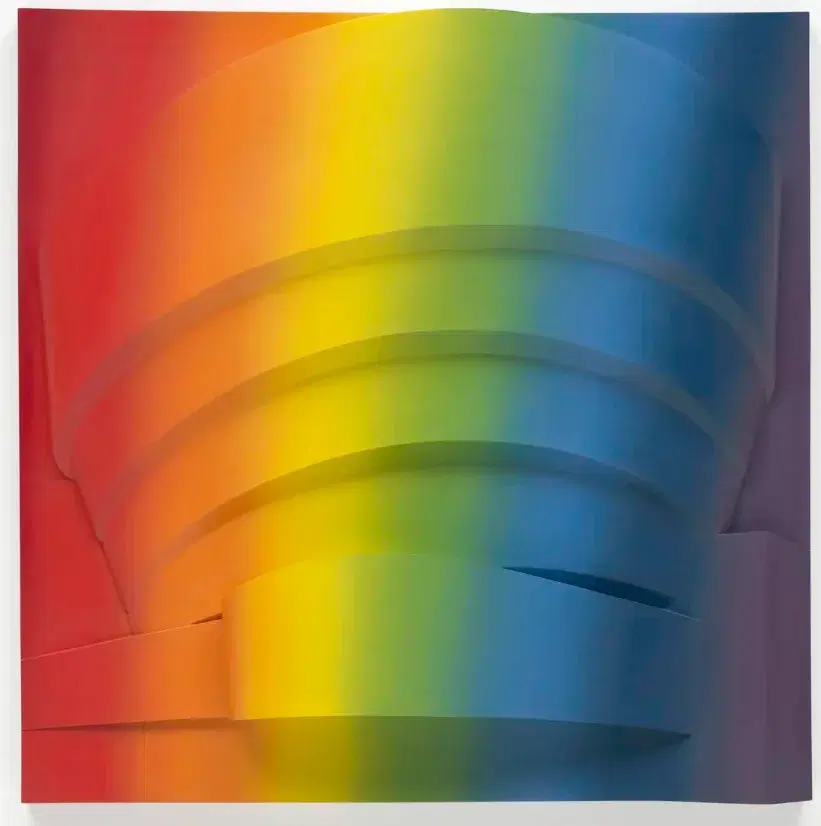
Guggenheim Pop
5 Jun 2026 – 10 Jan 2027
Solomon R. Guggenheim Museum
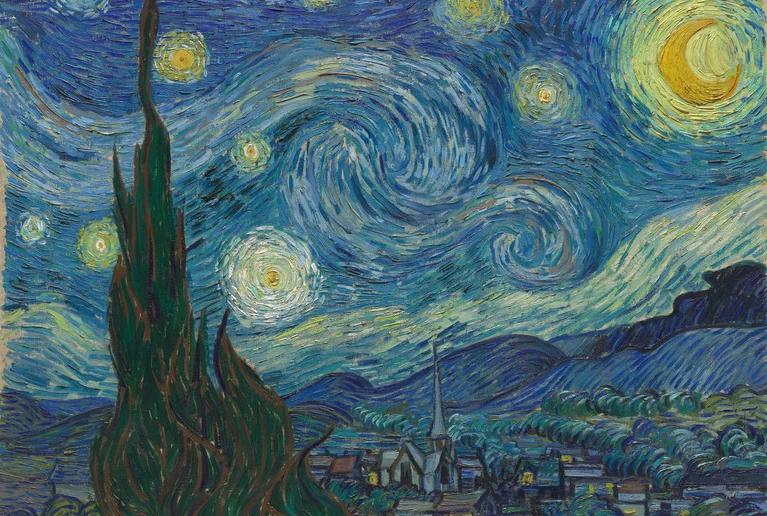
Moma Permanent Collection
MoMA The Museum of Modern Art