
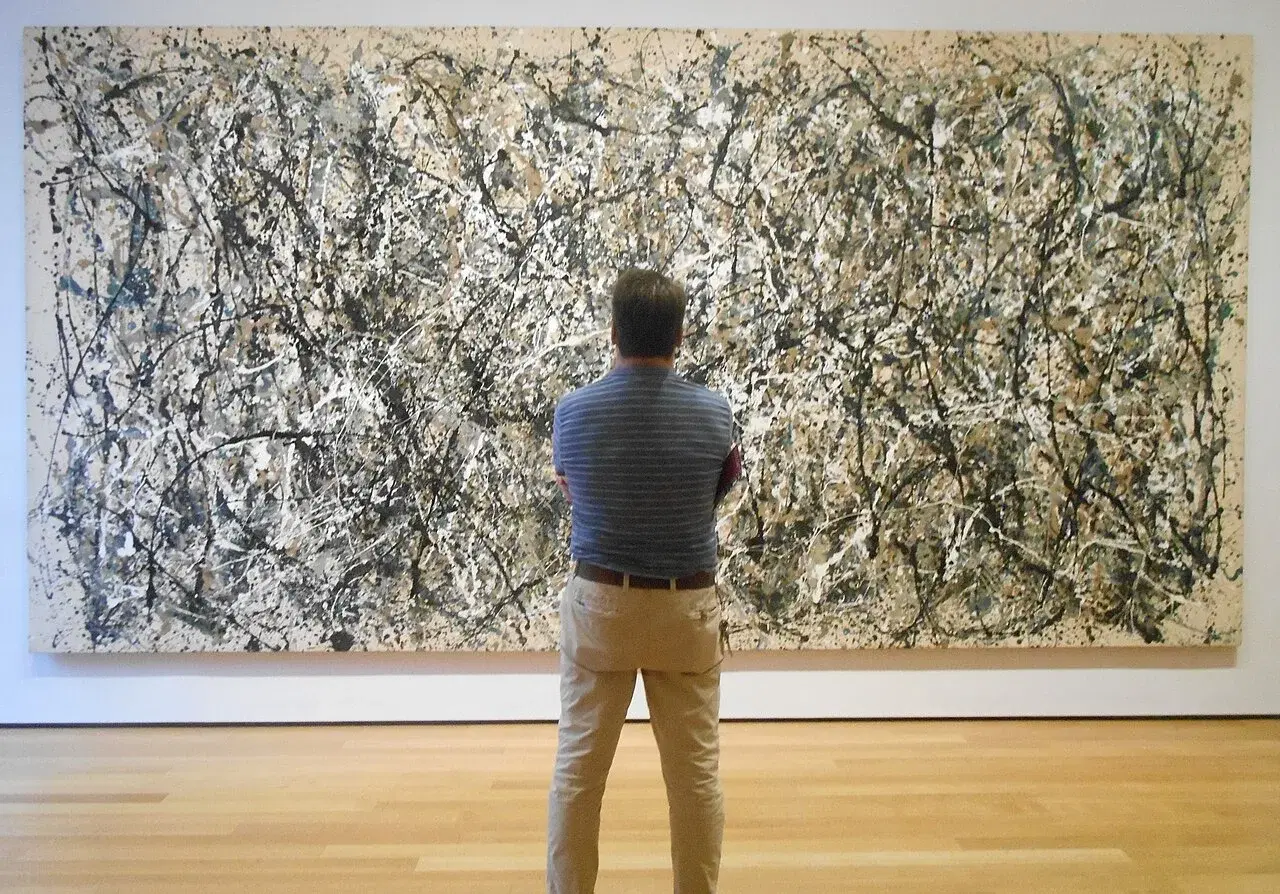
One: Number 31, 1950
#91
Meet the artist
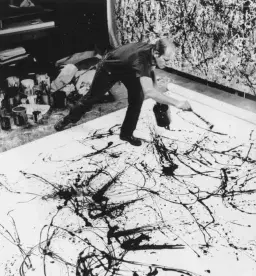
Jackson Pollock1912–1956American
Dates
1950
Specifications
- Dimensions
- 269.5 × 530.8 cm
Wikimedia Commons
About the Artwork
Jackson Pollock's "One: Number 31, 1950" is a monumental abstract expressionist painting that explodes with energy and dynamism. Rather than depicting a recognizable subject, Pollock created a complex web of dripped, poured, and flung paint across a vast canvas. The intertwined layers of vibrant colors – primarily yellows, reds, blues, and silvers – create a visual tapestry that invites viewers to immerse themselves in its swirling depths. The scale of the work, spanning nearly nine feet in height and seventeen feet in width, further amplifies this immersive experience, encouraging a physical and emotional response to the artwork.
This painting holds significant historical importance as a prime example of Abstract Expressionism, a movement that redefined art in the mid-20th century. Pollock's radical technique, often referred to as "drip painting" or "action painting," involved placing the canvas on the floor and using sticks, brushes, or even directly pouring paint from cans. This innovative approach liberated the artist from traditional painting methods and allowed for a more spontaneous and intuitive process. "One: Number 31, 1950" showcases this revolutionary technique, reflecting the postwar anxieties and existential questioning that characterized the Abstract Expressionist movement. It pushed the boundaries of what painting could be, influencing generations of artists to come.
Beyond its historical context, "One: Number 31, 1950" matters because it challenges viewers to engage with art on a purely visual and emotional level. There is no narrative to decipher, no hidden meaning to uncover. Instead, the painting invites us to experience the raw energy and emotion of the artist's process. It is a testament to the power of abstraction to evoke feeling and provoke thought. The artwork serves as a compelling demonstration of how non-representational forms and colors can communicate ideas and emotions, solidifying Pollock's legacy as a pivotal figure in modern art history.
How to experience it
see it first as a whole field, then inspect the pours and skeins
Don’t stop here
More to explore by Jackson Pollock
Same feeling, different artists
Similar Works by Other Artists

Keep exploring
Ends soon
Frieze New York 2026
13 May – 17 May 2026
The Shed New York
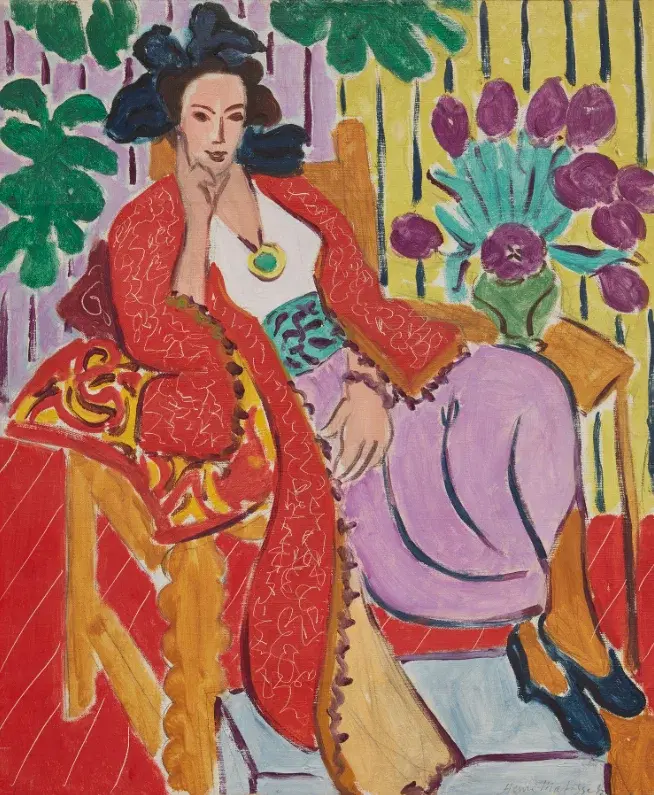
Matisse. The Pursuit of Harmony
9 Apr – 22 May 2026
Acquavella Galleries
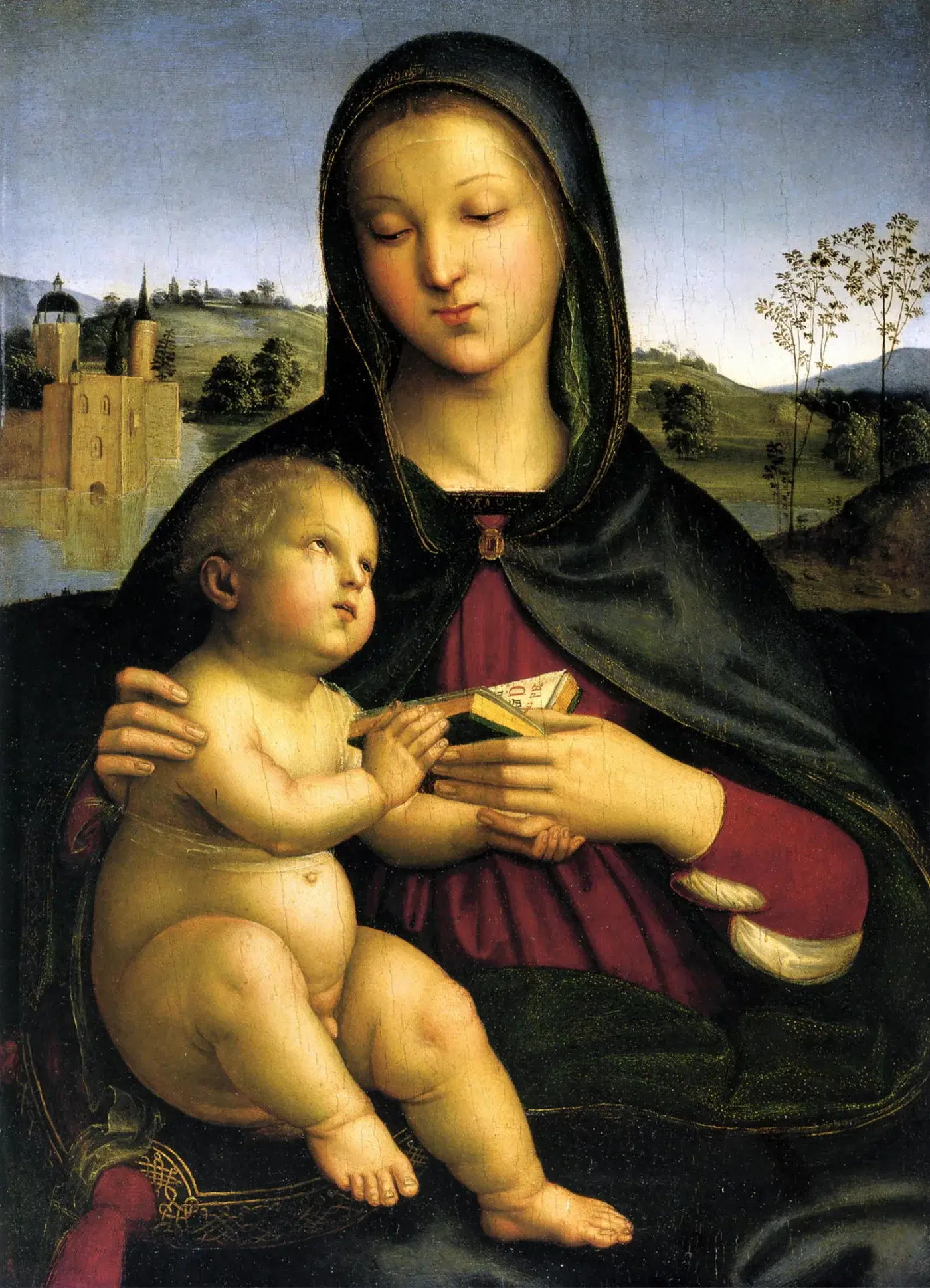
Raphael: Sublime Poetry
29 Mar – 28 Jun 2026
Metropolitan Museum of Art
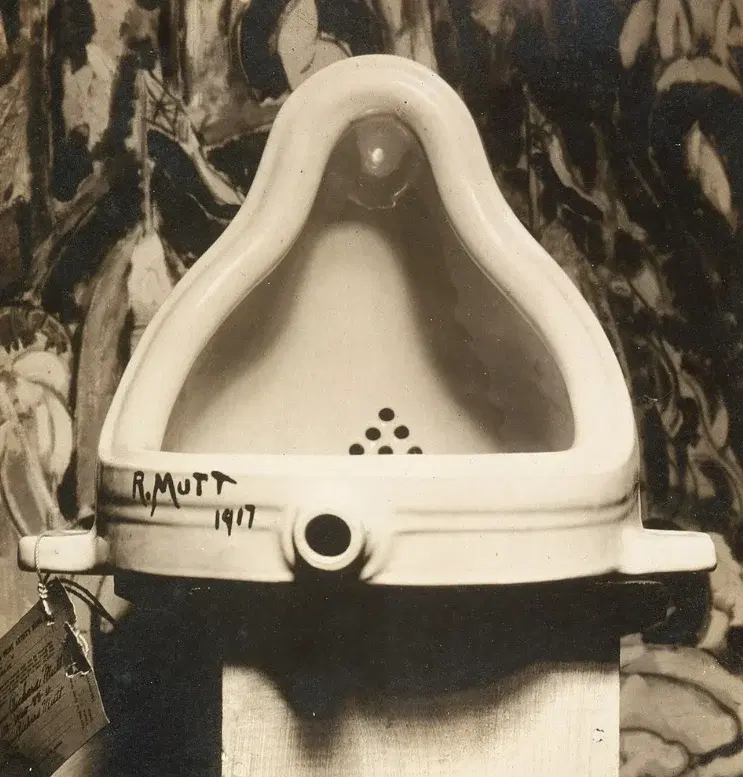
Marcel Duchamp
13 Apr – 22 Aug 2026
MoMA The Museum of Modern Art

Whitney Biennial 2026
8 Mar – 23 Aug 2026
Whitney Museum of American Art
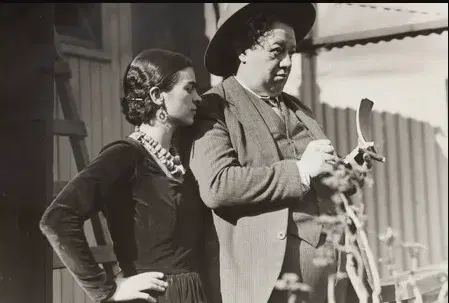
Frida and Diego. The Last Dream.
1 Apr – 12 Sep 2026
MoMA The Museum of Modern Art
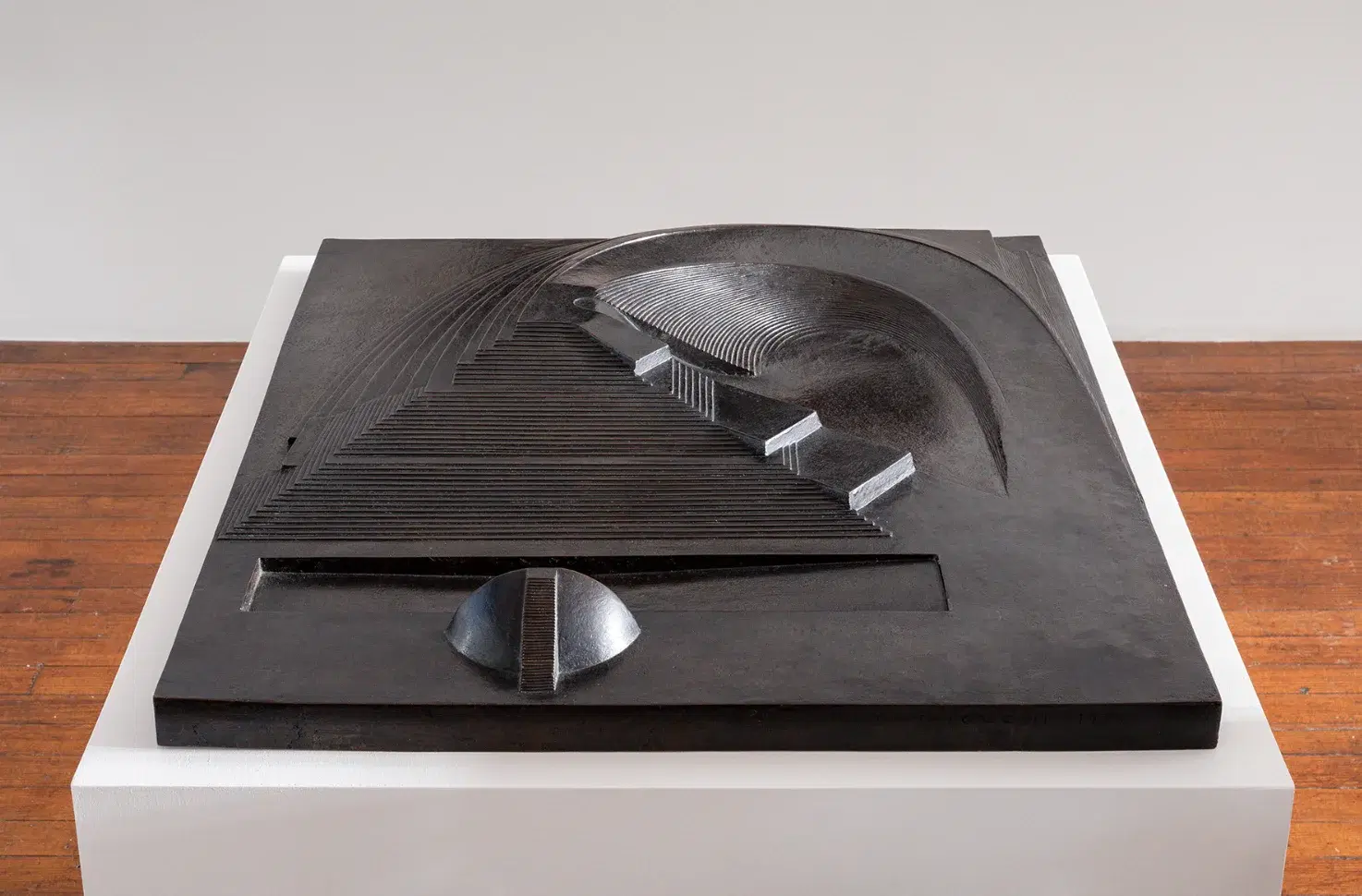
Noguchi’s New York
4 Feb – 13 Sep 2026
The Noguchi Museum
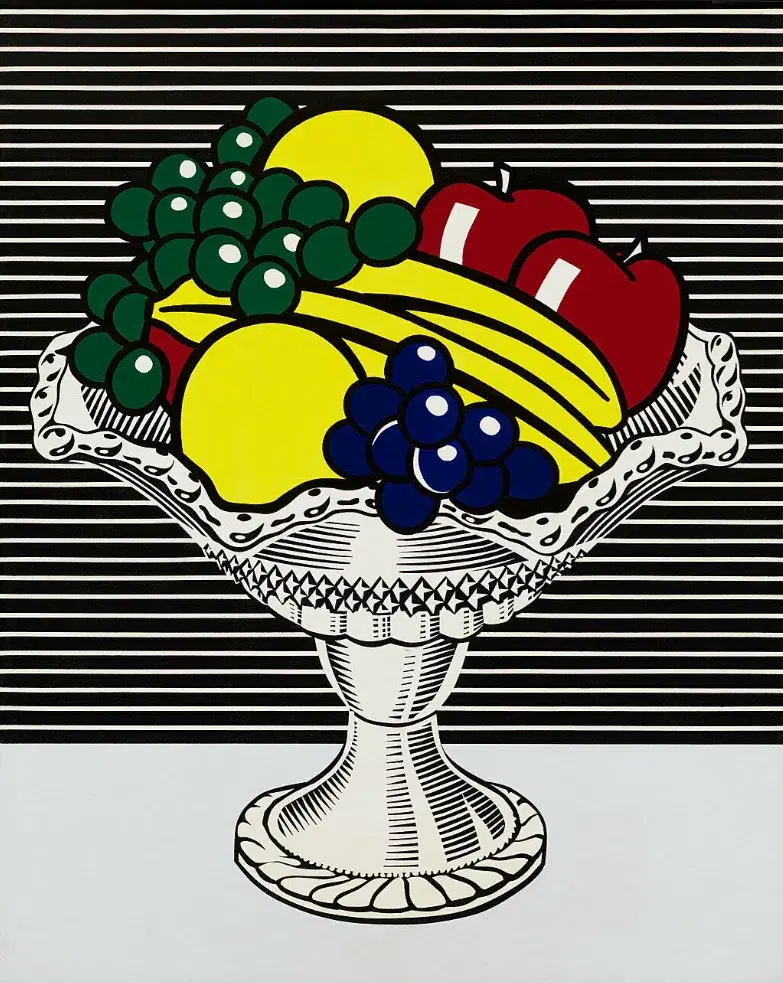
Roy Lichtenstein
1 Oct 2026 – 1 Jan 2027
Whitney Museum of American Art
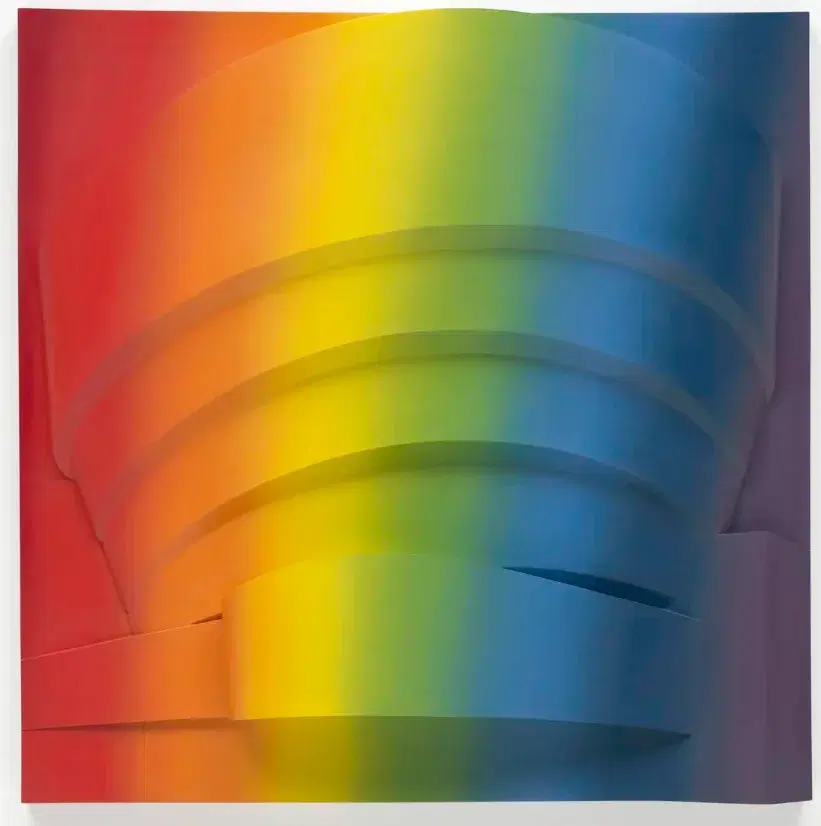
Guggenheim Pop
5 Jun 2026 – 10 Jan 2027
Solomon R. Guggenheim Museum
Moma Permanent Collection
MoMA The Museum of Modern Art