
Vir Heroicus Sublimis
#90

Meet the artist
BBarnett Newman1905–1970American
Dates
1950–1951
Specifications
- Dimensions
- 242.2 × 541.7 cm
Wikimedia Commons
About the Artwork
Barnett Newman's Vir Heroicus Sublimis, Latin for "Man, Heroic and Sublime," stands as a monumental achievement within the abstract expressionist movement. Completed in 1951, this immense canvas, measuring nearly 8 by 18 feet, engulfs the viewer in a sea of saturated red. Newman, a key figure in chromatic abstraction, prioritizes color as the primary means of expression, eschewing the gestural emphasis found in other abstract styles. The painting's vast scale and intense color are intended to elicit a visceral reaction, inviting viewers to confront their own emotional and psychological responses, divorced from societal conventions. Its historical significance lies in its radical simplification of form, paving the way for the color field painters who would follow.
Newman's artistic technique in Vir Heroicus Sublimis is deceptively simple. The canvas is dominated by a single, subtly modulated red field, punctuated by four vertical bands, or "zips," as Newman called them. These zips, far from being separate elements, are integral to the painting's structure. Newman himself explained that they provide scale and contrast to the vast color field, creating a sense of depth and activating the surrounding space. This innovative use of color and line challenges traditional notions of composition, inviting viewers to engage with the work on a purely sensory and emotional level.
Vir Heroicus Sublimis matters because it represents a profound shift in artistic thinking. Newman's work, while abstract, is deeply concerned with the human condition. By stripping away representational elements and focusing on the power of color and form, he sought to tap into a collective unconscious, prompting viewers to confront their own feelings about tragedy and transcendence. The painting's imposing size further enhances its impact, creating an immersive experience that invites contemplation and self-reflection. Its presence in the Museum of Modern Art's permanent collection solidifies its status as a pivotal work in the history of modern art, continuing to inspire and challenge audiences today.
How to experience it
stand at different distances to feel the work expand around you
Same feeling, different artists
Similar Works by Other Artists
Keep exploring
Ends soon
Frieze New York 2026
13 May – 17 May 2026
The Shed New York
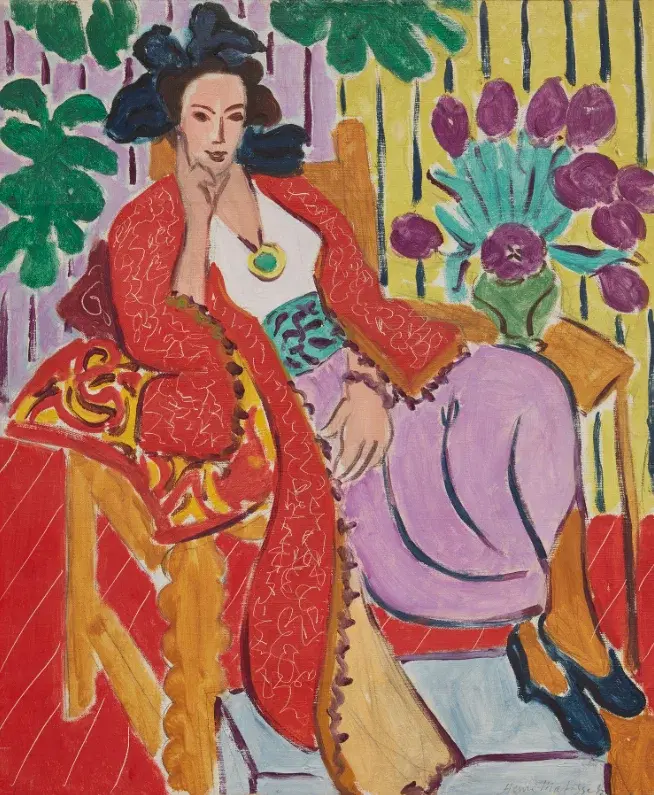
Matisse. The Pursuit of Harmony
9 Apr – 22 May 2026
Acquavella Galleries
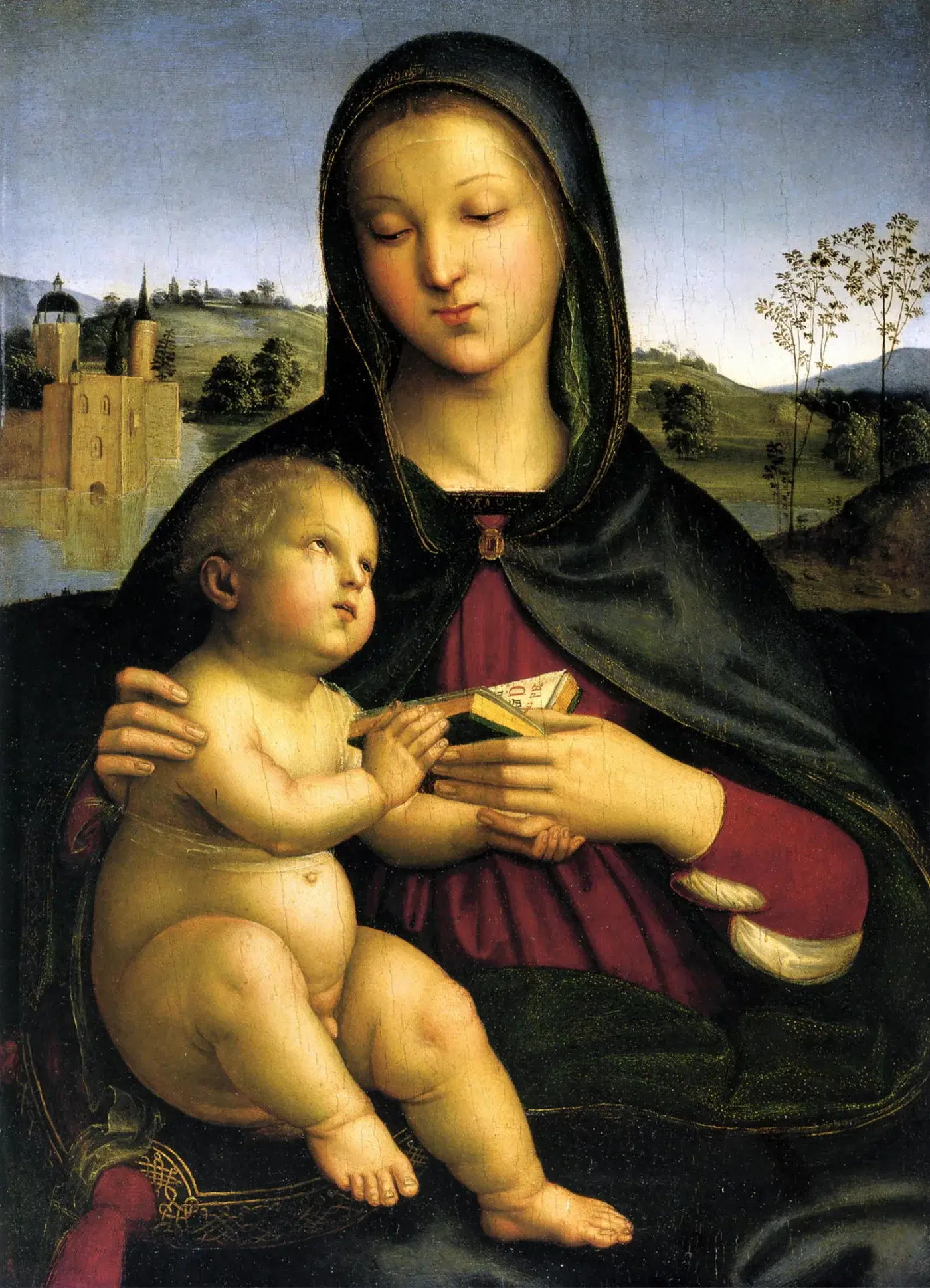
Raphael: Sublime Poetry
29 Mar – 28 Jun 2026
Metropolitan Museum of Art

Marcel Duchamp
13 Apr – 22 Aug 2026
MoMA The Museum of Modern Art

Whitney Biennial 2026
8 Mar – 23 Aug 2026
Whitney Museum of American Art
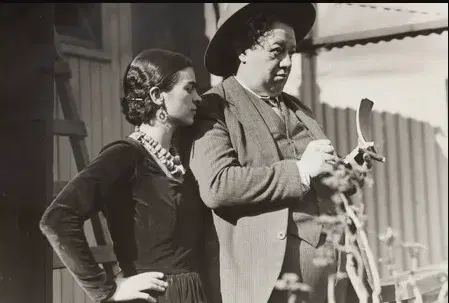
Frida and Diego. The Last Dream.
1 Apr – 12 Sep 2026
MoMA The Museum of Modern Art
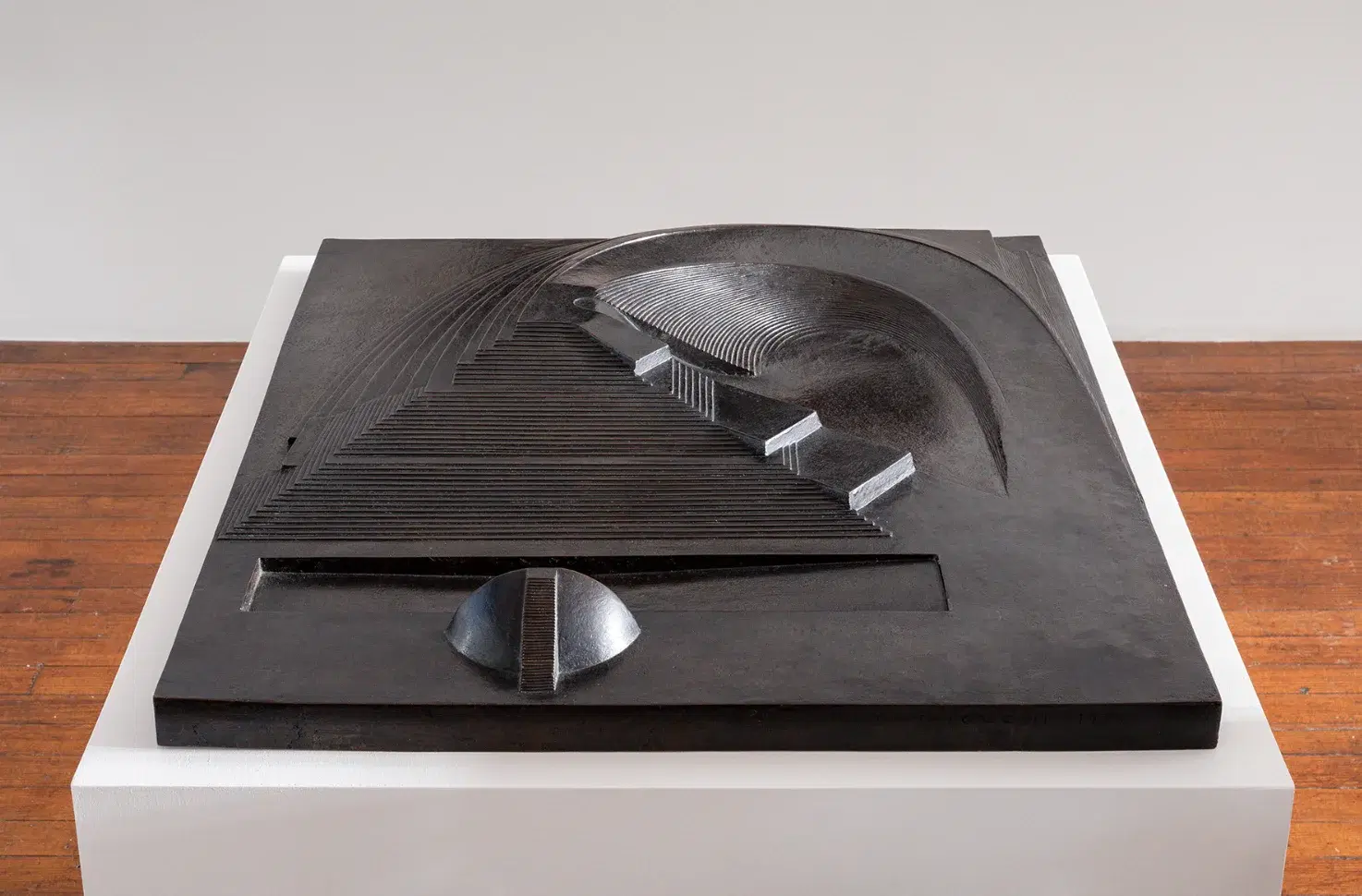
Noguchi’s New York
4 Feb – 13 Sep 2026
The Noguchi Museum
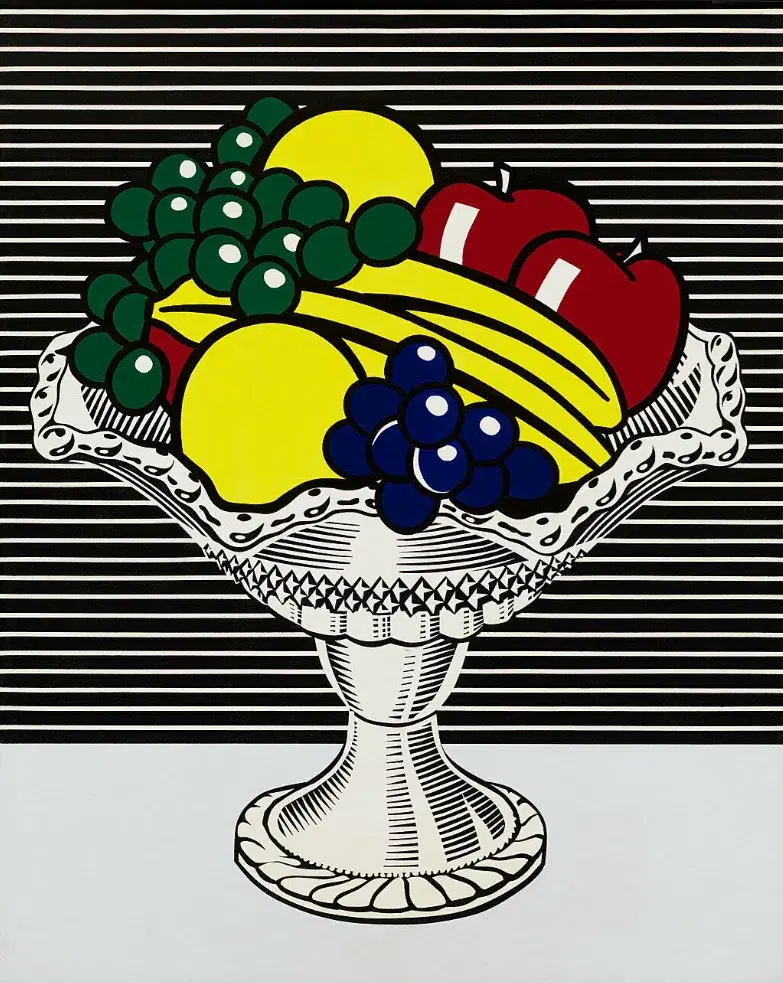
Roy Lichtenstein
1 Oct 2026 – 1 Jan 2027
Whitney Museum of American Art
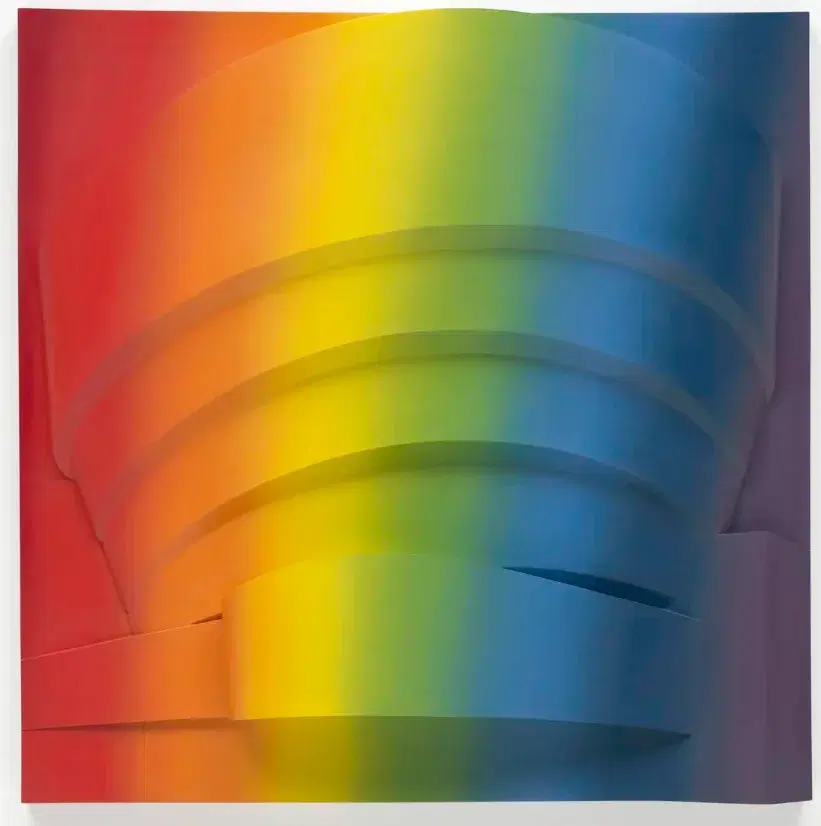
Guggenheim Pop
5 Jun 2026 – 10 Jan 2027
Solomon R. Guggenheim Museum
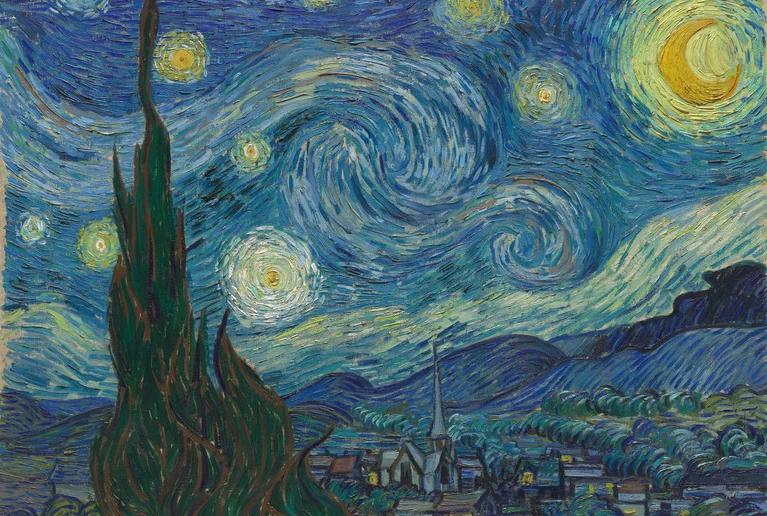
Moma Permanent Collection
MoMA The Museum of Modern Art