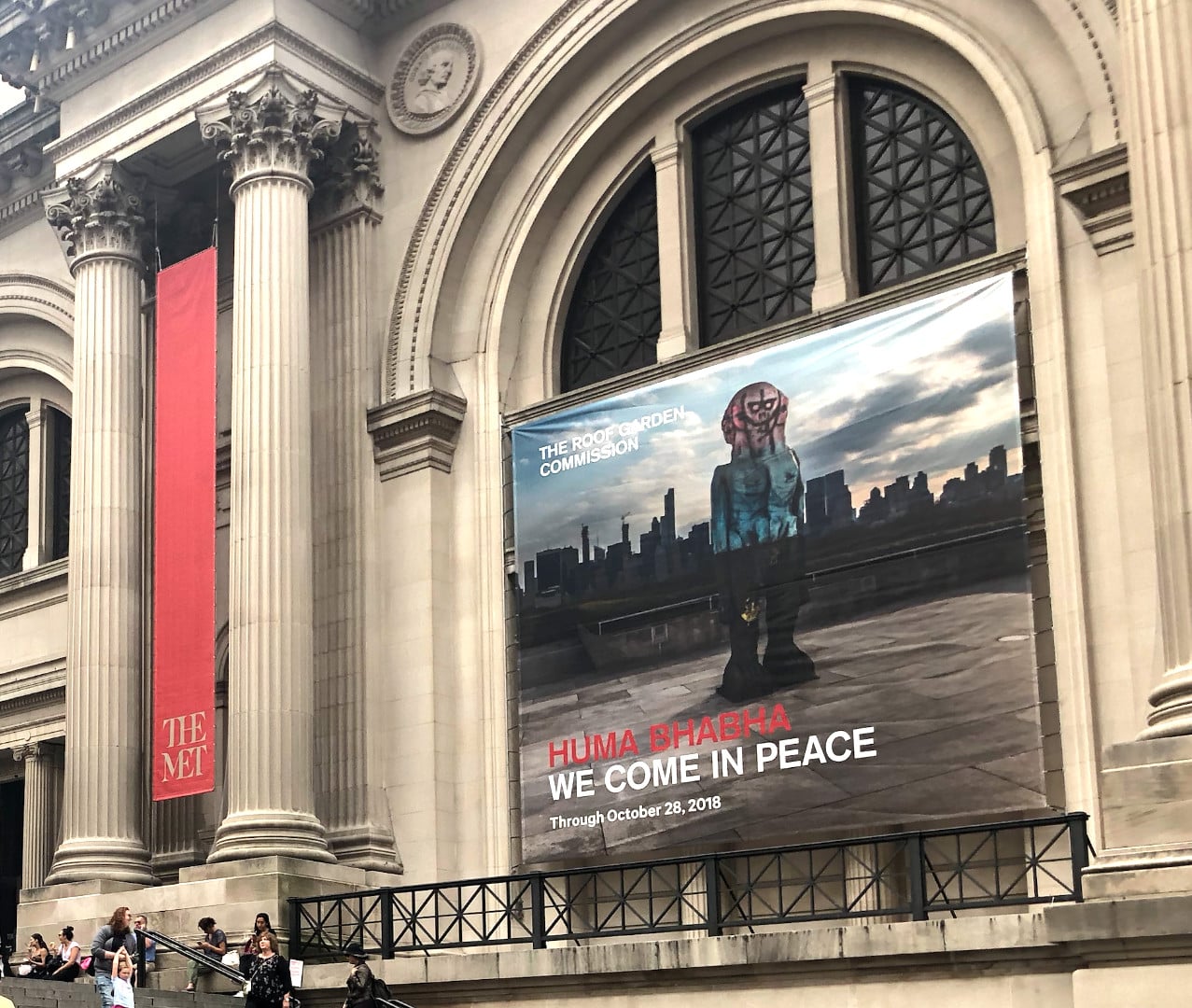
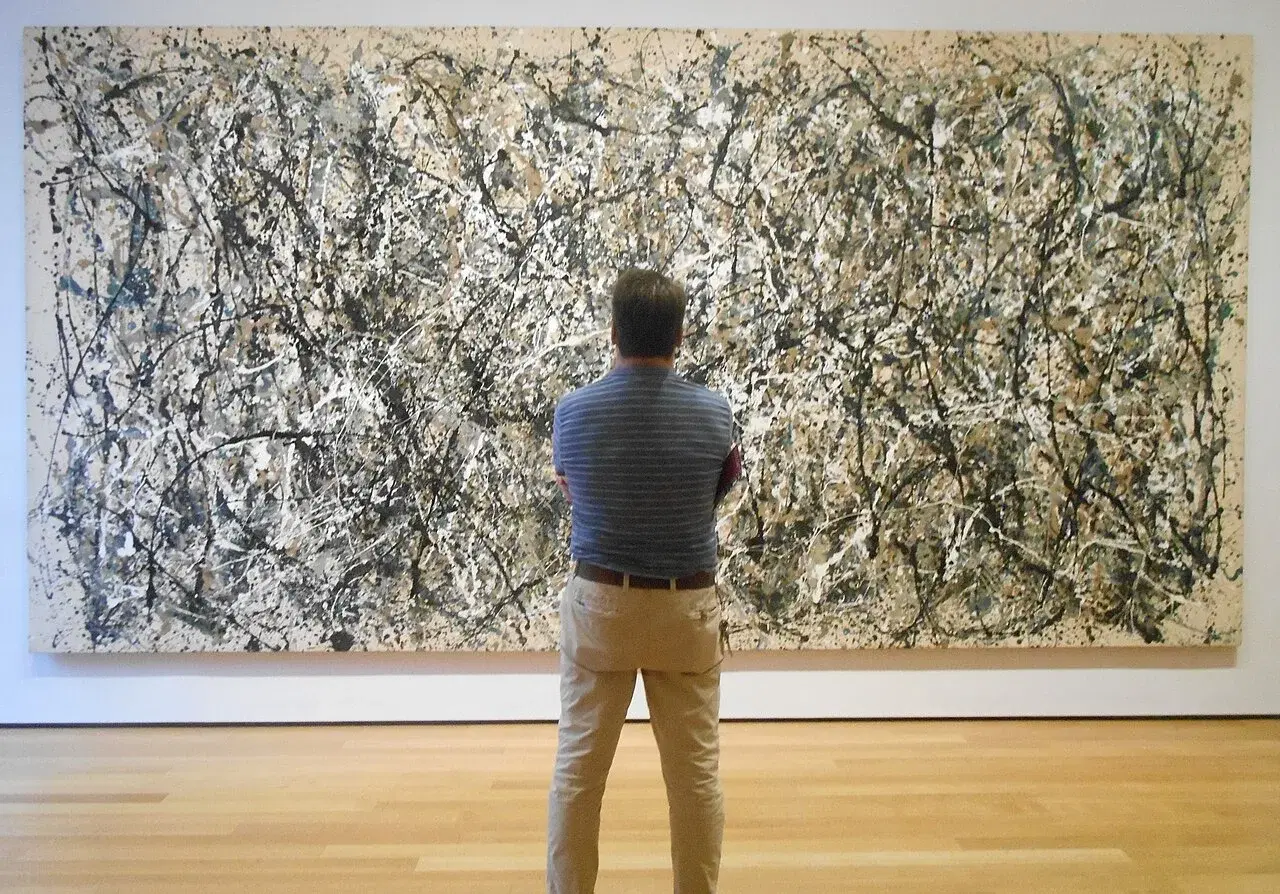
Autumn Rhythm (Number 30)
Meet the artist
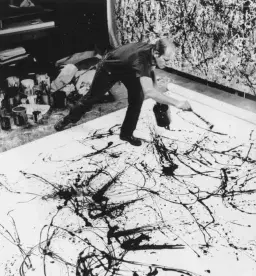
Jackson Pollock1912–1956American
Dates
1950
Specifications
- Movement
- Abstract Expressionism
- Medium
- Mixed Media, Oil Painting
- Genre
- Abstract
About the Artwork
Painted in October 1950 on a canvas measuring 266.7 by 525.8 centimetres, Autumn Rhythm (Number 30) is one of the largest and most commanding works Jackson Pollock produced during his celebrated drip painting period. Working on the canvas laid flat on his studio floor in East Hampton, New York, Pollock moved around and across it, pouring and dripping enamel paint from sticks, hardened brushes, and cans held at arm's length above the surface. The result is a vast, all-over composition of interlacing lines — black, brown, white, and touches of teal — in which no single area dominates and the eye is invited to wander continuously across the field.\n\nThe title points to the month of its creation and to something elemental: the painting breathes the cadences of the natural world without depicting it. Photographer Hans Namuth documented Pollock at work during this period, and his images give a sense of the physical intensity of the process — a full-body performance as much as an act of painting. The Metropolitan Museum of Art acquired Autumn Rhythm in 1957 from Pollock's estate for $20,000, and it has since become one of the defining works of Abstract Expressionism, a testament to Pollock's conviction that gesture, scale, and material could carry as much emotional weight as any traditional subject.
Don’t stop here
More to explore by Jackson Pollock
Same feeling, different artists
Similar Works by Other Artists

Keep exploring
Ends soon
Frieze New York 2026
13 May – 17 May 2026
The Shed New York
Matisse. The Pursuit of Harmony
9 Apr – 22 May 2026
Acquavella Galleries
Raphael: Sublime Poetry
29 Mar – 28 Jun 2026
Metropolitan Museum of Art
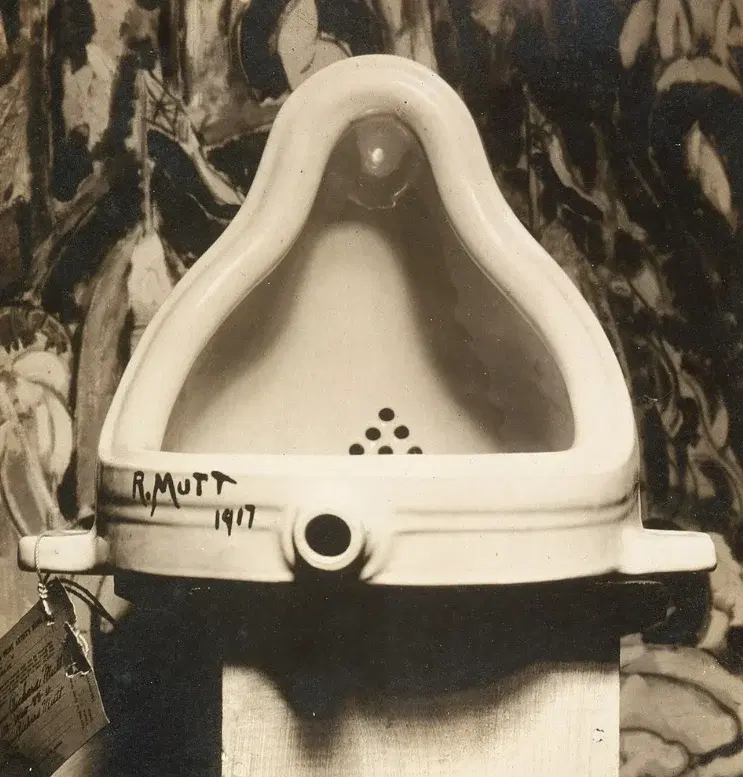
Marcel Duchamp
13 Apr – 22 Aug 2026
MoMA The Museum of Modern Art

Whitney Biennial 2026
8 Mar – 23 Aug 2026
Whitney Museum of American Art
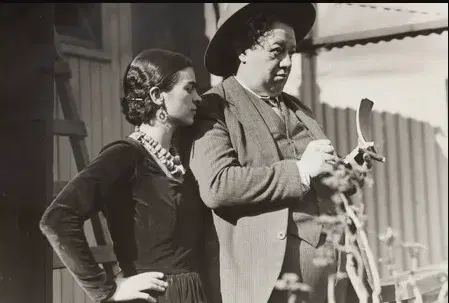
Frida and Diego. The Last Dream.
1 Apr – 12 Sep 2026
MoMA The Museum of Modern Art
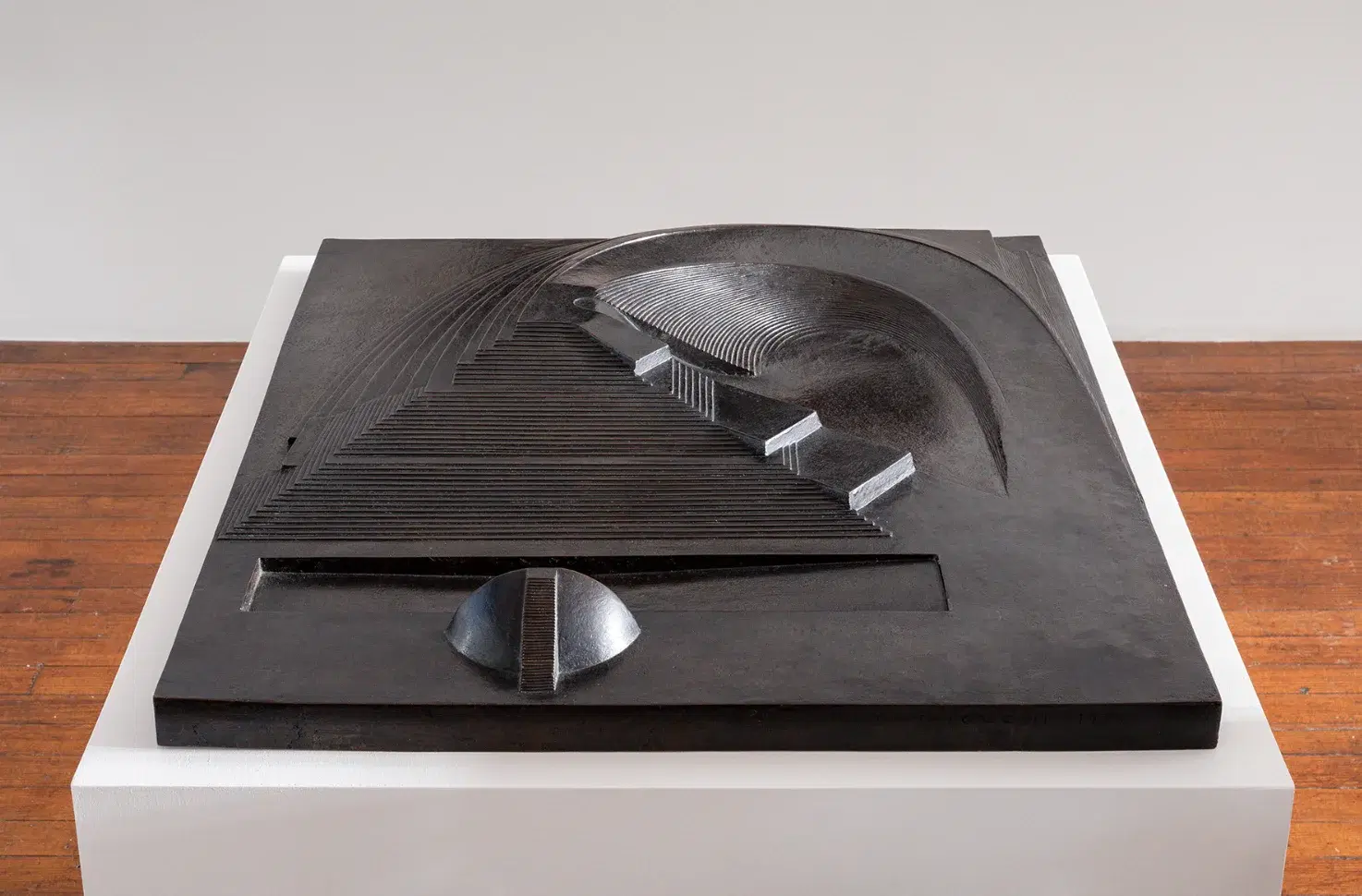
Noguchi’s New York
4 Feb – 13 Sep 2026
The Noguchi Museum
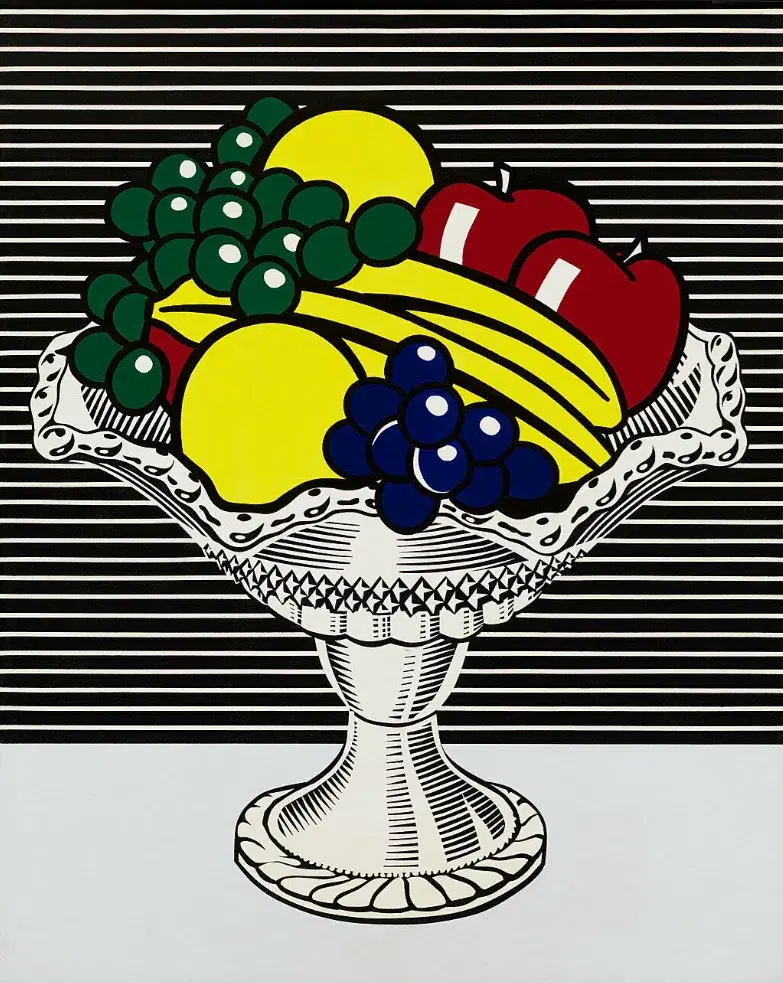
Roy Lichtenstein
1 Oct 2026 – 1 Jan 2027
Whitney Museum of American Art
Guggenheim Pop
5 Jun 2026 – 10 Jan 2027
Solomon R. Guggenheim Museum
Moma Permanent Collection
MoMA The Museum of Modern Art