
Judith at the Banquet of Holofernes
1634
76% match
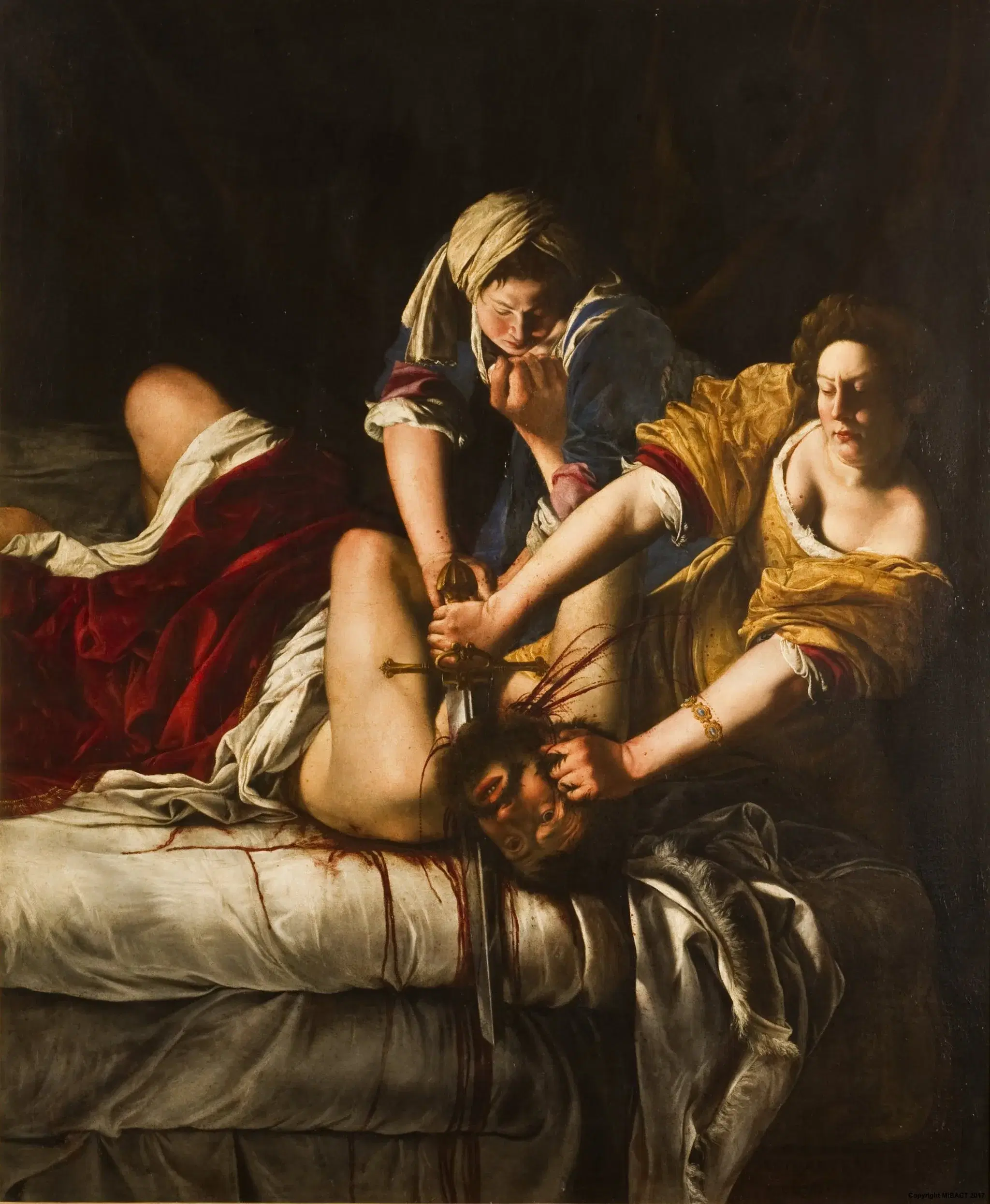
c. 1612–1613
Artemisia Gentileschi's *Judith Slaying Holofernes* is a visceral and dramatic depiction of the biblical story from the Book of Judith. It portrays the moment when Judith, a Jewish widow, beheads the Assyrian general Holofernes in his tent. Holofernes, intending to destroy Judith's city, is shown vulnerable and incapacitated, while Judith, aided by her maid, exerts her strength and determination to end his life. Gentileschi chooses to depict the most brutal point in the story - not simply the aftermath, but the act itself, marking a departure from earlier, more restrained representations. The painting captures the struggle and the violence of the scene with unflinching realism.
This artwork holds immense historical significance, particularly in the context of Baroque art and the artist's own life. As one of the few recognized female artists of her time, Gentileschi infused the painting with her personal experiences and perspectives. Many scholars interpret the work as a powerful statement about female empowerment and resistance against male oppression. The story of Judith, which was a subject of many paintings from the Renaissance and Baroque periods, was used to illustrate different themes such as courage, virtue, and resistance against tyranny. In the Baroque era, especially during the Counter-Reformation, Judith became an allegory of the Catholic Church defeating Protestant heresy. But in Gentileschi's hand, the character took on a new strength and complexity, as a powerful agent of action and revenge.
Gentileschi's *Judith Slaying Holofernes* is a masterpiece of Baroque painting, showcasing a mastery of dramatic lighting, dynamic composition, and realistic depiction. The painting utilizes chiaroscuro, a technique popularized by Caravaggio, to create a strong contrast between light and shadow, which heightens the emotional intensity and draws the viewer's attention to the central action. The realistic depiction of blood, the straining muscles, and the determined expressions contribute to the painting's overall impact. Gentileschi's bold and unflinching portrayal of violence, combined with her exceptional artistic skills, makes this work a powerful and unforgettable statement about female strength, resilience, and resistance, continuing to resonate with audiences today.
Same feeling, different artists
1634
76% match
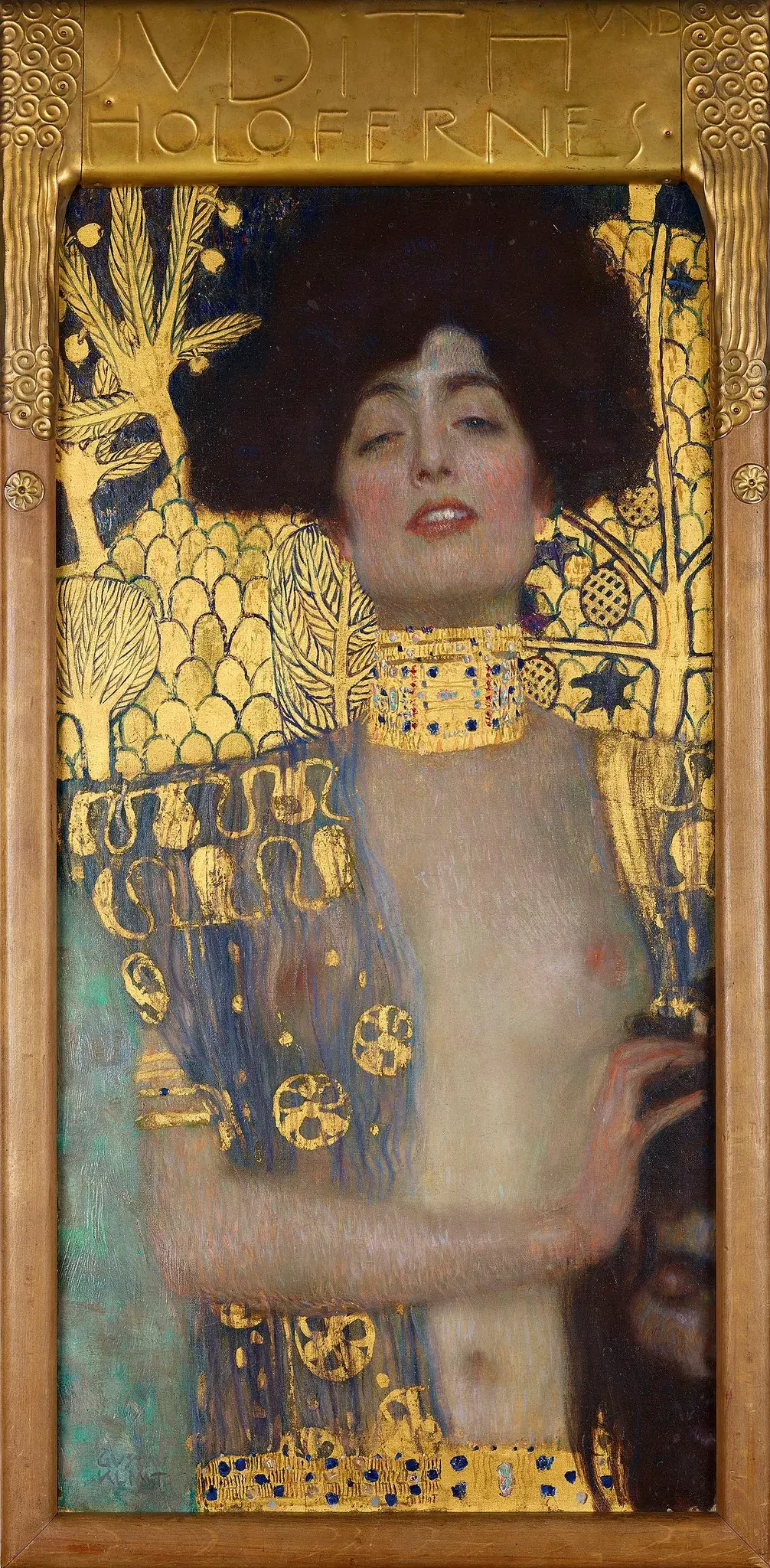
1901
71% match
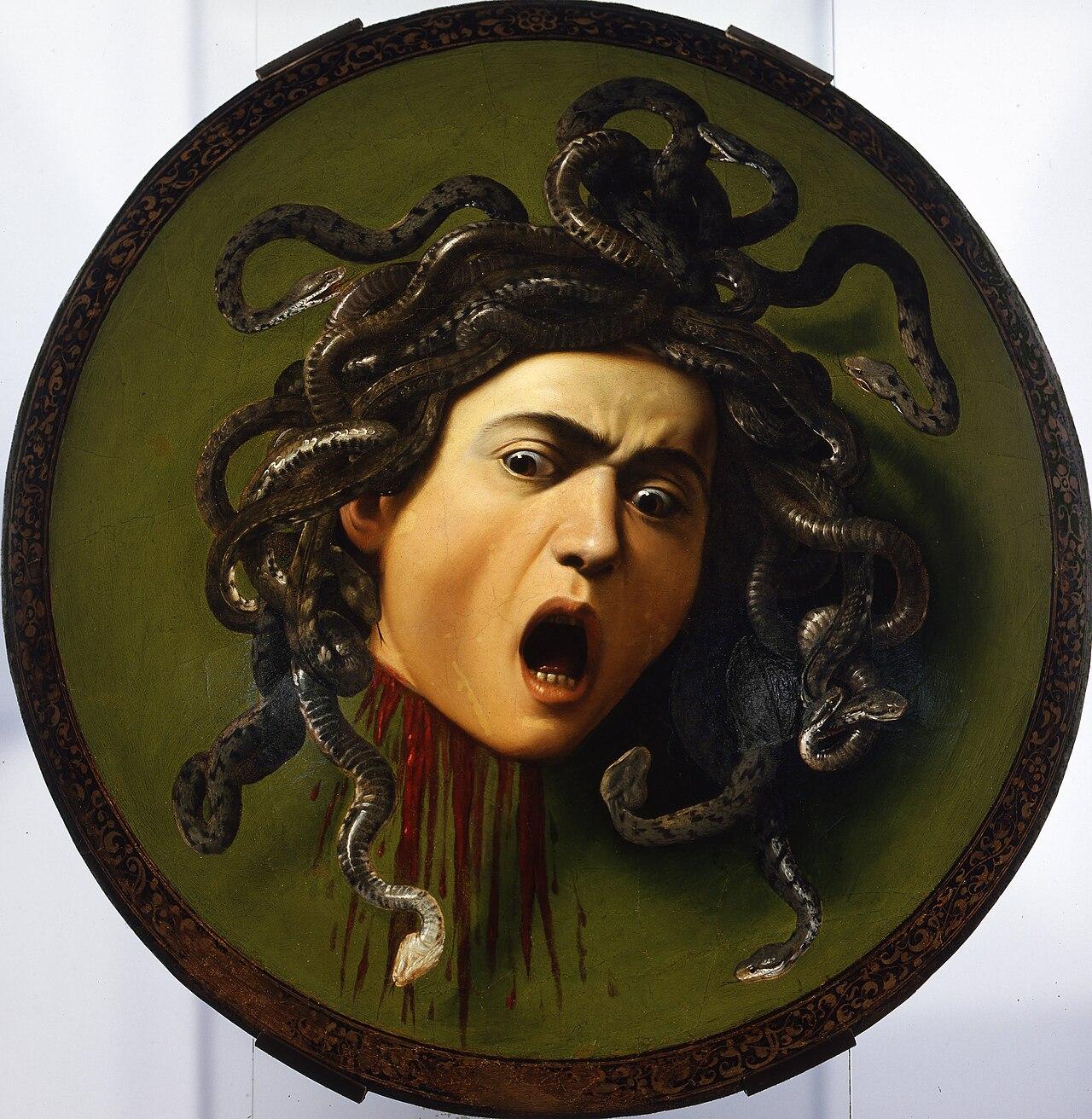
1597
62% match
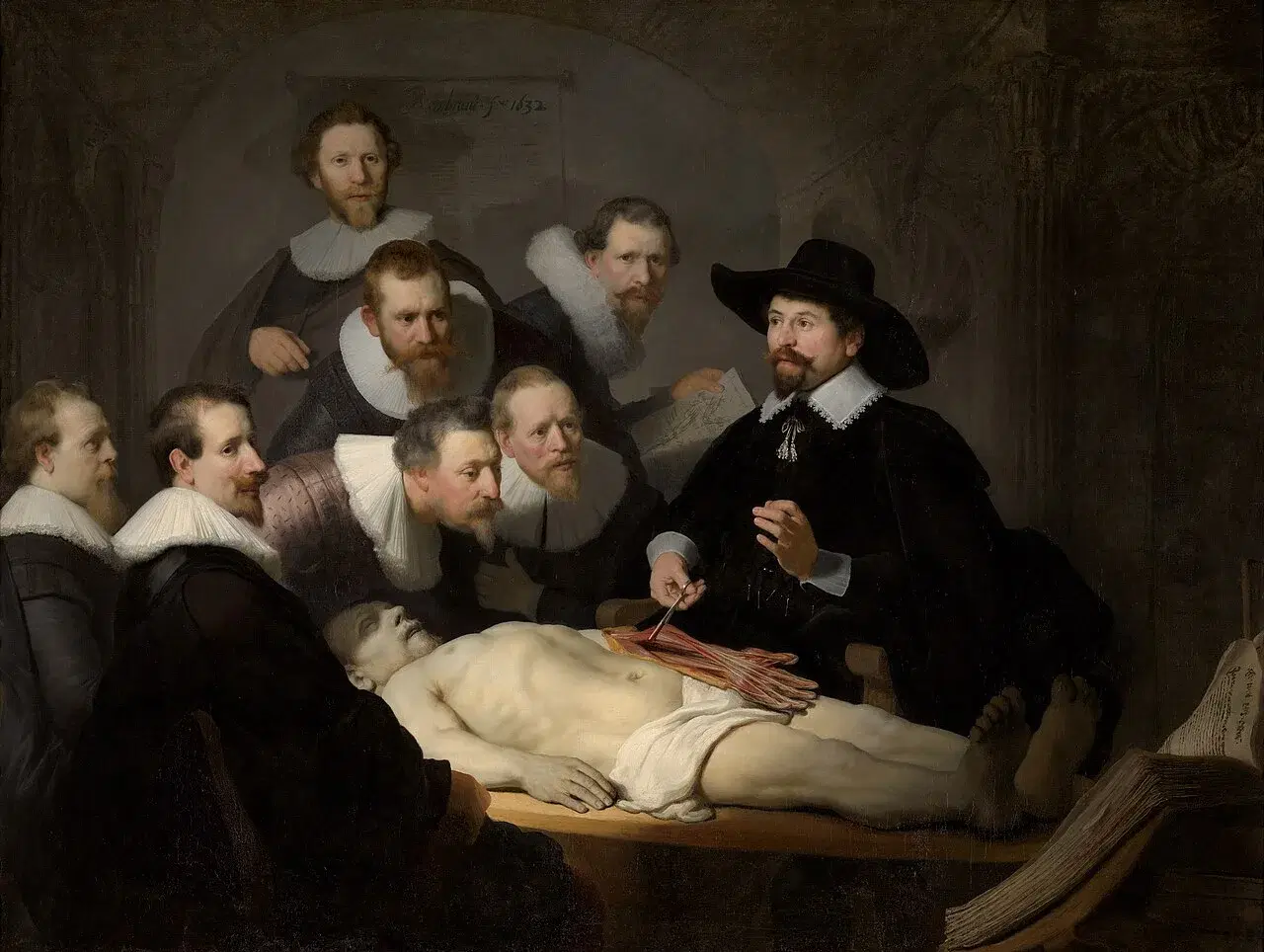
1632
61% match
1635
61% match
1501
60% match
1618
60% match
1611
59% match