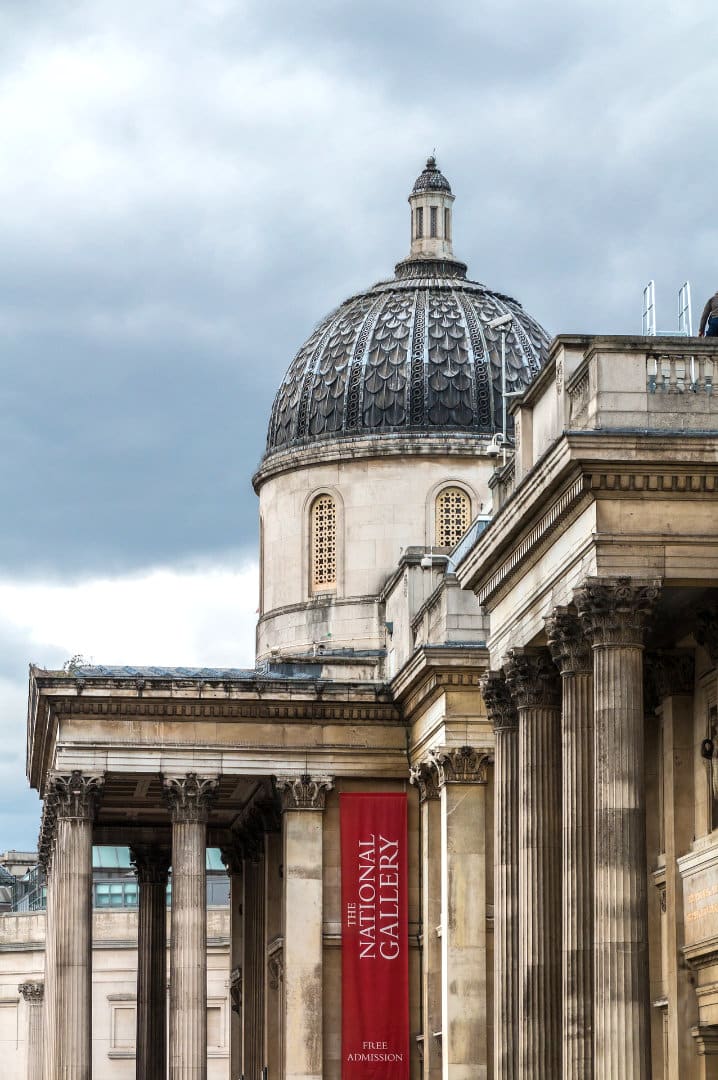
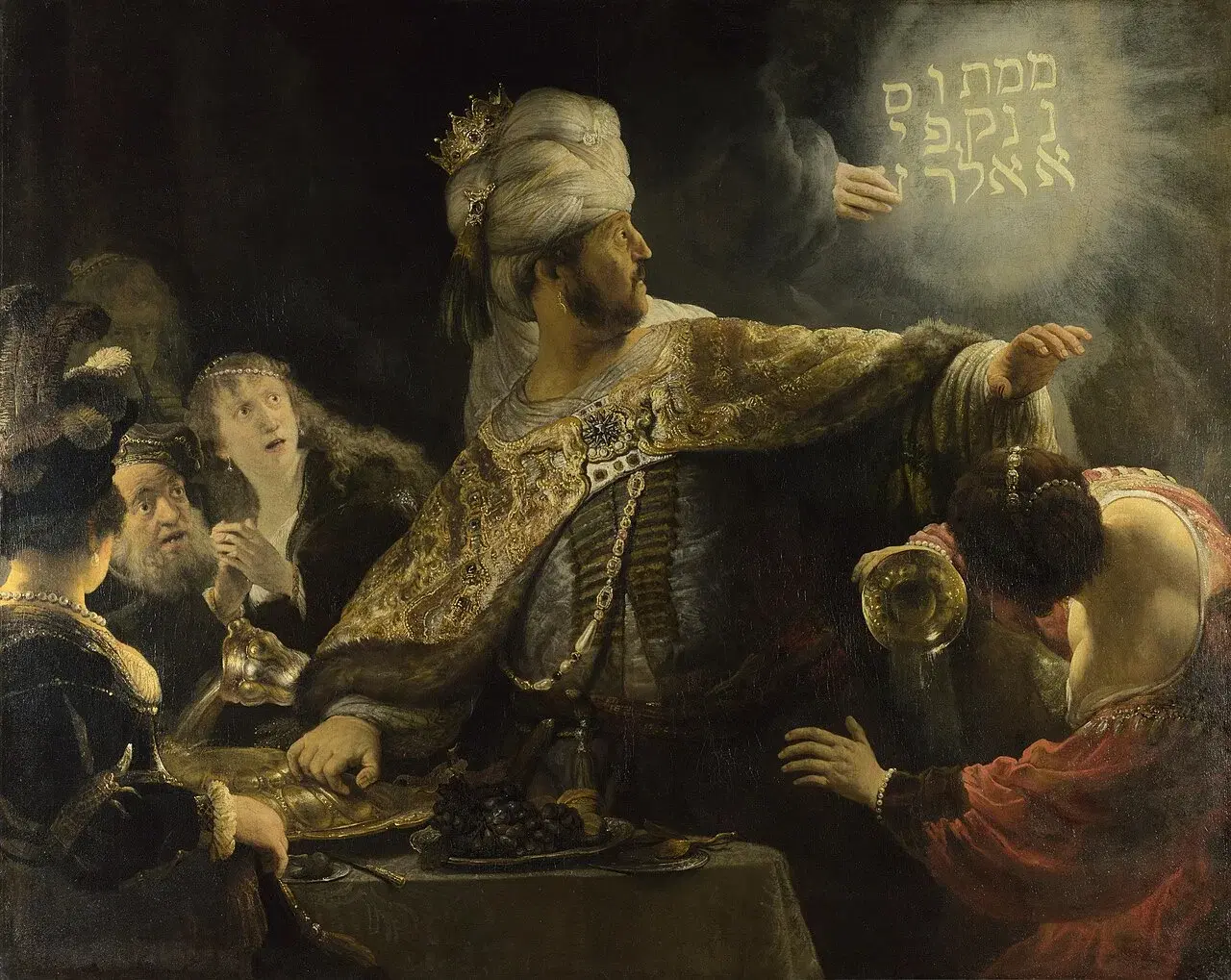
Belshazzar's Feast
Meet the artist
RRembrandt van Rijn1606–1669Dutch
Dates
1635–1638
Specifications
- Movement
- Baroque
- Medium
- Oil Painting
- Genre
- Historical Painting, Religious Art
About the Artwork
Rembrandt's Belshazzar's Feast, painted between approximately 1636 and 1638, is one of the most theatrically charged works in Baroque painting. The canvas depicts the moment from the fifth chapter of the Book of Daniel when, during a lavish banquet at which the Babylonian king Belshazzar drinks from the sacred vessels looted from the Temple in Jerusalem, a disembodied hand appears and inscribes a prophetic warning on the wall: Mene, Mene, Tekel, Upharsin — the announcement that Belshazzar's reign has been counted, weighed, and found wanting, and that his kingdom will fall to the Medes and Persians.\n\nRembrandt renders the scene with characteristic mastery of dramatic light. Belshazzar, robed in gold and adorned with jewels, recoils in terror from the luminous inscription, his face caught in an expression of stunned disbelief. Around him, guests scatter in alarm, wine spilling from an overturned cup. The composition achieves its impact through Rembrandt's trademark chiaroscuro, with the brilliantly lit central figure emerging from the surrounding darkness with an almost stage-like intensity. Scholars have noted that the Hebrew lettering on the wall — inscribed in columns rather than conventional horizontal lines — was likely influenced by a Rabbi acquaintance of the artist. The painting has been in the collection of the National Gallery, London since 1964.
Don’t stop here
More to explore by Rembrandt van Rijn

Same feeling, different artists
Similar Works by Other Artists
Keep exploring
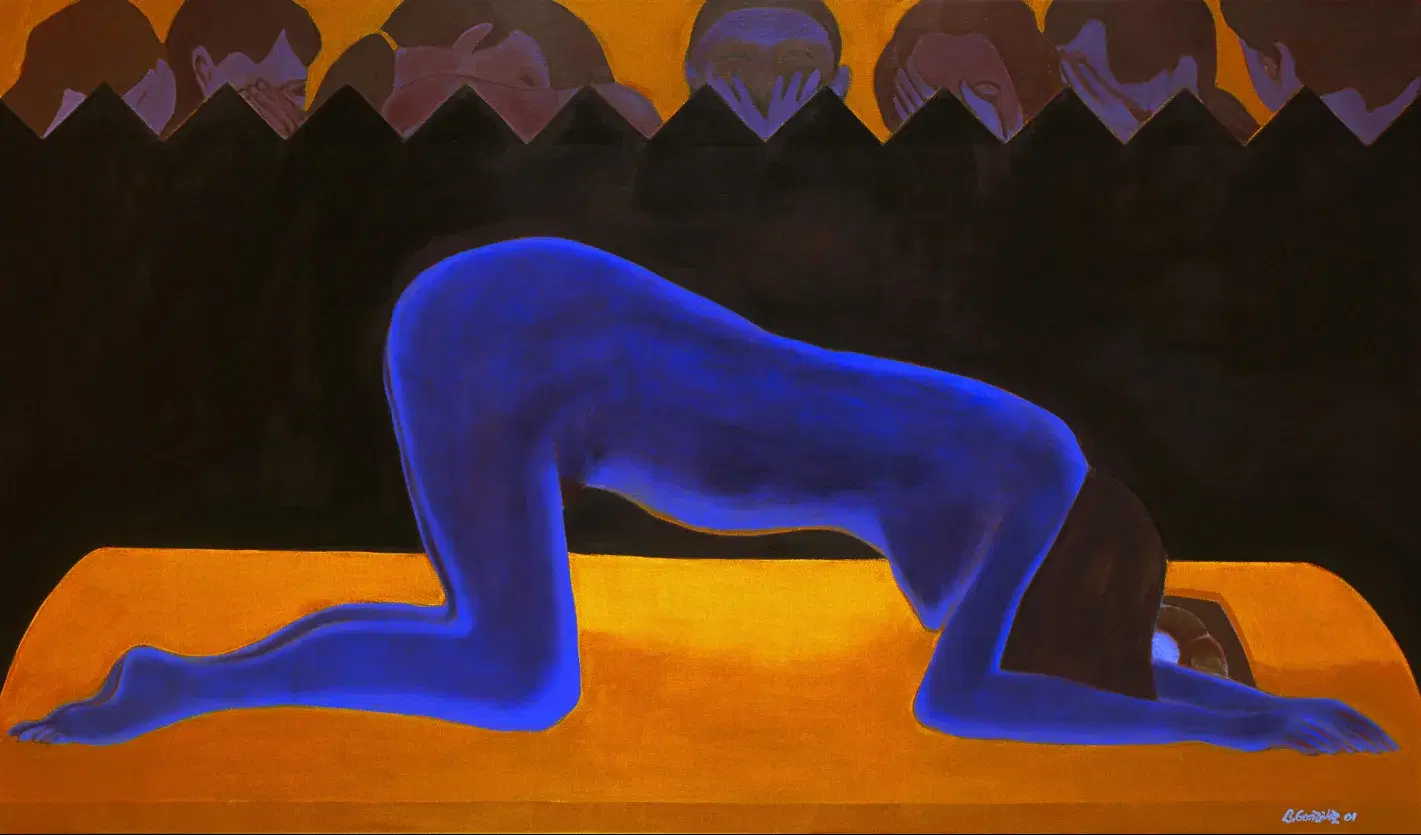
Ends soon
Beatriz González
25 Feb – 10 May 2026
Barbican
Ends soon
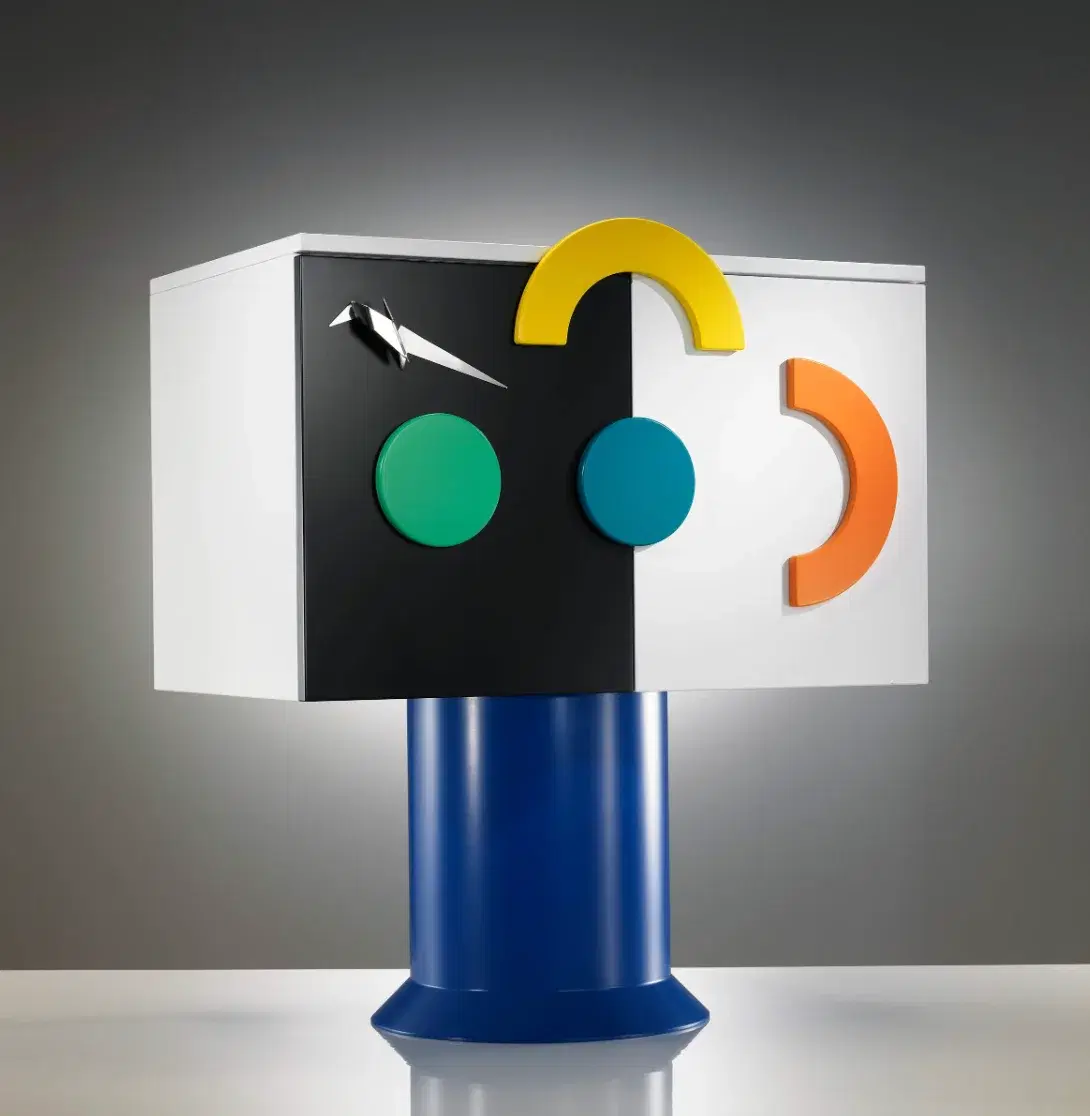
Alessandro Mendini
16 Jan – 10 May 2026
Estorick Collection of Modern Italian Art
Ends soon
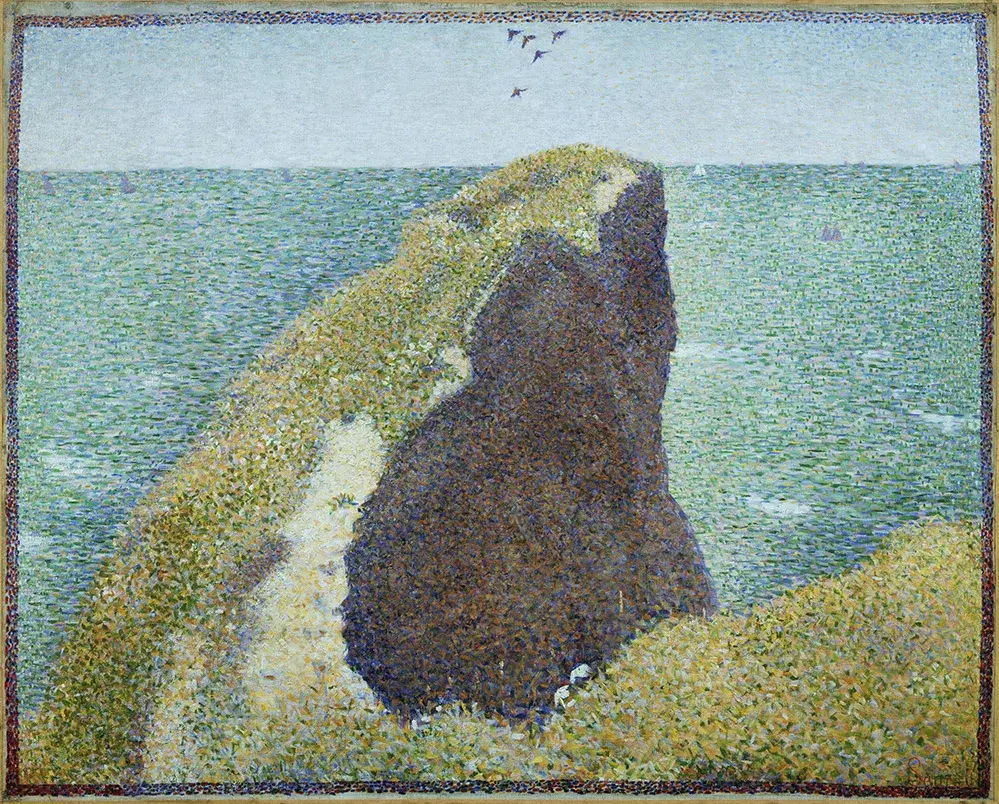
Seurat and the Sea
13 Feb – 17 May 2026
The Courtauld
Ends soon
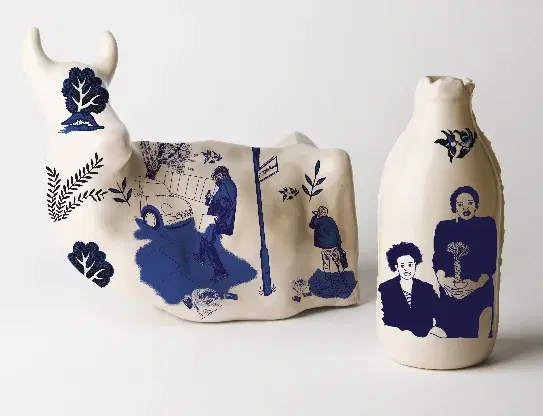
London Craft Week
11 May – 17 May 2026
The Courtauld
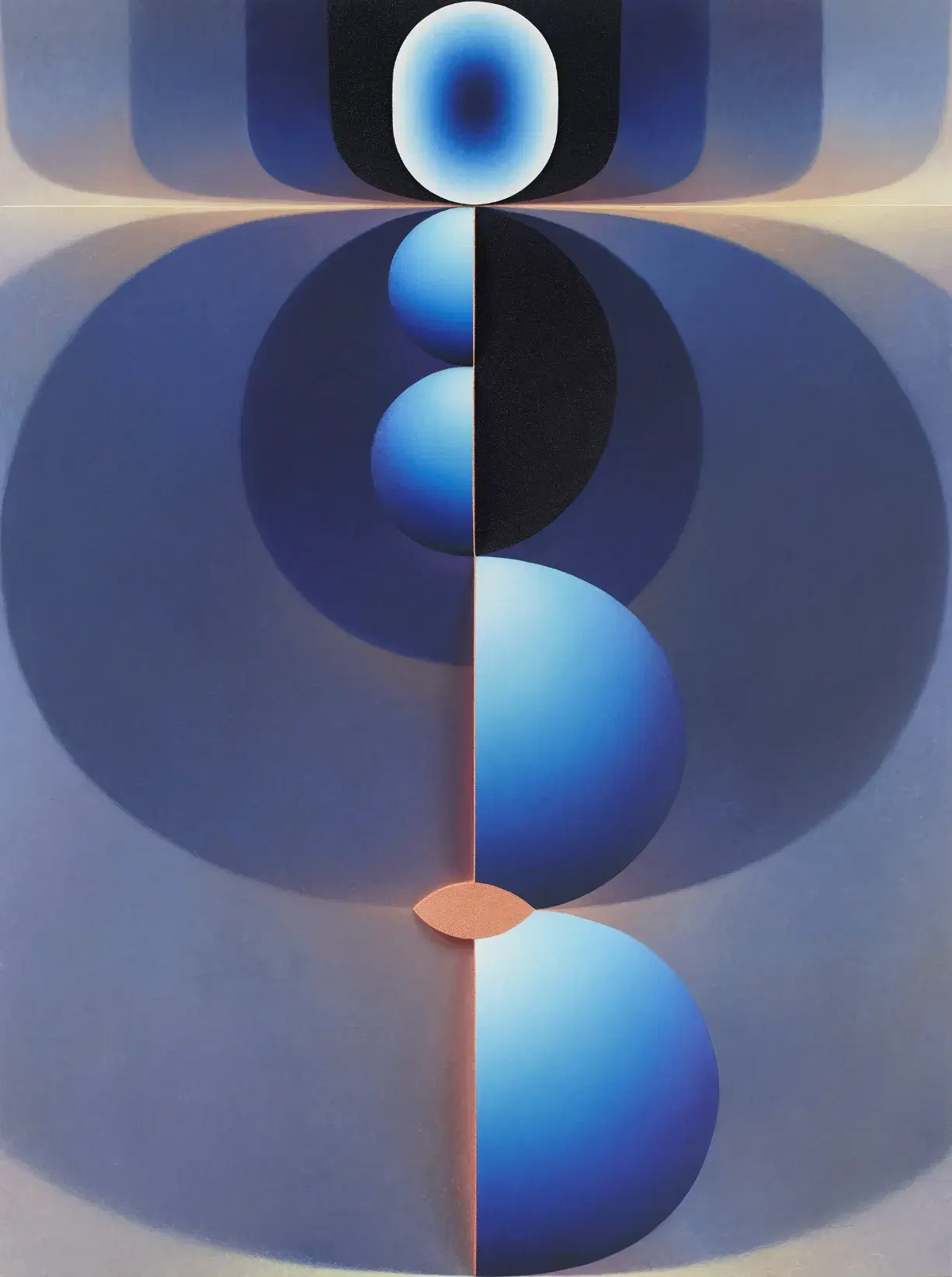
Loie Hollowell. Overview Effect
4 Mar – 23 May 2026
Pace Gallery London
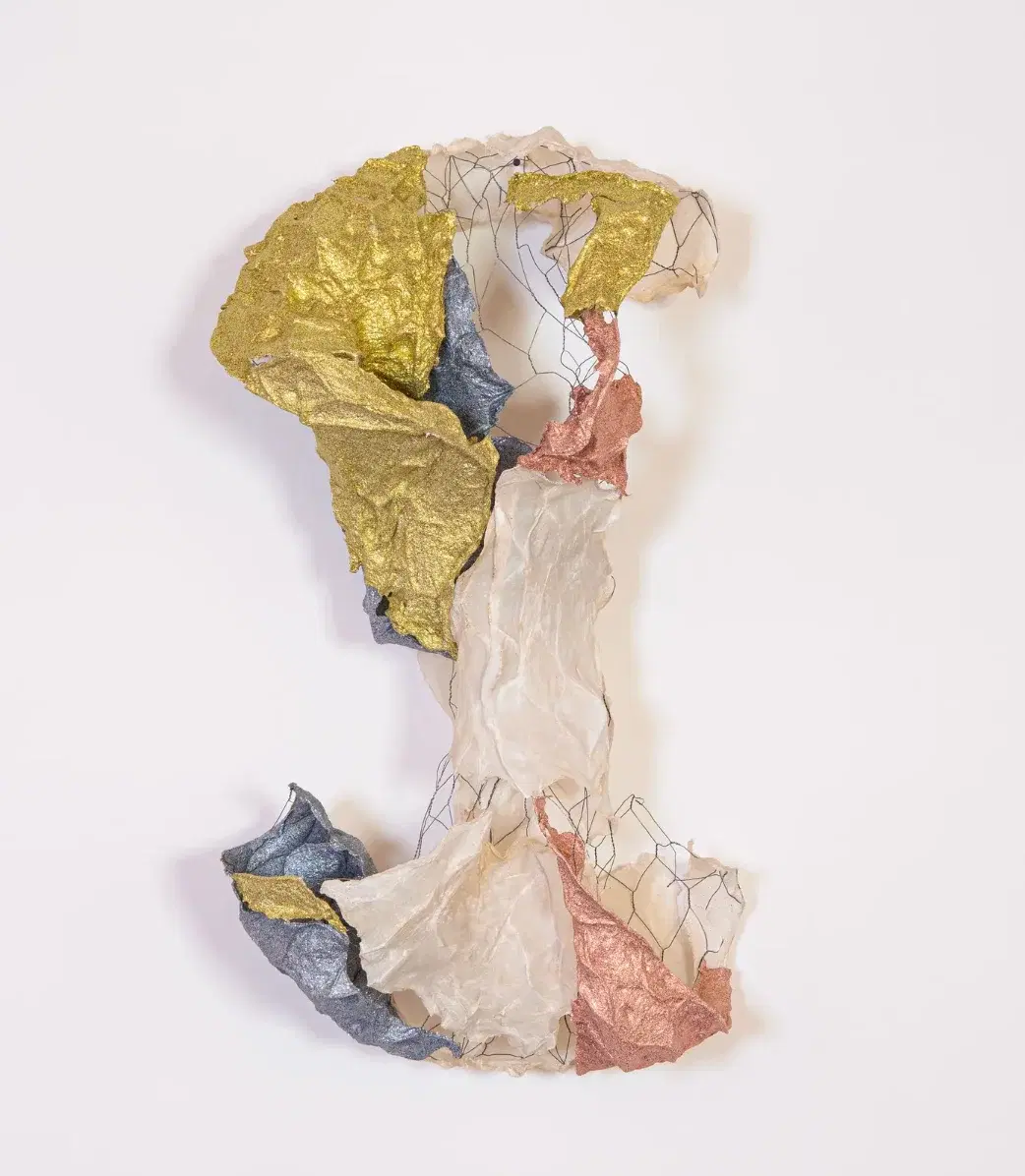
Lynda Benglis: Encounters: Giacometti.
12 Feb – 31 May 2026
Barbican
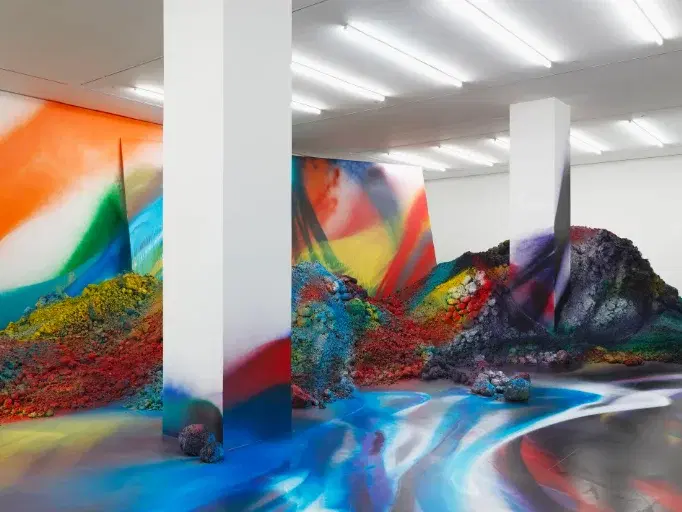
Katharina Grosse
22 Apr – 31 May 2026
White Cube Gallery Bermondsey
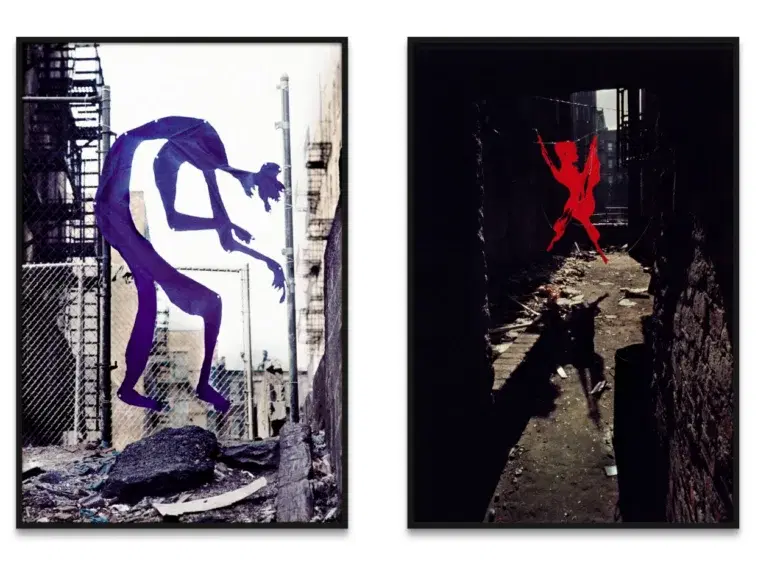
Senga Nengudi: Performance Works 1972-1982
1 Apr – 14 Jun 2026
Whitechapel Gallery

Veronica Ryan: Multiple Conversations
1 Apr – 14 Jun 2026
Whitechapel Gallery
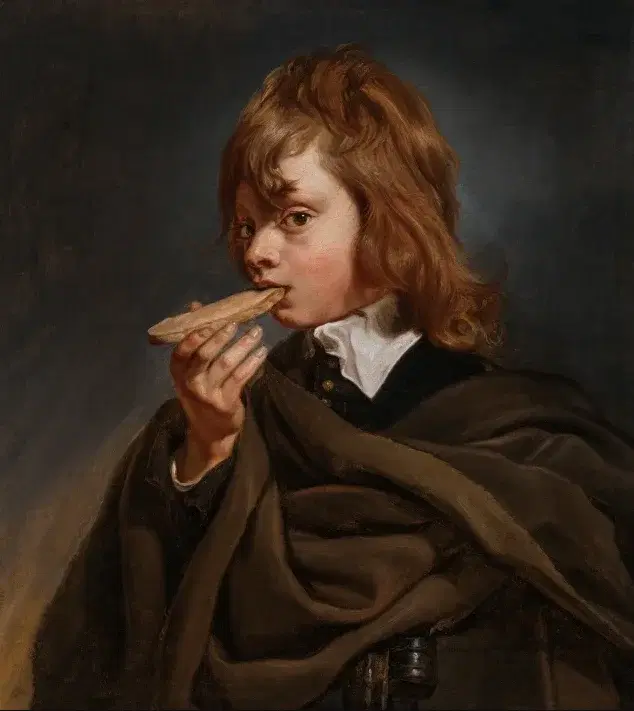
Michaelina Wautier
27 Mar – 21 Jun 2026
The Royal Academy of Arts London