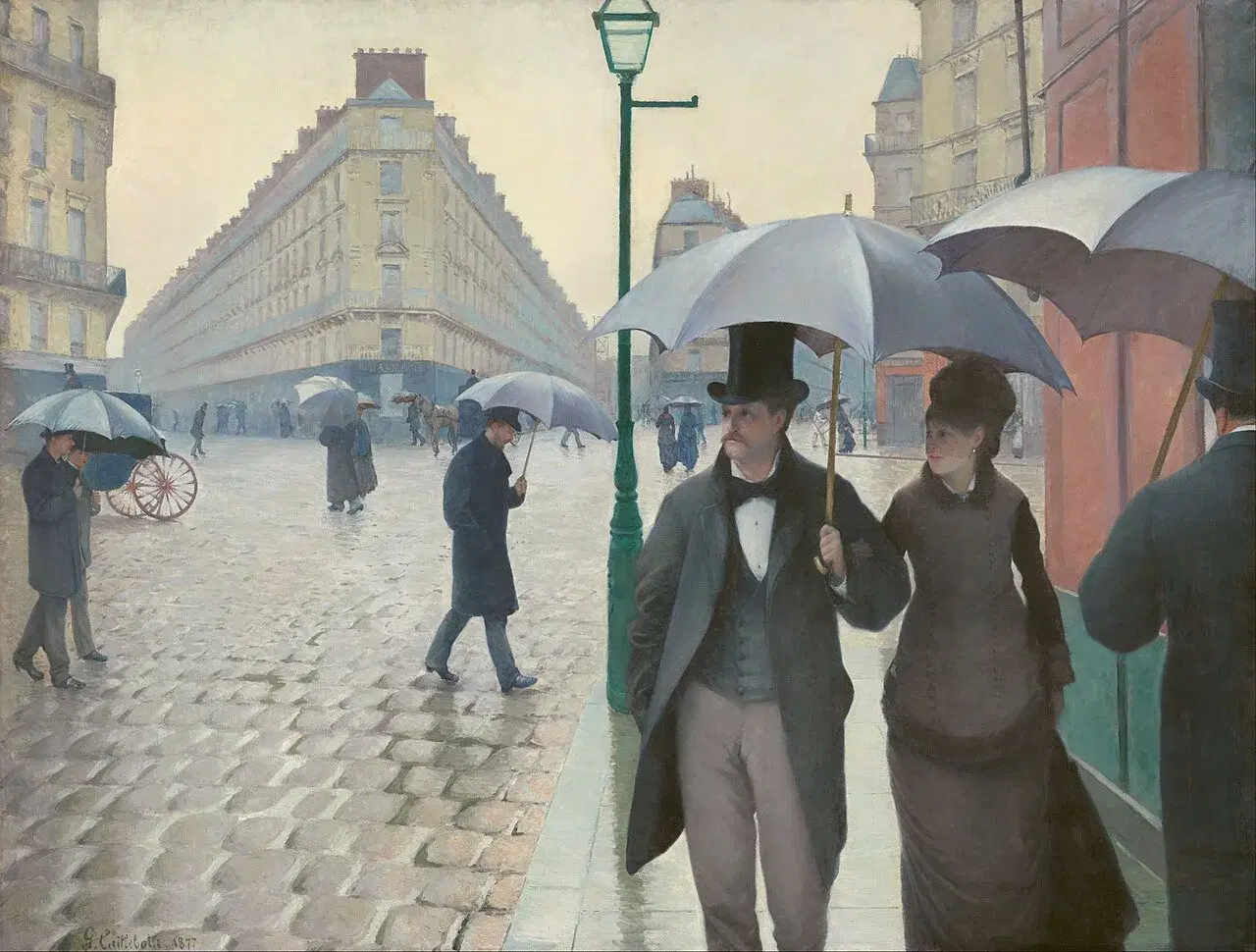
Paris Street; Rainy Day
#95
Meet the artist
GGustave Caillebotte1848–1894French
Dates
1877
Specifications
- Original title
- Rue de Paris, temps de pluie
- Dimensions
- 212.2 × 276.2 cm
Wikimedia Commons
About the Artwork
Gustave Caillebotte's "Paris Street; Rainy Day," housed at the Art Institute of Chicago, offers a compelling snapshot of modern Parisian life in the late 19th century. Far from the romanticized depictions of the city prevalent at the time, Caillebotte presents a slice of bourgeois existence under a somber, rain-soaked sky. We see well-dressed figures, presumably members of the upper class, traversing the Place de Dublin near the Gare Saint-Lazare. The scene feels candid and realistic, capturing a fleeting moment in time rather than a staged tableau.
The painting holds significant historical weight as a visual document of Haussmann's renovation of Paris. The wide boulevards, designed to improve traffic flow and sanitation, are starkly depicted. Caillebotte's unique perspective, likely influenced by photography, contributes to the painting's modernity. The composition is deliberately asymmetrical, with the figures cropped and positioned in a way that draws the viewer into the scene. This innovative approach, coupled with the painting's unflinching realism, challenged artistic conventions of the era and helped pave the way for future artistic movements.
Caillebotte masterfully employs light and shadow to create depth and atmosphere. The wet cobblestones reflect the hazy sky, enhancing the feeling of dampness and urban gloom. The meticulous detail in the figures' clothing and the architectural elements further contributes to the painting's realistic quality. "Paris Street; Rainy Day" matters because it provides a nuanced and honest portrayal of 19th-century Paris, offering insights into the social dynamics and physical transformation of a city undergoing profound change. It remains a powerful and evocative work that continues to resonate with viewers today, prompting reflection on the nature of urban life and the complexities of human experience.
How to experience it
stand back to absorb the avenue’s scale
Don’t stop here
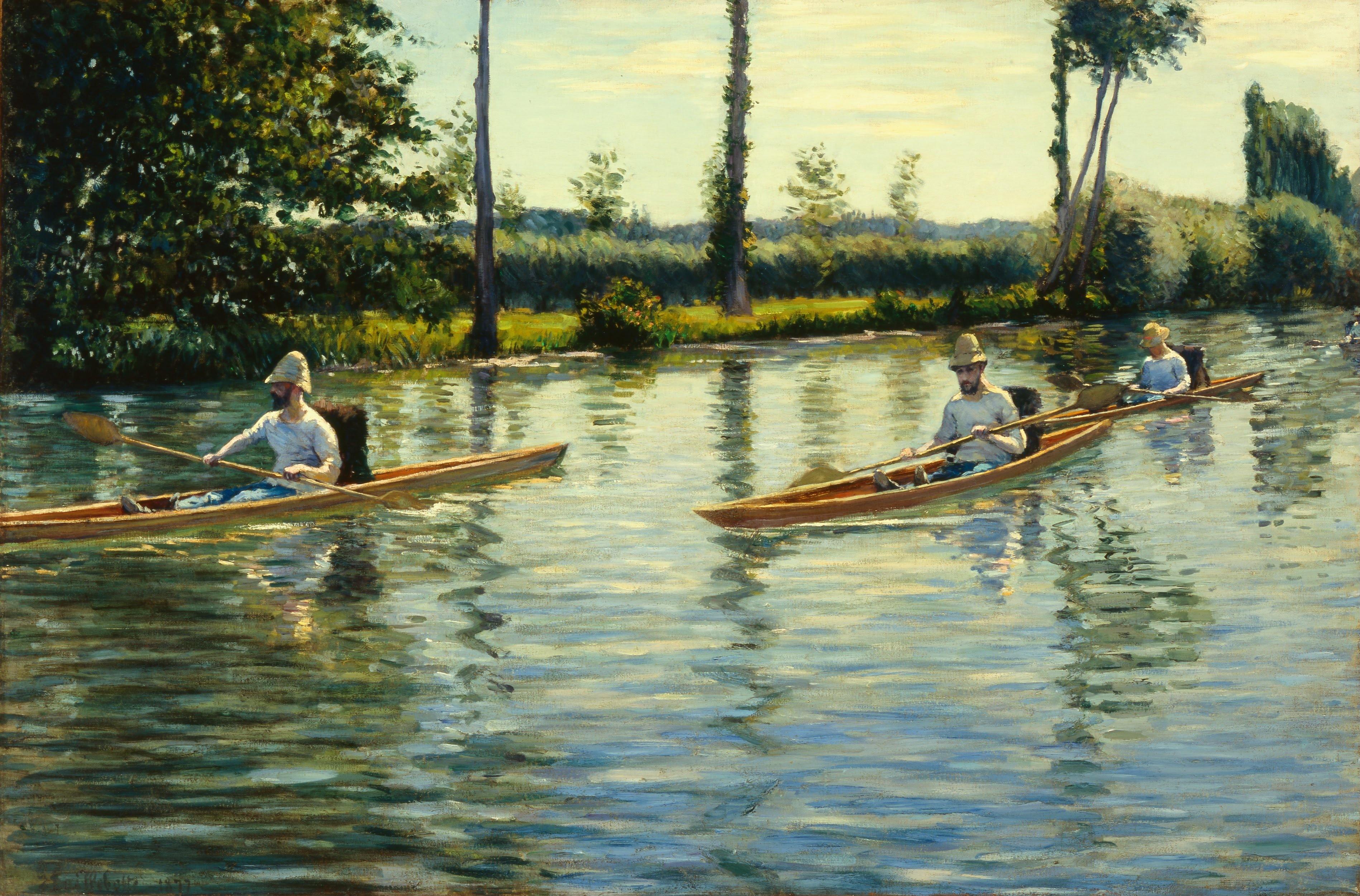
More to explore by Gustave Caillebotte
Same feeling, different artists
Similar Works by Other Artists
A Rainy Day, New York
1889
72% match
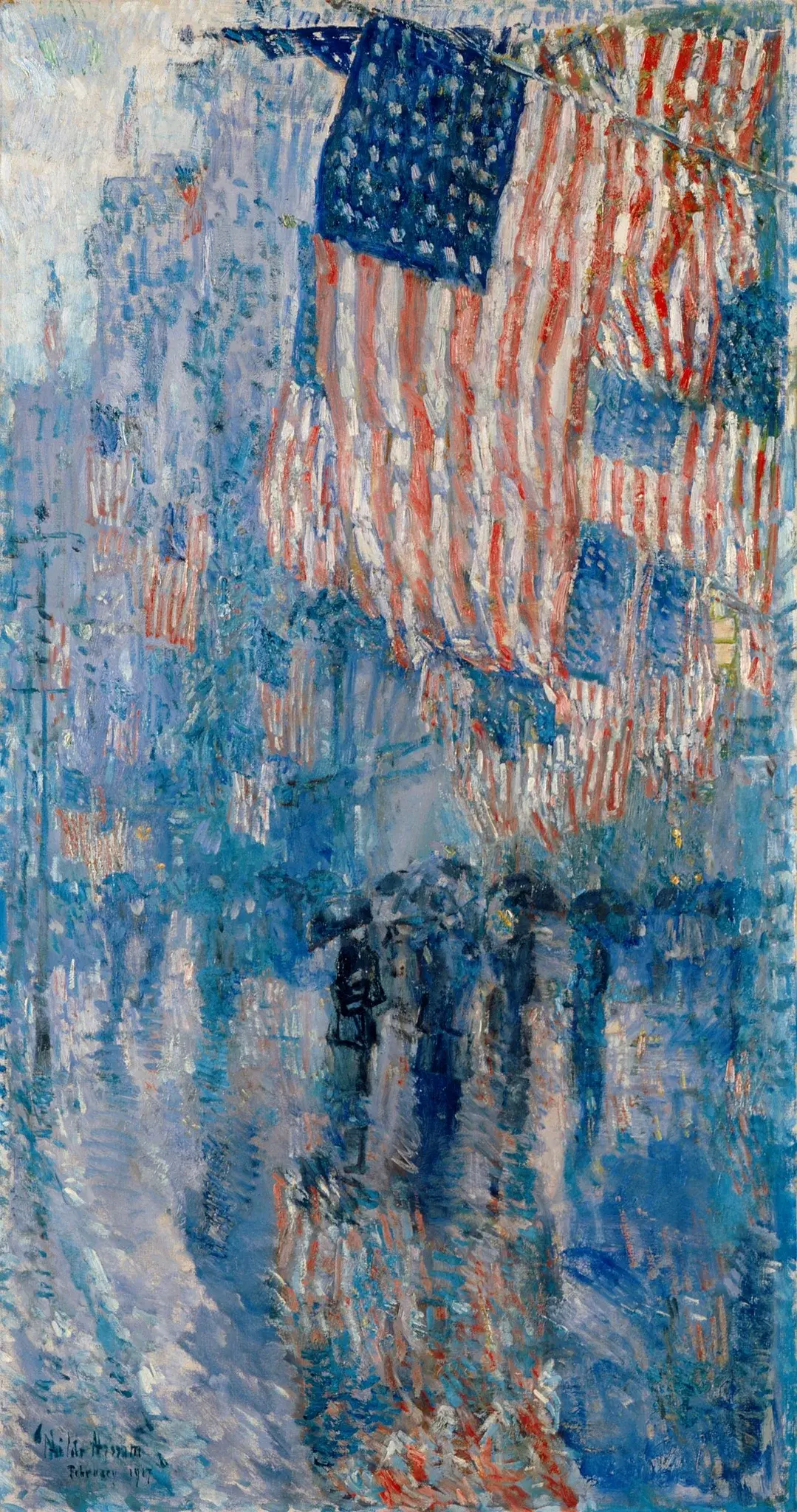
The Avenue in the Rain
1917
68% match
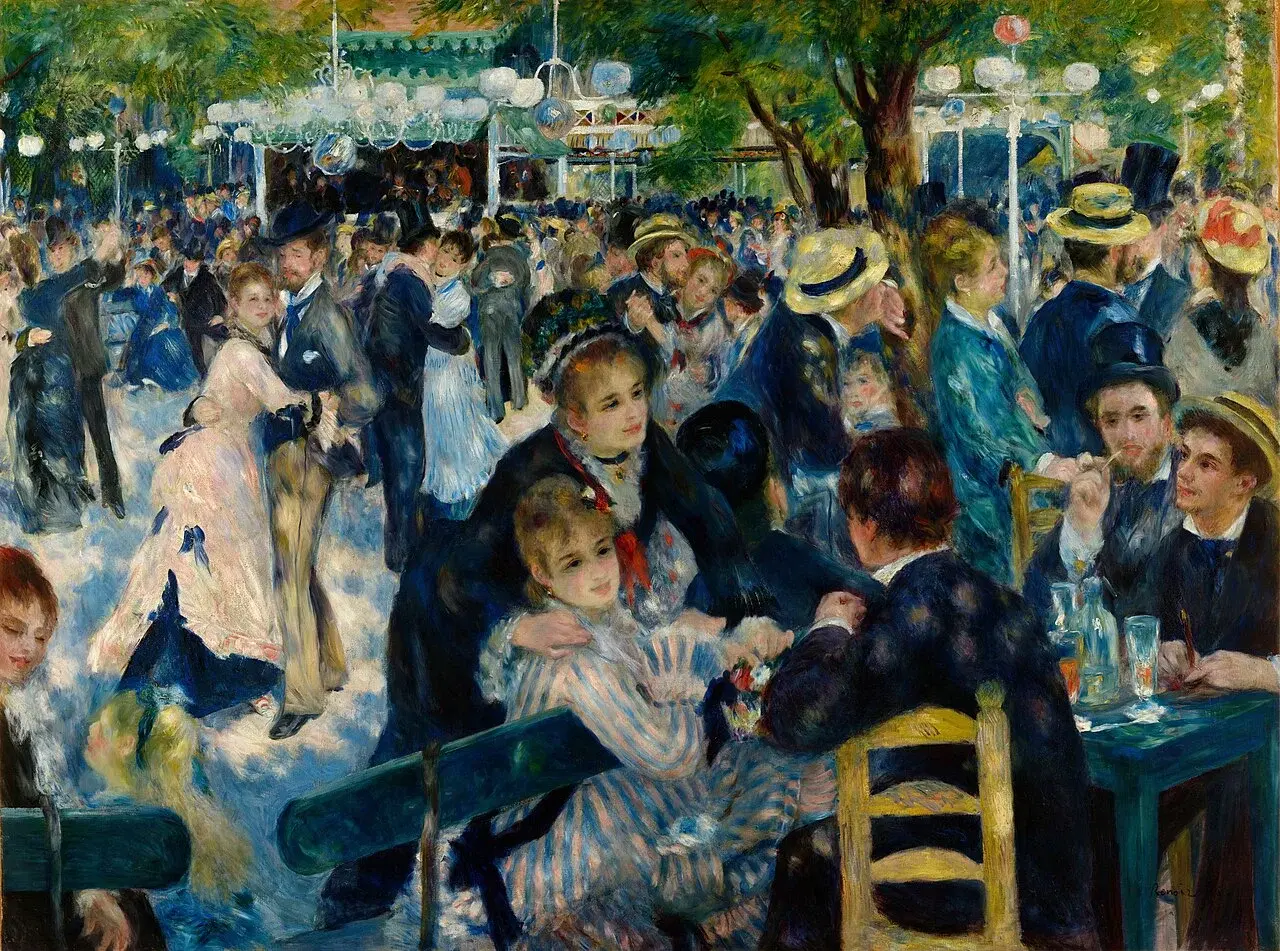
Bal du moulin de la Galette
1876
66% match
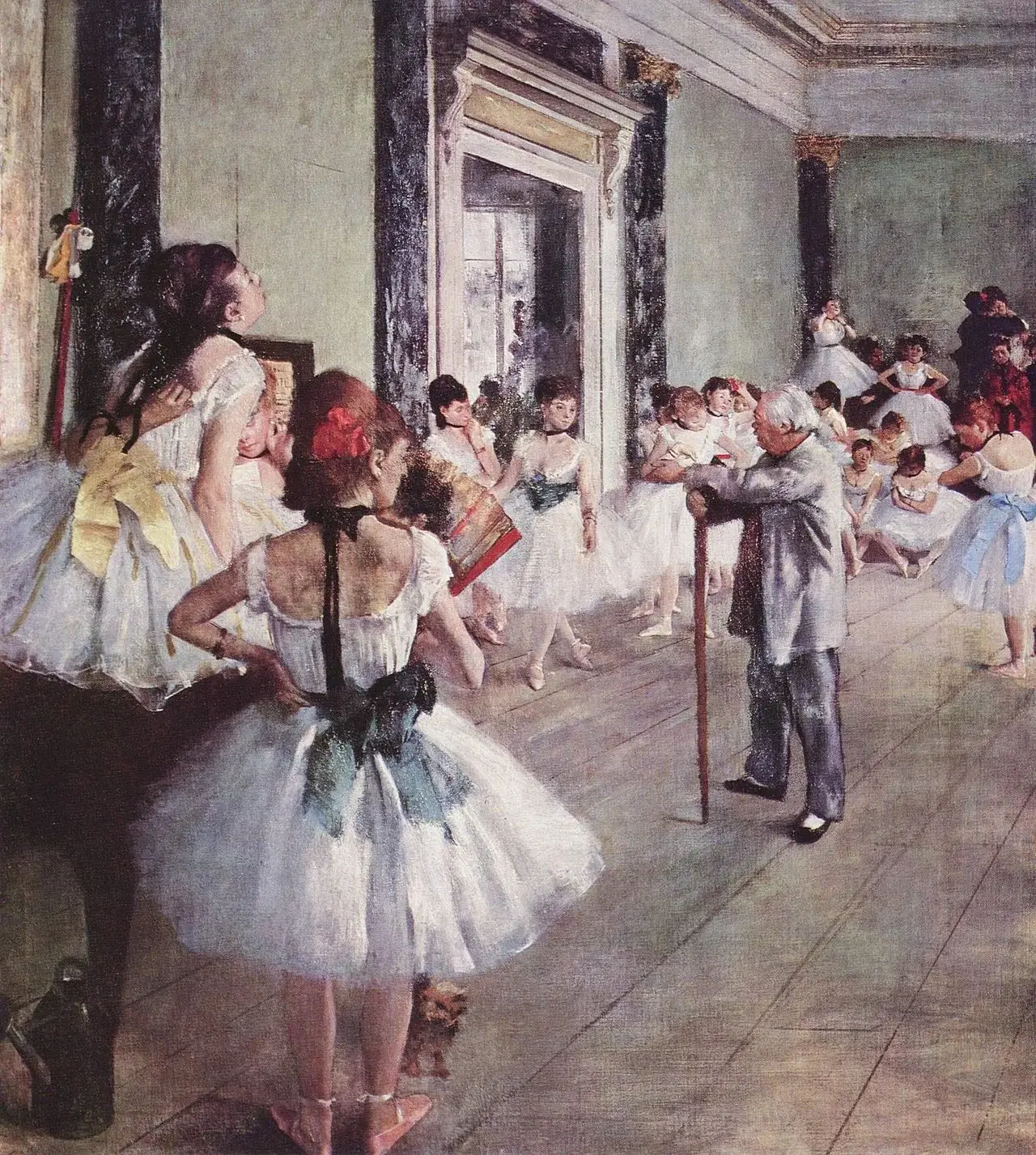
The Ballet Class
1874
65% match
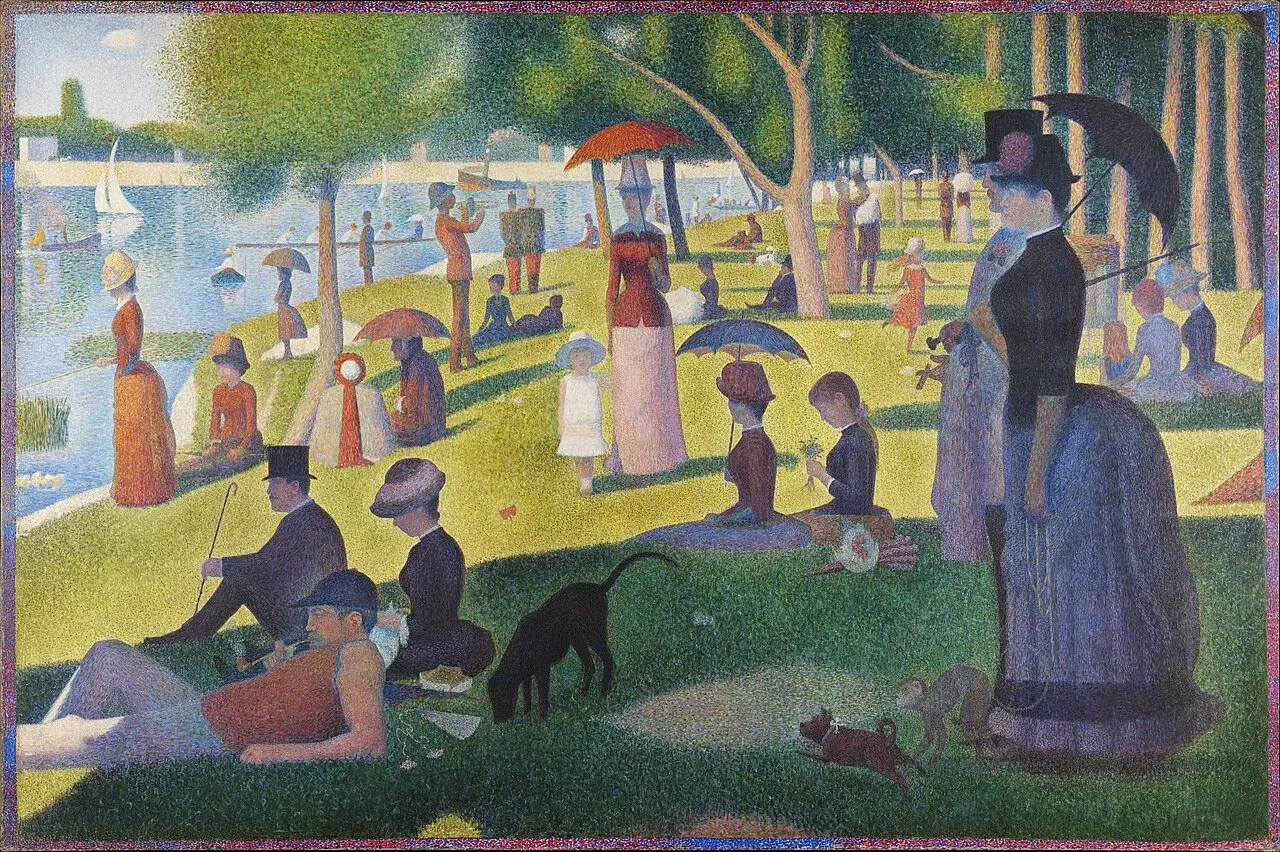
A Sunday Afternoon on the Island of La Grande Jatte
1884
63% match
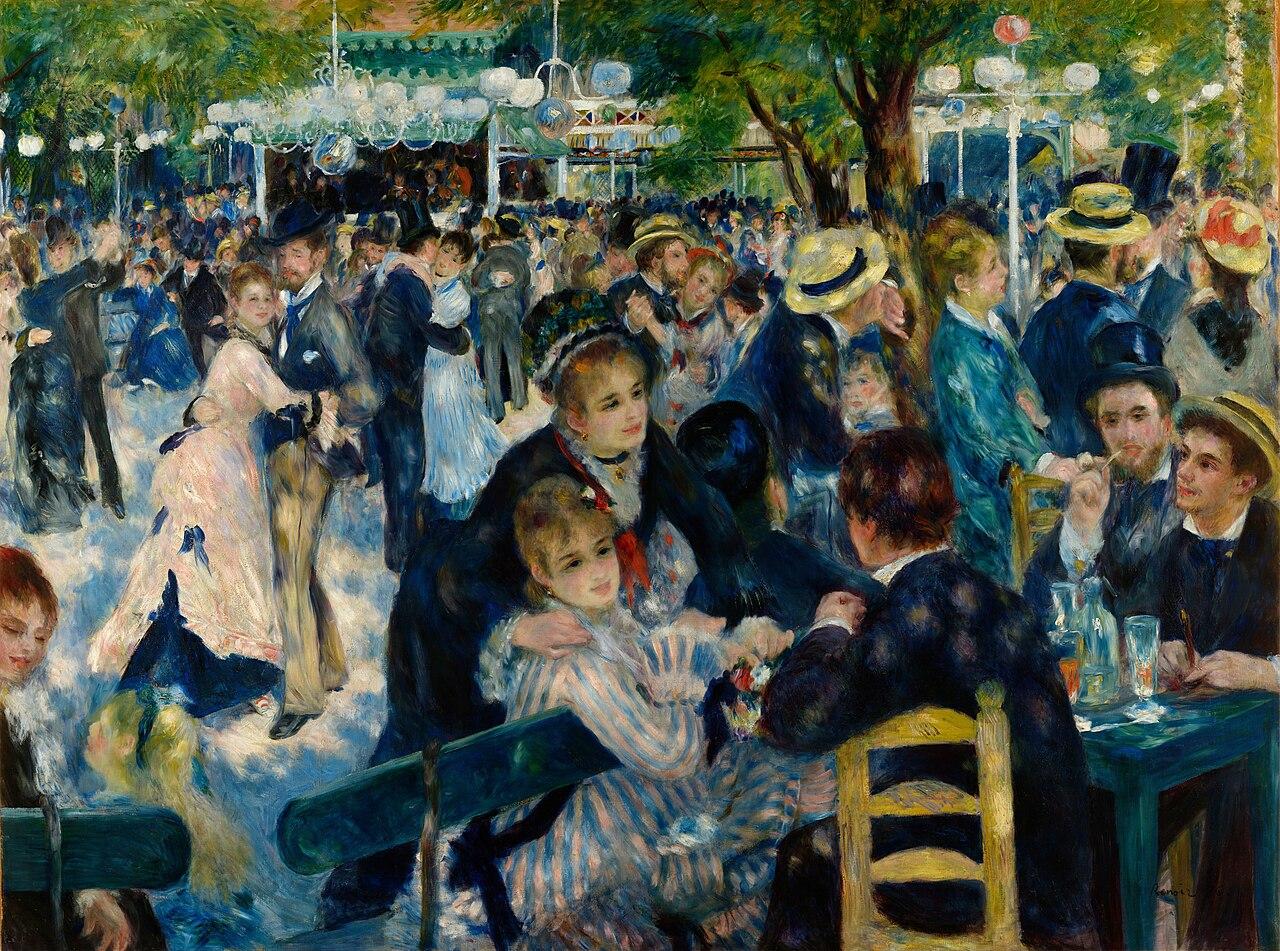
Dance at Le Moulin de la Galette
1876
62% match
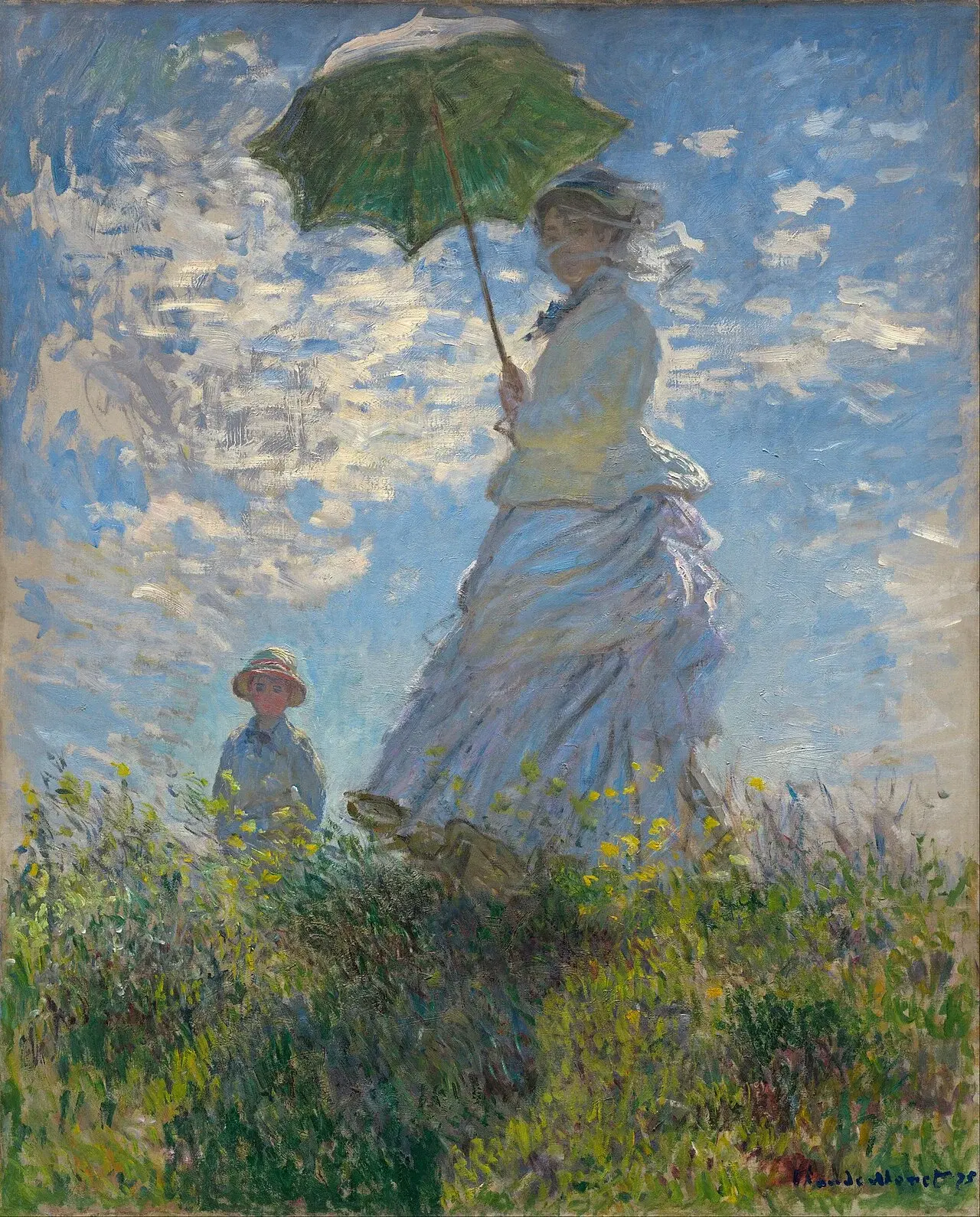
Woman with a Parasol
1875
62% match
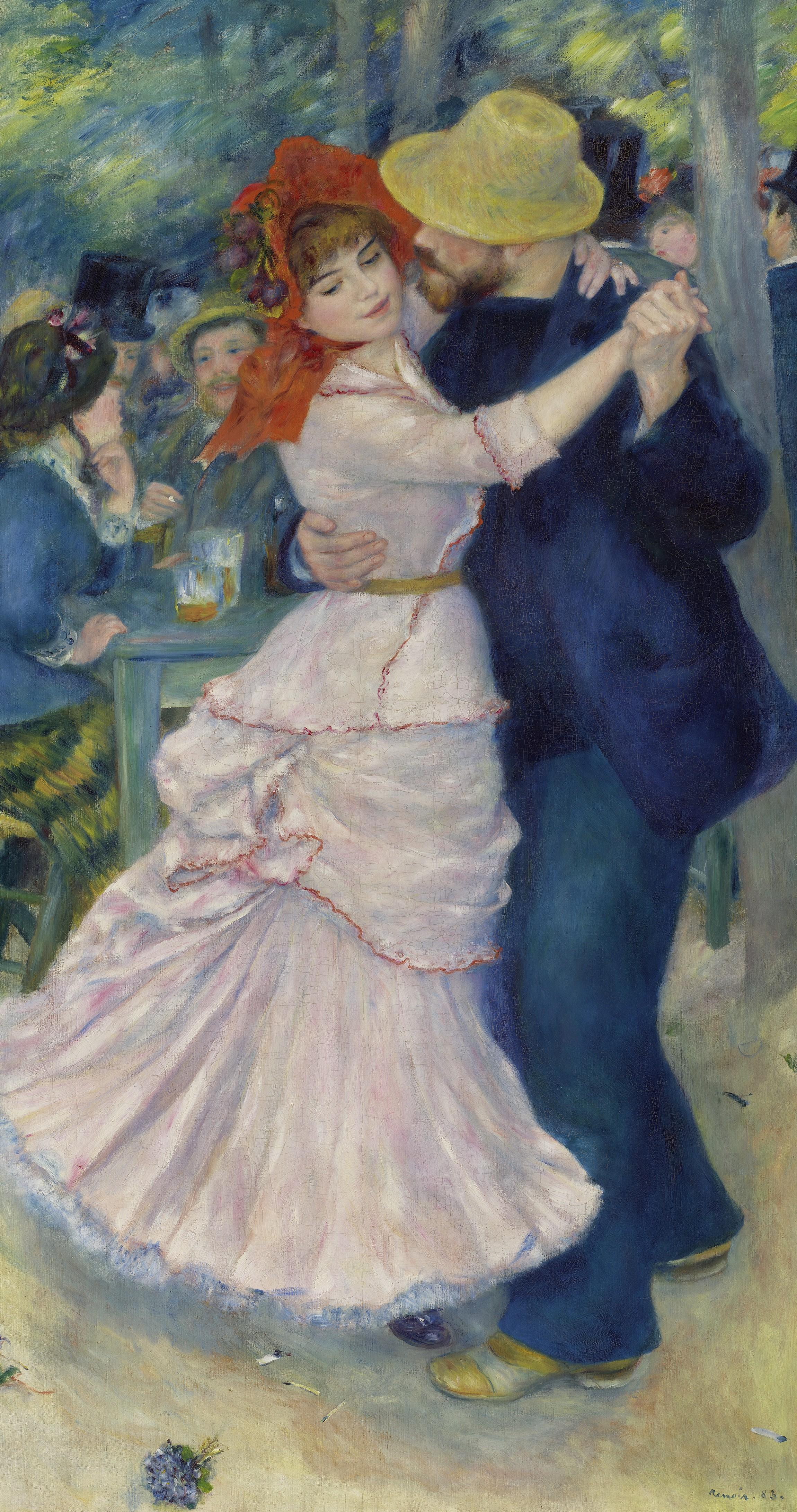
Dance at Bougival
1883
62% match
Keep exploring