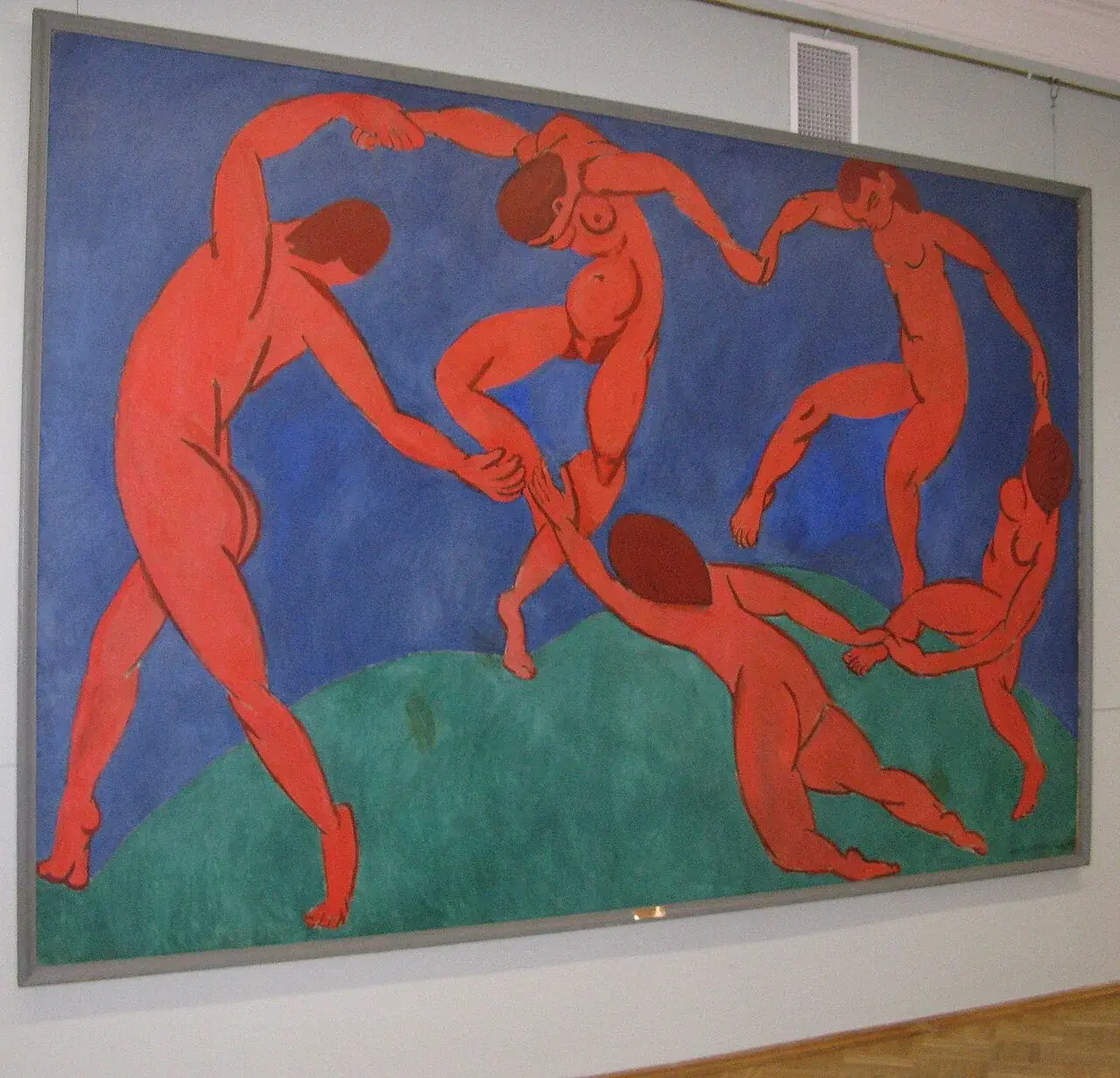
The Dance
#84
Meet the artist
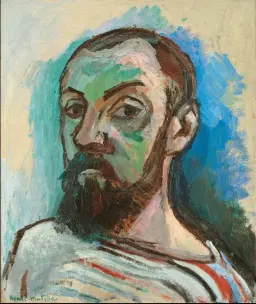
Henri Matisse1869–1954French
Dates
1909–1910
Specifications
- Original title
- La Danse
- Dimensions
- 260 × 391 cm
About the Artwork
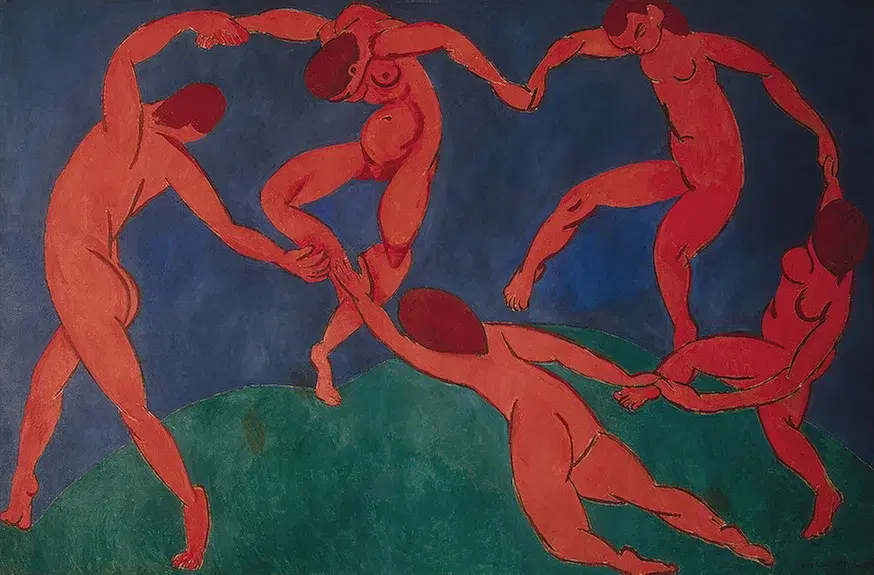
Henri Matisse's Dance (sometimes referred to as Dance I to distinguish it from other works) is a pivotal masterpiece in the history of modern art, embodying the Fauvist movement's bold use of color and simplified forms. Completed in 1910, the painting depicts five nude figures, seemingly caught in a joyful and energetic dance. They are set against a deliberately stark background of vibrant blue and green, representing the sky and earth respectively. This radical simplification of both form and color was a deliberate challenge to academic traditions and a declaration of artistic freedom. The figures themselves are rendered with minimal detail, emphasizing the rhythmic flow of their movement and the sense of untamed, primal energy.
The historical significance of Dance lies not only in its aesthetic innovations but also in its commission. It was initially created as a decorative panel for the Russian collector Sergei Shchukin's Moscow mansion, intended to evoke a sense of vitality and connection. The work reflects Matisse's exploration of themes of community, freedom, and the uninhibited expression of human emotion. The painting's departure from traditional perspective and modeling, alongside its use of pure, unmodulated colors, marked a significant shift in artistic thinking, paving the way for future abstract and expressionist movements.
Matisse achieved the painting's powerful effect through a combination of bold color choices, sweeping brushstrokes, and a focus on line and shape rather than realistic representation. The simplified forms and flattened perspective create a sense of immediacy and directness, drawing the viewer into the heart of the dance. Dance matters because it represents a radical break from traditional artistic conventions, embracing abstraction and emotional expression as the primary goals of art. It continues to inspire artists and captivate audiences with its vibrant energy and timeless celebration of the human spirit.
How to experience it
stand back until the circle of dancers feels like one pulse
Don’t stop here
More to explore by Henri Matisse
Same feeling, different artists